
Find the Best Geothermal Heat Pump Contractors for Your Business
No obligation • Fast responses • Nationwide coverage

Why you can trust HVAC Firms
HVAC Firms is a leading United States resource for evaluating HVAC service providers. Our team researches companies, checks credentials, and reviews customer feedback to present clear, unbiased information. Listings and rankings are based on merit, and companies cannot pay to change our editorial content.
Search providers near you
Top Geothermal Heat Pump Contractors in Trenton, New Jersey Ranked
Geothermal heat pumps, also known as ground-source heat pumps (GSHPs), are a highly efficient method for heating and cooling your Trenton home by tapping into the earth's stable underground temperature. This technology matters because it can dramatically reduce your energy bills and carbon footprint, offering a clean, reliable alternative to traditional fossil fuel systems. For Trenton residents, finding a qualified local installer is the critical first step to evaluating if your property is suitable for this long-term investment and navigating the available financial incentives.
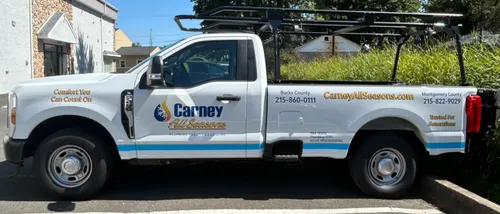
Carney All Seasons
1100 Industrial Blvd, Southampton, PA 18966
Carney All Seasons is a full-service HVAC and plumbing company serving Philadelphia, PA. They provide installation, repair, and maintenance for air conditioning, heating systems including furnaces, geothermal heat pumps, and HVAC tune-ups. The company also offers plumbing services such as water heater and sump pump installation and repair, as well as sewer and water line services. Carney All Seasons supports environmentally friendly geothermal systems and installs whole-house generators to help during power outages. Their team is EPA certified and experienced in working with high-efficiency and ENERGY STAR models.
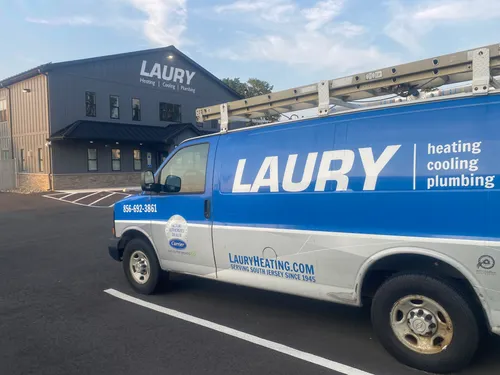
Laury Heating Cooling & Plumbing
923 Haddonfield Rd, Cherry Hill Township, NJ 08002
Laury Heating Cooling & Plumbing is a family-owned HVAC and plumbing company serving Philadelphia, PA, and South Jersey communities since 1945. They provide a range of services including furnace and AC repair, HVAC system installation, heat pump and geothermal system installation, as well as plumbing repairs and water heater services. The company is known for handling both traditional and energy-efficient systems, offering free estimates and flexible financing options. Their certified technicians are experienced in modern HVAC technologies and maintain a commitment to quality workmanship. Laury Heating Cooling & Plumbing also offers priority scheduling for members, ensuring faster service during peak seasons or emergencies.
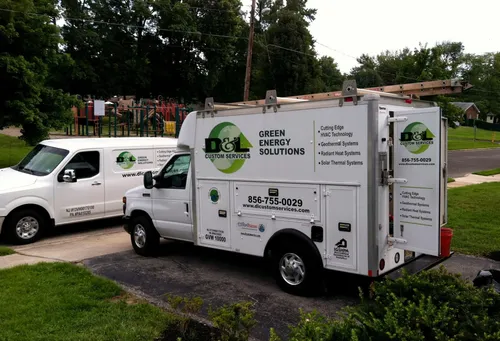
D&L Custom Services, LLC
600 Deer Rd STE 5, Cherry Hill Township, NJ 08034
D&L Custom Services, LLC is a family-operated HVAC company serving Philadelphia, PA, and South Jersey, including Burlington, Camden, and Gloucester counties. Since 1979, they have specialized in residential and light commercial heating and cooling installations, with a focus on green and energy-efficient technologies such as geothermal and air source heat pumps. They offer a range of services including installation, repair, and tune-ups for air conditioners, furnaces, boilers, heat pumps, and mini splits. Their technicians are factory-trained and certified, and the company is fully licensed and insured.
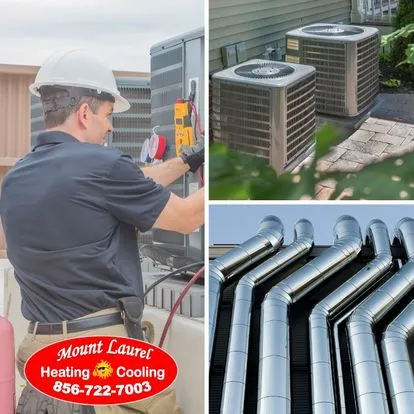
Mount Laurel Heating & Cooling
7 Sherwood Ave, Mt Laurel Township, NJ 08054
Mount Laurel Heating & Cooling is a heating and air conditioning company serving Philadelphia, PA. They provide a range of HVAC services including installation and repair of air conditioners, furnaces, heat pumps, boilers, mini splits, and geothermal heat pumps. The company also offers HVAC tune-up services to maintain system efficiency. Their expertise covers both residential and commercial HVAC systems, ensuring comprehensive climate control solutions.
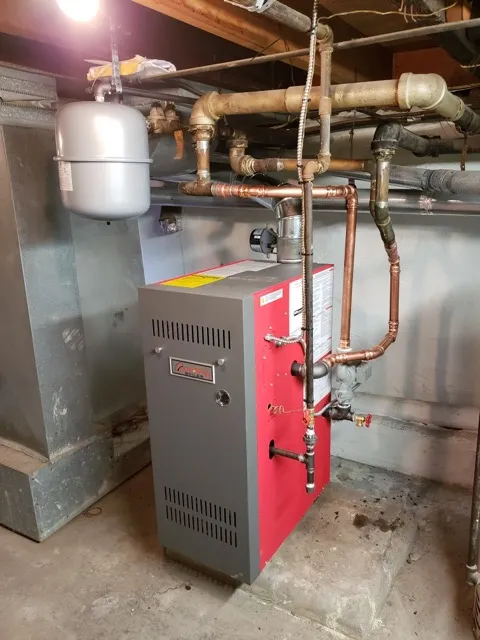
AJM Mechanical HVAC
203 Moore St, Philadelphia, PA 19148
AJM Mechanical HVAC is a locally owned company serving Philadelphia, PA, and surrounding areas including parts of southern New Jersey. With over 19 years of experience, they provide a wide range of heating and cooling services such as repair and installation of furnaces, boilers, heat pumps, mini splits, and custom ductwork. They offer same day emergency repair service and free estimates for new installations. AJM Mechanical is equipped to handle all types of heating systems, including geothermal heat pumps, and provides comprehensive maintenance plans to keep systems running efficiently. Their availability includes 24/7 emergency service to address urgent heating and cooling needs.
How Geothermal Systems Work in Trenton
The core principle behind a geothermal heating and cooling system is remarkably simple: it uses the earth as a giant thermal battery. Just a few feet below the surface, the ground in New Jersey maintains a consistent temperature between 45°F and 70°F year-round, regardless of summer heat or winter chill. A geothermal system leverages this constant temperature through a series of buried pipes, called a ground loop, filled with a water-based fluid.
In the winter, this fluid circulates through the loop, absorbing the earth's natural warmth. The now-warmed fluid is brought back to a heat pump unit inside your home. The heat pump concentrates this low-grade thermal energy and transfers it to your home's air or water distribution system 1 2. The process reverses in the summer; the system extracts heat from your indoor air and transfers it into the cooler ground loop, effectively providing air conditioning. Because the system is moving heat rather than generating it through combustion, it operates with exceptional efficiency, using significantly less electricity than conventional HVAC equipment 3.
Types of Ground Loop Systems for Trenton Properties
The design of the underground loop is the most site-specific part of a geothermal installation. The right choice for your Trenton home depends heavily on your lot size, soil composition, and local geology. The two most common types are closed-loop systems.
Vertical Closed-Loop Systems This is often the preferred method for residential properties in more developed areas like Trenton, where yard space may be limited. Contractors drill deep boreholes, typically between 150 to 450 feet deep, and insert U-shaped high-density polyethylene pipes into each hole. The holes are then grouted for optimal thermal conductivity. A vertical field requires less land area than a horizontal system but involves specialized drilling equipment, which can influence the project timeline and cost 4.
Horizontal Closed-Loop Systems If you have ample, unobstructed land, a horizontal loop can be a cost-effective option. Contractors excavate long trenches, usually 4 to 6 feet deep, and lay pipes in a series of parallel rows or slinky coils. This method generally has lower installation costs than vertical drilling because it uses standard trenching equipment. However, it requires a substantial amount of open land, which may not be available on smaller or heavily landscaped urban lots 5.
Open-Loop Systems Less common in New Jersey, an open-loop system uses groundwater from a well as the heat exchange fluid. After passing through the heat pump, the water is discharged back into a second well, a pond, or a stream, subject to local regulations. While sometimes cheaper to install, these systems are highly dependent on having a sufficient supply of clean water and are subject to more permitting and environmental considerations.
The Installation Process: What Trenton Homeowners Can Expect
Understanding the installation timeline helps set realistic expectations. A typical residential geothermal system installation in the Trenton area takes between 4 to 7 days from start to finish, though this can vary with system complexity and weather.
- Site Evaluation & Design (Pre-Installation): A qualified installer will conduct a thorough assessment of your property. This includes evaluating soil conditions, bedrock depth, available space, and existing ductwork or radiant heating systems. This critical step determines the optimal loop type and size for your home's heating and cooling loads.
- Loop Installation (1-3 days): This is the major excavation phase. For a vertical system, a drilling rig will create the boreholes. For a horizontal system, a backhoe will dig the trenches. The polyethylene piping is then placed, connected, and pressure-tested to ensure there are no leaks before the trenches or boreholes are backfilled.
- Heat Pump & Ductwork Connection (1-2 days): The indoor heat pump unit, which is about the size of a traditional furnace, is installed in your basement, garage, or mechanical closet. The technician will connect it to the ground loop, your home's electrical system, and the existing ductwork or hydronic distribution system. If new ductwork is needed, this will add to the timeline.
- System Charging, Testing, and Commissioning (1-2 days): The loop is filled with the heat transfer fluid, and the entire system is started up. The installer will test all components, check refrigerant levels, calibrate the thermostat, and ensure the system is operating at peak efficiency before handing it over to you 6.
Find the perfect geothermal heat pump contractors for your needs
Get personalized recommendations and expert advice
Financial Benefits, Savings, and Payback
The most compelling reason Trenton homeowners consider geothermal is the long-term energy savings. By harnessing the earth's free and stable thermal energy, geothermal heat pumps can reduce your heating and cooling bills by 30% to 65% compared to conventional systems like standard air-source heat pumps or furnaces 7 8 9. This translates to significant annual savings, especially given New Jersey's variable climate with both cold winters and hot, humid summers.
The major hurdle is the upfront cost, which is higher than replacing a traditional HVAC system due to the ground loop excavation. However, this investment is often recovered through energy savings in a payback period of 5 to 10 years. The exact timeline depends on your current utility rates, the efficiency of your old system, the design of your new geothermal system, and, most importantly, how effectively you utilize available financial incentives.
Key Incentives for Trenton, NJ Residents
To make geothermal more accessible, substantial incentives are available:
- Federal Tax Credits: The federal government offers a residential energy efficiency tax credit for qualified geothermal heat pump installations. It's crucial to check the current IRS guidelines for the specific percentage and cap, as these can change 10.
- New Jersey Clean Energy Program (NJCEP): Administered by the state's Board of Public Utilities, this program often provides rebates for installing high-efficiency geothermal systems. These rebates are direct, point-of-sale incentives that immediately reduce your installed cost 11.
- Potential Utility Rebates: Some local utility companies may offer additional rebates or special rates for customers who install geothermal systems.
A reputable local installer will be well-versed in these programs and can help you identify and apply for all incentives for which you qualify, dramatically lowering your net project cost.
Is Your Trenton Property a Good Candidate?
Geothermal is a fantastic technology, but its success depends on proper site suitability. Key factors your installer will evaluate include:
- Available Land: Do you have enough space for a horizontal trench field, or will your lot require vertical drilling?
- Soil and Rock Conditions: The thermal conductivity of your soil affects loop length. The presence of bedrock can increase drilling difficulty and cost for vertical systems.
- Existing Infrastructure: The condition and layout of your home's existing ductwork or hydronic piping will be assessed. In some cases, upgrades or modifications may be necessary.
- Long-Term Plans: Geothermal systems have a long lifespan (25+ years for the heat pump, 50+ years for the ground loop). They are an ideal investment if you plan to stay in your home long enough to realize the full payback and savings.
For many Trenton properties, especially those with smaller yards, a vertically drilled ground-source system is the most viable path to geothermal comfort and efficiency 12. By partnering with an experienced professional who conducts a comprehensive site survey, you can make a confident, informed decision about harnessing the earth's renewable energy for your home.
Frequently asked questions
Sources
Footnotes
-
About Geothermal - https://geocomfort.com/about-geothermal ↩
-
All You Need to Know About Home Geothermal Heating & ... - https://dandelionenergy.com/all-you-need-to-know-about-home-geothermal-heating-cooling ↩
-
How do geothermal heat pumps work step by step? - Miami Heat Pump - https://www.miamihp.com/how-do-geothermal-heat-pumps-work-step-by-step/ ↩
-
Geothermal Heat Pump Installation: What To Expect For Your Property - https://jomory.com/geothermal-heat-pump-installation-what-to-expect-for-your-property/ ↩
-
New Jersey Ground Source Heat Pump Baseline Report - https://dep.nj.gov/wp-content/uploads/cleanenergy/new-jersey-ground-source-heat-pump-baseline-report_final.pdf ↩
-
Eco-Friendly Geothermal HVAC: A Green Home Solution - https://www.livinonmechanical.com/eco-friendly-geothermal-hvac-a-green-home-solution/ ↩
-
NR Geothermal Heat Pumps - NJ Green Building Manual - https://greenmanual.rutgers.edu/nr-geothermal-heat-pumps/ ↩
-
Guide to Geothermal Heat Pumps - https://www.energy.gov/sites/prod/files/guide_to_geothermal_heat_pumps.pdf ↩
-
Geothermal Heat Pumps - Department of Energy - https://www.energy.gov/energysaver/geothermal-heat-pumps ↩
-
5 Things You Should Know about Geothermal Heat Pumps - https://www.energy.gov/cmei/articles/5-things-you-should-know-about-geothermal-heat-pumps ↩
-
NJDEP| Clean Buildings | GSHP - https://dep.nj.gov/cleanbuildings/gshp/ ↩
-
Geothermal Heating & Cooling Systems in South Jersey - https://connmechanical.com/services/geothermal/ ↩