Find the Best Geothermal Heat Pump Contractors for Your Business
No obligation • Fast responses • Nationwide coverage

Why you can trust HVAC Firms
HVAC Firms is a leading United States resource for evaluating HVAC service providers. Our team researches companies, checks credentials, and reviews customer feedback to present clear, unbiased information. Listings and rankings are based on merit, and companies cannot pay to change our editorial content.
Search providers near you
Top Geothermal Heat Pump Contractors in Cherry Hill, New Jersey Ranked
Geothermal heat pumps, also known as ground-source heat pumps, are a highly efficient method for heating and cooling your home by leveraging the earth's stable underground temperature. This technology matters because it can drastically reduce your energy bills and environmental footprint, providing quiet, reliable comfort year-round. For Cherry Hill residents, understanding the local installation process, system types, and potential savings is the first step toward harnessing this sustainable energy source.
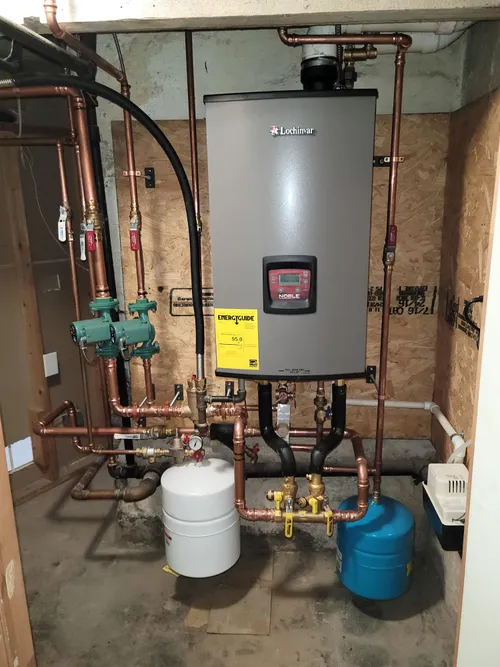
Comfort Home Heating and Cooling
1035 Milmont Ave, Swarthmore, PA 19081
Comfort Home Heating and Cooling is an HVAC company serving Philadelphia, PA, and the surrounding Delaware County area. They provide a range of heating and cooling services including furnace, air conditioning, heat pump, mini-split, and geothermal heat pump installation and repair. Their team handles thermostat installation, indoor air quality solutions, and HVAC tune-ups, ensuring systems operate efficiently. With over 15 years of industry experience, Comfort Home Heating and Cooling employs licensed professionals who perform all work without subcontractors, offering warranties on labor and equipment. They are known for fabricating parts on-site and providing after-hours service when needed.

Carney All Seasons
1100 Industrial Blvd, Southampton, PA 18966
Carney All Seasons is a full-service HVAC and plumbing company serving Philadelphia, PA. They provide installation, repair, and maintenance for air conditioning, heating systems including furnaces, geothermal heat pumps, and HVAC tune-ups. The company also offers plumbing services such as water heater and sump pump installation and repair, as well as sewer and water line services. Carney All Seasons supports environmentally friendly geothermal systems and installs whole-house generators to help during power outages. Their team is EPA certified and experienced in working with high-efficiency and ENERGY STAR models.
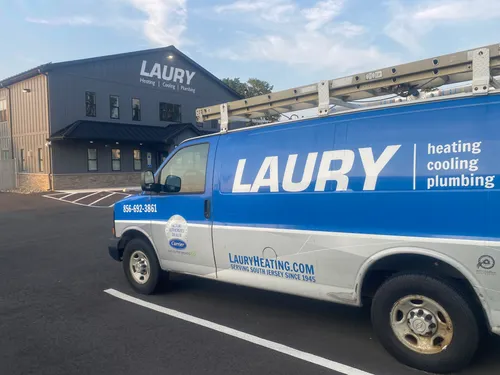
Laury Heating Cooling & Plumbing
923 Haddonfield Rd, Cherry Hill Township, NJ 08002
Laury Heating Cooling & Plumbing is a family-owned HVAC and plumbing company serving Philadelphia, PA, and South Jersey communities since 1945. They provide a range of services including furnace and AC repair, HVAC system installation, heat pump and geothermal system installation, as well as plumbing repairs and water heater services. The company is known for handling both traditional and energy-efficient systems, offering free estimates and flexible financing options. Their certified technicians are experienced in modern HVAC technologies and maintain a commitment to quality workmanship. Laury Heating Cooling & Plumbing also offers priority scheduling for members, ensuring faster service during peak seasons or emergencies.
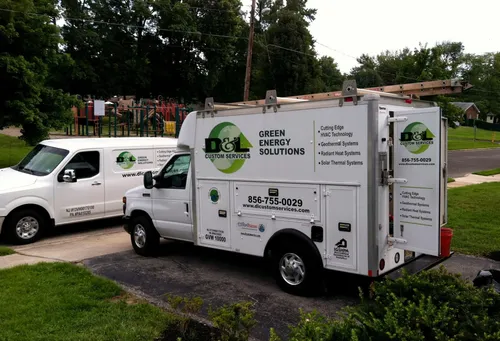
D&L Custom Services, LLC
600 Deer Rd STE 5, Cherry Hill Township, NJ 08034
D&L Custom Services, LLC is a family-operated HVAC company serving Philadelphia, PA, and South Jersey, including Burlington, Camden, and Gloucester counties. Since 1979, they have specialized in residential and light commercial heating and cooling installations, with a focus on green and energy-efficient technologies such as geothermal and air source heat pumps. They offer a range of services including installation, repair, and tune-ups for air conditioners, furnaces, boilers, heat pumps, and mini splits. Their technicians are factory-trained and certified, and the company is fully licensed and insured.

Matthew R. Borden Heating & Cooling, Inc.
501 Abbott Dr G3, Broomall, PA 19008
Matthew R. Borden Heating & Cooling, Inc. serves Philadelphia, PA, and nearby counties with heating, cooling, and water heating services. They provide design, installation, replacement, maintenance, and repair for systems including forced air heating, hydronic heating, geothermal heat pumps, ductless systems, and air quality accessories. The company specializes in whole-home air filter installations to improve indoor air quality. With nearly 30 years of experience, they focus on sustainable operation and long-term satisfaction, maintaining an A+ rating with the Better Business Bureau.
How Geothermal Systems Work in Cherry Hill
The principle behind a geothermal or ground-source heat pump is elegantly simple. Just a few feet below the surface, the earth in New Jersey maintains a nearly constant temperature of approximately 55°F year-round. This stability is the system's powerhouse.
In the winter, the system acts as a heater. A fluid (typically water mixed with environmentally safe antifreeze) circulates through a loop of pipes buried in your yard, absorbing the earth's natural warmth. This slightly warmed fluid is brought back to the heat pump unit inside your home, where the system concentrates that heat and distributes it through your existing ductwork or radiant floor system 1.
In the summer, the process reverses to provide cooling. The system extracts heat from your indoor air and transfers it into the cooler ground via the same fluid loop, effectively using the earth as a heat sink 2. This single, integrated system eliminates the need for separate furnaces and air conditioners, providing both heating and cooling from one unit.
Types of Ground Loop Systems
The heart of any geothermal installation is the ground loop. The right type for your Cherry Hill property depends on your lot size, soil composition, and local geology. The two primary categories are closed-loop and open-loop systems.
Closed-Loop Systems
This is the most common and versatile configuration for residential properties. In a closed-loop system, the heat transfer fluid is continuously circulated through a sealed, high-density polyethylene pipe network buried underground.
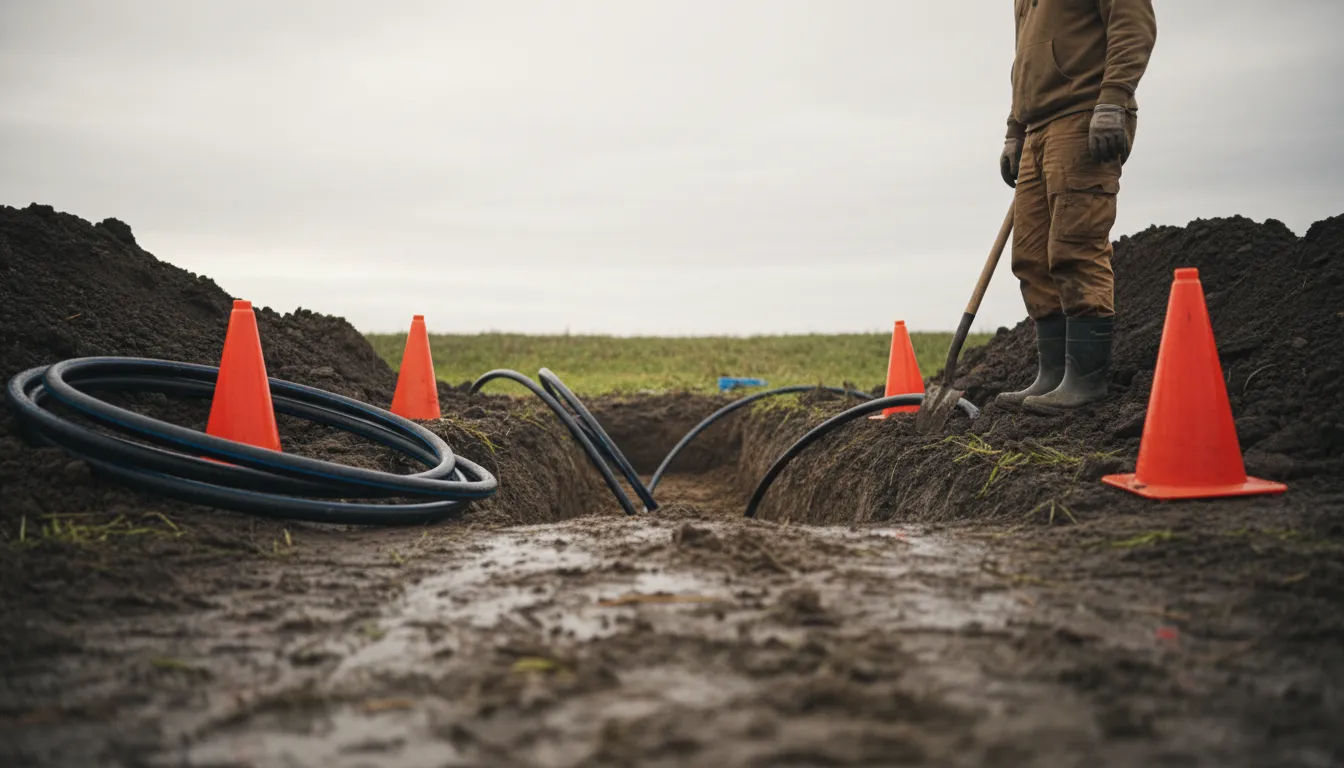
- Horizontal Closed Loops: This configuration involves excavating long trenches, typically four to six feet deep, and laying pipes in a series of parallel runs or slinky coils. This method requires a larger amount of available land but is often less expensive to install than vertical systems if the space exists. The trenching process causes noticeable yard disturbance but is restored quickly after pipe installation.
- Vertical Closed Loops: For properties with limited space, like many in Cherry Hill, vertical loops are the preferred solution. A drilling rig bores holes 150 to 400 feet deep, and U-shaped pipe loops are inserted into each borehole. The holes are then grouted for optimal thermal conductivity. While the drilling process is more specialized, it causes minimal surface disruption and is excellent for rocky soil or smaller lots.
Open-Loop Systems
Less common in residential settings, an open-loop system uses groundwater from a well as the direct heat exchange fluid. After passing through the heat pump, the water is discharged, typically back into a second well or a suitable surface discharge point. These systems can be highly efficient but depend entirely on having an adequate supply of clean groundwater and complying with local regulations regarding water use 3.
The Installation Process: What to Expect
Installing a geothermal heating and cooling system is a significant project that transforms your home's energy profile. Working with an experienced local contractor ensures the process is smooth and the system is optimized for your property.
- Site Assessment and Design: The process begins with a thorough evaluation of your property. A contractor will assess your soil type, rock content, available land, and your home's heating and cooling loads. This information is critical for determining the optimal loop type (vertical vs. horizontal) and calculating the necessary loop length for maximum efficiency 4.
- Ground Loop Installation: This is the major outdoor phase.
- For a horizontal system, a backhoe will dig the necessary trenches over one to three days.
- For a vertical system, a drilling rig will be brought in to create the boreholes, which typically takes three to five days. The pipes are then placed, connected, and pressure-tested to ensure integrity before the holes are grouted or trenches are backfilled 5.
- Indoor Unit and Connection: Inside your home, typically in the basement or a mechanical room, the geothermal heat pump unit is installed. This compact unit houses the compressor, heat exchanger, and fan. The underground pipes are connected to this unit, which is then integrated with your home's existing ductwork or hydronic distribution system 6.
- System Startup and Restoration: Once everything is connected, the system is charged with fluid, powered up, and tested for performance. Meanwhile, the outdoor work area is carefully restored. Grass seed is sown over trenches, and any disrupted landscaping is repaired, leaving your yard intact 7.
Find the perfect geothermal heat pump contractors for your needs
Get personalized recommendations and expert advice
Benefits and Long-Term Savings for Cherry Hill Homeowners
The decision to install a geothermal system is an investment that pays dividends for decades. The primary advantage is dramatic energy savings. By moving heat rather than creating it through combustion, geothermal heat pumps operate with remarkable efficiency. Homeowners can see reductions of 50% to 65% on their heating and cooling bills compared to conventional systems like furnaces and standard air conditioners 8 9.
While the upfront cost for the ground loop and specialized equipment is higher than for a traditional HVAC system, the lower operating costs quickly begin to offset the difference. The financial picture is further improved by available incentives. Federal tax credits can significantly reduce the net installed cost, and the stable, predictable energy bills provide long-term budget certainty 10 11.
Beyond the financials, the benefits are substantial. These systems are incredibly quiet, with no noisy outdoor condenser units. They provide exceptional comfort with steady, even temperatures and improved humidity control. From an environmental perspective, geothermal systems have a major impact. The New Jersey Department of Environmental Protection (NJDEP) identifies ground-source heat pump technology as a key tool for reducing building emissions and advancing the state's clean energy goals. By eliminating on-site fossil fuel combustion for heating, a Cherry Hill home with a geothermal system dramatically lowers its carbon footprint.
Is a Geothermal System Right for Your Home?
Geothermal energy is a powerful solution, but its suitability depends on several factors. It is an excellent option for homeowners planning to stay in their homes long enough to realize the full payback of the energy savings, typically through significant long-term ownership. It's also ideal for those building a new home, where the loop installation can be seamlessly integrated into the site work, often at a lower cost.
Properties with sufficient land for horizontal trenches or appropriate geology for vertical drilling are necessary. Most importantly, success depends on working with a qualified, certified installer who can properly size the system and execute the loop installation. For many in Cherry Hill, the combination of energy independence, environmental stewardship, and ultimate home comfort makes geothermal an compelling choice for modern living 12 13.
Frequently asked questions
Sources
Footnotes
-
Geothermal Heat Pump Manual - NYC.gov - https://www.nyc.gov/html/ddc/downloads/pdf/geotherm.pdf ↩
-
Geothermal (Ground Source) Heat Pumps - NY.gov - https://cleanheat.ny.gov/geothermal-heat-pumps/ ↩
-
How It Works: Ground Source Heat Pumps - Aztech Geothermal - https://aztechgeo.com/residential-geothermal/how-it-works/ ↩
-
NJDEP| Clean Buildings | GSHP - https://dep.nj.gov/cleanbuildings/gshp/ ↩
-
Geothermal Heating and Cooling - Open Energy Information - https://openei.org/wiki/GeoBridge/Heating_and_Cooling ↩
-
How to Choose the Right System for Your Home - Morrison Inc. - https://morrisongeothermal.com/how-to-choose-the-right-system-for-your-home/ ↩
-
Geothermal Heat Pump Installation: What To Expect For Your Property - https://jomory.com/geothermal-heat-pump-installation-what-to-expect-for-your-property/ ↩
-
5 Things You Should Know about Geothermal Heat Pumps - https://www.energy.gov/cmei/articles/5-things-you-should-know-about-geothermal-heat-pumps ↩
-
All You Need to Know About Home Geothermal Heating & ... - https://dandelionenergy.com/all-you-need-to-know-about-home-geothermal-heating-cooling ↩
-
New Jersey Ground Source Heat Pump Baseline Report - https://dep.nj.gov/wp-content/uploads/cleanenergy/new-jersey-ground-source-heat-pump-baseline-report_final.pdf ↩
-
Guide to Geothermal Heat Pumps - https://www.energy.gov/sites/prod/files/guide_to_geothermal_heat_pumps.pdf ↩
-
Geothermal Heating and Cooling - https://geothermal.colorado.gov/geothermal-heating-and-cooling ↩
-
Geothermal Heating Systems in New Jersey - https://connmechanical.com/services/geothermal/ ↩