
Find the Best Geothermal Heat Pump Contractors for Your Business
No obligation • Fast responses • Nationwide coverage

Why you can trust HVAC Firms
HVAC Firms is a leading United States resource for evaluating HVAC service providers. Our team researches companies, checks credentials, and reviews customer feedback to present clear, unbiased information. Listings and rankings are based on merit, and companies cannot pay to change our editorial content.
Search providers near you
Top Geothermal Heat Pump Contractors in Nashua, New Hampshire Ranked
A geothermal heat pump is a highly efficient heating and cooling system that leverages the earth's stable, year-round temperature to regulate your home's climate. For Nashua residents, this technology offers a powerful way to reduce energy bills, increase home comfort, and lower environmental impact. This guide will help you understand how these ground-source systems work, what installation entails, and how to evaluate if this sustainable solution is right for your property.
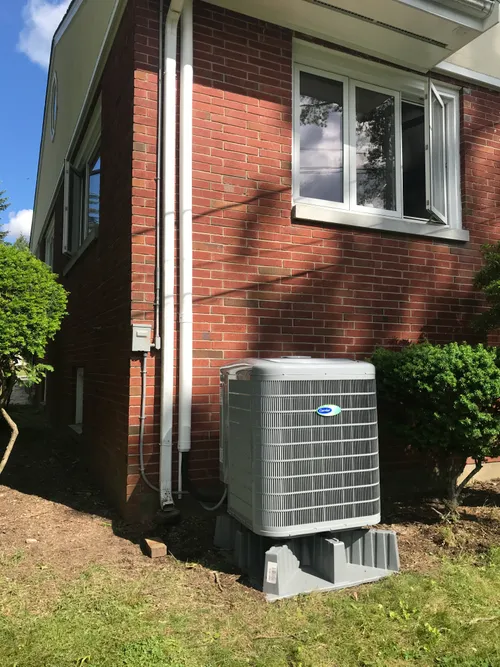
Net Zero Heating & Air Conditioning
55 Ellingwood Ave, Billerica, MA 01821
Net Zero Heating & Air Conditioning is an HVAC contractor based in Boston, MA, specializing in the design, installation, maintenance, and repair of heating and cooling systems. They offer services for air conditioners, furnaces, heat pumps, geothermal systems, and high-efficiency water heaters, helping customers improve home energy efficiency and reduce fossil fuel dependency. Their team evaluates each home's needs to recommend and install systems that meet or exceed local energy requirements. Net Zero is certified by NATE, Bryant, and Mitsubishi Diamond, and is a member of 1% for the Planet, reflecting their commitment to environmental goals.
EnergySmart Alternatives, LLC
Boston, MA
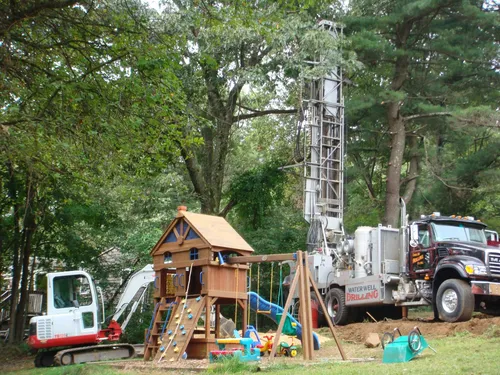
EnergySmart Alternatives, LLC is a geothermal heat pump contractor based in Boston, MA. They manage the entire geothermal project process, including site evaluation, design, permitting, installation, and paperwork for incentives. Their services focus on geothermal heating and cooling systems that use the Earth's stable temperature to provide efficient year-round comfort and improved indoor air quality. EnergySmart handles new builds, retrofits, and replacements with certified installers to ensure proper system performance. Their approach reduces fossil fuel use and carbon footprint while offering financial and environmental benefits.
How Geothermal Heating and Cooling Works in New Hampshire
The principle behind a geothermal system, often called a ground-source heat pump, is elegantly simple. Just a few feet below the surface, the earth maintains a nearly constant temperature between 50°F and 55°F, regardless of the summer heat or winter chill above ground. A geothermal system uses this thermal energy bank as its source.
- In Winter: A water-based solution (often mixed with antifreeze) circulates through a loop of pipes buried in your yard. This fluid absorbs the earth's stored solar warmth. The heat pump inside your home then concentrates this low-grade heat and transfers it to your home's air or hydronic distribution system, providing comfortable, efficient warmth 1.
- In Summer: The process reverses. The system extracts heat and humidity from your indoor air. This unwanted heat is transferred to the fluid in the loop and carried underground, where it is dissipated into the cooler earth. This acts as a highly efficient heat sink, providing air conditioning 2.
This exchange with the stable ground temperature is what makes geothermal technology vastly more efficient than traditional air-source heat pumps or fossil fuel systems, which must work harder against extreme outdoor air temperatures.
Types of Geothermal Loop Systems
The underground portion of the system, called the ground loop or earth loop, is the critical component that facilitates heat exchange. The right type for your Nashua home depends on your soil composition, lot size, and budget. The two primary categories are closed-loop and open-loop systems.
Closed-Loop Systems
This is the most common and versatile type installed in New Hampshire. A sealed, continuous loop of high-density polyethylene pipe is buried and filled with a heat-transfer fluid. The fluid circulates indefinitely, exchanging heat with the ground before returning to the heat pump.
- Horizontal Closed-Loop: Pipes are laid in trenches typically 4 to 6 feet deep. This method generally has a lower installation cost but requires a significant amount of clear, flat land-often between a quarter to three-quarters of an acre 3 4. It's an excellent option for new construction where the yard can be excavated easily.
- Vertical Closed-Loop: For homes with smaller lots or rocky soil common in parts of New Hampshire, vertical loops are the preferred solution. Contractors drill boreholes 150 to 450 feet deep and insert U-shaped loop pipes into each hole 5 6. While the drilling cost is higher, this method minimizes landscape disruption and is ideal for existing homes with limited yard space 7.
Open-Loop Systems
An open-loop system uses groundwater directly from a well as its heat-exchange fluid. It pumps water from an extraction well, runs it through the heat pump to transfer heat, and then discharges the water to a second "return" well or a suitable surface discharge point 8. This system can be very efficient but is less common because it requires an abundant supply of clean groundwater and compliance with local environmental regulations regarding water discharge 8.
The Geothermal Installation Process in Nashua
Installing a ground-source heat pump is a significant project that requires careful planning and expert execution. Here's what homeowners can typically expect from the process.
- Site Evaluation and System Design: A qualified installer will assess your property, considering home size, heating/cooling loads, soil conditions, and available land. This analysis determines the optimal loop type (vertical vs. horizontal) and the necessary length and configuration for peak efficiency 9.
- Ground Loop Installation: This is the most substantial phase. For a horizontal system, excavation equipment digs long trenches. For a vertical system, a drilling rig creates the deep boreholes. The piping is then laid in the trenches or inserted into the boreholes, connected, and pressure-tested 10.
- Loop Completion and Connection: The loop is filled with the heat-transfer fluid and connected to the manifold that leads into your home. The trenches are backfilled, or the boreholes are grouted, to ensure good thermal contact with the earth.
- Indoor Unit Installation: The geothermal heat pump unit-which is compact and quiet-is installed inside your home, typically in a basement, utility room, or garage. It is connected to the ground loop and to your existing ductwork or hydronic system.
Find the perfect geothermal heat pump contractors for your needs
Get personalized recommendations and expert advice
Trenching vs. Drilling: Key Considerations for Your Property
The choice between horizontal (trenching) and vertical (drilling) loops is one of the most important decisions in the planning stage.
-
Horizontal Trenching:
- Pros: Generally has a lower upfront installation cost. The equipment and process are less complex than deep drilling.
-
Cons: Requires a large, clear area of land. The excavation causes significant temporary disruption to your landscape, making it more suitable for new builds or properties undergoing major renovation 11.
-
Vertical Drilling:
-
Pros: Requires minimal surface area, making it perfect for smaller urban or suburban lots in Nashua. It causes very little disruption to established lawns and landscaping. It also tends to be less affected by soil temperature fluctuations near the surface.
- Cons: The primary drawback is a higher initial cost due to the specialized drilling equipment and labor required. However, for many homeowners, the preservation of their yard justifies the investment.
Energy Savings, Costs, and Return on Investment
The most compelling reason Nashua homeowners choose geothermal is for long-term energy savings and comfort.
- Substantial Utility Savings: By tapping into the earth's free thermal energy, geothermal heat pumps can achieve remarkable efficiency. Homeowners can see savings of up to 70% on heating costs and 50% on cooling costs compared to conventional electric resistance or oil/propane systems 12 13. Your actual savings will depend on your previous system, local utility rates, and your home's efficiency.
- Understanding the Investment: The upfront cost of a geothermal system is higher than that of a standard furnace and air conditioner. This cost includes the ground loop excavation/drilling, the heat pump unit, and installation labor. However, it's crucial to view this as a long-term investment in your home's infrastructure.
- Financial Payback: The significant reduction in monthly energy bills means the system often pays for itself over time. Many homeowners achieve a return on investment (ROI) within 5 to 10 years14 15. After that, you continue to benefit from drastically lower operating costs for the life of the system, which can be 20-25 years for the indoor unit and 50+ years for the underground loop.
- Incentives and Rebates: Federal tax credits for qualifying geothermal heat pump installations can significantly reduce the net cost. It's essential to consult with your installer about current federal, state, and local incentives.
Benefits Beyond Savings
While lower bills are a major advantage, geothermal exchange systems offer other important benefits:
- Consistent Comfort: Unlike fossil fuel systems that create hot, dry air in bursts, geothermal systems provide steady, even heating and cooling, eliminating cold spots and humidity issues.
- Durability and Low Maintenance: With most components protected indoors or underground, the system is not exposed to weather. The indoor unit has a long lifespan, and the buried loop is virtually maintenance-free for decades 16.
- Quiet Operation: There is no loud outdoor condenser unit, as found with traditional air conditioners or air-source heat pumps. The system operates very quietly.
- Safety and Cleanliness: There is no combustion, meaning no risk of carbon monoxide poisoning, no need for a fuel tank or gas line, and no emissions produced at your home.
- Increased Home Value: A permanently installed, high-efficiency geothermal system is an attractive feature that can increase the resale value and marketability of your home.
Is a Geothermal System Right for Your Nashua Home?
A ground-source heat pump is an excellent choice for many, but not all, properties. It is worth serious consideration if:
- You are building a new home or replacing an aging, inefficient HVAC system.
- You have sufficient land for a horizontal loop or the budget for a vertical loop system.
- You plan to stay in your home long enough to realize the financial payback.
- You prioritize home comfort, energy independence, and reducing your carbon footprint.
The first step is to consult with a reputable, experienced geothermal installer in the Nashua area. They can provide a detailed site assessment, explain your options, and give you a clear picture of the costs, savings, and incentives available for your specific situation.
Frequently asked questions
Sources
Footnotes
-
How a Geothermal Heat Pump Works | This Old House - https://www.youtube.com/watch?v=d5Tbsx3R2T8 ↩
-
Heat Pump Deep-Dive; How They Work and Why They Matter - https://nhsaves.com/learn/2025/06/heat-pump-deep-dive-how-they-work-and-why-they-matter/ ↩
-
Geothermal Heat Pump Installation: What To Expect For Your Property - https://jomory.com/geothermal-heat-pump-installation-what-to-expect-for-your-property/ ↩
-
Geothermal Loop Options | MNGHPA - https://www.minnesotageothermalheatpumpassociation.com/geothermal/earth-loop-options/ ↩
-
How Does A Geothermal Heat Pump Work? Complete 2025 Guide - https://solartechonline.com/blog/how-does-geothermal-heat-pump-work/ ↩
-
HOW GEOTHERMAL WORKS | Hartley Well Drilling | United States - https://www.hartleywell.com/how-geothermal-installs-work-nh-me ↩
-
Geothermal Heat Pumps - https://www.carolinacountry.com/story/geothermal-heat-pumps-2 ↩
-
Requirements for Geothermal Systems in New Hampshire - https://www.des.nh.gov/sites/g/files/ehbemt341/files/documents/2020-01/dwgb-22-23.pdf ↩ ↩2
-
Skilling and Sons Geothermal Exchange Systems - https://www.newenglandgeothermal.com/ ↩
-
Geothermal Energy Systems: Clean, Free Energy Underfoot - https://meridiannh.com/geothermal-energy-systems-clean-free-energy-underfoot/ ↩
-
Guide to Geothermal Heat Pumps - https://www.energy.gov/sites/prod/files/guide_to_geothermal_heat_pumps.pdf ↩
-
Geothermal Heat Pumps - Department of Energy - https://www.energy.gov/energysaver/geothermal-heat-pumps ↩
-
Geothermal Is The High-Performance Green Energy | Lakes Region Heating and Air Conditioning - https://lrhvac.com/blog/geothermal.php ↩
-
All You Need to Know About Home Geothermal Heating & ... - https://dandelionenergy.com/all-you-need-to-know-about-home-geothermal-heating-cooling ↩
-
Is A Geothermal Heat Pump System Right For New Hampshire ... - https://skillingsandsons.squarespace.com/blog/is-a-geothermal-heat-pump-system-right-for-new-hampshire-homes ↩
-
5 Things You Should Know about Geothermal Heat Pumps - https://www.energy.gov/cmei/articles/5-things-you-should-know-about-geothermal-heat-pumps ↩