
Find the Best Geothermal Heat Pump Contractors for Your Business
No obligation • Fast responses • Nationwide coverage

Why you can trust HVAC Firms
HVAC Firms is a leading United States resource for evaluating HVAC service providers. Our team researches companies, checks credentials, and reviews customer feedback to present clear, unbiased information. Listings and rankings are based on merit, and companies cannot pay to change our editorial content.
Search providers near you
Top Geothermal Heat Pump Contractors in Livonia, Michigan Ranked
A geothermal heat pump, or ground-source heat pump, is a highly efficient heating and cooling system that leverages the Earth's stable underground temperature. For Livonia homeowners, this technology offers a reliable way to manage indoor climate while significantly reducing energy bills and environmental impact. This page explains how these systems work, the installation process specific to our area, and how you can connect with qualified local professionals to explore your options.

All Things Heating & Cooling
1841 18th St, Wyandotte, MI 48192
All Things Heating & Cooling is a family-owned HVAC company based in Wyandotte, Michigan, serving Detroit and the surrounding Downriver area. They provide a range of heating and cooling services including installation, maintenance, and repair of air conditioners, furnaces, and geothermal heat pumps. The company also offers indoor air quality solutions to improve home air filtration and reduce pollution. With many years of industry experience, All Things Heating & Cooling focuses on ensuring efficient system performance and customer satisfaction.
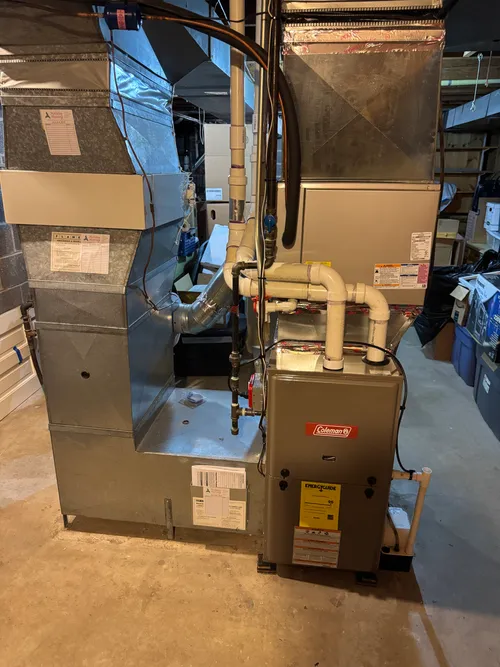
Holiday Heating and Air Conditioning
17133 Mack Ave, Detroit, MI 48224
Holiday Heating and Air Conditioning is a family-owned HVAC company serving Detroit, MI, and the surrounding Tri-State County area. With 31 years of experience, they provide a wide range of heating and cooling services including installation, repair, and maintenance for air conditioners, furnaces, boilers, heat pumps, and water heaters. They also specialize in ductwork, geothermal systems, and boiler-to-furnace conversions. Their team offers 24/7 emergency HVAC repair to address urgent heating and cooling needs promptly.
Total Temp Heating and Cooling
Detroit, MI
Total Temp Heating and Cooling is an HVAC contractor based in Detroit, MI, serving the Tri-County Metro Detroit area. They specialize in the installation, repair, and maintenance of heating and cooling systems, including air conditioners, furnaces, heat pumps, mini splits, and geothermal heat pumps. As a Trane® dealer, they offer a wide range of indoor comfort equipment and focus on improving indoor air quality with products like air cleaners and ventilators. Total Temp is a licensed contractor with expertise in servicing all brands and offers service agreements to maintain system performance.
AAC Services
30029 John R Rd, Madison Heights, MI 48071
AAC Services is an HVAC company based in Detroit, MI, providing heating and cooling installation, repair, and maintenance services. They serve the Metro Detroit area with expertise in air conditioning, furnace, heat pump, boiler, mini split, and geothermal heat pump systems. Established in 1992, AAC Services has a long history of delivering professional HVAC solutions with a skilled technical staff. The company focuses on keeping customers comfortable year-round with reliable heating and cooling system support.
Superior Plumbing & Heating of LaSalle
1740 Sprucewood Ave Unit#3, LaSalle, ON N9J 0E6, Canada
Superior Plumbing & Heating of LaSalle offers a wide range of plumbing and heating services in Detroit, MI. Their expertise includes furnace, boiler, heat pump, and geothermal heat pump installation and repair. With over 20 years of experience, they handle both residential and commercial projects, providing solutions such as hydro jetting, sewer line cleaning, and plumbing camera inspections. The company emphasizes professional service backed by licensed and trained plumbers. They also offer 24/7 emergency plumbing services to address urgent issues promptly.
How Geothermal Systems Work: Harnessing the Earth's Energy
Unlike conventional furnaces or air conditioners that generate heat or cold, a geothermal system moves heat. It uses a network of underground pipes, called a ground loop, filled with a water-based solution. This loop exchanges heat with the ground, which maintains a nearly constant temperature of around 55°F year-round just a few feet below the surface.
In the winter, the fluid circulating through the buried pipes absorbs the Earth's stored thermal energy. This warm fluid is brought to an indoor heat pump unit, which concentrates the heat and distributes it as warm air through your home's existing ductwork or a radiant floor system 1. During Livonia's humid summers, the process simply reverses: the system extracts heat from your home and transfers it into the cooler ground, leaving your living space comfortably chilled2 3. This elegant heat-exchange process is what allows geothermal heat pumps to achieve remarkable efficiencies of 300-400%, meaning they can deliver three to four units of heating or cooling energy for every one unit of electrical energy they consume.
Types of Ground Loops for Livonia Properties
The heart of any geothermal installation is the ground loop. The right type for your Livonia home depends on your lot size, soil composition, and local geology. A professional assessment is crucial, but here are the common configurations:
Closed-Loop Systems: This is the most common type for residential use. A sealed loop of high-density polyethylene pipe is buried and filled with an environmentally safe antifreeze solution that circulates continuously.
- Horizontal Loops: These are often the most cost-effective option if you have sufficient land. Trenches are dug about four to six feet deep, and pipes are laid in a series of coils or straight runs. This method requires more horizontal space but typically involves less complex drilling4.
- Vertical Loops: Ideal for homes with smaller lots, like many in Livonia, vertical loops are the preferred choice. A drilling rig bores holes 150 to 400 feet deep, and U-shaped loops of pipe are inserted into each hole. While the upfront drilling cost is higher, vertical loops are very efficient and have a smaller surface footprint 5 6.
Open-Loop Systems: This system uses groundwater from a well as the heat exchange fluid. After circulating through the heat pump, the water is discharged back into a second well or a suitable surface body. These systems can be highly efficient but require an adequate supply of clean water and are subject to more stringent local permitting from the Wayne County or Livonia health departments.
The Geothermal Installation Process in Livonia
Installing a ground-source heat pump is a significant project that requires specialized expertise. Understanding the steps can help you prepare.
- Site Assessment and Design: A certified installer will evaluate your property, considering soil conditions, land availability, and your home's heating and cooling loads. This assessment determines the optimal loop type and size for maximum efficiency.
- Loop Installation: For horizontal systems, this involves trenching with excavators. For vertical systems, a drill rig will be brought to your property to create the necessary boreholes. The pipes are then placed, connected, and pressure-tested to ensure integrity before the trenches or boreholes are backfilled.
- Indoor Unit Installation: The geothermal heat pump unit, which is about the size of a traditional furnace, is installed in your basement, utility room, or garage. It is connected to the ground loop and integrated with your home's ductwork or hydronic distribution system 7.
- Permitting and Inspection: Your installer will typically handle securing the necessary permits from local authorities. In Michigan, the Department of Environment, Great Lakes, and Energy (EGLE) has specific rules for geothermal boreholes to protect groundwater, so working with a knowledgeable local pro is essential 8.
Find the perfect geothermal heat pump contractors for your needs
Get personalized recommendations and expert advice
Costs, Savings, and Payback
The initial investment for a residential geothermal heating and cooling system in Livonia typically ranges from $12,000 to $45,000 or more, with the final cost heavily influenced by the loop type (vertical vs. horizontal), your home's size, and the existing ductwork 9.
While the upfront cost is higher than a standard HVAC system, the operational savings are substantial. Homeowners can expect to reduce their heating and cooling energy consumption by 30% to 60% annually10. For many, the system pays for itself through these utility savings within 5 to 10 years11 12. After the payback period, you enjoy decades of significantly lower energy bills. For example, a community-scale analysis showed geothermal systems could reduce a home's overall energy use by over 50%, translating to major annual savings10. Furthermore, geothermal systems have fewer mechanical components exposed to the elements, leading to long lifespans-often 20+ years for the indoor unit and 50+ years for the underground loop13.
Benefits Beyond the Bill
Choosing a geothermal system offers advantages that go straight to your bottom line and overall comfort.
- Consistent Comfort: These systems provide even heating and cooling without the hot or cold blasts common with fossil fuel systems, and they excel at dehumidifying in the summer.
- Quiet Operation: With no loud outdoor condenser unit, geothermal heat pumps operate very quietly.
- Safety and Cleanliness: There is no combustion, carbon monoxide risk, or fuel storage involved.
- Environmental Impact: By using renewable thermal energy from the ground, you drastically reduce your home's carbon footprint.
- Increased Home Value: This modern, efficient infrastructure is a recognized upgrade that can increase property value.
Finding the Right Local Professional
Success with geothermal technology hinges on proper design and installation. Look for contractors who are specifically trained and certified in geothermal systems (organizations like the International Ground Source Heat Pump Association (IGSHPA) offer certification). They should provide a detailed Manual J load calculation for your home and a system design tailored to Livonia's climate and your property's characteristics. Always ask for references from past geothermal projects and verify they are familiar with local permit requirements in Wayne County.
Frequently asked questions
Sources
Footnotes
-
How Do Geothermal Systems Work for Residential Homes? - https://www.davisheat.com/blog/how-do-geothermal-systems-work-for-residential-homes/ ↩
-
Geothermal Heating & Cooling | City of Ann Arbor - https://www.a2gov.org/sustainability-innovations-home/sustainability-me/for-families-individuals/geothermal-heating-cooling/ ↩
-
How Does a Geothermal System Work? - ClimateMaster - https://www.climatemaster.com/homeowner/side-links/how-it-works ↩
-
How Does A Geothermal Heat Pump Work? Complete 2025 Guide - https://solartechonline.com/blog/how-does-geothermal-heat-pump-work/ ↩
-
Geothermal Heat Pumps - https://www.michigan.gov/egle/about/organization/drinking-water-and-environmental-health/water-well-construction/geothermal-heat-pumps ↩
-
Geothermal Heat Pump Installation: What To Expect For Your Property - https://jomory.com/geothermal-heat-pump-installation-what-to-expect-for-your-property/ ↩
-
Geothermal Installation Steps Explained - https://ultrageothermal.com/geothermal-installation-steps-explained/ ↩
-
Ground Source Heat Pumps: Distribution System Types and ... - https://goclean.masscec.com/article/gshp-distribution-system-types-and-configurations/ ↩
-
Geothermal Heat Pump Guide: Installation Costs, Types And Benefits - https://modernize.com/hvac/heating-repair-installation/heat-pump/geothermal ↩
-
Clean Energy 101: Geothermal Heat Pumps - RMI - https://rmi.org/clean-energy-101-geothermal-heat-pumps/ ↩ ↩2
-
Geothermal Heating and Cooling in Michigan - https://aspenheating.com/aspen-one-hour/geothermal-heating-in-michigan/ ↩
-
Geothermal Heat Pumps - Department of Energy - https://www.energy.gov/energysaver/geothermal-heat-pumps ↩
-
All You Need to Know About Home Geothermal Heating & ... - https://dandelionenergy.com/all-you-need-to-know-about-home-geothermal-heating-cooling ↩