
Find the Best Geothermal Heat Pump Contractors for Your Business
No obligation • Fast responses • Nationwide coverage

Why you can trust HVAC Firms
HVAC Firms is a leading United States resource for evaluating HVAC service providers. Our team researches companies, checks credentials, and reviews customer feedback to present clear, unbiased information. Listings and rankings are based on merit, and companies cannot pay to change our editorial content.
Search providers near you
Top Geothermal Heat Pump Contractors in Council Bluffs, Iowa Ranked
A geothermal heat pump, also known as a ground-source heat pump, is a highly efficient heating and cooling system that uses the earth's stable underground temperature to regulate your home's climate. For Council Bluffs residents, this technology offers a path to significant energy savings, enhanced comfort, and reduced environmental impact. This guide explains how these systems work, what installation entails, and how you can find qualified local experts to evaluate your property for this long-term investment.
Apollo Heating & Air Conditioning
114 W Mission Ave, Bellevue, NE 68005
Apollo Heating & Air Conditioning is a family-owned HVAC company serving Omaha, NE, and the surrounding areas including southeast Nebraska and southwest Iowa. Established in 1971, they provide a wide range of heating and cooling services such as furnace, heat pump, and air conditioning installation, repair, and maintenance. The company is a Lennox Premier Dealer but works on all makes and models. They also offer specialized services including geothermal heat pump installation, ductless mini-split systems, custom sheet metal fabrication, and indoor air quality solutions. Apollo Heating & Air Conditioning supports both residential and commercial clients with comprehensive HVAC solutions.
Complete Comfort Heating & Cooling
6235 S 90th St, Omaha, NE 68127
Complete Comfort Heating & Cooling is an HVAC company based in Omaha, NE, offering a range of services including air conditioner and furnace repair, installation, geothermal heat pump services, and indoor air quality evaluations. They serve both residential and commercial customers, providing expertise in HVAC tune-ups and home performance assessments to improve efficiency and comfort. Established in 1998, Complete Comfort has over two decades of experience in the industry. The company also offers 24/7 emergency repair services to address urgent heating and cooling needs.
SOS Heating & Cooling
8314 Maple St, Omaha, NE 68134
SOS Heating & Cooling is a third-generation, family-owned HVAC company serving Omaha, NE, and the surrounding areas. Since 1950, they have provided a wide range of heating and cooling services including air conditioner and furnace repair, heat pump installation, duct cleaning, and indoor air quality solutions. The company is known for straightforward pricing without upselling and offers long warranties on installations. They are licensed, bonded, insured, and members of the Heating & Cooling Contractors Association, emphasizing professionalism and industry standards.

Sandhills
6007 Orchard Ave, Omaha, NE 68117
Sandhills Heating & Air Conditioning is a family-owned and woman-owned HVAC company serving Omaha, NE, and nearby communities since 1994. They provide a wide range of heating and cooling services including installation, repair, maintenance, and upgrades for furnaces, air conditioners, heat pumps, ductless mini-splits, and geothermal systems. Their team of certified technicians also offers indoor air quality solutions to improve home and business environments. Sandhills is equipped to handle emergency repairs 24/7, ensuring systems are restored quickly with advanced diagnostic tools and replacement parts.
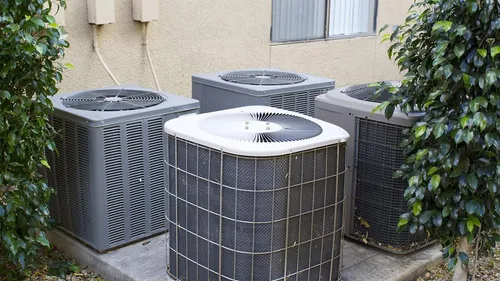
Interstate Heating and Air Conditioning
14724 Grover St, Omaha, NE 68144
Interstate Heating and Air Conditioning is a Lennox Premier Dealer providing a wide range of HVAC services in Omaha, NE. They specialize in furnace and air conditioning repair, installation, and maintenance, including mini-split and geothermal heat pump systems. The company has been serving the Omaha community since 1961, offering expertise in energy-efficient Lennox products and 24/7 emergency support. Their technicians handle everything from system tune-ups to indoor air quality solutions, ensuring comprehensive home comfort services.
How Geothermal Systems Work in Iowa's Climate
The core principle of a geothermal system is remarkably simple: it exchanges heat with the ground, which maintains a nearly constant temperature year-round. Below the frost line, Iowa soil remains at a steady 50°F regardless of the summer heat or winter chill above ground. A geothermal heat pump leverages this stable resource.
Here's the basic process:
- Heat Exchange: A mixture of water and antifreeze circulates through a loop of pipes buried in your yard, known as the ground loop.
- Winter Heating: In heating mode, the fluid absorbs the earth's warmth. This warm fluid is pumped to the indoor heat pump unit, which concentrates the heat and distributes it through your home's ductwork.
- Summer Cooling: In cooling mode, the system reverses. It extracts heat from your home, transfers it to the fluid in the loop, and disperses it into the cooler ground.
This process is so efficient because the system is moving existing heat rather than generating it through combustion, like a furnace does. This allows a ground-source heat pump to deliver 3 to 4 units of heat for every 1 unit of electricity it consumes, achieving 300-400% efficiency.
Types of Ground Loops for Your Property
The design of the buried ground loop is critical and depends entirely on your land's characteristics. A qualified installer will assess your site to recommend the best option.
Horizontal Loop This is often the most cost-effective choice if you have sufficient space. Contractors dig trenches, typically 4 to 6 feet deep, and lay pipes in a series of parallel rows. This method requires a larger, clear area of land but generally involves lower excavation costs than drilling 1 2.
Vertical Loop For homes with smaller lots or rocky soil, vertical loops are the standard solution. Installers use a drilling rig to bore holes 100 to 400 feet deep. U-shaped pipes are inserted into each borehole, and the holes are grouted. This method minimizes landscape disruption and is ideal for urban or suburban properties in Council Bluffs.
Pond/Lake Loop If you have a suitable, deep body of water on your property, this can be an excellent option. Coils of pipe are submerged at the bottom of the pond or lake. The water acts as an excellent heat exchange medium, and installation costs can be lower as extensive trenching or drilling is avoided 3 4.
Open Loop System This system uses groundwater directly. It pumps water from a well, runs it through the heat pump to exchange heat, and then discharges it to a second well, pond, or stream. While potentially very efficient, it requires an adequate water supply, proper discharge, and often specific local permits.
The Installation Process: What to Expect
Installing a residential geothermal system is a significant project that requires expert planning and execution. Understanding the steps can help you prepare.
- Site Evaluation and System Design: A certified installer will conduct a detailed assessment of your property, home size, heating/cooling loads, and soil conditions. This data is used to design a custom system with the correctly sized heat pump and loop field 5.
- Loop Field Installation: This is the major outdoor work. For a horizontal system, excavators will dig the necessary trenches. For a vertical system, a drilling rig will be brought in to create the boreholes. The high-density polyethylene pipes are then laid or inserted and connected into a continuous loop 6.
- Indoor Unit Installation: The geothermal heat pump unit, which is about the size of a traditional furnace, is installed in your basement, utility room, or garage. It is connected to the ground loop and to your home's existing ductwork or hydronic distribution system 7.
- System Charging and Commissioning: The loop is filled with the heat-transfer fluid, purged of air, and pressurized. The entire system is then tested for leaks and performance. Finally, the thermostat is set, and the installer will walk you through the system's operation.
Find the perfect geothermal heat pump contractors for your needs
Get personalized recommendations and expert advice
Long-Term Benefits and Savings
The upfront investment for a geothermal system is higher than for a conventional HVAC system, primarily due to the cost of drilling or trenching. However, the long-term financial and comfort benefits are substantial.
Dramatically Lower Operating Costs Geothermal heat pumps are the most efficient heating and cooling technology available. By harnessing the earth's free thermal energy, they can reduce your energy consumption for heating and cooling by 30% to 70% compared to conventional systems 8 9 10. Some reports indicate they can use up to 80% less energy than a traditional furnace 11. For a typical home, this can translate to annual savings of over $1,000 on energy bills when switching from fossil fuels 8.
Fast Payback and Valuable Incentives The combination of massive utility savings and available financial incentives creates a compelling payback period. Many homeowners find the initial investment is recouped through savings in 5 to 10 years. Key incentives can include:
- Federal Tax Credits: A significant federal tax credit for qualified geothermal heat pump installations may be available, which can directly reduce your tax liability.
- Local Utility Rebates: Always check with MidAmerican Energy or other local utilities for any special rebates or incentives for installing high-efficiency geothermal systems.
Quiet, Reliable, and Low-Maintenance Comfort Unlike air-source heat pumps or air conditioners, there is no noisy outdoor condenser unit. The system operates very quietly. With fewer mechanical parts exposed to the elements and the ground loop warrantied for decades, geothermal systems are known for their exceptional durability and require minimal maintenance-usually just an annual check of the indoor unit and fluid levels 12.
Is a Geothermal System Right for Your Council Bluffs Home?
Geothermal is an excellent option for many, but not all, properties. It's ideal for homeowners who:
- Plan to stay in their home long enough to realize the savings payback.
- Are replacing an old, inefficient HVAC system or building a new home.
- Have suitable land for a horizontal loop or acceptable conditions for vertical drilling.
- Prioritize long-term savings, comfort, and reducing their carbon footprint.
The first step is a professional consultation. A reputable local installer can provide a detailed site survey, explain the options for your specific property, and give you a clear estimate of costs, savings, and available incentives.
Frequently asked questions
Sources
Footnotes
-
5 Key Steps To Install A Residential Geothermal System - https://geo-us.com/blog/residential-geothermal-system-step-by-step/ ↩
-
Ground source heat pumps: horizontal collectors Vs. vertical boreholes - https://www.mesh-energy.com/insights/ground-source-heat-pumps-horizontal-collectors-vs-vertical-boreholes ↩
-
Geothermal Heating, Cooling, and Hot Water Systems - https://igshpa.org/wp-content/uploads/Homeowners-Guide-to-Geothermal.pdf ↩
-
Geothermal heating & cooling, heat pumps, heat exchange ... - https://aztechgeo.com/residential-geothermal/how-it-works/ ↩
-
Geothermal Heat Pumps | WBDG - https://www.wbdg.org/resources/geothermal-heat-pumps ↩
-
What Is Geothermal? - https://www.iowageothermal.org/what-is-geothermal/ ↩
-
How a Geothermal Heat Pump Works | This Old House - https://www.youtube.com/watch?v=d5Tbsx3R2T8 ↩
-
Geothermal Heating and Cooling - Open Energy Information - https://openei.org/wiki/GeoBridge/Heating_and_Cooling ↩ ↩2
-
Geothermal Heat Pumps - Department of Energy - https://www.energy.gov/energysaver/geothermal-heat-pumps ↩
-
Clean Energy 101: Geothermal Heat Pumps - RMI - https://rmi.org/clean-energy-101-geothermal-heat-pumps/ ↩
-
5 Things You Should Know about Geothermal Heat Pumps - https://www.energy.gov/cmei/articles/5-things-you-should-know-about-geothermal-heat-pumps ↩
-
Geothermal Heat Pumps: Efficient Comfort & Lower Energy Bill - https://bellbrothers.com/blog/geothermal-heat-pumps ↩