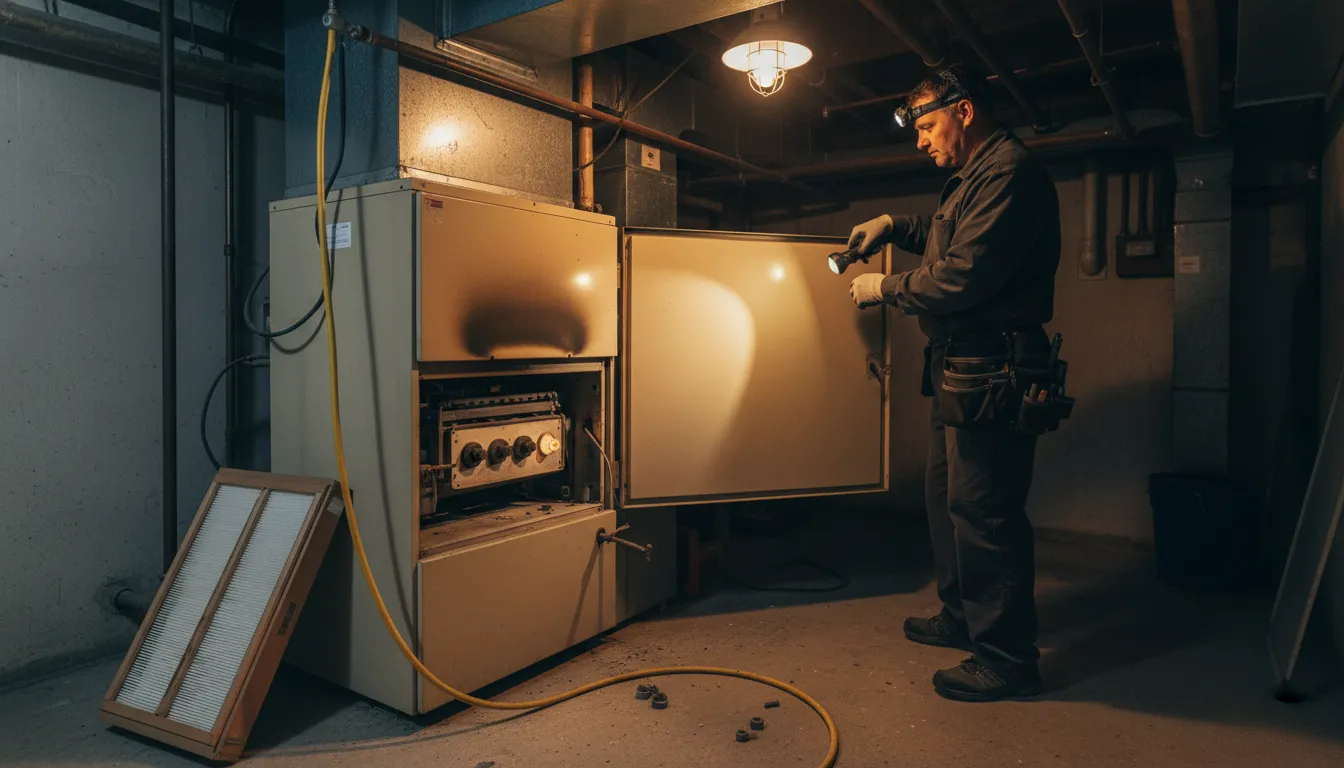
Find the Best Furnace Repair Companies for Your Business
No obligation • Fast responses • Nationwide coverage

Why you can trust HVAC Firms
HVAC Firms is a leading United States resource for evaluating HVAC service providers. Our team researches companies, checks credentials, and reviews customer feedback to present clear, unbiased information. Listings and rankings are based on merit, and companies cannot pay to change our editorial content.
Search providers near you
Top Furnace Repair Companies in El Paso, Texas Ranked
When the winter chill descends on El Paso, a reliable heating system is essential for comfort and safety. Furnace repair is the specialized service of diagnosing and fixing malfunctions in your home's heating unit, ensuring it operates efficiently and safely. This process matters because a faulty furnace can lead to uncomfortable cold, skyrocketing energy bills, and, in some cases, serious safety hazards like carbon monoxide leaks. This guide will help you understand common furnace problems, what to expect during a service call, and how to connect with qualified local technicians who can restore warmth to your home.
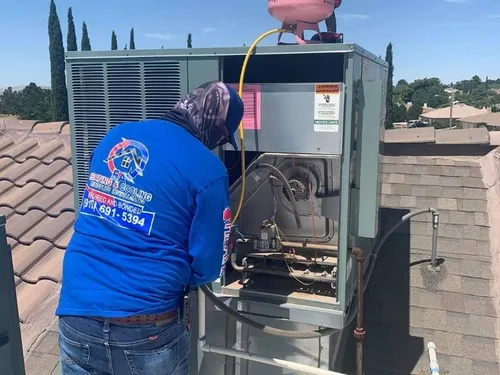
EA Heating and Cooling
6999 Market Ave B, El Paso, TX 79915
EA Heating and Cooling is an HVAC company serving residential and commercial customers in El Paso, TX. With over 10 years of experience, they provide a range of services including air conditioning and furnace repair, installation of HVAC systems and mini splits, duct cleaning, thermostat installation, and refrigeration repair. They also offer mobile cooler and freezer rentals for events and specialize in converting properties to refrigerated air. Their technicians are trained to deliver work that meets industry standards and ensure HVAC systems operate efficiently year-round.
Texas Summer
14689 Desert Loop, El Paso, TX 79938
Texas Summer is an HVAC company based in El Paso, TX, offering a wide range of services including air conditioning, furnace, and heat pump repair and installation. They work with various systems such as rooftop units, split systems, mini splits, CRAC units, and propane and natural gas furnaces. The company also provides carbon monoxide testing, equipment upgrades, and refrigeration air conversion. Texas Summer is accredited by the Better Business Bureau, reflecting their commitment to ethical business practices and customer satisfaction.
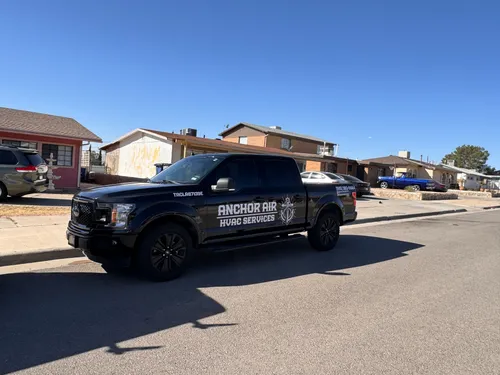
Anchor Air
7606 Boeing Dr, El Paso, TX 79925
Anchor Air is a veteran-owned HVAC company based in El Paso, TX, offering heating, cooling, and indoor air quality services for both residential and commercial clients. Their services include AC and furnace installation and repair, HVAC tune-ups, ducting, and refrigerated air conversions. With over 20 years of experience, Anchor Air has installed more than 1,000 systems and employs a team of expert professionals dedicated to energy-efficient upgrades and airflow optimization. The company emphasizes integrity and precision in every project.
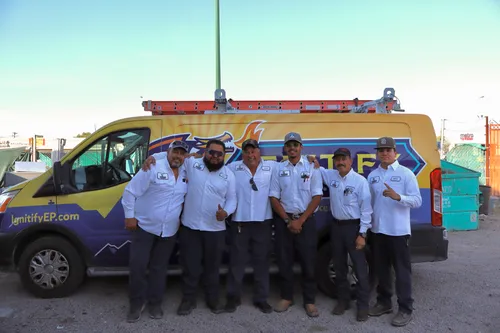
Ignitify HVAC
7884 Montecito Rd, El Paso, TX 79915
Ignitify HVAC provides residential and commercial HVAC services in El Paso, TX. They offer air conditioning and furnace repair, installation, and tune-up services, including commercial refrigeration equipment repair. The company emphasizes clear communication and treats each job with care. Their technicians are certified and knowledgeable, ensuring customers understand the work being done. Ignitify HVAC also offers flexible financing options to assist homeowners with upgrades. They provide after-hours service, including midnight calls, demonstrating availability beyond regular business hours.
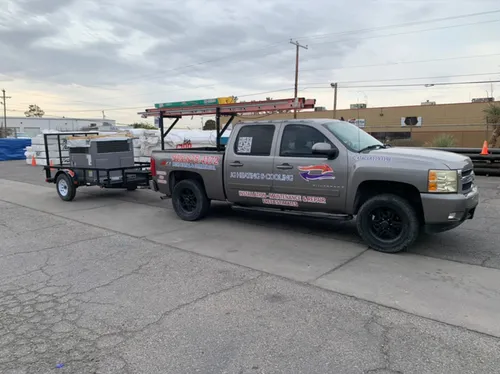
JG Heating & Cooling
2324 Sun Seeker, El Paso, TX 79938
JG Heating & Cooling is a family-owned HVAC company serving El Paso, TX. They provide installation, maintenance, and repair services for air conditioners, furnaces, heat pumps, and indoor air quality systems. With over 15 years of experience, they offer specialized capabilities such as UV light air purification installation, which helps eliminate mold, bacteria, and odors while improving indoor air quality and system efficiency. The company is fully licensed, bonded, and insured, and has built its reputation on customer referrals and local trust.
Common Furnace Problems in El Paso Homes
El Paso's climate, with its cool winters, means furnaces can sit idle for months before being called into action. This period of inactivity can lead to specific issues when you first turn on your heat. Recognizing the signs of a malfunctioning heater is the first step toward a solution.
- No Heat or Weak Heat: This is the most obvious sign of trouble. The furnace may not start at all, or it may run but blow lukewarm or cool air. This is often one of the simpler heating system fixes, frequently linked to issues like a dirty air filter, a faulty thermostat, or a broken ignitor.
- Strange Odors: A brief smell of burning dust when you first start the furnace after a long break is normal as accumulated debris burns off. However, persistent burning smells or the distinct scent of rotten eggs (added to natural gas as a safety measure) indicate a serious problem. A rotten egg smell signals a potential gas leak, which requires you to shut off the furnace immediately, leave your home, and call for emergency service from a safe location.
- Unusual Noises: Furnaces should operate relatively quietly. Banging, screeching, rattling, or rumbling sounds are not normal. These noises can point to a variety of issues, from a loose component inside the blower assembly to a more serious problem like a cracked heat exchanger.
- Yellow or Flickering Burner Flame: A healthy natural gas furnace flame should be a steady blue color. If you inspect your burner (through the view port) and see a yellow, orange, or flickering flame, it often indicates improper combustion. This can produce carbon monoxide (CO), a deadly, odorless gas. If you see this, turn off the furnace and contact a professional immediately.
- Frequent Cycling: If your furnace is constantly turning on and off (short cycling), it's working inefficiently and putting extra wear on components. This can be caused by an oversized unit, a clogged filter, or a malfunctioning thermostat.
The Furnace Repair Process: What to Expect
Knowing what happens when you schedule a furnace service call can make the process less stressful. Reputable HVAC technicians follow a systematic approach to diagnose and resolve your heating issue.
- Initial Contact & Scheduling: You'll call a local El Paso heating repair company. Many offer same-day or next-day service for urgent issues, especially during cold snaps. Be prepared to describe the symptoms (e.g., no heat, strange smell) and provide your furnace's make and model if known.
- Arrival and Preliminary Check: The technician will arrive and begin with a series of basic checks. This includes verifying the furnace has power, checking the thermostat settings and batteries, inspecting the air filter, and listening for any audible error codes from the control board 1 2.
- System Diagnosis: This is the core of the furnace repair service. The technician will perform a visual inspection and use specialized tools to test critical components. They will examine the ignitor, burners (checking for that crucial blue flame), flame sensor, blower motor, and, most importantly, the heat exchanger for any signs of cracks or damage.
- Explanation and Quote: Once the problem is identified, the technician will explain the faulty component, why it failed, and how to fix it. You will receive a detailed quote that includes the cost of replacement parts and labor. A trustworthy technician will discuss all your options.
- Repair Execution: With your approval, the technician will complete the repair. Timelines vary widely. A simple part swap, like a flame sensor or ignitor, can often be completed in 30 to 60 minutes. More complex repairs, such as replacing a blower motor or addressing a cracked heat exchanger, can take several hours or may require a follow-up visit if special-order parts are needed.
Find the perfect furnace repair companies for your needs
Get personalized recommendations and expert advice
Understanding Repair Timelines and Costs
The time and cost to fix your furnace depend entirely on the nature of the problem. Simple electrical or component failures are typically quick and less expensive, while mechanical failures or safety-critical issues are more involved.
Common Repair Timelines:
- Quick Fixes (Under 2 Hours): Issues like a dirty flame sensor, a faulty thermostat, a tripped limit switch, or a clogged filter often fall into this category. The technician can usually diagnose and resolve these during a standard service call.
- Moderate Repairs (2-4 Hours): Replacing common wear-and-tear parts like the hot surface ignitor (one of the most common parts to fail), the inducer motor, or the blower motor requires more labor and typically takes a few hours.
- Major Repairs (Several Hours to Days): The most time-consuming repair is addressing a cracked heat exchanger. Due to the complexity of accessing and replacing this core safety component, this job can take a full day or more. In many cases, especially with older furnaces, a full system replacement is recommended instead of this costly repair 3.
Estimated Cost Ranges in El Paso: It's important to note that prices can vary based on the furnace brand, part availability, and the company's labor rates. The following are general estimates for common repairs 4 5 6:
- Thermostat Replacement or Filter-Related Service: $100 - $300
- Ignitor or Flame Sensor Replacement: $200 - $400
- Blower Motor Replacement: $400 - $800
- Cracked Heat Exchanger Repair/Replacement: $1,000 - $3,000+ (Often leads to the recommendation of a full furnace replacement)
Safety First: Addressing Critical Furnace Hazards
Some furnace problems are more than an inconvenience-they are immediate safety threats. Never ignore these warning signs:
- Gas Leak (Rotten Egg Smell): As mentioned, this is an emergency. Evacuate and call your gas company and a professional from outside your home.
- Carbon Monoxide (CO) Risk: A yellow burner flame, soot around the furnace, or symptoms like headaches and nausea in the home are red flags. Install CO detectors on every level of your home and have your furnace inspected annually to prevent CO production 7.
- Cracked Heat Exchanger: This is a critical failure. The heat exchanger separates the combustion gases from your home's breathable air. A crack can allow deadly carbon monoxide and other combustion byproducts to leak into your air supply. If a technician identifies this issue, they will recommend shutting down the furnace until it is repaired or replaced.
Maintaining Your Furnace to Prevent Repairs
The best furnace repair is the one you never need. Proactive maintenance is key to extending the life of your system, improving its efficiency, and preventing unexpected breakdowns.
- Change Air Filters Regularly: This is the simplest and most effective maintenance task. A clogged filter restricts airflow, forcing your furnace to work harder, which can lead to overheating and component failure. Check your filter monthly and change it at least every 90 days.
- Schedule Annual Professional Tune-Ups: Before each heating season, have a certified technician perform a comprehensive inspection and cleaning. This service typically includes checking all electrical connections, cleaning the burners and flame sensor, testing safety controls, and verifying proper combustion. This can catch small problems before they turn into costly repairs 8 9.
- Keep Vents and Registers Clear: Ensure furniture, rugs, or curtains are not blocking your home's supply and return air vents. Obstructed airflow strains the furnace.
- Clear the Area Around the Furnace: Keep the space around your indoor furnace unit clean and free of stored items like boxes, paint, or flammable materials to ensure proper ventilation and safe access for service.
Frequently asked questions
Sources
Footnotes
-
6 Important Things to Check Before Scheduling a Service Call - https://acmasters.com/6-things-to-check-before-scheduling-a-service-call/ ↩
-
[FREE] What is the first step a service technician should take ... - Brainly - https://brainly.com/question/37666843 ↩
-
How Long Does It Usually Take to Repair a Furnace?. - https://www.tcmemt.com/post/how-long-does-it-usually-take-to-repair-a-furnace ↩
-
Cracked Heat Exchanger: What Does It Mean? - Trane - https://www.trane.com/residential/en/resources/troubleshooting/gas-furnaces/cracked-heat-exchanger/ ↩
-
What Is The Most Common Part to Fail on a Furnace? - https://www.myqualitycomfort.com/general/what-is-the-most-common-part-to-fail-on-a-furnace/ ↩
-
What to Do If Your Furnace Has a Cracked Heat Exchanger - Lennox - https://www.lennox.com/residential/lennox-life/consumer/furnace-cracked-heat-exchanger ↩
-
Furnace Repair Guide: Signs & Service in El Paso - https://www.onewayelpaso.com/blog/entry/furnace-repair-el-paso ↩
-
Heating Repairs in El Paso | Same-Day Repair Services - https://coolelpaso.com/heating-repairs/ ↩
-
Furnace Repair & Replacement - El Paso, TX - https://www.sobellas.com/furnace-repair-or-replacement/ ↩