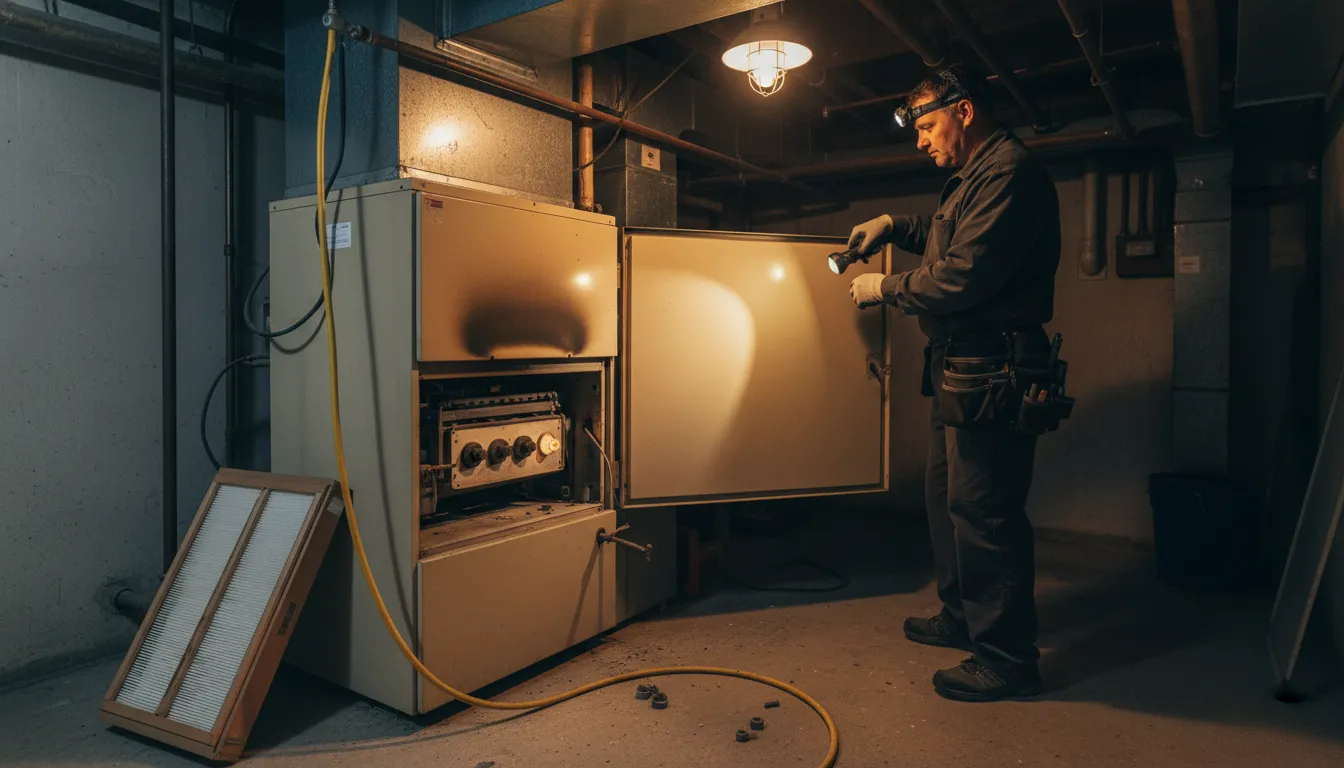
Find the Best Furnace Repair Companies for Your Business
No obligation • Fast responses • Nationwide coverage

Why you can trust HVAC Firms
HVAC Firms is a leading United States resource for evaluating HVAC service providers. Our team researches companies, checks credentials, and reviews customer feedback to present clear, unbiased information. Listings and rankings are based on merit, and companies cannot pay to change our editorial content.
Search providers near you
Top Furnace Repair Companies in Las Vegas, Nevada Ranked
When the temperature drops in Las Vegas, a reliable heating system is essential for comfort and safety. Furnace repair involves diagnosing and fixing issues with your home's heating unit to restore warmth and efficiency. This service is critical because a malfunctioning furnace can lead to cold homes, higher energy bills, and even safety hazards like carbon monoxide leaks. For Las Vegas residents, finding a qualified local professional to address heating problems quickly is the best way to ensure your system is restored to proper working order.
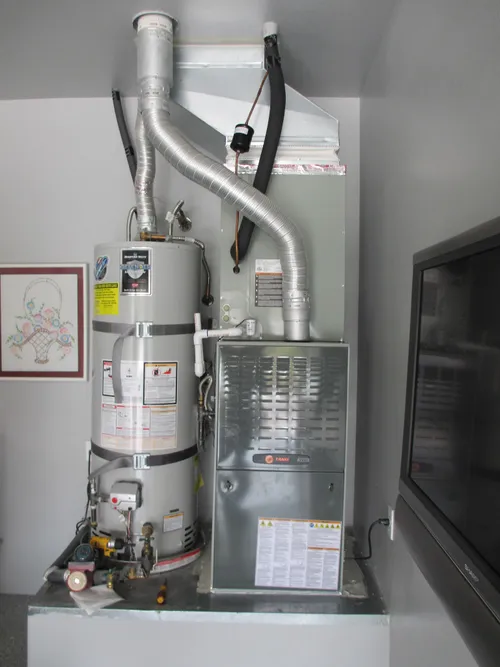
Sun Country Heating & Cooling
6394 Montessouri St. suite a, Las Vegas, NV 89113
Sun Country Heating & Cooling is an HVAC company based in Las Vegas, NV, offering a full range of heating and cooling services. Their expertise includes air conditioning repair, furnace installation and repair, mini-split installation, and HVAC tune-ups. As a Trane Comfort Specialist, they install and maintain systems from a leading manufacturer, ensuring efficient and reliable home comfort. The company provides 24/7 emergency repair services to address urgent HVAC issues promptly.
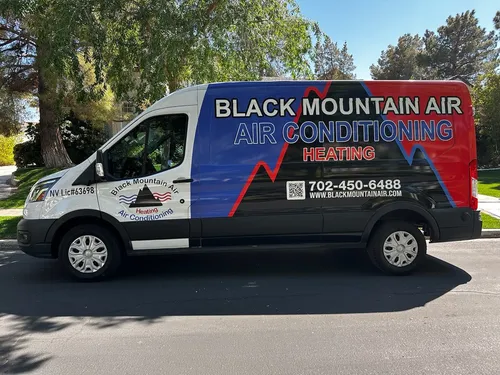
Black Mountain Air
660 Middlegate Rd, Henderson, NV 89011
Black Mountain Air is a family-owned HVAC company serving residential and commercial clients in Las Vegas, NV. They offer a wide range of heating and cooling services including air conditioner and furnace repair, installation, maintenance, and ductless mini-split system installation. Their technicians are licensed, insured, and trained to handle various HVAC brands and models. With over 10 years of experience, Black Mountain Air provides service throughout the Las Vegas Valley and surrounding areas, focusing on transparent pricing and customer education.
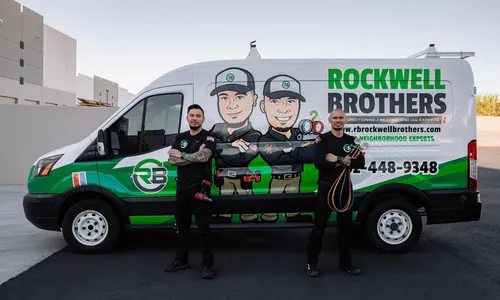
RB Rockwell Brothers Air Conditioning / Heating and IAQ Experts
3325 W Ali Baba Ln #609, Las Vegas, NV 89118
RB Rockwell Brothers Air Conditioning / Heating and IAQ Experts serves homeowners in Las Vegas, NV, with a range of HVAC services. They provide AC repair, installation, furnace repair, and seasonal maintenance. Their services also include duct cleaning, sealing, and filtration upgrades to improve indoor air quality by reducing dust and allergens. The company offers expert advice on HVAC maintenance and indoor air quality to help customers make informed decisions about their home comfort.
Sun City
6394 Montessouri St. b, Las Vegas, NV 89113
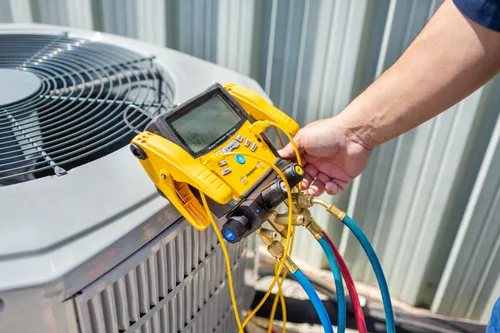
Sun City is a family-owned heating and cooling company serving Las Vegas, NV. They provide repair and maintenance services for all makes and models of air conditioners and furnaces. Their offerings include duct cleaning to improve indoor air quality by removing obstructions and pollutants from ductwork. Established in 1976, Sun City brings decades of experience to HVAC service in the area.
We Care Air
10317 Horseback Ridge Ave, Las Vegas, NV 89144
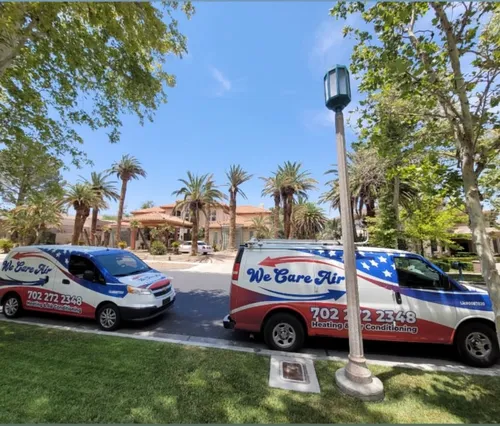
We Care Air is a family-owned HVAC company serving North Las Vegas, NV, with over 13 years of experience. They provide a wide range of heating and cooling services including AC and furnace repair, installation, and maintenance for both residential and commercial clients. Their capabilities include installing and servicing Aquatherm hydronic heating systems, offering energy-efficient heating solutions. The company operates 24/7 to handle HVAC emergencies and ensure year-round comfort.
Understanding Your Furnace System
Before diving into repair specifics, it helps to know what a furnace does. Essentially, it's the heart of your forced-air heating system, burning fuel (like natural gas) or using electricity to generate heat, which is then distributed throughout your home via ductwork. Common synonyms for this appliance include heater, heating unit, or HVAC system (when referring to the combined heating and cooling apparatus). Regular function is key, especially during Las Vegas's cooler winter nights.
Common Furnace Problems in Las Vegas
Even in a desert climate, furnaces work hard during winter months and are prone to specific failures. Recognizing the signs of trouble can help you describe the issue more accurately when contacting a professional.
Frequent Issues Include:
- Ignitor Failure: This is often cited as the most common part to fail on a furnace 1. The ignitor is responsible for lighting the gas burner. If it's faulty, your furnace won't produce heat.
- Clogged Air Filters: A dirty filter restricts airflow, causing the system to overwork. This can lead to overheating, reduced efficiency, and even cause the furnace to shut off as a safety precaution 2.
- Short Cycling: This is when your heater turns on and off too frequently. It's often a symptom of an overheating unit, a faulty flame sensor, or an improperly sized system.
- Pilot Light or Electronic Ignition Problems: For older furnaces, a pilot light that won't stay lit is a common issue. Newer models with electronic ignition can have similar failure points.
- Uneven Heating: If some rooms are cold while others are warm, it could point to ductwork issues, a failing blower motor, or problems with the furnace's heat exchanger.
The Furnace Repair Process: What to Expect
Knowing what happens during a service call can make the process less stressful. A standard furnace repair visit follows a logical sequence to diagnose and resolve your heating issue.
1. Initial Contact and Scheduling You'll call a local HVAC service provider and describe the problem-such as no heat, strange noises, or the system constantly running. Based on your description, they will schedule a service visit, often with options for emergency service if needed.
2. Diagnostic Fee and On-Site Assessment Upon arrival, the technician will typically charge a diagnostic fee, which in Las Vegas generally ranges from $75 to $200. This fee covers the time and expertise required to identify the problem and is frequently applied toward the cost of the subsequent repair. The first step a technician takes is a thorough troubleshooting process, which includes checking your thermostat settings, inspecting for error codes on the furnace control board, and examining visible components 3.
3. Troubleshooting and Repair The technician will systematically check key components: the air filter, burner assembly, flame sensor, ignitor, blower motor, and electrical connections. Once the faulty component is identified-be it a failed ignitor, a dirty sensor, or a worn-out belt-they will explain the issue and provide a repair estimate. The actual repair, such as replacing the ignitor or cleaning components, is then performed.
4. Completion and Testing After the fix, the technician will test the furnace to ensure it operates safely and efficiently. They will cycle the system on and off, check for proper ignition, and verify that warm air is flowing from all vents. Once you're satisfied, payment is processed, and it's an excellent time to discuss any recommended ongoing maintenance to prevent future breakdowns.
Repair Timelines and Cost Considerations
Two of the most common questions concern how long a repair will take and how much it will cost. While every job is unique, Las Vegas data provides helpful averages.
How Long Does Furnace Repair Take? For most common issues, you can expect the technician to be at your home for 1 to 4 hours 4. Simple fixes like replacing a standard ignitor or cleaning a flame sensor may be on the shorter end of that range. More complex jobs, such as repairing electrical wiring or replacing a blower motor, can take longer. It's important to budget the time accordingly.
What Are the Typical Costs? Costs are typically broken into two parts:
- Diagnostic/Service Call Fee: As mentioned, this averages $75 to $200 in the Las Vegas area.
- Repair Costs: The average repair bill for common furnace problems in Las Vegas falls between $160 and $400, with an average around $300. The final cost depends entirely on the part needing replacement and the labor involved.
A Note on Emergency Fees: If your heater breaks down outside of standard business hours-on a weekend, holiday, or late at night-most companies charge an emergency or after-hours service fee. These surcharges can add $100 to $300 or more to your total bill 5 6. Planning a repair during regular hours, when possible, can lead to significant savings.
Find the perfect furnace repair companies for your needs
Get personalized recommendations and expert advice
Proactive Steps Before You Call for Service
Before you pick up the phone for a heating repair, there are a few simple checks you can perform that might resolve the issue or at least provide valuable information to the technician.
- Check the Thermostat: Ensure it is set to "HEAT" and the temperature setting is above the current room temperature. If it's a programmable model, check the schedule.
- Inspect the Air Filter: A heavily clogged filter is a frequent culprit. Replace it if it's dirty, as this simple act can sometimes restore proper airflow and operation.
- Check the Circuit Breaker and Power Switch: Locate the furnace's power switch (it often looks like a light switch on or near the unit) and make sure it's on. Also, check your home's electrical panel for a tripped breaker dedicated to the furnace.
- Ensure Gas Supply is On: If you have a gas furnace, verify that the gas valve to the unit is in the "on" position.
- Look for a Visible Pilot Light: On older systems, see if the small blue pilot flame is lit. If it's out, you can attempt to relight it following the manufacturer's instructions on the unit.
- Note Any Error Codes: Modern furnaces often have a blinking LED light on the front panel. Count the blinks and reference your furnace's manual, or note the pattern for the technician 7.
These steps can help you rule out simple problems, but always err on the side of caution. If you smell gas, hear unusual banging or screeching noises, or are uncomfortable performing any check, contact a professional immediately.
Choosing the Right Service Provider in Las Vegas
Not all heating repair services are the same. When your comfort is on the line, consider these factors:
- Licensing and Insurance: Always verify that the company holds a valid Nevada contractor's license for HVAC work and carries proper insurance.
- Experience and Reviews: Look for established companies with proven experience in furnace repair. Online reviews and testimonials can offer insight into reliability and customer service.
- Upfront Pricing: A reputable provider should be transparent about diagnostic fees, hourly rates, and part costs before beginning work.
- Warranties: Ask about warranties on both parts and labor for the repair performed.
The Importance of Regular Maintenance
The best way to avoid unexpected and costly furnace repairs is through annual preventative maintenance. A routine tune-up before the heating season can identify worn parts, clean critical components, and ensure your system runs at peak efficiency. This not only improves reliability but can also extend the lifespan of your entire heating system and lower your monthly energy bills.
Frequently asked questions
Sources
Footnotes
-
What Is The Most Common Part to Fail on a Furnace? - https://www.myqualitycomfort.com/general/what-is-the-most-common-part-to-fail-on-a-furnace/ ↩
-
Most Common HVAC Breakdowns During Winter in Las Vegas - https://nrs.vegas/blog/air-conditioners/most-common-hvac-breakdowns-during-winter-in ↩
-
[FREE] What is the first step a service technician should take ... - Brainly - https://brainly.com/question/37666843 ↩
-
How Long Does It Usually Take to Repair a Furnace?. - https://www.tcmemt.com/post/how-long-does-it-usually-take-to-repair-a-furnace ↩
-
Furnace Repair Las Vegas - Nevada Residential Services - https://nrs.vegas/hvac-services/heating/furnace-repair ↩
-
HVAC Maintenance Las Vegas 2026 Guide - Pure Plumbing - https://www.pureplumbinglv.com/hvac-maintenance-las-vegas-2026-guide/ ↩
-
6 Important Things to Check Before Scheduling a Service Call - https://acmasters.com/6-things-to-check-before-scheduling-a-service-call/ ↩