Find the Best Furnace Installation & Replacement Contractors for Your Business
No obligation • Fast responses • Nationwide coverage

Why you can trust HVAC Firms
HVAC Firms is a leading United States resource for evaluating HVAC service providers. Our team researches companies, checks credentials, and reviews customer feedback to present clear, unbiased information. Listings and rankings are based on merit, and companies cannot pay to change our editorial content.
Search providers near you
Top Furnace Installation & Replacement Contractors in Gary, Indiana Ranked
A reliable heating system is essential for comfort and safety during Gary's cold winters. Furnace installation and replacement is a significant home investment that directly impacts your energy bills and indoor air quality. This guide will help you understand your options, the process, and what to look for in a local heating service provider, so you can make an informed decision for your home.
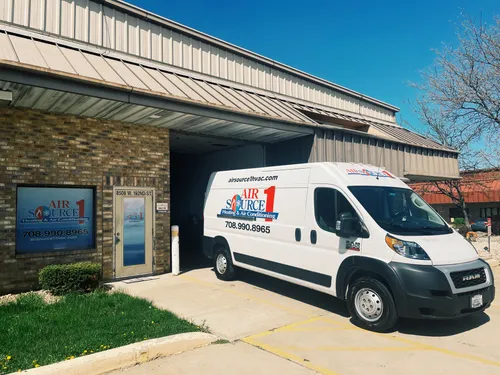
Air Source 1 Heating & Air Conditioning
8508 W 192nd St, Mokena, IL 60448
Air Source 1 Heating & Air Conditioning is a family-owned HVAC contractor based near Chicago, IL, serving Mokena and the surrounding South Chicagoland and Northwest Indiana areas. Since 2014, they have specialized in heating and cooling installation, repair, maintenance, indoor air quality services, and sheet metal fabrication. The company offers 24/7 emergency repair services and works with reputable brands like RUUD to provide quality HVAC systems tailored to customer needs. Owner Tim brings over 15 years of hands-on experience, ensuring skilled and dedicated service on every job.
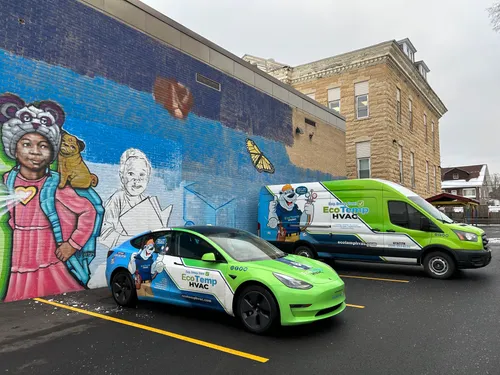
Eco Temp HVAC
1210 S Indiana Ave APT 4611, Chicago, IL 60605
Eco Temp HVAC is a Chicago, IL-based company specializing in heating and cooling services. They offer installation, repair, and maintenance for air conditioners, furnaces, boilers, ductless mini split systems, and thermostats. The company also provides indoor air quality solutions and professional air duct cleaning. Eco Temp HVAC is certified by American Standard, Mitsubishi, and Navien, and has been serving the Chicago area since 2016. They provide 24/7 availability, ensuring assistance is always accessible for urgent HVAC needs.
City & Suburban Heating & Cooling
1225 N Cleaver St, Chicago, IL 60642
City & Suburban Heating & Cooling is a family-owned HVAC company serving Chicago, IL. Established in 1952, they provide a wide range of heating and cooling services including installation, repair, and maintenance of furnaces, air conditioners, heat pumps, boilers, and ductless systems. Their expertise extends to indoor air quality solutions such as humidifiers, dehumidifiers, and duct maintenance. The company offers emergency HVAC services daily until midnight except Sundays, ensuring timely support for urgent needs. Their licensed and NATE-certified technicians focus on safe, efficient, and reliable system performance for both residential and commercial clients.
Siemer Heating, Cooling & Plumbing
400 Kennedy Ave, Schererville, IN 46375
Siemer Heating, Cooling & Plumbing is an HVAC company serving Chicago, IL, and surrounding communities. They provide a range of services including air conditioning and furnace repair, installation, and HVAC tune-ups. As a Carrier Factory Authorized Dealer with over 30 years of experience since 1987, they employ NATE certified technicians who are licensed, bonded, and insured. Siemer offers preventive maintenance through their Preferred Customer Program and is recognized for technical expertise and customer care.
Earl's Heating & Air Conditioning
5050 W 81st Ave, Schererville, IN 46375
Earl's Heating & Air Conditioning is an HVAC company serving Chicago, IL, and surrounding areas including Lake and Porter Counties. Established in 1976, the company provides heating and air conditioning repair, installation, and maintenance services. They specialize in quality equipment installations and regular HVAC tune-ups to ensure efficient operation and longevity of systems. Earl's is a recognized Trane Comfort Specialist since 2001, offering expertise with Trane products and maintaining a strong commitment to customer satisfaction.
Understanding Furnace Types for Gary Homes
Choosing the right furnace begins with understanding the available fuel sources and efficiency ratings, known as Annual Fuel Utilization Efficiency (AFUE) 1. The local climate and fuel availability make some options more practical than others for Gary residents.
Natural Gas Furnaces: The Most Common Choice
Natural gas furnaces are the most popular and cost-effective heating choice in the United States, including Indiana 2. They are favored for their efficiency and relatively low operational costs compared to other fuels. Modern high-efficiency natural gas models can achieve AFUE ratings up to 98%, meaning nearly all the fuel is converted into usable heat for your home 2. Given the widespread availability of natural gas lines in the area, this is often the most practical and economical option for homeowners.
Electric Furnaces
Electric furnaces typically have a lower upfront installation cost but can lead to higher operating expenses in cold climates like Gary's. This is due to electricity prices often being higher than natural gas rates per unit of heat produced 3. They produce no onsite emissions and are a viable alternative for homes without access to a natural gas line, but the long-term heating costs in winter should be carefully considered.
Oil and Propane Furnaces
These options are less common but serve specific needs.
- Oil Furnaces: These provide powerful heating but require an onsite storage tank and more frequent maintenance to manage soot and ash buildup 4. They are less common in Indiana but may be found in older homes.
- Propane Furnaces: Operating similarly to natural gas models, propane furnaces are an efficient alternative for rural areas where natural gas service is unavailable. Homeowners must manage the delivery and storage of propane fuel.
Operational Stages: From Basic to Premium Comfort
Beyond fuel type, furnaces are categorized by how they operate, which affects temperature consistency, efficiency, and noise levels.
- Single-Stage Furnaces: These units operate at 100% capacity whenever they turn on. This can lead to more noticeable temperature swings and slightly less efficiency, as the system frequently cycles on and off at full blast 5 6.
- Two-Stage Furnaces: Offering a high and a low setting, two-stage furnaces provide more consistent heating. They can run on the low setting for longer periods, maintaining steady temperatures, improving comfort, and often increasing efficiency 7.
- Modulating/Variable-Speed Furnaces: This premium option continuously adjusts its heat output and fan speed to match your home's exact heating needs. It provides the highest level of comfort, the best temperature consistency, and maximizes energy efficiency, though it comes with a higher initial cost 8.
Key Considerations for Gary's Climate
Gary's significant heating demand during winter months makes specific factors crucial for your furnace selection and installation.
- Prioritize High Efficiency: Investing in a high-efficiency furnace (90% AFUE or higher) is strongly recommended. The energy savings over the system's lifespan can be substantial, helping to offset the higher purchase price while ensuring reliable warmth 9 10.
- Accurate System Sizing is Critical: A furnace that is too large will short-cycle (turn on and off frequently), wasting energy and causing wear. One that is too small will struggle to heat your home. A proper professional installation includes a Manual J heat load calculation, which considers your home's square footage, insulation levels, window quality, and more to determine the precise BTU capacity needed.
- Evaluate Your Existing Ductwork: An older home's duct system may need sealing, insulation, or modifications to work efficiently with a new, modern furnace. A technician should inspect your ducts as part of the assessment.
The Professional Installation Process: What to Expect
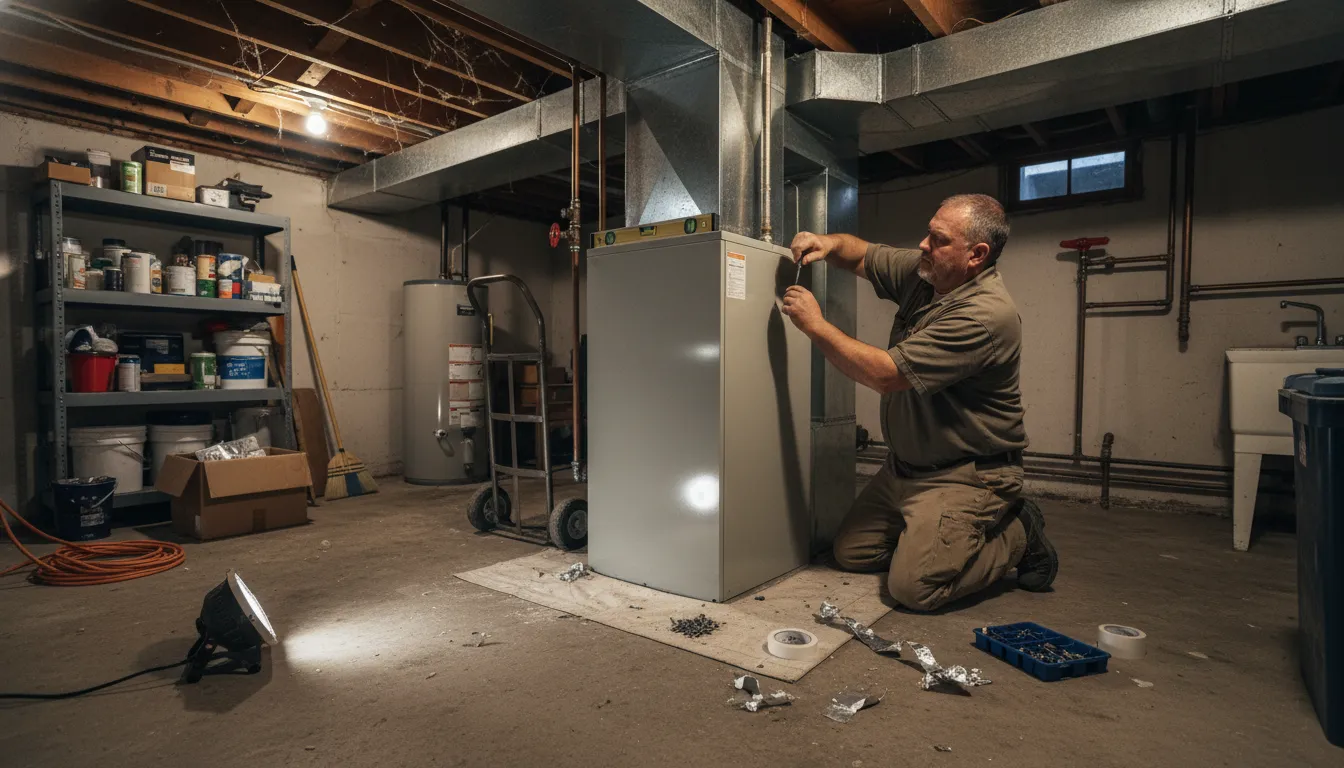
A professional furnace installation ensures safety, efficiency, and compliance with local building codes. Here's a step-by-step overview of a typical installation day 11.
- Initial Assessment and Preparation: The technician will review the planned installation, confirm the new unit's placement, and prepare the work area with drop cloths.
- Safe Removal of the Old Unit: The power and fuel supply (gas, oil, or electricity) to the old furnace are disconnected. The old unit is then carefully removed from your home.
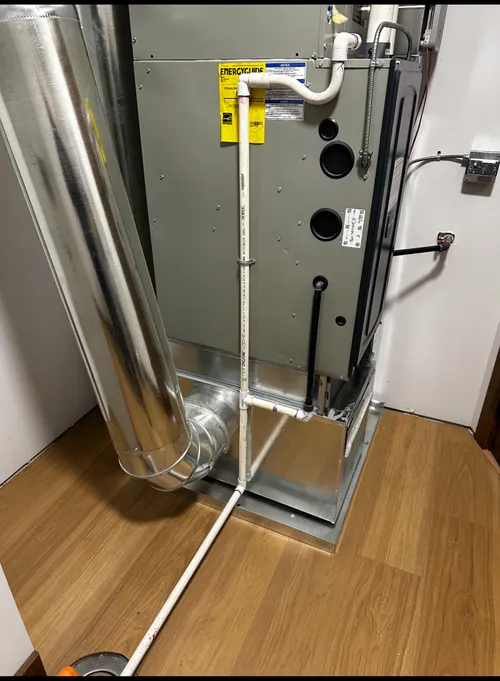
- New Furnace Installation: The new furnace is positioned, leveled, and secured. The technician connects it to the existing ductwork, installs new fuel lines and electrical connections, and sets up the proper venting system. High-efficiency condensing furnaces require special PVC venting 12.
- System Testing and Calibration: This is a vital step. The technician will test for gas leaks (if applicable), check ignition, verify proper airflow, calibrate the burner, and ensure all safety controls are functioning correctly 13 14.
- Homeowner Orientation and Cleanup: The installer will start the system, show you how to operate your thermostat, explain basic maintenance like filter changes, and answer your questions. Finally, they will clean the work area and remove all old equipment and debris 15 16.
Find the perfect furnace installation & replacement contractors for your needs
Get personalized recommendations and expert advice
Understanding Furnace Installation Costs in Gary
The total cost for a new furnace installation in the Gary area varies based on the unit's efficiency, operational stage, and complexity of the installation. Typical installed costs range from $2,800 to over $6,500 17.
- Standard Efficiency (80% AFUE): Approximately $2,800 - $4,200 installed.
- Mid-Efficiency (92-95% AFUE): Approximately $3,600 - $5,200 installed.
- High Efficiency (96-98% AFUE, two-stage/modulating): Approximately $4,800 - $6,500 installed.
These estimates generally include the equipment and standard labor. Additional costs may apply for necessary upgrades like new PVC venting for high-efficiency models ($300-$600), complex ductwork modifications, or updated electrical work 18 19. Always ask installers for a detailed, written estimate that breaks down equipment, labor, and any potential additional fees. It's also wise to inquire about available manufacturer rebates or utility company incentives that can help lower the overall cost 20.
Signs You May Need a Furnace Replacement
Knowing when to replace an aging furnace can prevent a mid-winter breakdown. Look for these key indicators:
- Age of the System: Most furnaces have a lifespan of 15-20 years. If yours is approaching or exceeding this age, replacement should be considered.
- Rising Energy Bills: A gradual increase in heating costs, assuming rates haven't spiked, often signals declining efficiency.
- Frequent Repairs: If you're calling for repairs multiple times a season, the cumulative cost may justify investing in a new, reliable unit.
- Uneven Heating: Rooms that are consistently too cold or too hot can indicate a failing furnace or inadequate ductwork.
- Unusual Noises or Odors: Loud banging, screeching, or rattling, or persistent dusty or metallic smells, are signs of serious mechanical issues.
Preparing for Your Installation Project
A little preparation can ensure the installation process goes smoothly:
- Clear the Work Area: Ensure the technician has clear access to the furnace (usually in a basement, utility closet, or garage) and the path to the outside.
- Secure Pets and Children: Keep them in a separate, safe area away from the work zone for their safety and to allow the technicians to work efficiently.
- Ask Questions: Be prepared to discuss your thermostat preferences, filter location, and any specific concerns about noise or airflow with your installer 21.
Frequently asked questions
Sources
Footnotes
-
Types of Furnaces: Gas, Electric, Oil & Propane | Bryant - https://www.bryant.com/en/us/products/gas-furnaces/types/ ↩
-
Furnaces | Carrier Residential - https://www.carrier.com/us/en/residential/furnaces/ ↩ ↩2
-
What Are the Different Types of Furnaces? - BlindandSons.com - https://www.blindandsons.com/blog/guide-on-types-of-furnaces ↩
-
Understanding the Different Types of Furnaces - https://www.tudi.com/news/understanding-the-different-types-of-furnaces/ ↩
-
The Ultimate Guide to Choosing the Best Furnace or Heating ... - https://reliancehomecomfort.com/learning-centre/furnace-guide/ ↩
-
Choosing the Right Furnace Replacement by Factors, Types, and Efficiency - https://www.myfivestarhomeservices.com/furnace-replacement-guide/ ↩
-
What Are The Different Types Of Furnaces? | JL Anderson Heating - https://jlanderson.net/different-types-of-furnaces/ ↩
-
Types Of Furnaces: Choosing The Best For Your Home In 2025 - https://perfecttemprockford.com/types-of-furnaces/ ↩
-
Heat Pump vs. Furnace: Which Is Best for Indiana Winters? - https://hoosierindoorair.com/heat-pump-vs-furnace-which-is-best-for-indiana-winters/ ↩
-
Different Types of Furnaces for Your Home Heating Needs - https://totalcomfortcooling.com/different-types-of-furnaces-for-your-home-heating-needs/ ↩
-
Furnace Installation: What to Expect During the Process - https://www.carlscoolingllc.com/blog/furnace-installation-what-to-expect ↩
-
How to Install a Furnace | Furnace Installation Tips - https://www.carrier.com/residential/en/us/products/furnaces/furnace-installation/ ↩
-
Furnace Installation Checklist: Top Rank HVAC Guide - https://hvac.toprankinc.com/the-ultimate-furnace-installation-checklist/ ↩
-
Key Steps in Professional Furnace Installation by Our Technicians - https://lcsheatingandcooling.com/blog/furnace-installation-key-steps ↩
-
Furnace Installation Process From Start to Finish | Fire & Ice - https://indoortemp.com/resources/furnace-installation-process ↩
-
What to Expect During Your Furnace Installation Appointment | Bryant - https://callbryant.com/what-to-expect-during-your-furnace-installation-appointment/ ↩
-
Furnace Replacement and Installation 5 Key Signs to Watch For - https://summersphc.com/heating-replacement-and-installation/ ↩
-
Complete Furnace Replacement Guide for 2026 - https://www.budgetheating.com/blog/complete-furnace-replacement-guide/?srsltid=AfmBOoqYECNqnS1YImC1YuuGP4O8uYI1a8d33jZHHpRN4ICAN9hhlF7M ↩
-
Residential HVAC Installation Practices - Department of Energy - https://www.energy.gov/eere/buildings/articles/residential-hvac-installation-practices-review-research-findings ↩
-
Furnace Installation Costs Explained - Obie Comfort Solutions - https://www.obiecomfortsolutions.com/blog/heating-service/how-much-should-you-budget-for-furnace-installation-tips-and-insights/ ↩
-
Steps to Prepare for Professional Furnace Installation - https://www.burkhardtheating.com/blog/prepare-for-furnace-installation ↩