Find the Best Duct Cleaning Companies for Your Business
No obligation • Fast responses • Nationwide coverage

Why you can trust HVAC Firms
HVAC Firms is a leading United States resource for evaluating HVAC service providers. Our team researches companies, checks credentials, and reviews customer feedback to present clear, unbiased information. Listings and rankings are based on merit, and companies cannot pay to change our editorial content.
Search providers near you
Top Duct Cleaning Companies in Wichita, Kansas Ranked
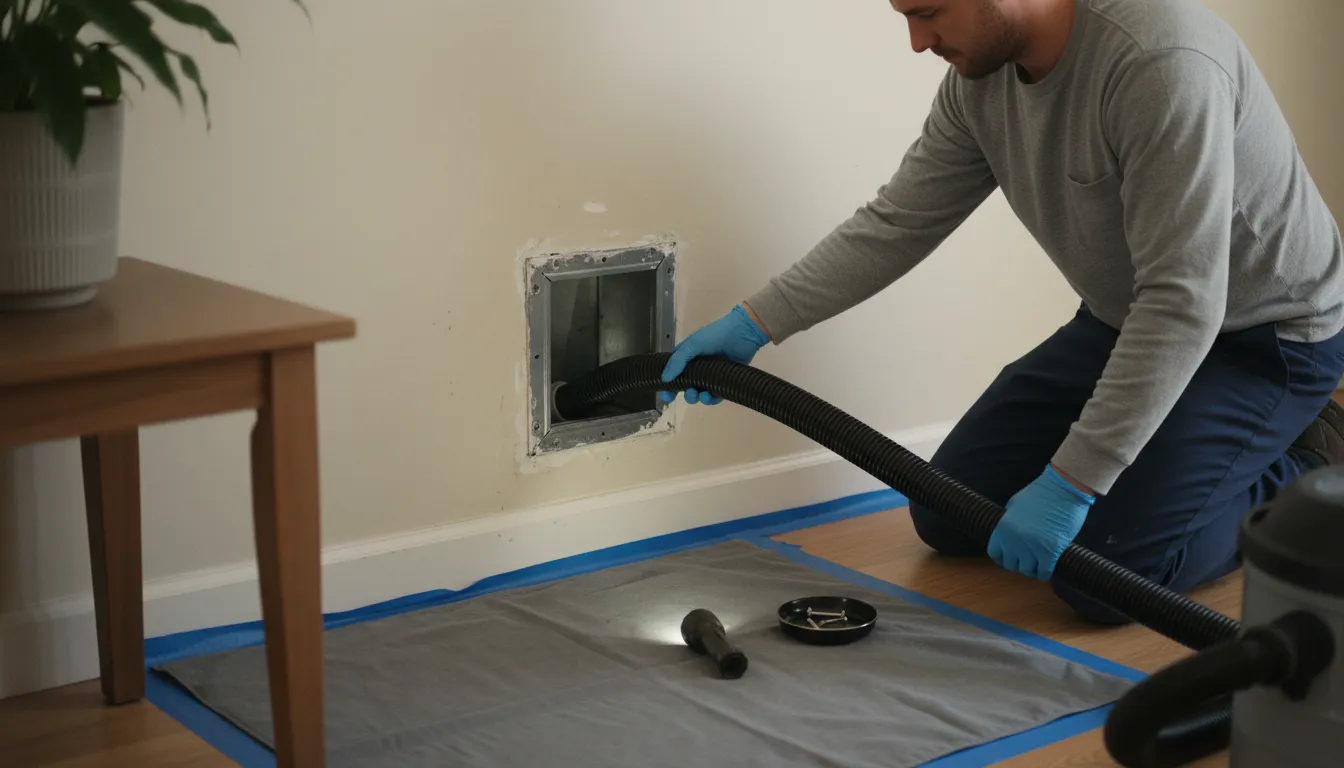
Professional duct cleaning is a vital maintenance service for your home's HVAC system, designed to remove years of accumulated dust, allergens, and debris from your air ducts and vents. In Wichita, where high pollen counts, dust, and dramatic seasonal shifts are common, this service is especially important for maintaining healthy indoor air quality and ensuring your heating and cooling system runs efficiently. This guide will help you understand the process, benefits, and local considerations for air duct cleaning, empowering you to find qualified local specialists for your home.
Vortex Air Duct Cleaning, Restoration, General Contractor
12645 E 71st St S, Derby, KS 67037
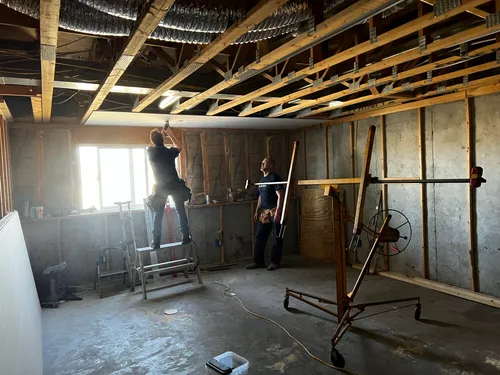
Vortex Air Duct Cleaning, Restoration, General Contractor is a family-owned business based in Derby, serving Wichita, KS, and surrounding areas. They specialize in air duct cleaning, dryer vent cleaning, water damage restoration, mold remediation, and home remodeling. Using powerful truck-mounted vacuum equipment, they remove dust and debris from ductwork to improve indoor air quality. With over 20 years of experience, Vortex also offers IICRC-certified restoration services and general contracting for home improvements. The company provides 24-hour emergency services for restoration needs.
Premier Comfort Solutions
136 Pirner Suite 2, Haysville, KS 67060
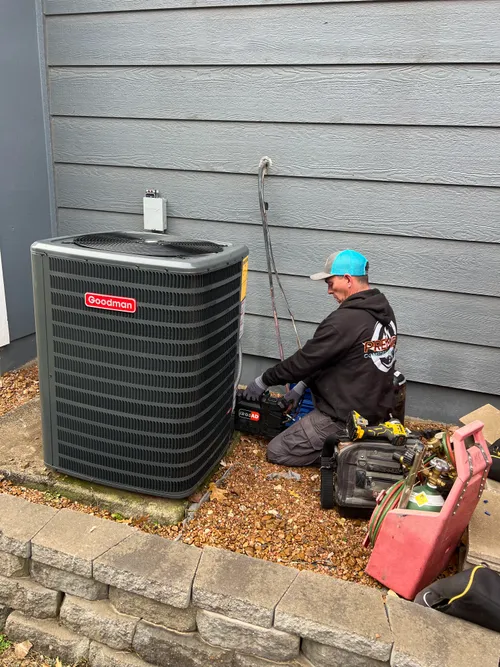
Premier Comfort Solutions is an HVAC company based in Wichita, KS, offering a range of heating and cooling services. They provide air conditioning and furnace installation, repair, and maintenance, as well as indoor air quality services and duct cleaning. The company also offers advanced aeroseal services to improve system efficiency. Premier Comfort Solutions serves the Wichita area with customized HVAC solutions tailored to homeowners' needs. Their team is available 24/7 for emergency furnace repairs and other urgent HVAC issues.
Eck Services
2799 S Meridian Ave, Wichita, KS 67217
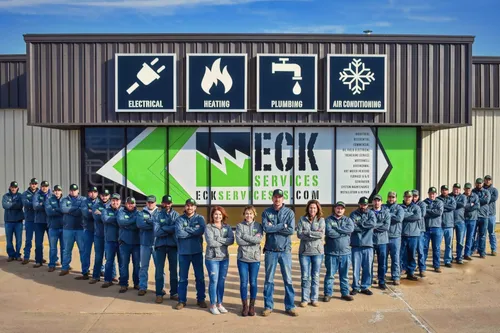
Eck Services is a comprehensive HVAC, plumbing, and electrical company serving Wichita, KS. They provide a wide range of services including HVAC repairs, installations, tune-ups, duct cleaning, thermostat installation, plumbing repairs, and electrical maintenance. With over 15 years of experience in Sedgwick County, Eck Services offers 24/7 emergency support for plumbing, HVAC, and electrical needs. Their licensed technicians handle everything from air conditioning and furnace repairs to water heater installation and electrical wiring, ensuring homes stay comfortable and safe.
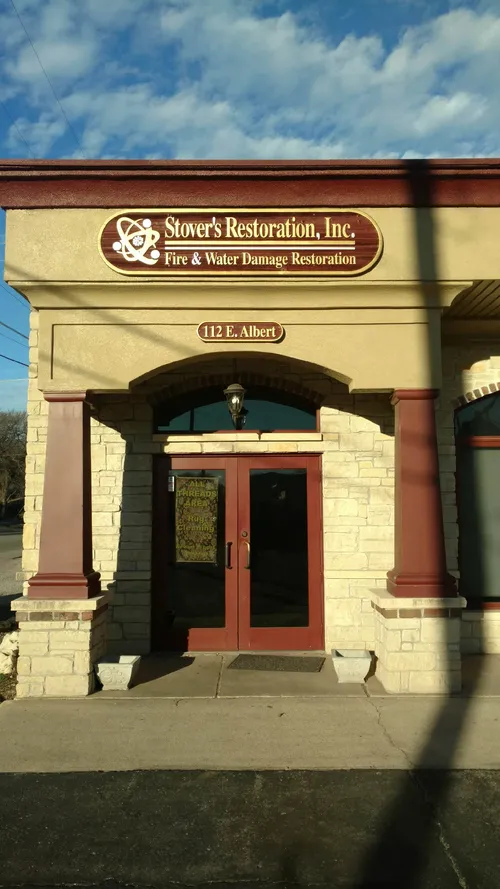
Stover's Restoration
112 E Albert St, Maize, KS 67101
Stover's Restoration is a duct cleaning and full-service restoration company based in Wichita, KS. They provide emergency water extraction, fire damage cleanup, mold remediation, biohazard cleanup, air duct cleaning, and debris removal for homes and businesses. Founded in 1987, the company has decades of experience serving South Central Kansas. Their certified technicians are available 24/7 to respond quickly to emergencies and carry out restoration work with care and precision.
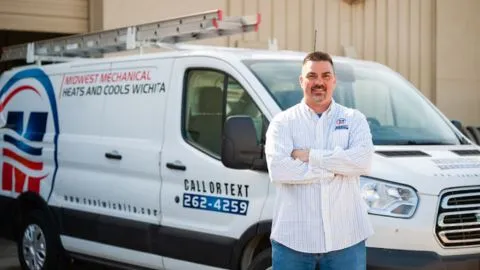
Midwest Mechanical
2111 W Harry St, Wichita, KS 67213
Midwest Mechanical is an HVAC and plumbing service provider based in Wichita, KS. They offer a wide range of services including air conditioning repair and installation, furnace and heat pump repair and installation, HVAC tune-ups, duct cleaning, and indoor air quality solutions. Their indoor air quality services include advanced air filtration, humidity control, and duct cleaning to help improve home comfort and health. Midwest Mechanical serves residential and commercial customers throughout Wichita, focusing on maintaining efficient and reliable heating and cooling systems year-round.
Why Duct Cleaning Matters in Wichita
The quality of the air inside your Wichita home is directly influenced by the condition of your ductwork. Over time, your air ducts become a collection point for a variety of contaminants. Regular air duct and vent cleaning removes these pollutants, providing several key benefits for local homeowners.
- Improved Indoor Air Quality: The primary benefit is the removal of dust, pollen, pet dander, and other allergens that circulate through your home every time the HVAC system runs. This is crucial for residents with allergies, asthma, or other respiratory sensitivities.
- Enhanced HVAC Efficiency: A clean system doesn't have to work as hard. When dust and debris coat the interior of ducts and cling to components like the blower motor and coils, airflow is restricted. Cleaning removes this buildup, allowing your system to heat and cool your home more effectively, which can lead to lower energy bills.
- Extended System Lifespan: Reduced strain on the fan motor and other components can help prevent premature wear and tear, potentially extending the life of your expensive HVAC equipment.
- Reduced Dust and Odors: Cleaning can significantly cut down on the amount of dust that settles on your furniture and surfaces. It also helps eliminate musty odors caused by mold, mildew, or pest debris trapped in the system.
The Professional Duct Cleaning Process: What to Expect
Reputable Wichita companies adhere to industry standards, often following guidelines set by the National Air Duct Cleaners Association (NADCA). The goal is "source removal"-physically extracting contaminants from the duct system, not just masking them. Here's a step-by-step look at a professional service 1:
- Inspection and Setup: A technician will first inspect your system. They then create negative air pressure by connecting a powerful, truck-mounted vacuum (often with up to 16,000 CFM of suction) directly to the main furnace trunk line. This ensures dislodged debris is immediately pulled into the vacuum collection unit and cannot escape into your home 2.
- Agitation and Cleaning: While the vacuum runs, technicians use specialized tools like pneumatic whips, rotating brushes, and compressed air nozzles to agitate and loosen debris from the interior walls of all supply and return ducts. This material is pushed down the line toward the powerful vacuum.
- System Component Cleaning: A thorough service doesn't stop at the ducts. The cleaning process should include the return air plenum, the air handler cabinet, the blower assembly, the evaporator coil, and other accessible components inside the HVAC unit 3.
- Finalization: All vent and register covers are removed, cleaned, and reinstalled. Any access points created in the ductwork are properly sealed with metal patches to prevent future air leaks. A final walk-through ensures the system is clean and operational 4.
Wichita-Specific Factors Influencing Your Duct Cleaning Needs
Local climate and housing characteristics make duct cleaning particularly relevant here.
- High Pollen and Dust: Wichita's hot, dry, and windy seasons introduce significant amounts of pollen and dust into homes, which quickly accumulate in ductwork 5.
- Humidity and Mold Risk: Summer humidity can promote condensation and mold growth within the air handler and on evaporator coils, which then spores can circulate through the ducts 6.
- Pest Concerns: Older homes in the area may be susceptible to rodents or insects nesting in ductwork. A professional cleaning should include an inspection for droppings or nests, which require special sanitization procedures 7.
- New Construction or Renovation: If you've recently built or remodeled, your ducts are likely full of drywall dust, sawdust, and other construction debris. This material can severely clog filters and strain your new HVAC system, making an initial cleaning within the first year highly recommended.
Find the perfect duct cleaning companies for your needs
Get personalized recommendations and expert advice
How Often Should You Clean Your Air Ducts in Wichita?
There's no one-size-fits-all schedule, but general guidelines based on your household's characteristics can help you plan 8 9.
- Standard Household: For a home with no major contributing factors, a cleaning every 3 to 5 years is typically sufficient.
- Households with Pets or Allergies: If you have shedding pets or family members with allergies or asthma, consider cleaning every 2 to 3 years to keep allergen levels low.
- Households with Smokers: To remove tobacco residue and odors, a 2 to 3 year cycle is advisable.
- After New Construction or Major Renovation: Schedule a cleaning within the first year of occupancy or project completion.
The best times to schedule service in Wichita are during the spring or fall. This prepares your system for the heavy workload of summer cooling and winter heating, ensuring it runs at peak efficiency when you need it most 10.
Understanding the Cost of Duct Cleaning in Wichita
The cost to clean the air duct system for an average-sized home in Wichita typically ranges from $450 to $1,000 11 12. Several key factors influence the final price:
- Number of Vents/Registers: More vents mean more access points to clean, increasing labor time.
- Number of HVAC Systems: Homes with multiple furnaces or air conditioning units will have separate, complete duct systems to clean.
- Type of Ductwork: The accessibility and material of your ducts (e.g., flexible duct, sheet metal) can affect the complexity of the job.
- Level of Contamination: Standard dust cleaning is at the lower end of the range. If the service requires mold remediation, pest waste sanitization, or dealing with heavy construction debris, the cost will be higher.
Many local companies offer additional services that can be bundled, such as dryer vent cleaning, furnace cleaning, or applying mold-inhibiting sanitizers. Always request a detailed, itemized quote before work begins 13 14.
Choosing a Reputable Service Provider
Your home's air quality is important, so choosing a qualified professional is essential. Keep these tips in mind:
- Seek Certifications: Look for companies with technicians certified by NADCA. This indicates training in proper cleaning standards and ethics.
- Verify Insurance: Always ensure the company carries liability insurance to protect your home in case of accidental damage.
- Ask About Process: A reputable provider will be happy to explain their process, including the use of a powerful, contained vacuum system and their method for cleaning all components, not just the ducts.
- Get Detailed Quotes: Avoid companies that give a low "per vent" phone quote without seeing your home. A trustworthy technician will perform an inspection first and provide a detailed, fixed-price estimate based on your specific system 15 16.
Frequently asked questions
Sources
Footnotes
-
Air Duct / Dryer Vent Cleaning - ServiceMaster Clean - https://www.servicemasterclean.com/servicemaster-quality-cleaning-wichita/residential-cleaning/air-duct-dryer-vent-cleaning/ ↩
-
Residential Air Duct Cleaning Services in Wichita, KS - https://www.vortexductcleaning.com/air-duct-cleaning ↩
-
Wichita Air Duct Cleaning Services | Air Pollution Evaluation - https://www.servicemasterclean.com/servicemaster-cleaning-by-dsi-wichita/residential-cleaning/air-duct-cleaning/ ↩
-
Air Duct, Mold & Water Damage Experts in Wichita KS | Vortex - https://www.vortexductcleaning.com/ ↩
-
Benefits of Professional Air Duct Cleaning and Cost Savings - https://steamatickc.com/blog/benefits-of-professional-air-duct-cleaning/ ↩
-
Air duct cleaning: Boost Health 2025 - https://www.coolwichita.com/blog/air-duct-cleaning-ultimate-guide ↩
-
Wichita AC Repair: Expert Tips & Cost Guide for 2025 - https://www.coolwichita.com/blog/air-conditioner-repair-wichita-guide ↩
-
Wichita, KS Air Duct Cleaning Cost & Factors in 2025 - https://freshcocleaners.com/air-duct-cleaning-cost-wichita-ks/ ↩
-
Air duct cleaning: Boost Health 2025 - https://www.coolwichita.com/blog/air-duct-cleaning-ultimate-guide ↩
-
Best time to clean air ducts in 2026 - One Hour Heating & Air Conditioning - https://www.onehourheatandair.com/west-valley/about-us/blog/2025/november/best-time-to-clean-air-ducts-in-2026/ ↩
-
Wichita, KS Air Duct Cleaning Cost & Factors in 2025 - https://freshcocleaners.com/air-duct-cleaning-cost-wichita-ks/ ↩
-
Cost and Time Estimates | National Air Duct Cleaners Association (NADCA) - https://nadca.com/homeowners/cost-and-time-estimates ↩
-
Kansas City, KS - Air Duct Cleaning & Sealing Services Are at ... - https://www.missionphc.com/blog/2022/june/kansas-city-ks-air-duct-cleaning-sealing-service/ ↩
-
Air Duct Cleaning - Be Amazed - https://beamazedclean.com/air-duct-cleaning/ ↩
-
The Top Benefits of Air Duct Cleaning - https://www.modernistic.com/mod-blog/top-benefits-air-duct-cleaning/ ↩
-
What are the Benefits of HVAC Cleaning? - https://greenductors.com/blog/hvac/health-benefits-of-hvac-cleaning/ ↩