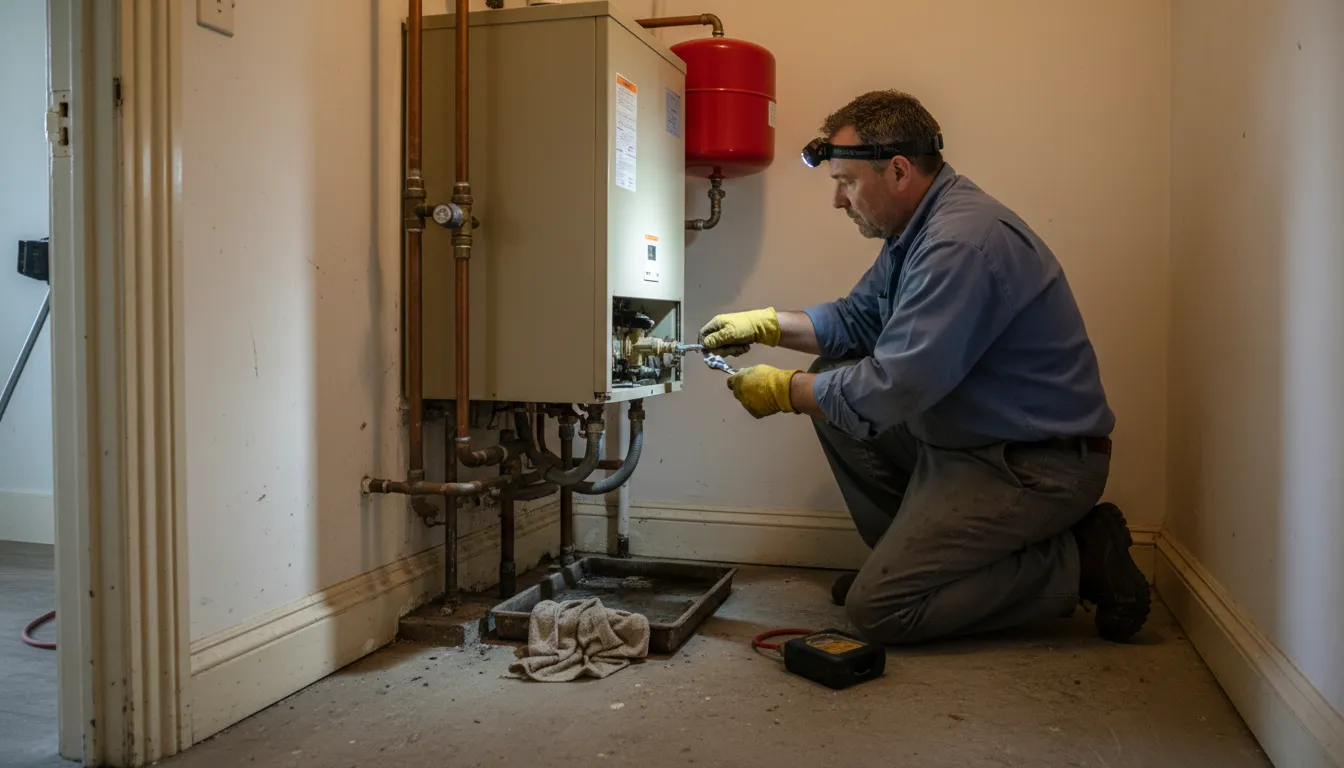
Find the Best Boiler Repair Contractors for Your Business
No obligation • Fast responses • Nationwide coverage

Why you can trust HVAC Firms
HVAC Firms is a leading United States resource for evaluating HVAC service providers. Our team researches companies, checks credentials, and reviews customer feedback to present clear, unbiased information. Listings and rankings are based on merit, and companies cannot pay to change our editorial content.
Search providers near you
Top Boiler Repair Contractors in Grand Prairie, Texas Ranked
When your boiler stops working, it's more than an inconvenience-it's a disruption to your home's comfort and safety. Boiler repair involves diagnosing and fixing issues with your hydronic heating system, which uses hot water or steam to warm your home through radiators, baseboards, or in-floor tubing. In Grand Prairie's climate, these systems are less common than forced-air furnaces, making it crucial to find a specialist familiar with their unique mechanics. This guide will help you understand your system, navigate repair decisions, and connect with qualified local technicians who can restore your heat efficiently.
Conover Heating & Air
4200 Gus Thomasson Rd Suite 114, Mesquite, TX 75150
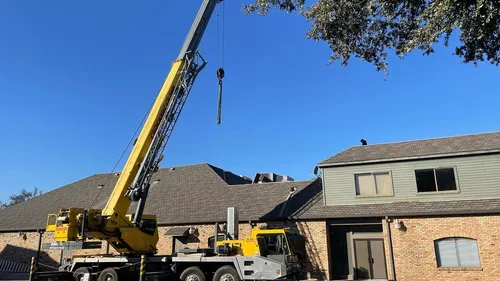
Conover Heating & Air is a family-owned HVAC company serving Dallas, TX, and surrounding areas since 1975. They provide residential heating and cooling services including repair and installation of air conditioners, furnaces, heat pumps, and boilers. Their technicians also offer HVAC tune-ups and indoor air quality solutions. With over 50 years of experience, Conover Heating & Air emphasizes honest service without unnecessary upselling and maintains a well-stocked inventory to support long-lasting repairs. Their service area includes Mesquite, Garland, Forney, Rockwall, Fate, Lake Highlands, North Dallas, Richardson, and University Park.

Temp Pro Mechanical
3643 Lawnwood St, Fort Worth, TX 76111
Temp Pro Mechanical provides a full range of HVAC services in Fort Worth, TX, including installation and repair of air conditioners, furnaces, heat pumps, and boilers. Their licensed technicians handle heating, cooling, and ventilation needs with a focus on energy-efficient solutions. The company offers 24/7 emergency services to address urgent HVAC issues promptly.
All City Air
1209 N Ave STE 1, Plano, TX 75074
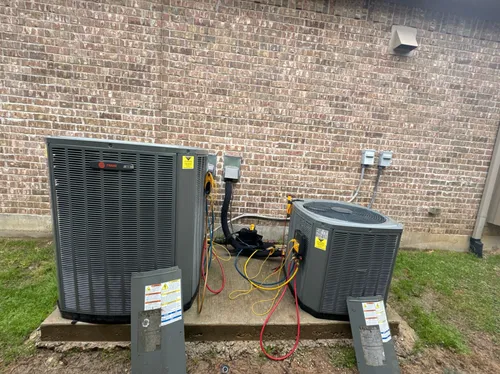
All City Air is an HVAC company based in Plano, TX, providing installation, maintenance, and repair services for air conditioning, furnaces, heat pumps, and boilers. They serve both residential and commercial clients throughout the region, including nearby cities such as McKinney, Dallas, and Frisco. Their capabilities include comprehensive HVAC tune-ups and system installations tailored to customer needs.
StrikeForce Heating & Air LLC
9734 Skillman St, Dallas, TX 75243
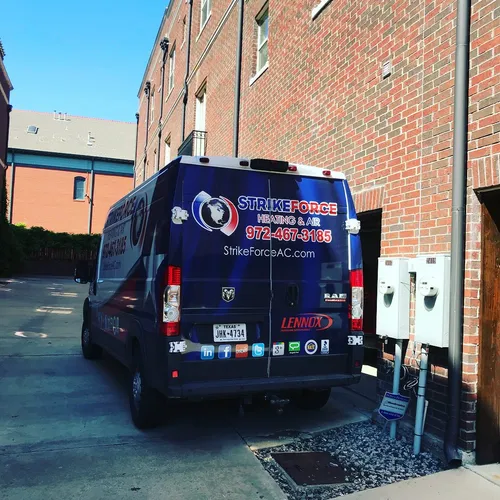
StrikeForce Heating & Air LLC is an HVAC company based in Dallas, TX, offering installation, repair, and maintenance services for air conditioning, heating systems, heat pumps, boilers, and furnaces. They also provide indoor air quality improvements and energy audits to help customers choose the best solutions for their homes. The company has been serving Dallas and nearby areas since 2011 and is known for servicing all major brands, including Lennox as a preferred Premier Dealer. StrikeForce Heating & Air LLC offers 24/7 emergency repair services for heating and cooling systems, ensuring help is available whenever needed.
D.T.M.
12509 N Saginaw Blvd Suite 332, Fort Worth, TX 76179
D.T.M. is an HVAC contractor based in Fort Worth, TX, offering a wide range of heating and cooling services. They provide installation, repair, and maintenance for air conditioners, furnaces, heat pumps, boilers, mini splits, and geothermal systems. Their expertise also includes commercial HVAC, duct cleaning, air quality testing, and thermostat installation. With over 54 years of combined industry experience, D.T.M. serves the Dallas-Fort Worth Metroplex, including nearby cities such as Keller, Flower Mound, and Arlington. They specialize in commercial chiller and refrigeration repairs and installations and offer after-hours and emergency service without additional charges.
Understanding Hydronic Heating Systems in Grand Prairie
Boilers, or hydronic heating systems, are a specific type of home heating. Unlike a furnace that heats air, a boiler heats water, which is then circulated throughout your home to provide radiant warmth. Common setups in our area include baseboard radiators and, in some custom builds, radiant floor systems. Given the Dallas-Fort Worth region's primary demand is for air conditioning, many boilers here are found in older homes as legacy systems. This means the pool of technicians with deep, daily experience on boilers is smaller than those specializing in AC and furnaces, underscoring the importance of seeking out proven expertise for your hydronic heating repair.
The Grand Prairie Climate and Your Boiler
Our local weather plays a significant role in your heating system's use and wear. Grand Prairie experiences hot, humid summers and relatively mild winters. Consequently, heating systems-especially boilers-see less annual runtime than cooling systems. This infrequent use can sometimes lead to issues when the system is fired up for the first time in a season, such as seized circulator pumps or sediment buildup. Furthermore, because boilers are not the standard here, parts may not be as readily stocked as for forced-air systems, potentially affecting repair timelines. Choosing a local pro familiar with sourcing parts for various boiler brands is a key advantage.
Common Boiler Problems and Repair Solutions
What goes wrong with a boiler? Issues can range from minor and inexpensive to major and complex. Recognizing the symptoms can help you communicate effectively with a technician.
- No Heat or Insufficient Heat: This could stem from a faulty thermostat, a broken circulator pump that isn't moving water, low water pressure, or a problem with the ignition system or gas valve.
- Leaking Water: Corrosion, a cracked heat exchanger, or failed seals and valves (like the pressure relief valve) can cause leaks. This requires immediate attention to prevent water damage and system failure.
- Strange Noises: Banging, whistling, or gurgling (often called "kettling") is usually caused by limescale or sludge buildup restricting water flow, trapped air in the system, or an impending pump failure.
- Pilot Light or Ignition Issues: For gas boilers, a pilot that won't stay lit or an electronic ignition that fails points to a thermocouple problem, a gas supply issue, or a faulty control board.
- Pressure Problems: Boilers operate within a specific pressure range. Consistently low pressure might indicate a leak, while high pressure could signal a failing expansion tank or fill valve.
A skilled technician will diagnose these issues through inspection, pressure testing, and component checks to provide a clear repair plan.
Repair vs. Replacement: Making the Right Choice
Facing a boiler breakdown presents a critical decision: repair the existing unit or invest in a new system. The right choice depends on several factors specific to your Grand Prairie home.
When Repair is the Best Path:
- Age of System: If your boiler is under 10-15 years old, repair is often economically sensible.
- Nature of the Problem: Isolated, fixable issues like a failed circulator pump, pressure relief valve, or minor leak are typically worth repairing.
- Cost-Effectiveness: If the repair cost is less than half the price of a new boiler installation, and the system has been reliable, a repair extends its service life.
When Replacement Should Be Considered:
- System Age: Boilers approaching or exceeding 20 years are nearing the end of their expected lifespan. Frequent repairs become more likely.
- Major Component Failure: If the heat exchanger-the core component-is cracked, replacement is almost always recommended due to high cost and potential safety concerns.
- Rising Energy Bills: Older boilers operate at lower efficiency (AFUE). Upgrading to a modern, high-efficiency condensing boiler can significantly reduce your natural gas consumption.
- Considering a Full HVAC Change: For homes with older hydronic systems and separate, aging AC units, some homeowners opt to replace both with a modern, dual-fuel heat pump system for year-round, efficient climate control.
Find the perfect boiler repair contractors for your needs
Get personalized recommendations and expert advice
What to Expect: Service Process and Cost Guidance
When you contact a professional for boiler service in Grand Prairie, the process typically begins with a detailed description of the problem over the phone. The technician will then schedule a visit to inspect the system. A thorough inspection should include checking the flame, water pressure, piping, pumps, valves, and electrical components. Reputable companies will provide a free, upfront estimate for the repair work before beginning.
Costs can vary widely based on the problem's complexity, the parts required, and the time needed for labor. Based on local service data:
- Minor Repairs, such as replacing a pressure relief valve or fixing a minor leak, might range from $150 to $500.
- Major Repairs, like replacing a circulator pump or a control board, often fall between $500 and $1,500 or more.
- Critical Repairs, such as addressing a compromised heat exchanger, can be so costly that they make replacement the more viable option.
For a complete new boiler installation in Grand Prairie, homeowners can expect a range of $3,000 to $8,000+, heavily dependent on the unit's size, efficiency rating, and the complexity of integrating it with your existing hydronic distribution system (radiators, baseboards, etc.) 1.
Finding a Qualified Boiler Service Professional
Given the specialized nature of hydronic systems, your choice of technician is paramount. Look for companies that explicitly list boiler repair or hydronic heating among their services. Many qualified providers in Grand Prairie are HVAC companies that also handle plumbing, as boilers sit at the intersection of both trades. Local reviews and directories highlight experienced firms such as Schrader Plumbing, 1st Choice HVAC, Peace Heating & Air, and Medley Heating.
Always verify that the company is licensed, insured, and has positive reviews specifically related to boiler work. Don't hesitate to ask for references from past boiler repair jobs. A trustworthy professional will be transparent about diagnostics, explain repair options clearly, and stand behind their work with a warranty.
Maintaining Your Boiler for Longevity
Preventative maintenance is the best way to avoid unexpected breakdowns and extend the life of your system. An annual tune-up by a qualified technician before the heating season is recommended. This service typically includes:
- Cleaning the burner and heat exchanger surfaces.
- Checking and adjusting water pressure and temperature.
- Inspecting and testing safety controls and valves.
- Lubricating moving parts like circulator pumps.
- Flushing the system to remove sediment, which improves efficiency and prevents corrosion.
For homeowners, keeping the area around the boiler clean and unobstructed and monitoring the system pressure gauge can help catch small issues before they become big problems.
Frequently asked questions
Sources
Footnotes
-
TOP 10 BEST Boiler Repair in Grand Prairie, TX - Yelp - https://m.yelp.com/search?find_desc=Boiler+Repair&find_loc=Grand+Prairie%2C+TX ↩