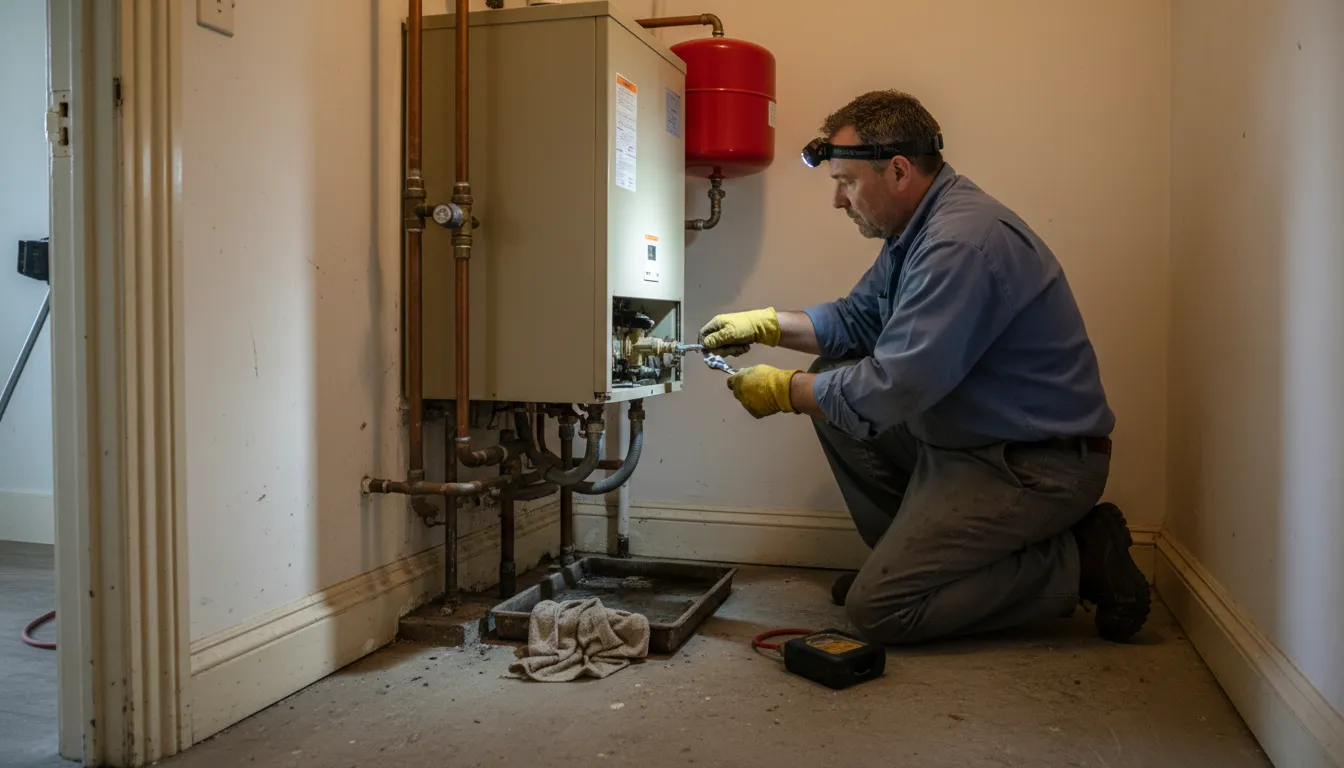
Find the Best Boiler Repair Contractors for Your Business
No obligation • Fast responses • Nationwide coverage

Why you can trust HVAC Firms
HVAC Firms is a leading United States resource for evaluating HVAC service providers. Our team researches companies, checks credentials, and reviews customer feedback to present clear, unbiased information. Listings and rankings are based on merit, and companies cannot pay to change our editorial content.
Search providers near you
Top Boiler Repair Contractors in Galveston, Texas Ranked
Finding reliable boiler repair in Galveston is essential for maintaining a comfortable home during the island's cooler months. While our winters are mild, a properly functioning hydronic heating system provides efficient, zoned warmth without the drafts of forced air. This guide will help you understand your system, recognize when you need service, and make informed decisions between repair and replacement for your home's heating.
A-Team's A/C & Heating, LLC
3734 Magnolia Ridge, League City, TX 77573
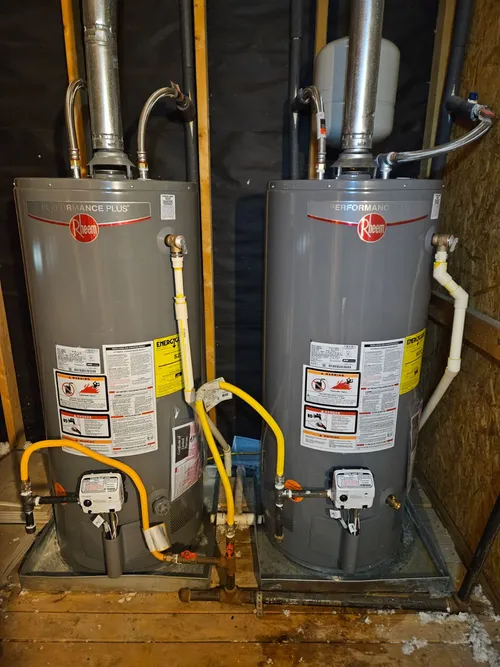
A-Team's A/C & Heating, LLC is a licensed HVAC contractor serving Houston, TX, and surrounding counties including Galveston, Harris, and Brazoria. They provide residential and commercial heating and air conditioning services, including installation, repair, and maintenance of air conditioners, furnaces, heat pumps, boilers, mini split systems, and geothermal heat pumps. The company also offers indoor air quality services such as duct cleaning, air duct sealing, and installation of air cleaners and humidifiers. As an American-Standard® dealer, they supply a wide range of comfort equipment and specialize in system customization. With 24/7 emergency service availability, A-Team's A/C & Heating supports customers with trained technicians and extended service agreements to maintain system performance.
South Texas Boiler Industries
14715 East Fwy, Houston, TX 77015
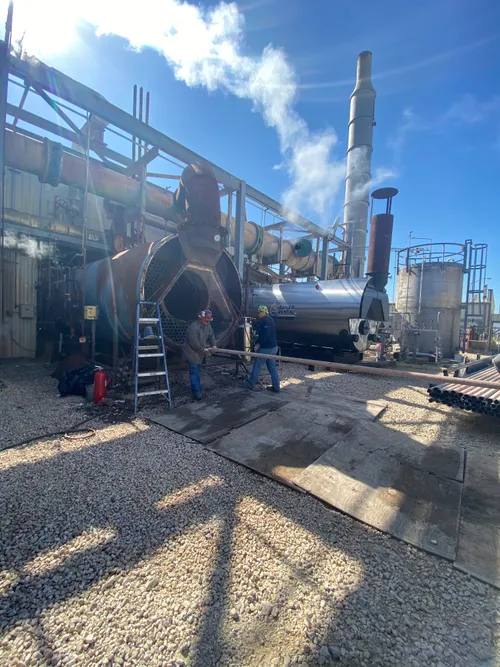
South Texas Boiler Industries is a boiler repair and installation company based in Houston, TX. They provide industrial and commercial boiler services including custom installations, energy-efficient equipment, parts, sales, and rentals. With over 100 years of combined experience, the company handles a wide range of steam and hot water projects.
NBW South
2548 Hwy 6, Alvin, TX 77511
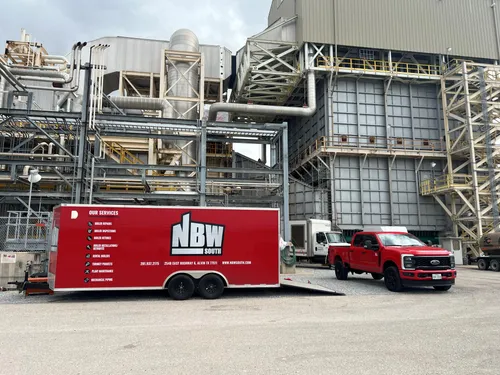
NBW South is a family-owned industrial mechanical contractor based in Houston, TX, specializing in boiler service, repairs, installations, and rentals. Operating since 1935, NBW South serves industrial clients with a focus on safety, quality, and trusted workmanship. They offer 24-hour support and maintain a modern fleet of service trucks to handle emergency boiler repairs and installations efficiently.
Cleaver-Brooks Sales & Service
2403 Appelt Dr, Houston, TX 77015
Cleaver-Brooks Sales & Service is a boiler repair and installation company based in Houston, TX. With over 75 years of experience, they supply, service, and optimize complete boiler systems, including boilers, burners, controls, and exhaust components. The company adheres to industry standards such as NBIC and ASME and offers engineering and industrial services, including custom boiler system design and tubular product fabrication. They provide emergency boiler repair services 24/7 throughout Houston, ensuring support for all types and brands of combustion control and burner management equipment.
Understanding Your Galveston Heating System
Galveston's unique coastal climate shapes the types of heating systems found in local homes. Unlike colder regions, many residences utilize hydronic heating, which circulates hot water through pipes to radiators, baseboards, or radiant floor panels. This method is prized for its quiet operation and ability to heat specific zones of a home independently.
A common adaptation in Texas is the use of an oversized water heater-either tankless or tank-style-to supply hot water for radiant heating loops. This can be a cost-effective solution compared to installing a traditional boiler, especially given our shorter heating season. Whether you have a dedicated boiler or a multi-purpose water heater, understanding the components is the first step in identifying potential issues.
Common Hydronic System Types
- Traditional Boiler with Radiators/Baseboard: This classic setup uses a boiler to heat water, which is then pumped through a network of pipes to cast iron radiators or slim baseboard heaters. It's excellent for zoning but can be bulky.
- Water Heater-Based Systems: Often installed in homes without a dedicated boiler, a high-capacity water heater serves both domestic hot water and heating needs. This is a practical solution for Galveston's climate.
- Radiant Floor Heating: Pipes are embedded in the floor, providing silent, even heat from the ground up. This system is highly efficient and comfortable but requires specialized knowledge for repairs.
Signs Your Boiler or Heating System Needs Attention
Don't wait for a complete breakdown on a chilly evening. Recognizing early warning signs can save you from more extensive and costly repairs down the line. Here are key indicators that your hydronic heating system requires professional service:
- No Heat or Insufficient Heat: The most obvious sign. If your radiators or baseboards are cold or only lukewarm, there could be an issue with the boiler, pump, air in the lines, or a faulty zone valve.
- Unusual Noises: Banging, whistling, or gurgling sounds (often called "kettling") are not normal. These can indicate limescale buildup, low water pressure, or a failing pump.
- Leaks or Drips: Any sign of water around the boiler, pressure relief valve, or pipes is a serious concern. Leaks can lead to water damage, corrosion, and a loss of system pressure.
- Pilot Light Issues: For gas systems, a pilot light that frequently goes out or burns yellow instead of blue can signal a dirty thermocouple, a gas supply issue, or poor ventilation.
- Rising Energy Bills: A gradual, unexplained increase in your gas or electric bills can point to declining system efficiency, meaning your boiler is working harder to produce the same amount of heat.
- Fluctuating Water Pressure: The pressure gauge on your boiler should remain in a stable range (typically between 12-15 psi for a cold system). Constant pressure drops often mean a leak.
Find the perfect boiler repair contractors for your needs
Get personalized recommendations and expert advice
The Critical Decision: Repair or Replace Your Boiler?
When faced with a malfunctioning system, homeowners must weigh the immediate cost of repair against the long-term investment of replacement. This decision is not always straightforward, but several key factors can guide you.
When Repair is the Smart Choice
Opting for a repair is often the most economical path if your system meets certain criteria. A repair is generally recommended if your boiler is less than 12-15 years old, the current issue is an isolated incident, and the repair cost is less than half the price of a new, high-efficiency unit 1. Modern boilers are built to last, and a single component failure doesn't necessarily mean the entire system is failing. A professional technician can diagnose whether a fix will restore reliable operation for years to come.
When Replacement Makes More Sense
There comes a point when pouring money into an old system is like throwing good money after bad. Replacement becomes the more prudent financial and practical decision under several conditions 2 3:
- Age: If your boiler is over 15 years old, it's operating at a lower efficiency than modern models and is more prone to future failures.
- Cost of Repair: If the repair estimate exceeds 50% of the cost of a new, high-efficiency boiler, replacement usually offers better value 4.
- Frequency of Breakdowns: Are you calling for service every season? Chronic problems signal systemic failure.
- Loss of Efficiency: Older boilers can have AFUE (Annual Fuel Utilization Efficiency) ratings as low as 70%, meaning 30 cents of every fuel dollar is wasted. New models can exceed 95% AFUE, significantly lowering your energy bills 5.
- Finding Replacement Parts: For very old or obscure models, finding parts can be difficult and expensive.
Cost Considerations for Galveston Homeowners
Understanding the potential costs involved helps in budgeting and decision-making. It's important to get detailed, written estimates from qualified local professionals.
- Boiler Repair Costs: Repairs can range from a few hundred dollars for minor fixes like replacing a valve or thermostat to over a thousand dollars for major component replacements such as a heat exchanger, circulator pump, or control board 6.
- System Replacement Costs: The total cost for a new boiler or water heater-based heating system in Galveston can vary widely, typically falling between $3,000 and $10,000 or more. This range depends on the system type (traditional boiler vs. high-efficiency condensing model), capacity, brand, and complexity of installation (e.g., retrofitting radiant floors) 7 8.
- Incentives and Rebates: While residential boiler-specific rebates are less common, it's worth investigating. The Texas Comptroller's LoanSTAR Program provides revolving loans for energy efficiency upgrades, though it is primarily aimed at larger projects for public and non-profit entities 9. Always check with your local utility company for any current energy efficiency incentives.
Galveston's Climate and Your Heating System
Our island environment presents specific considerations for any home system, including hydronic heating. The salty sea air can accelerate corrosion on outdoor components or any metal parts exposed to the elements. When installing or replacing equipment, discussing corrosion-resistant materials with your technician is a wise precaution.
On the positive side, Galveston's high humidity is less of an issue for boiler systems than for forced-air furnaces. Since hydronic systems don't blow air through ducts, they don't circulate dust, allergens, or contribute to dry indoor air. Furthermore, our relatively short and mild heating season means systems aren't under constant strain, which can extend their lifespan and make efficient, on-demand solutions like tankless water heaters particularly viable for home heating.
Finding the Right Professional Service
Choosing a qualified technician is as important as the repair itself. Look for a service provider with specific experience in hydronic systems and boiler repair. They should be properly licensed, insured, and offer clear, upfront estimates. A reputable professional will perform a thorough inspection, explain your options in detail, and never pressure you into an unnecessary replacement. They should follow a systematic approach to diagnosis and repair, ensuring all essentials-from heat load calculation to proper piping-are addressed for long-term performance.
Frequently asked questions
Sources
Footnotes
-
Boiler Repair vs Replacement Guide - Hahn Plumbing - https://hahnplumbing.com/is-it-better-to-repair-or-replace-a-broiler/ ↩
-
Pros and Cons of Hydronic Heating | First Supply - https://www.firstsupply.com/Knowledge-Center/pros-and-cons-of-hydronic-heating ↩
-
I have boiler issues - should I repair or replace it? - Viessmann US - https://www.viessmann-us.com/en/guide/boiler-issues-repair-or-replace.html ↩
-
The Cost of Boiler Repair vs. Replacement: What's the Best Option? - https://www.premierboilerandcombustion.com/the-cost-of-boiler-repair-vs-replacement-whats-the-best-option ↩
-
A Systematic Approach to Hydronic Design: the 4 Essentials - https://sobieskiinc.com/blog/systematic-approach-hydronic-design-4-essentials/ ↩
-
Boiler Troubles? How to Tell If It's Time for Repair or Replacement - https://www.halcoenergy.com/about-us/blog/49647-boiler-troubles-how-to-tell-if-its-time-for-repair-or-replacement.html ↩
-
How Your New Hydronic Heating System Works - https://efficienttexas.com/new-hydronic-heating-system-works/ ↩
-
Heating System Repair Process in Texas | KAC Express - https://kacexpress.com/heating-system-repair-process/ ↩
-
seco loanstar technical guidebook vol. i - Texas Comptroller - https://comptroller.texas.gov/programs/seco/funding/loanstar/docs/LoanSTARGuidebookVolumeI.pdf ↩