Find the Best Boiler Repair Contractors for Your Business
No obligation • Fast responses • Nationwide coverage

Why you can trust HVAC Firms
HVAC Firms is a leading United States resource for evaluating HVAC service providers. Our team researches companies, checks credentials, and reviews customer feedback to present clear, unbiased information. Listings and rankings are based on merit, and companies cannot pay to change our editorial content.
Search providers near you
Top Boiler Repair Contractors in Cuyahoga Falls, Ohio Ranked
A reliable boiler is the heart of your home's heating system, especially during the cold Ohio winters. When your hydronic heating system fails, it can leave you without heat or hot water, making timely and expert repair essential. This guide helps you understand common boiler issues, the types of systems in Cuyahoga Falls homes, and how to find qualified local technicians to restore your comfort and safety.
Jackson Comfort Services
499 E Twinsburg Rd, Northfield, OH 44067
Jackson Comfort Services is an HVAC company based in Cleveland, OH, offering installation and repair for air conditioning, furnaces, heat pumps, and boilers. They serve Summit and Cuyahoga Counties and have been providing cooling, heating, and plumbing services for over 95 years.
W.F. Hann and Sons
26401 Miles Rd, Warrensville Heights, OH 44128
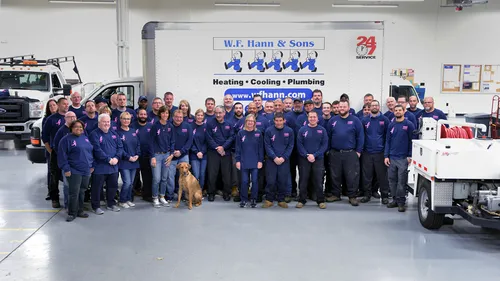
W.F. Hann and Sons is an HVAC and plumbing company serving Cleveland, OH, and the surrounding Northeast Ohio area. Established in 1907, they offer heating and cooling services including furnace, boiler, heat pump, and air conditioning repair and installation. Their team is factory-trained and certified, providing emergency services and maintenance for residential and commercial customers. The company also handles plumbing needs such as water heater installation and drain cleaning. W.F. Hann and Sons is known for upfront pricing and detailed proposals, with technicians available around the clock for urgent repairs.
Tiger Air
5285 Pearl Rd, Parma, OH 44129
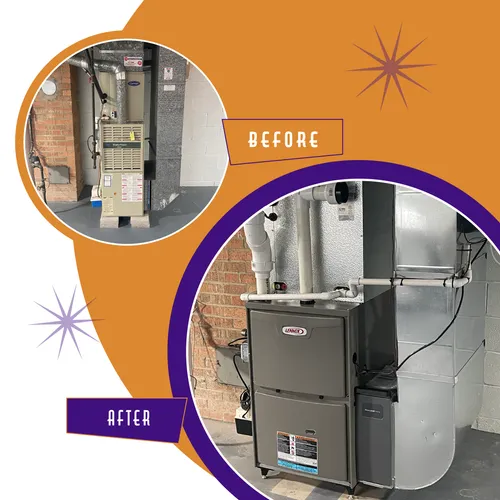
Tiger Air is a heating and cooling company serving Cleveland, OH, and the surrounding Northeast Ohio area. They provide a range of HVAC services including installation, repair, and maintenance of air conditioners, furnaces, boilers, and indoor air quality systems. The company is known for its certified technicians who offer duct cleaning and sealing services as well. Established in 1984, Tiger Air has over 41 years of experience and holds an A+ rating with the BBB. They offer upfront pricing and a full guarantee on their work.
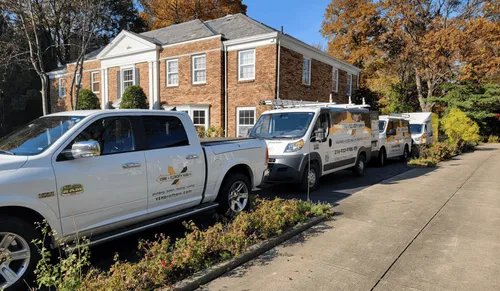
Verne & Ellsworth Hann
2026 Lee Rd, Cleveland Heights, OH 44118
Verne & Ellsworth Hann is a Cleveland, OH-based company providing heating, cooling, and plumbing services. With over 70 years of experience, they offer comprehensive HVAC tune-ups, boiler repairs, and plumbing maintenance to keep homes comfortable year-round. Their certified technicians handle everything from boiler failures to air conditioner maintenance and plumbing repairs with a focus on long-term results.
Ohio City Heating and Cooling
4429 State Rd #22, Cleveland, OH 44109
Ohio City Heating and Cooling is an HVAC company based in Cleveland, OH. They specialize in repairing, maintaining, and installing boilers, gas and electric furnaces, and all types of air conditioning systems. Their services cover a full range of HVAC needs including installation and tune-ups, ensuring systems operate efficiently.
Understanding Your Home's Heating System
In Cuyahoga Falls, residential heating primarily relies on hydronic systems, which use heated water to warm your home. This is different from forced-air furnaces that blow heated air through ducts. A boiler heats water, which is then circulated through a network of pipes to radiators, baseboard heaters, or radiant floor loops 1. Knowing whether you have a steam boiler, a hot water boiler, or a modern combination unit is the first step in diagnosing any heating problem.
Common Boiler Types in Northeast Ohio
Local homes feature a variety of boiler technologies, from historic systems in older houses to high-efficiency models in newer constructions.
- Combination (Combi) Boilers: These efficient, compact units provide both space heating and domestic hot water on demand, eliminating the need for a separate water heater tank. They are a popular choice for homes with limited space.
- Steam Boilers: Commonly found in older Cuyahoga Falls homes, these systems boil water to create steam, which rises through pipes to radiators. They require specific knowledge to manage pressure and water levels correctly.
- Hot Water (Hydronic) Boilers: The most common type, these systems circulate heated water (not steam) through radiators, baseboards, or in-floor tubing. They operate at lower pressures than steam systems 2.
- High-Efficiency Condensing Boilers: These modern units capture heat from exhaust gases that would otherwise be wasted, achieving efficiency ratings over 90%. They are an excellent upgrade for reducing energy bills in our climate 3.
Recognizing Common Boiler Problems
When your heating system acts up, identifying the symptoms can help you communicate effectively with a technician. Here are the most frequent issues requiring boiler service in our area.
Ignition and Pilot Light Failures
If your boiler won't start, the issue often lies with the ignition system. This could be a faulty pilot light (in older systems), a malfunctioning electronic igniter, or problems with gas supply or control valves. A professional can diagnose whether it's a simple thermocouple replacement or a more complex electrical issue.
Unusual Noises: Banging, Whistling, or Clanking
A quiet boiler is a happy boiler. Loud noises often signal underlying problems:
- Banging or Kettling: Usually caused by limescale or sludge buildup on the heat exchanger, which traps boiling water and creates steam bubbles.
- Whistling or Gurgling: Often points to air in the system or issues with water pressure.
- Clanking or Screeching: Can indicate a failing circulator pump or motor bearings.
Loss of Heat or Inconsistent Heating
If some radiators are cold while others are hot, or your home isn't reaching the set temperature, the culprit could be a failing circulator pump, blocked pipes or valves, a faulty thermostat, or low water pressure in the system.
Leaks and Dripping Water
Any sign of water around your boiler is a cause for concern. Leaks can originate from pressure relief valves, pump seals, internal corrosion, or pipe connections. Even a small drip can lead to significant water damage or system corrosion over time.
Frozen Condensate Pipes
For high-efficiency condensing boilers, a common winter issue is a frozen condensate drain line. This pipe disposes of acidic wastewater, and if it freezes, it can cause the boiler to shut down as a safety precaution.
Find the perfect boiler repair contractors for your needs
Get personalized recommendations and expert advice
The Critical Decision: Boiler Repair vs. Replacement
Facing a malfunctioning boiler presents a classic homeowner dilemma: should you fix the current unit or invest in a new one? The right choice depends on your system's age, condition, and the cost of the repair.
When Repair is the Smart Choice
Opting for boiler maintenance or a targeted repair is often the most cost-effective path if:
- Age: Your boiler is relatively young, typically under 15 years old.
- Cost: The repair estimate is less than half the cost of a new system installation.
- Issue: The problem is isolated to a minor or replaceable component, like a pump, valve, or thermostat.
- Efficiency: The unit has been reliably efficient, and your energy bills haven't spiked unexpectedly.
Signs It's Time for a Replacement
Investing in a new boiler installation becomes the prudent long-term decision when:
- Age: Your boiler is over 20 years old. Most systems are nearing the end of their service life at this age.
- Frequency of Repairs: You're calling for service multiple times a year, indicating a pattern of failure.
- Major Component Failure: Critical parts like the heat exchanger are cracked or failing. This is often a safety-related and expensive repair.
- Declining Efficiency: You notice a steady increase in your heating bills despite regular maintenance, signaling that the boiler is losing its ability to convert fuel effectively 4 5.
- Inconsistent Comfort: The system can no longer maintain an even, comfortable temperature throughout your home.
Local Climate and Maintenance Imperatives
Cuyahoga Falls experiences a full range of seasons, with winters that demand a robust and reliable heat source from early fall through late spring. This climate places specific demands on your hydronic heating system.
- Freezing Risks: Proper maintenance must ensure that all venting and condensate systems are clear. Frozen pipes or vents during a severe cold snap are a leading cause of emergency no-heat calls 6 7.
- Annual Service is Non-Negotiable: Scheduling a pre-season tune-up each fall is the best way to ensure reliability. A technician will check pressure, clean components, test safety controls, and identify small issues before they leave you in the cold 8.
- Code Compliance and Safety: Local, qualified HVAC technicians are essential not only for repairs but also to ensure any work complies with Ohio building codes and manufacturer specifications, keeping your home safe from risks like carbon monoxide leaks 9.
Understanding Service and Repair Costs
While prices can vary based on the specific job, technician rates, and parts required, having a general sense of local costs for boiler service in Cuyahoga Falls can help you budget effectively.
- Diagnostic/Service Call: A standard fee for a technician to inspect your system and diagnose the problem typically ranges from $75 to $150.
- Minor Repairs: Fixing issues like a faulty thermostat, replacing a valve, or addressing a minor leak often falls in the range of $120 to $300+ for parts and labor.
- Major Component Repairs: Replacing a circulator pump, blower fan, or ignition control module represents a more significant repair, with costs commonly ranging from $250 to $600 or more 10 11.
- System Replacement: The cost for a new high-efficiency boiler installation is a larger investment, varying widely based on the unit type and complexity of the install. However, this upgrade often pays for itself over time through substantial energy savings.
Frequently asked questions
Sources
Footnotes
-
The Difference Between Boilers and Furnaces, Explained - https://reimerhvac.com/difference-between-boilers-and-furnaces/ ↩
-
ASME Section VI: Recommended Rules for the Care and Operation of ... - https://asmedigitalcollection.asme.org/ebooks/book/243/chapter/25136151/ASME-Section-VI-Recommended-Rules-for-the-Care-and ↩
-
What Are the Different Boilers Types? | BWS Plumbing, Heat & Air - https://bwsheatingandair.com/blog/what-are-the-different-types-of-boilers/ ↩
-
The Pros and Cons of Boiler Replacement vs. Repair - AN Heating - https://anheating.co.uk/the-pros-and-cons-of-boiler-replacement-vs-repair/ ↩
-
The Ultimate HVAC Question: Should You Repair or Replace Your Furnace, Boiler, or Water Heater? And when to do it! - Origin PHCE - https://originphce.com/should-you-repair-or-replace-your-furnace-boiler-or-water-heater/ ↩
-
Residential Boiler Services in Cuyahoga Falls, OH - https://www.martinov-homesolutions.com/boiler-repair-installation-cuyahoga-falls-oh/ ↩
-
Foster Hydronic FAQ - https://www.hydronic.com.au/faq/ ↩
-
Boiler Preventive Maintenance Checklist: Tips and Tasks - https://servicechannel.com/blog/boiler-maintenance-checklist/ ↩
-
Who services boilers and hydronic heating systems? - Team Austin - https://teamaustin.com/blog/who-services-boilers-and-hydronic-heating-systems/ ↩
-
UK Average Cost of Boiler Repair Explained - Go Assist - https://go-assist.co.uk/blog/average-cost-of-boiler-repair ↩
-
Boiler Repair in Cuyahoga Falls, OH - Costs 01 / 2026 - https://www.homeyou.com/oh/boiler-repair-cuyahoga-falls-costs ↩