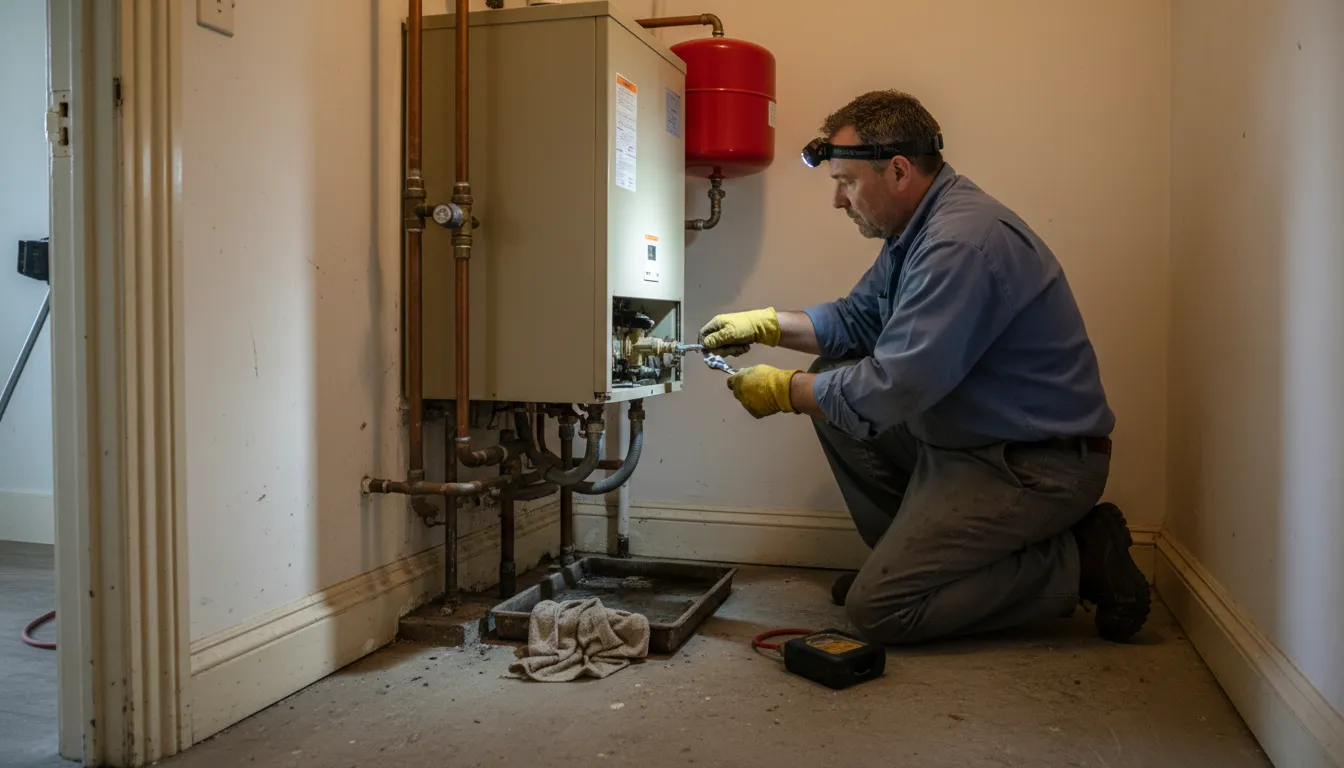
Find the Best Boiler Repair Contractors for Your Business
No obligation • Fast responses • Nationwide coverage

Why you can trust HVAC Firms
HVAC Firms is a leading United States resource for evaluating HVAC service providers. Our team researches companies, checks credentials, and reviews customer feedback to present clear, unbiased information. Listings and rankings are based on merit, and companies cannot pay to change our editorial content.
Search providers near you
Top Boiler Repair Contractors in New York, New York Ranked
For millions of New Yorkers, a reliable boiler isn't a luxury-it's a winter necessity. Boiler repair and maintenance services ensure the hydronic heating systems common in the city's diverse building stock continue to provide quiet, consistent warmth through the coldest months. Whether you're dealing with a finicky steam radiator in a pre-war building or a modern hot water system, understanding your options for service, upgrades, and replacement is key to maintaining comfort, safety, and efficiency. This guide helps you navigate the local landscape of heating services, from identifying common issues to making informed decisions about repairs and modern upgrades.
KOKA-TECH HVAC INC
60-21 Menahan St, Ridgewood, NY 11385
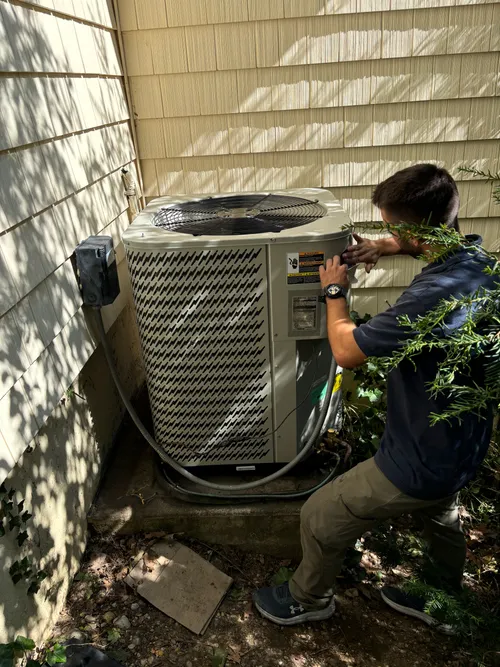
KOKA-TECH HVAC INC provides professional heating and cooling services in New York, NY, including installation, repair, and tune-ups for air conditioners, furnaces, heat pumps, boilers, and mini splits. They offer 24/7 emergency support and same-day availability, serving Queens, Brooklyn, Manhattan, Bronx, and Long Island. The company is licensed and insured, with a strong local presence and expertise in NYC buildings. With nearly 300 five-star reviews, KOKA-TECH HVAC INC is recognized for upfront quotes and customer approval before starting work.
Meyer & Depew Co., Inc.
309 Lafayette Ave, Kenilworth, NJ 07033
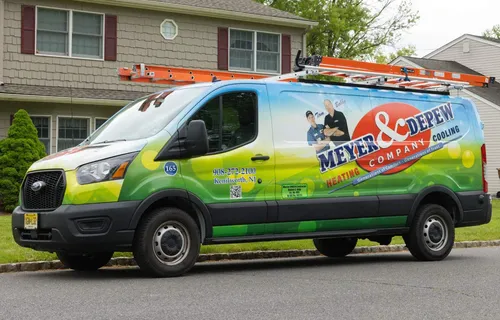
Meyer & Depew Co., Inc. is an HVAC company serving Newark, NJ, specializing in air conditioning, furnace, and boiler installation, repair, and maintenance. They offer services including central AC installation, heating system tune-ups, and ductless mini split system installations. The company provides 24/7 availability for heating and air conditioning repairs and maintenance. Their technicians are licensed and experienced in handling high-efficiency heating and cooling systems, including Energy Star® boilers and furnaces. Meyer & Depew has a strong presence in central and northern New Jersey and is known for its preventative maintenance plans and technical expertise.
Airtek Mechanical Heating & Cooling LLC
400 Valley Brook Ave, Lyndhurst, NJ 07071
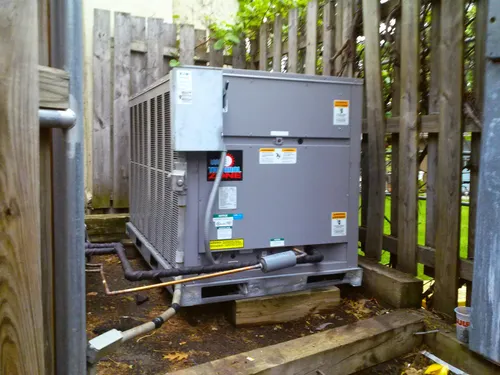
Airtek Mechanical Heating & Cooling LLC is an HVAC contractor based in Newark, NJ, providing residential and commercial heating, cooling, and refrigeration services. They offer repairs, installations, and maintenance for air conditioning, furnaces, boilers, and ductless mini-split systems. Their capabilities include 24-hour emergency HVAC repairs and servicing a variety of unit types such as rooftop package units and wall air conditioners. With over 10 years of experience, Airtek Mechanical serves Newark and surrounding areas with a focus on comprehensive HVAC solutions.
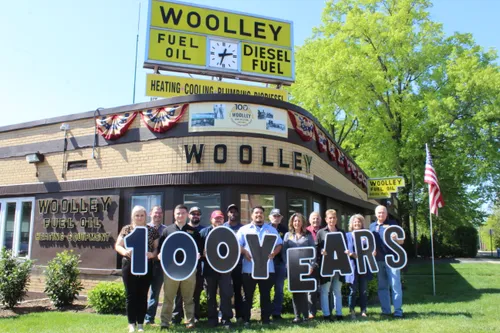
Woolley Home Solutions
12 Burnet Ave, Maplewood, NJ 07040
Woolley Home Solutions is a family-owned HVAC and plumbing company serving Newark, NJ, and surrounding counties. They provide heating and cooling services including installation and repair of oil and gas furnaces, boilers, dual fuel systems, and air conditioning units. Woolley Home Solutions also offers plumbing services such as repairs and fixture installations. With over 100 years of experience, the company emphasizes reliable home comfort solutions and incorporates Bioheat® fuel, a low-carbon energy source compatible with existing heating equipment.
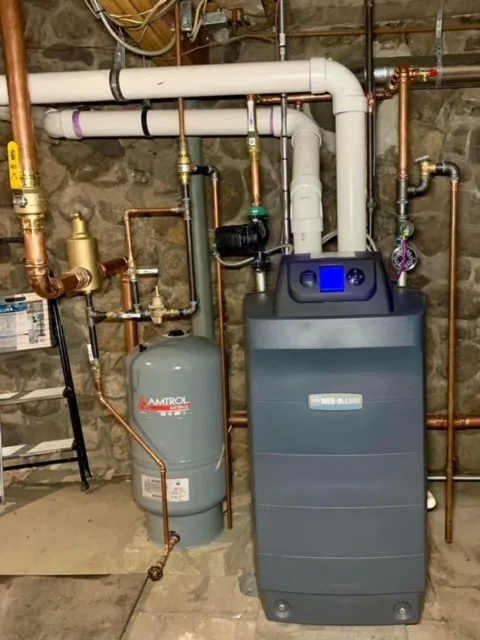
Liberty Heating & Cooling
66 Lincoln Pl, Garfield, NJ 07026
Liberty Heating & Cooling is a family-owned HVAC company based in Newark, NJ. They provide heating and air conditioning services for both residential and commercial properties, including installation, repair, and maintenance of boilers, furnaces, air conditioners, and ductless mini split systems. Their certified technicians have extensive experience in boiler and AC repairs as well as HVAC tune-ups, ensuring reliable system performance.
Understanding New York City's Heating Systems
New York's architectural history is written in its heating systems. The city's iconic older apartment buildings and brownstones often rely on traditional hydronic heating, which uses boilers to heat water or create steam that is then distributed through pipes to radiators in individual units. This method is prized for its quiet operation and even heat, but older systems can be prone to inefficiency and heat loss through distribution.
There are two primary types of hydronic systems:
- Steam Systems: Found in many pre-war buildings, these boilers heat water to create steam, which travels through pipes to radiators. While durable, steam systems can be less efficient due to heat loss in distribution and often require specific expertise for maintenance and repair.
- Hot Water Systems: More common in newer constructions or upgraded buildings, these systems use a boiler to heat water, which is then circulated via pumps to baseboard convectors or radiators. They generally offer greater control and efficiency compared to traditional steam systems.
Recognizing which system you have is the first step in addressing any heating issue and communicating effectively with a service professional.
The Critical Importance of Reliability and Efficiency
In a city known for its harsh winters, a boiler failure is more than an inconvenience-it's an emergency. The demand for dependable heating is a major driver for both regular maintenance and system upgrades across the five boroughs 1. Furthermore, with high heating demands, energy efficiency becomes a crucial financial and environmental concern. Modern high-efficiency condensing boilers or new electrification technologies like air-to-water heat pumps (AWHPs) can offer significant long-term savings on energy bills compared to aging, inefficient units, a point emphasized in local sustainability roadmaps 1.
Common Boiler Issues in NYC Homes
Being able to identify potential problems can help you address them before they escalate. Common signs your boiler or heating system needs attention include:
- No Heat or Insufficient Heat: The most obvious problem, often stemming from a faulty thermostat, low water pressure, a broken circulator pump, or a malfunctioning pilot light or ignition system.
- Unusual Noises: Banging, whistling, or gurgling (often called "kettling") can indicate issues like air in the system, limescale buildup on the heat exchanger, or impending pump failure.
- Leaks: Any sign of water around the boiler or pipes requires immediate attention, as it can lead to water damage, corrosion, and system pressure loss.
- Pilot Light Problems: A pilot light that frequently goes out or burns yellow instead of blue can signal a dirty thermocouple, a draft, or a more serious issue with gas supply or ventilation.
- Fluctuating Pressure: Pressure that is too high or too low on your boiler's gauge can affect system performance and safety.
Find the perfect boiler repair contractors for your needs
Get personalized recommendations and expert advice
Repair vs. Replacement: Making the Right Choice for Your NYC Boiler
One of the most significant decisions homeowners and property managers face is whether to repair an existing system or invest in a replacement. The right choice depends on several factors specific to your situation.
When Repair is Often the Best Path:
- Age of System: If your boiler is less than 15 years old, repairs are typically more economical.
- Nature of the Problem: Isolated, minor issues like a faulty valve or thermostat are clear candidates for repair.
- Repair Frequency: If breakdowns are infrequent, a repair may suffice.
- Cost Comparison: A general rule is to consider repair if the cost is less than 25-50% of the price of a new, high-efficiency replacement system.
When Replacement May Be the Smarter Long-Term Investment:
- Advanced Age: Boilers over 15 years old are often nearing the end of their service life and may become increasingly unreliable and inefficient.
- Chronic Problems: Facing frequent, major repairs is a strong indicator that the system is failing.
- Low Efficiency: Older boilers, especially non-condensing models, can operate at efficiencies as low as 50-86%. Upgrading to a modern condensing boiler (often 90%+ efficient) can drastically reduce fuel consumption 2 3 4.
- High Repair Cost: If a repair quote approaches or exceeds 50% of the cost of a new unit, replacement usually offers better value and peace of mind 5 6.
- System Upgrades: For buildings with outdated steam heat, converting to a modern hot water (hydronic) system or exploring electrification with heat pumps can improve comfort, control, and efficiency, as promoted by initiatives like the NYC Accelerator 7.
Understanding Costs and Financial Assistance
Costs for boiler services in New York City can vary widely based on the system type, the complexity of the job, and the parts required.
- Repairs: Simple repairs can start around $350, but more complex issues involving major components like heat exchangers or circulator pumps can cost $950 or more 8.
- Replacement: Installing a new boiler is a more substantial investment, ranging from several thousand to tens of thousands of dollars. The final cost depends on the boiler's efficiency rating, capacity, and whether the installation involves complex retrofits, like converting from steam to hot water, which may require new piping.
Financial Aid for Eligible Residents: New York State offers crucial support through the Home Energy Assistance Program (HEAP). Eligible low-income households can apply for a HEAP Heating Equipment Repair or Replacement benefit, which can provide grants of up to $6,500 for the purchase and installation of a new heating system 9. This program can be a vital resource for making essential upgrades affordable.
Modern Upgrades and the Future of NYC Heating
The landscape of home heating is evolving. Beyond replacing an old boiler with a newer, more efficient gas or oil model, there are innovative options gaining traction:
- High-Efficiency Condensing Boilers: These units capture heat from exhaust gases that would otherwise be wasted, achieving efficiency ratings over 90%. They are a direct upgrade path for most existing hydronic systems.
- Air-to-Water Heat Pumps (AWHPs): This technology is at the forefront of building electrification. AWHPs extract heat from the outside air to warm water for your hydronic system, offering a highly efficient, electric alternative to fossil-fuel boilers. They are specifically noted as a key technology in climate mitigation plans for the city's building stock.
- System Optimization: Sometimes, the best upgrade is improving the existing system with modern controls, zoning valves, or insulating pipes to reduce distribution losses, especially in older steam systems.
Finding the Right Service Professional
When your heat is on the line, choosing a qualified technician is paramount. Look for professionals who are:
- Licensed and Insured: Ensure they hold all required New York City and State licenses for plumbing and heating work and carry adequate insurance.
- Experienced with Your System Type: Ask specifically about their experience with steam systems, hot water systems, or the specific brand of boiler you have.
- Transparent in Communication: A good technician will clearly explain the problem, your repair options, and provide a detailed written estimate.
- Focused on Safety: They should conduct a thorough inspection, including checking for carbon monoxide leaks and ensuring proper ventilation.
Frequently asked questions
Sources
Footnotes
-
Managing Heat in NYC Buildings: Boiler vs. Furnace Insights ... - https://energo.com/blog/managing-heat-in-nyc-buildings-boiler-vs-furnace-insights-by-borough/ ↩ ↩2
-
NYCHA CLIMATE MITIGATION ROADMAP - NYC.gov - https://www.nyc.gov/assets/nycha/downloads/pdf/NYCHA-LL97-Whitepaper.pdf ↩
-
Should You Repair or Replace Your Boiler? | Westmore Fuel - https://www.westmorefuel.com/blog/planning-your-boiler-upgrade/ ↩
-
Boiler Troubles? How to Tell If It's Time for Repair or Replacement - https://www.halcoenergy.com/about-us/blog/49647-boiler-troubles-how-to-tell-if-its-time-for-repair-or-replacement.html ↩
-
Boiler Repair vs Replacement: How to Make the Right Choice - https://www.grossiservicesinc.com/boiler-repair-vs-replacement-how-to-make-the-right-choice ↩
-
Boiler Repair vs Replacement Guide - Hahn Plumbing - https://hahnplumbing.com/is-it-better-to-repair-or-replace-a-broiler/ ↩
-
Hydronic Heating Upgrades - NYC Accelerator - https://accelerator.nyc/sites/default/files/2022-04/NYCA_TP_Hydronic%20Heat.pdf ↩
-
How Much Does a Boiler Repair Cost in NYC? - https://ranshaw.com/help-guides/buyers/how-much-does-a-boiler-repair-cost-in-nyc ↩
-
HEAP Heating Equipment Repair and Replacement - https://otda.ny.gov/policy/directives/2018/LCM/18-LCM-20-Attachment-1.pdf ↩