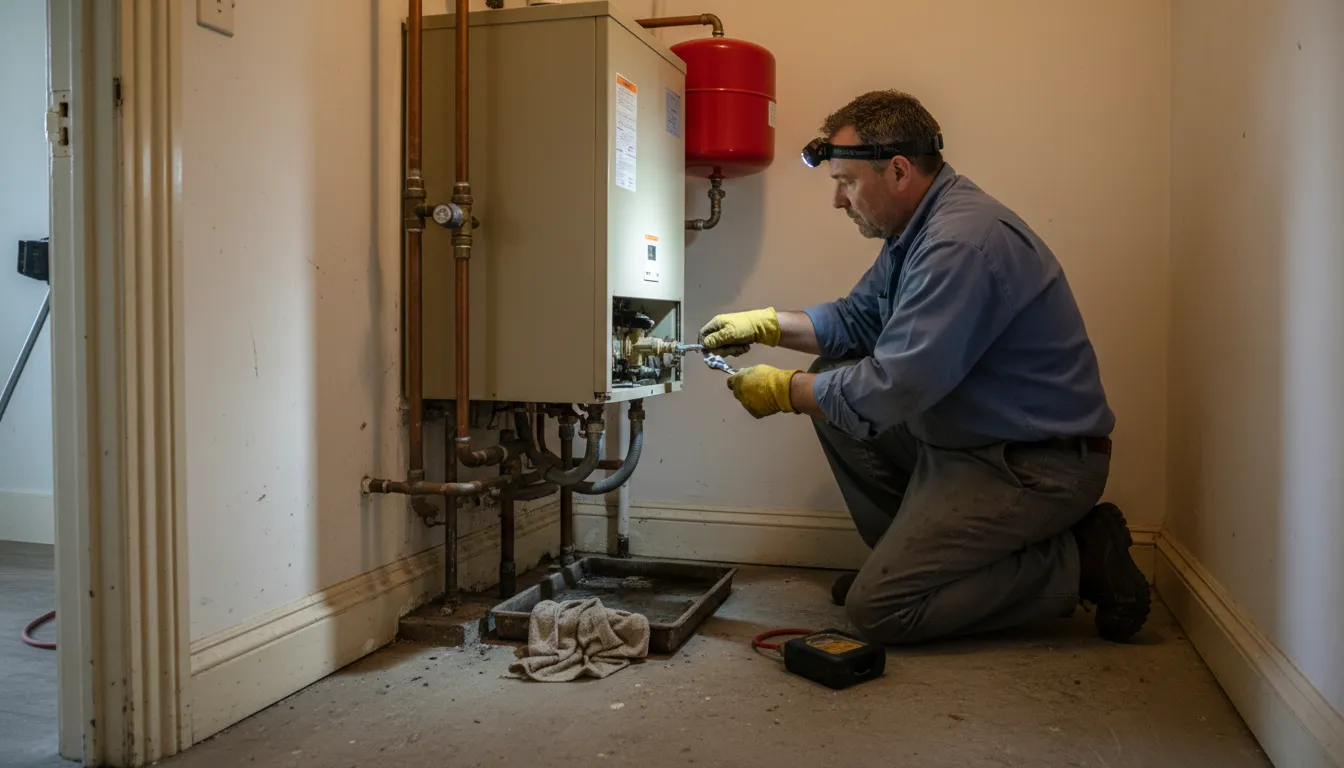
Find the Best Boiler Repair Contractors for Your Business
No obligation • Fast responses • Nationwide coverage

Why you can trust HVAC Firms
HVAC Firms is a leading United States resource for evaluating HVAC service providers. Our team researches companies, checks credentials, and reviews customer feedback to present clear, unbiased information. Listings and rankings are based on merit, and companies cannot pay to change our editorial content.
Search providers near you
Top Boiler Repair Contractors in Freeport, New York Ranked
Keeping your home warm and comfortable during Freeport's chilly winters depends on a reliable heating system. For many homes in the area, this means a hydronic boiler that provides steady, radiant heat through radiators or baseboard units. When your boiler acts up, knowing whether to repair or replace it is a critical decision that impacts your comfort, energy bills, and long-term investment. This guide is designed to help you understand your options, recognize the signs of a failing system, and connect with qualified local professionals who can assess your specific situation.
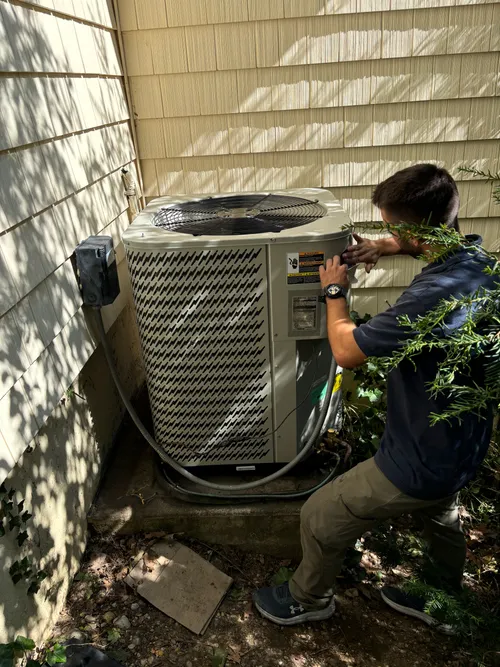
KOKA-TECH HVAC INC
60-21 Menahan St, Ridgewood, NY 11385
KOKA-TECH HVAC INC provides professional heating and cooling services in New York, NY, including installation, repair, and tune-ups for air conditioners, furnaces, heat pumps, boilers, and mini splits. They offer 24/7 emergency support and same-day availability, serving Queens, Brooklyn, Manhattan, Bronx, and Long Island. The company is licensed and insured, with a strong local presence and expertise in NYC buildings. With nearly 300 five-star reviews, KOKA-TECH HVAC INC is recognized for upfront quotes and customer approval before starting work.
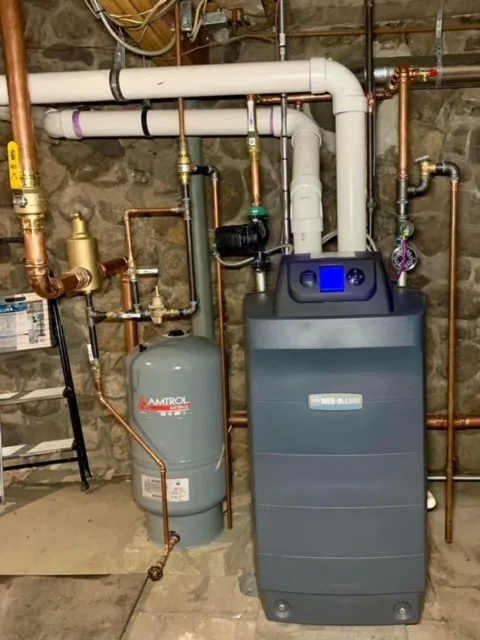
Liberty Heating & Cooling
66 Lincoln Pl, Garfield, NJ 07026
Liberty Heating & Cooling is a family-owned HVAC company based in Newark, NJ. They provide heating and air conditioning services for both residential and commercial properties, including installation, repair, and maintenance of boilers, furnaces, air conditioners, and ductless mini split systems. Their certified technicians have extensive experience in boiler and AC repairs as well as HVAC tune-ups, ensuring reliable system performance.
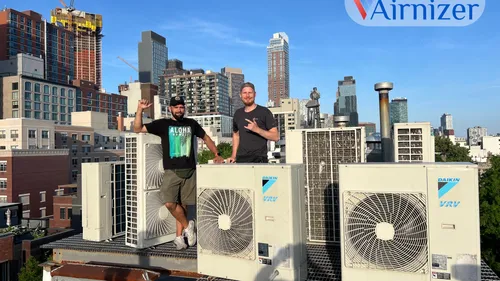
Airnizer HVAC
175 Pearl St Floor 1, suit 342, Brooklyn, NY 11201
Airnizer HVAC is an HVAC contractor based in New York, NY, specializing in the installation, repair, and maintenance of ductless mini split AC and heat pump systems. They serve multiple boroughs including Brooklyn, Queens, Manhattan, Bronx, and Staten Island. Their services cover all types of AC repairs, furnace, boiler, heat pump, and PTAC system maintenance and replacements. The team is certified and insured, focusing on practical solutions for heating and air conditioning needs.
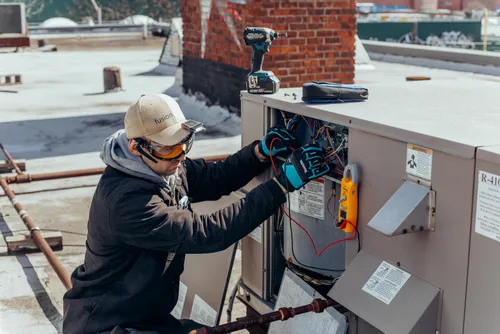
Manhattan HVAC & Appliance Repair Inc
48 W 14th St, New York, NY 10011
Manhattan HVAC & Appliance Repair Inc provides repair services for air conditioning, furnaces, heat pumps, and boilers in New York, NY. They offer emergency HVAC repairs with priority scheduling and clear communication, covering Manhattan up to 110th Street as well as Downtown Brooklyn, Park Slope, Brooklyn Heights, Dumbo, Williamsburg, Greenpoint, and Long Island City. Their dispatch team is available 24/7 to handle urgent requests and coordinate appointments efficiently.
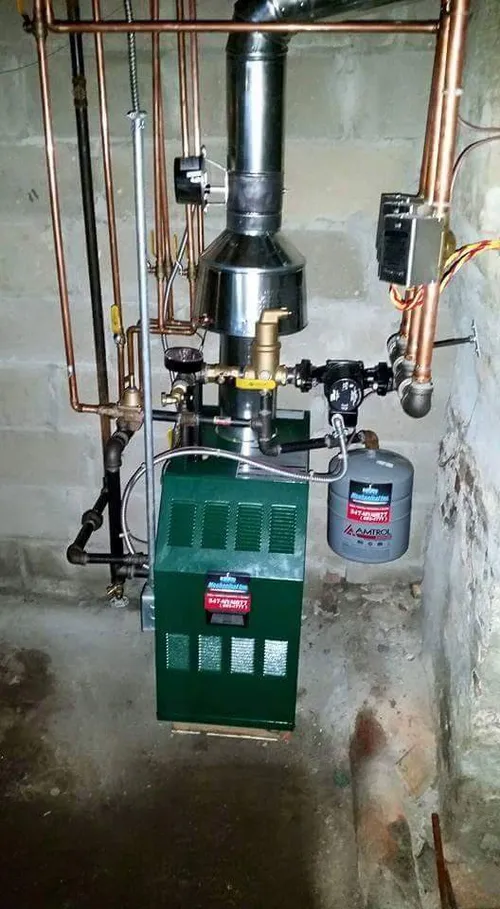
ASM Mechanical
152 Watchogue Rd, Staten Island, NY 10314
ASM Mechanical is an HVAC company based in Jersey City, NJ, specializing in residential and commercial heating and cooling services. They provide air conditioning, furnace, heat pump, and boiler installation, repair, and maintenance. The company is experienced in working with traditional steam boilers and gravity systems, offering expertise that is uncommon for older heating systems. ASM Mechanical also offers duct cleaning and HVAC tune-up services. They serve Jersey City and surrounding areas, providing 24/7 emergency repair services to ensure continuous comfort throughout the year.
Understanding Your Freeport Home's Heating System
Most homes in Freeport and across Long Island rely on hydronic heating systems. These systems use a boiler-typically fueled by natural gas or oil-to heat water, which is then circulated through a network of pipes to radiators, baseboard heaters, or even underfloor tubing. This method of distributing heat is often praised for its consistent warmth and lack of the drafts associated with forced-air systems.
The two most common setups are:
- Hot Water Boilers with Radiators/Baseboards: This is the classic setup in many older and newer Freeport homes. A gas or oil-fired boiler heats water, which is pumped through pipes to metal radiators or baseboard convectors in each room.
- Radiant Floor Heating: While less common in existing older homes, this luxury option involves a network of water-filled tubes installed beneath the flooring. It provides exceptionally even heat and is a popular choice for new construction or major renovations.
Understanding which system you have is the first step in diagnosing issues and communicating effectively with a technician.
Freeport's Climate and Your Boiler's Demands
Freeport's coastal location in USDA Hardiness Zone 5B means residents experience cold, sometimes harsh winters where a dependable heat source isn't just a comfort-it's a necessity 1. The heating season is long enough that system efficiency directly translates to significant savings or expenses on your fuel bills.
The coastal climate also brings higher humidity. While moisture in the air is less of a direct issue for sealed hydronic systems than for forced-air ducts, it can contribute to corrosion on external components if a boiler is located in a damp basement or utility room. This underscores the importance of proper installation and routine maintenance in our local environment.
Key Signs Your Boiler Needs Attention
Don't wait for a complete breakdown on the coldest night of the year. Be proactive by watching for these warning signs:
- Unusual Noises: Banging, whistling (kettling), or gurgling sounds often indicate limescale buildup, air in the system, or a failing pump.
- Temperature Inconsistency: If some radiators are cold while others are hot, or if your home struggles to reach the thermostat setting, you may have circulation problems or a faulty component.
- Rising Energy Bills: A gradual, unexplained increase in your gas or oil bills is a classic symptom of declining boiler efficiency.
- Frequent Repairs: If you're calling for service more than once a season, the system is becoming unreliable and costly to maintain.
- Visible Leaks or Rust: Any sign of water around the boiler or rust on the tank or pipes is a serious concern that requires immediate inspection.
- Pilot Light Issues: A yellow or flickering flame (instead of a steady blue) on a gas boiler can signal a dangerous carbon monoxide risk.
The Repair vs. Replacement Decision
This is the central question for any homeowner facing boiler trouble. The right choice balances immediate repair costs against long-term efficiency, reliability, and investment. Here are the general guidelines experts use, often called "The 50% Rule" 2.
When Repair is the Smart Choice
Opting for a boiler repair is often the most cost-effective path if:
- The System is Relatively New: If your boiler is less than 15 years old, it likely has considerable life left.
- The Problem is Minor and Isolated: Issues like a faulty circulator pump, a broken thermostat, or a leaking pressure valve are typically repairable at a reasonable cost.
- The Repair Cost is Low: A good rule of thumb is to repair if the fix costs less than 50% of the price of a new, high-efficiency boiler installation 3.
When Replacement is the Wiser Investment
Investing in a new boiler installation makes financial sense in the long run if:
- The Boiler is Old: Most boilers have a lifespan of 15-20 years. If yours is in this range or older, replacement parts may be hard to find, and efficiency is likely poor.
- You Face a Major Component Failure: If the heat exchanger-the core component-is cracked, replacement is almost always required, as this repair is prohibitively expensive.
- Repair Costs are High: When a repair quote approaches or exceeds 50% of a new system's cost, putting that money toward a new unit is smarter 4.
- Efficiency is Poor: An old boiler may operate at 70% Annual Fuel Utilization Efficiency (AFUE) or less. Modern high-efficiency models can achieve over 95% AFUE, dramatically reducing fuel waste.
- Breakdowns are Frequent: Constant repairs add up in cost and inconvenience, signaling systemic failure.
Find the perfect boiler repair contractors for your needs
Get personalized recommendations and expert advice
Costs, Savings, and Incentives for Freeport Homeowners
Understanding the financial landscape is crucial for planning.
Replacement Costs: A full boiler replacement in Freeport, including the new unit, installation, and any necessary updates to piping or controls, can range from $4,000 to over $10,000. The final price depends on the boiler's efficiency rating, brand, fuel type, and the complexity of the installation in your home.
Long-Term Energy Savings: This is where a new boiler shines. Upgrading from a 70% AFUE system to a 90%+ AFUE condensing boiler can cut your fuel consumption for heating by 20% or more. For a typical Long Island home, this can mean saving hundreds of dollars annually on heating bills 5.
Available Incentives: Making the upgrade can be more affordable thanks to several programs:
- Federal Tax Credits: The Inflation Reduction Act offers tax credits for installing qualified high-efficiency boilers.
- NYSERDA Programs: New York State Energy Research and Development Authority often has rebates or financing options for upgrading to ENERGY STAR certified heating equipment, including boilers and heat pumps.
Real-World Example: Consider an old 20-year-old boiler with 70% AFUE that needs a $1,500 repair. Applying the 50% rule, if a new high-efficiency boiler costs $7,000, the repair is 21% of the replacement cost-below the threshold. However, factoring in the $200+ in annual fuel savings and potential tax credits, investing in the new system may provide a better return on investment and immediate comfort 6.
Maintaining Your Boiler for Longevity
Once you have a reliable system, protect your investment with simple maintenance:
- Annual Professional Service: A certified technician should inspect and clean your boiler each fall. They will check for leaks, test safety controls, and ensure efficient operation.
- Monitor Pressure and Temperature: Keep an eye on your system's pressure gauge; typical residential systems should be between 12 and 25 psi.
- Bleed Radiators: If you have hot water radiators, bleeding them at the start of the season removes trapped air, ensuring even heat distribution.
- Keep the Area Clear: Maintain clear space around your boiler for proper ventilation and easy access for service.
Frequently asked questions
Sources
Footnotes
-
Residential Building Energy Efficiency Field Studies - https://www.energycodes.gov/sites/default/files/2021-07/LRMF_Studies_final_report_2020-06-24.pdf ↩
-
Boiler Repair vs Replacement: How to Make the Right Choice - https://www.grossiservicesinc.com/boiler-repair-vs-replacement-how-to-make-the-right-choice ↩
-
Boiler Troubles? How to Tell If It's Time for Repair or Replacement - https://www.halcoenergy.com/about-us/blog/49647-boiler-troubles-how-to-tell-if-its-time-for-repair-or-replacement.html ↩
-
I have boiler issues - should I repair or replace it? - Viessmann US - https://www.viessmann-us.com/en/guide/boiler-issues-repair-or-replace.html ↩
-
Should You Repair or Replace Your Boiler? | Westmore Fuel - https://www.westmorefuel.com/blog/planning-your-boiler-upgrade/ ↩
-
Boiler Repair vs Replacement in NJ - Smart Homeowner's Guide - https://zeekplumbing.com/boiler-repair-vs-replacement-nj-homeowners-guide/ ↩