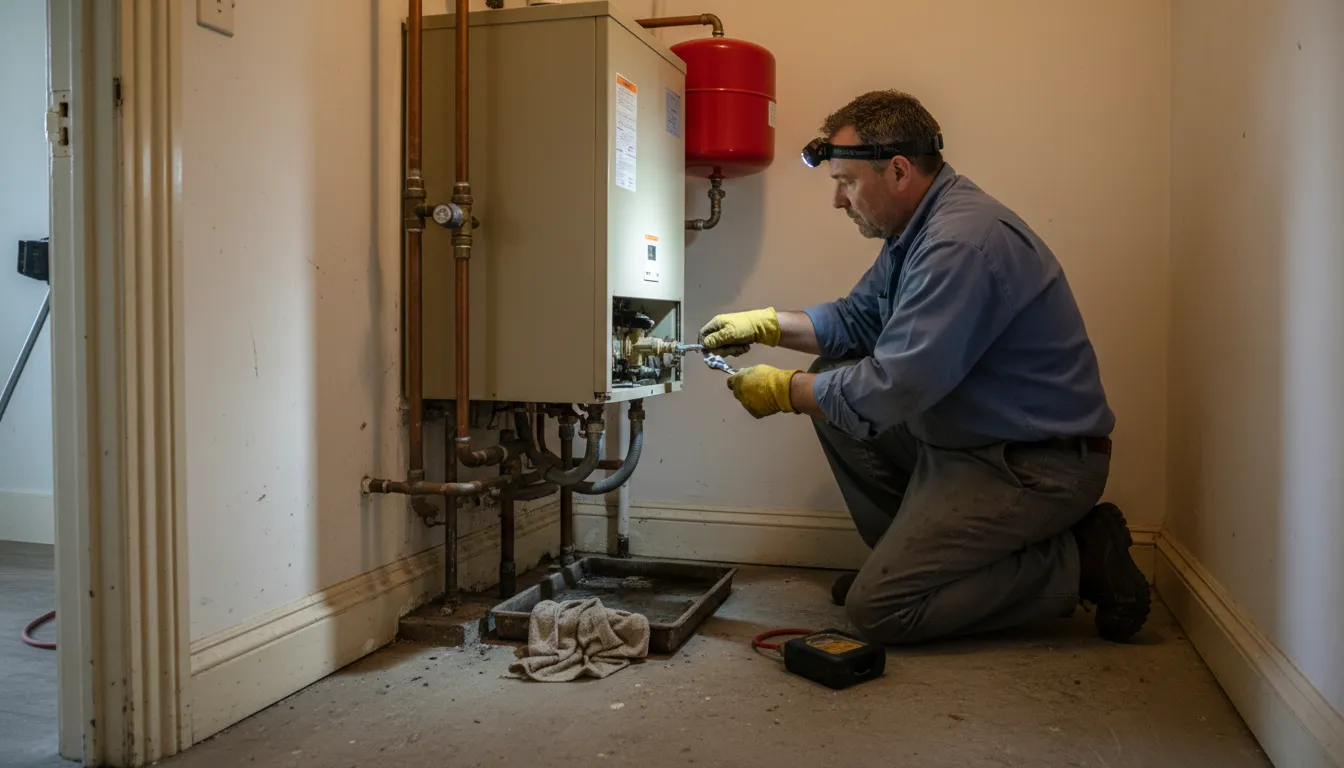
Find the Best Boiler Repair Contractors for Your Business
No obligation • Fast responses • Nationwide coverage

Why you can trust HVAC Firms
HVAC Firms is a leading United States resource for evaluating HVAC service providers. Our team researches companies, checks credentials, and reviews customer feedback to present clear, unbiased information. Listings and rankings are based on merit, and companies cannot pay to change our editorial content.
Search providers near you
Top Boiler Repair Contractors in Gary, Indiana Ranked
When the winter chill settles over Gary, a reliable heating system isn't just a luxury-it's a necessity. Boiler repair and maintenance are critical services for the many homes and businesses here that depend on hydronic heating systems, which use hot water to provide warmth through radiators, baseboards, or in-floor tubing. These systems are prized for their consistent, comfortable heat, especially during our cold Lake Michigan winters. This guide is designed to help you understand your hydronic heating system, recognize when it needs attention, and connect with qualified local specialists who can ensure your home stays warm, efficient, and safe.

Eco Temp HVAC
1210 S Indiana Ave APT 4611, Chicago, IL 60605
Eco Temp HVAC is a Chicago, IL-based company specializing in heating and cooling services. They offer installation, repair, and maintenance for air conditioners, furnaces, boilers, ductless mini split systems, and thermostats. The company also provides indoor air quality solutions and professional air duct cleaning. Eco Temp HVAC is certified by American Standard, Mitsubishi, and Navien, and has been serving the Chicago area since 2016. They provide 24/7 availability, ensuring assistance is always accessible for urgent HVAC needs.
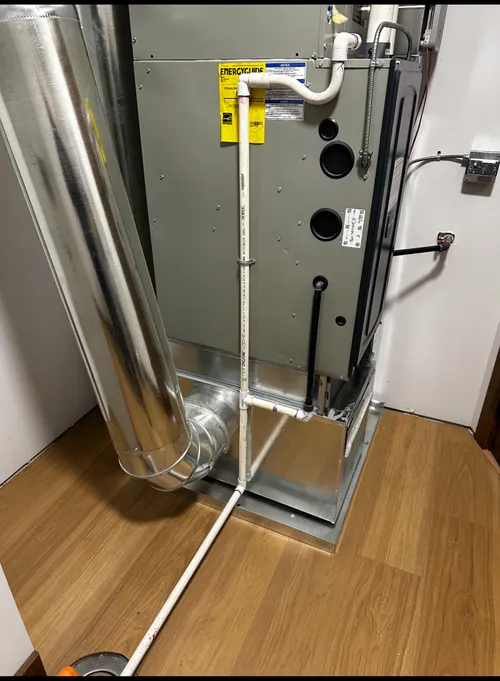
City & Suburban Heating & Cooling
1225 N Cleaver St, Chicago, IL 60642
City & Suburban Heating & Cooling is a family-owned HVAC company serving Chicago, IL. Established in 1952, they provide a wide range of heating and cooling services including installation, repair, and maintenance of furnaces, air conditioners, heat pumps, boilers, and ductless systems. Their expertise extends to indoor air quality solutions such as humidifiers, dehumidifiers, and duct maintenance. The company offers emergency HVAC services daily until midnight except Sundays, ensuring timely support for urgent needs. Their licensed and NATE-certified technicians focus on safe, efficient, and reliable system performance for both residential and commercial clients.
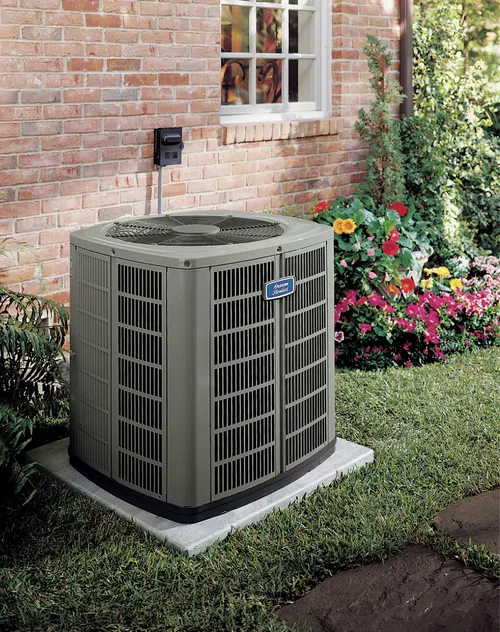
WINDY CITY MECHANICAL, INC.
4811 W 129th St, Alsip, IL 60803
WINDY CITY MECHANICAL, INC. is a heating and cooling specialist serving Chicago, IL. They provide a range of HVAC services including installation, repair, and maintenance for air conditioners, furnaces, boilers, mini split systems, and thermostats. As an American-Standard dealer, they offer a variety of indoor comfort products such as air cleaners, humidifiers, and zoning systems. Their licensed technicians handle both residential and commercial HVAC needs, with capabilities including sheet metal fabrication and indoor air quality solutions. The company also offers emergency service and maintenance contracts to help keep systems running efficiently.
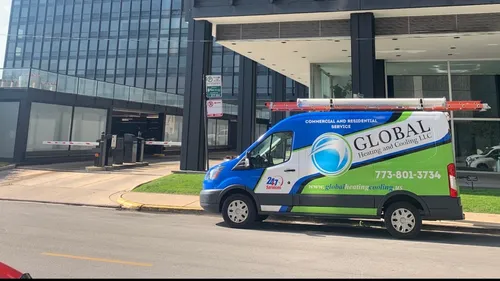
Global Heating and Cooling LLC
919 N Ashland Ave, Chicago, IL 60622
Global Heating and Cooling LLC is an HVAC contractor based in Chicago, IL, providing heating and cooling services to local homes and nearby neighborhoods. They offer a wide range of services including furnace, air conditioner, and boiler repair and installation, as well as indoor air quality improvements and smart thermostat installations. The company also specializes in hydronic heating and high velocity systems. Their technicians provide routine maintenance and 24/7 emergency repair services to help homeowners maintain comfort throughout the year.
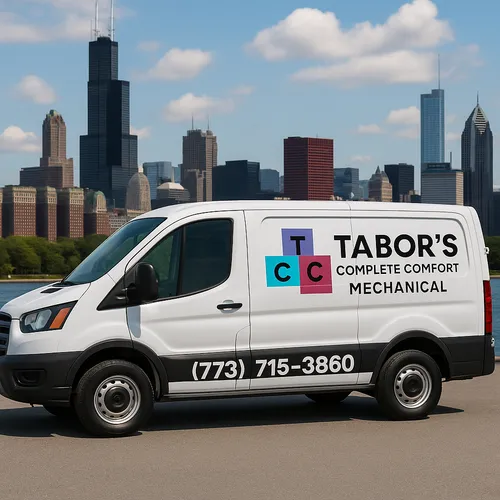
Tabor's Complete Comfort Mechanical
1449 S Michigan Ave, Chicago, IL 60605
Tabor's Complete Comfort Mechanical is a locally owned HVAC contractor serving Chicago, IL. Founded in 2005 by Alan Tabor, the company offers a wide range of heating and cooling services including furnace, boiler, and AC repair and installation, as well as indoor air quality solutions. With over 20 years of experience, they provide expert service on central air systems, ductless mini-splits, thermostats, and energy-efficient water heaters. Tabor's Complete Comfort Mechanical is known for thorough diagnostics and maintenance to ensure reliable system performance.
Understanding Hydronic Heating in Gary
Many buildings in Gary utilize hydronic heating systems, a method that circulates hot water from a boiler to various heat emitters throughout a home or commercial space. This includes classic cast-iron radiators, finned baseboard heaters, and modern radiant floor systems where tubing is embedded under the flooring 1 2. The central component is the boiler itself, which is typically gas-fired and heats the water that serves as the system's heat-transfer medium 3.
The popularity of these systems in our region is no accident. Hydronic heat is known for providing a steady, even warmth that avoids the drafts and temperature swings sometimes associated with forced-air systems. For enduring Gary winters, this consistent comfort is a significant advantage. However, this reliability depends entirely on the boiler and its associated components functioning correctly, which is why professional boiler service is so important.
Common Boiler Issues and Necessary Repairs
Like any complex mechanical system, boilers and their distribution networks can develop problems. Recognizing the signs early can prevent a minor issue from becoming a major, costly failure.
- No Heat or Inconsistent Heat: This is the most obvious sign of trouble. It could stem from a faulty circulator pump, a malfunctioning thermostat, issues with the gas valve or ignition system, or low water pressure in the system.
- Strange Noises: Banging, whistling, or gurgling sounds (often called "kettling") are not normal. These can indicate limescale buildup on the heat exchanger, air trapped in the lines, or a failing pump.
- Leaks: Any sign of water around the boiler, pipes, or radiators requires immediate attention. Leaks can cause water damage and indicate failing seals, corroded pipes, or a cracked heat exchanger.
- Pilot Light Problems: If the pilot light frequently goes out or burns yellow instead of blue, it may point to a dirty orifice, a faulty thermocouple, or a ventilation issue.
- Rising Energy Bills: A gradual increase in heating costs, without a change in usage, often signals declining boiler efficiency. This can be due to sediment buildup, a dirty burner, or general wear and tear on an aging unit.
For many of these issues, especially with newer, high-efficiency models, a timely repair is the most cost-effective solution. For instance, replacing a circulator pump or fixing a minor leak can often restore full function at a reasonable cost 4.
The Critical Decision: Repair or Replace Your Boiler?
One of the most common dilemmas homeowners face is whether to fix an existing boiler or invest in a new one. This decision hinges on several factors, with cost, age, and efficiency being the primary considerations.
A useful rule of thumb is the "50% Rule"5 6. If the estimated cost of a repair exceeds 50% of the price of a brand-new, high-efficiency boiler installation, replacement is usually the more prudent long-term financial decision. Continuing to pour money into an aging system with a major fault often leads to more repairs down the line.
Beyond cost, consider replacement if:
- Your boiler is over 15 years old. Efficiency drops significantly with age.
- It has a low AFUE (Annual Fuel Utilization Efficiency) rating. Modern condensing boilers can achieve AFUE ratings of 90% or higher, meaning they convert over 90% of the fuel into heat for your home. An old boiler operating at 70% AFUE is wasting 30 cents of every dollar you spend on fuel 7.
- You are facing frequent breakdowns. Constant repairs are a sign of systemic failure.
- You need incompatible or obsolete parts. For very old models, finding replacement parts can be difficult and expensive.
Investing in a new boiler replacement, while a significant upfront cost, brings substantial benefits: dramatically lower monthly energy bills, increased reliability, improved home comfort, and often a boost in property value.
Find the perfect boiler repair contractors for your needs
Get personalized recommendations and expert advice
Maintenance: The Key to Longevity and Efficiency
The single best way to avoid costly emergency boiler repairs and extend the life of your system is through regular, professional maintenance. An annual tune-up by a qualified technician is not just a recommendation; it's a crucial investment 8.
A thorough maintenance visit typically includes:
- Inspecting and cleaning the burner and heat exchanger.
- Checking all system controls and safety devices.
- Testing for proper water pressure and inspecting for leaks.
- Flushing the system if needed to remove sediment.
- Lubricating moving parts.
For Gary residents, system flushing deserves special attention. Our water can contribute to mineral buildup inside the boiler and pipes over time. Experts recommend having a professional power flush performed every 5 to 7 years to maintain peak efficiency and prevent corrosion 9 10. This process removes sludge and scale that can insulate heat exchangers and restrict water flow, forcing your boiler to work harder.
Modern Upgrades: PEX Piping and High-Efficiency Boilers
If you are considering a system replacement or a significant upgrade, modern technologies offer excellent benefits. Many professionals now use PEX (cross-linked polyethylene) tubing for repairs and new installations in hydronic systems 11. PEX is flexible, resistant to freeze damage (a valuable trait in our climate), corrosion-proof, and often results in quieter operation compared to traditional metal pipes.
When selecting a new boiler, look for high-efficiency condensing models. These units extract more heat from the combustion gases, resulting in exceptional fuel savings. Another popular option is the combi-boiler, which provides both space heating and domestic hot water from a single, compact unit, eliminating the need for a separate water heater 12.
Finding the Right Professional in Gary
Given the complexity of hydronic systems, proper diagnosis and installation are not DIY projects. Working with a licensed, insured, and experienced HVAC professional who specializes in boilers and hydronic heating is essential. They have the training to safely handle gas lines, electrical connections, and system pressurization. When seeking quotes, ask about their experience with your specific type of system (radiators, baseboard, radiant floor), request references, and ensure they pull the proper permits for the work. Getting multiple detailed estimates is the best way to ensure you receive fair pricing and a clear scope of work for your boiler service needs in Gary.
Frequently asked questions
Sources
Footnotes
-
4 Different Types of Heating Systems | Martel Plumbing and Heating - https://www.martelplumbingri.com/blog/4-different-types-of-heating-systems/ ↩
-
Types of Hydronic Heating Systems - Navien - https://www.navieninc.com/blog/notice/types-of-hydronic-heating-systems ↩
-
What Are The Different Types Of Heating Systems? - https://jerrykelly.com/blog/what-are-the-different-types-of-heating-systems/ ↩
-
Boiler Troubles? How to Tell If It's Time for Repair or Replacement - https://www.halcoenergy.com/about-us/blog/49647-boiler-troubles-how-to-tell-if-its-time-for-repair-or-replacement.html ↩
-
When to replace vs repair your boiler - https://yorkshireheatingrenewables.co.uk/advice/when-to-replace-vs-repair-your-boiler/ ↩
-
The Pros and Cons of Boiler Replacement vs. Repair - AN Heating - https://anheating.co.uk/the-pros-and-cons-of-boiler-replacement-vs-repair/ ↩
-
Boiler Replacement in St. Louis, MO - Unique Heating & Cooling - https://www.uniqueheatingcooling.com/boilers/boiler-replacement-in-st-louis-mo ↩
-
Why It's Crucial to Service Your Boiler - Hunt Heat - https://huntheat.com.au/blog/why-its-crucial-to-service-your-boiler-every-year/ ↩
-
Pros and Cons of Hydronic Heating | First Supply - https://www.firstsupply.com/Knowledge-Center/pros-and-cons-of-hydronic-heating ↩
-
Should Hydronic Heating Systems Be Flushed? - Fante's HVAC - https://fantesphvac.com/should-hydronic-heating-systems-be-flushed/ ↩
-
Residential PEX Water Supply Plumbing Systems - HUD User - https://www.huduser.gov/PORTAL//Publications/PDF/pex_design_guide.pdf ↩
-
Hydronics: What the $#%@ is That?! - ECI Comfort - https://www.ecicomfort.com/blog/what-is-a-hydronics-system ↩