Find the Best Boiler Repair Contractors for Your Business
No obligation • Fast responses • Nationwide coverage

Why you can trust HVAC Firms
HVAC Firms is a leading United States resource for evaluating HVAC service providers. Our team researches companies, checks credentials, and reviews customer feedback to present clear, unbiased information. Listings and rankings are based on merit, and companies cannot pay to change our editorial content.
Search providers near you
Top Boiler Repair Contractors in Waterbury, Connecticut Ranked
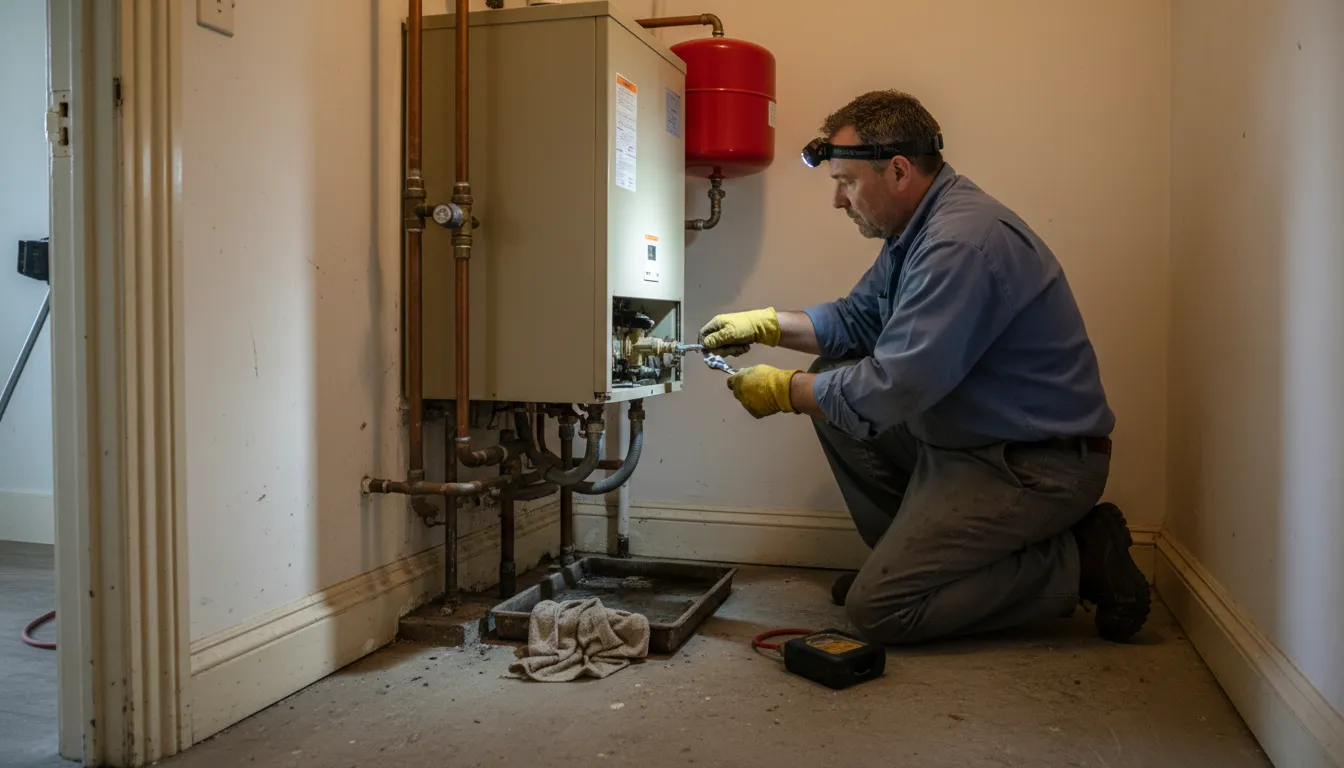
When a boiler fails in Waterbury, it's more than an inconvenience-it's a threat to your home's comfort and safety during Connecticut's cold winters. Boiler repair and maintenance services are essential for keeping hydronic heating systems, which are common in many local homes, running reliably and efficiently. This guide explains what you need to know about boiler service, common issues, and how to find qualified local specialists to ensure your home stays warm.
Understanding Waterbury's Common Heating Systems
Many homes in Waterbury and across Connecticut rely on hydronic heating systems 1. These systems use a boiler to heat water, which is then circulated through a network of pipes to radiators or baseboard units throughout the house. This method provides a consistent, comfortable radiant heat that is particularly well-suited to cold climates 1. The boilers themselves can be powered by various fuels, with natural gas and oil being the most common types found in older and newer homes alike 2.
Recognizing that your home uses a boiler-based system is the first step. Unlike forced-air furnaces that heat air, a boiler heats water. This means the repair expertise required is specific to components like circulator pumps, zone valves, expansion tanks, and complex control systems. When these components fail, you need a technician skilled in hydronic system repair.
Why Timely Boiler Service is Critical in Connecticut's Climate
Connecticut's winters demand a heating system that can perform reliably through sustained periods of cold. A well-maintained boiler does more than just prevent a chilly house; it operates safely and efficiently. Neglected maintenance can lead to:
- Reduced Efficiency: Mineral buildup (scale) on heat exchangers or soot in combustion chambers forces the boiler to work harder, increasing your energy bills.
- Increased Breakdown Risk: Small issues, like a slight leak from a pump seal or a faulty pressure relief valve, can escalate into major, costly failures, often at the worst possible time.
- Safety Hazards: Problems with the combustion process, gas valve, or flue can pose risks of carbon monoxide exposure or other dangers.
Regular professional maintenance, typically recommended annually before the heating season, can identify and resolve these issues early. For Waterbury homeowners, this proactive approach to boiler maintenance is a key strategy for managing winter energy costs and ensuring system longevity.
Common Boiler Repairs in Residential Systems
What goes wrong with a boiler? Several components are common culprits for service calls:
- Circulator Pump Failure: This pump moves hot water through the pipes. When it fails, you'll have cold radiators even if the boiler is firing. Replacing a faulty circulator is a common repair.
- Ignition or Pilot Light Problems: Whether it's an electronic ignition system or a standing pilot light, issues here will prevent the boiler from starting. This can involve thermocouples, ignition controls, or gas valves.
- Leaking Pipes or Valves: Corrosion or failed seals can cause leaks at various points, from the pressure relief valve to pipe connections or the pump itself.
- Faulty Thermostats or Controls: Modern boilers have sophisticated control boards that manage temperature, pump operation, and safety features. A malfunction here can cause erratic heating or a complete shutdown.
- Low Water Pressure: Hydronic systems need to maintain proper water pressure. Frequent pressure loss can indicate a leak or a problem with the automatic feed valve or expansion tank.
Understanding these common issues can help you describe problems more accurately to a boiler repair specialist, leading to faster and more effective service.
Find the perfect boiler repair contractors for your needs
Get personalized recommendations and expert advice
Evaluating Repair Versus Replacement for Your Boiler
One of the most significant decisions a homeowner faces is whether to repair an ailing boiler or invest in a new one. The right choice depends on several factors specific to your system and situation 3.
When Repair is Often the Best Path:
- The boiler is relatively young, typically under 15 years old.
- The problem is isolated to a single, repairable component like a pump or valve.
- The system has been generally reliable, and this is a first or rare issue.
- The cost of the repair is modest compared to the value and expected remaining life of the unit.
When Replacement Should Be Seriously Considered:
- The boiler is over 20 years old. Most systems have a lifespan of 15-30 years.
- You are facing frequent breakdowns, signaling a system-wide decline.
- Your winter energy bills are consistently and inexplicably high, indicating poor efficiency.
- A major component like the heat exchanger has failed; this repair often costs nearly as much as a new unit.
- You want to upgrade to a safer, more efficient model and take advantage of modern incentives.
Making this decision requires a professional assessment. A trustworthy technician can provide a clear comparison of repair costs versus the long-term benefits of a new, efficient installation.
The Benefits of Modern, High-Efficiency Boiler Systems
If replacement is the right choice, today's technology offers substantial advantages. Upgrading from an old, 70% AFUE (Annual Fuel Utilization Efficiency) boiler to a modern high-efficiency condensing boiler (95% AFUE or higher) can dramatically reduce your fuel consumption. These models extract more heat from the combustion gases, cooling them so much that water vapor condenses. Other advancements include:
- Modulating Burners: These adjust the flame in small increments to match the heating demand precisely, improving comfort and efficiency over older single-stage models.
- Sealed Combustion: This draws outside air for burning, improving safety and efficiency, especially in tightly sealed homes.
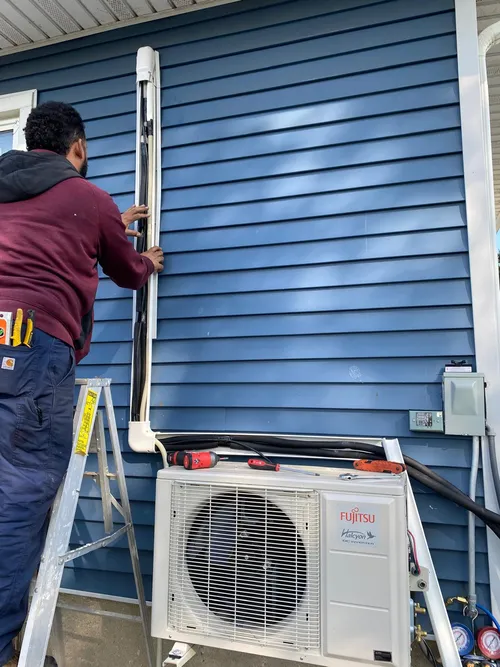
- Compatibility with Renewable Systems: Modern boilers can often be integrated as a backup for or complement to air-source or geothermal heat pump systems, a popular option for comprehensive home efficiency upgrades.
Investing in a new boiler is a significant decision, but the payoff comes in lower monthly bills, increased reliability, and improved home comfort for years to come.
Navigating Costs and Incentives for Waterbury Homeowners
Cost is always a primary concern. Boiler repair costs can vary widely based on the issue:
- A common repair like replacing a circulator pump might range from several hundred to around nine hundred dollars.
- More complex issues involving controls or the heat exchanger can quickly climb into the thousands.
For a full boiler replacement, homeowners should be prepared for an investment typically ranging from $5,000 to $10,000 or more installed, depending on the system's complexity, efficiency rating, and fuel type.
However, there is good news for Connecticut residents looking to upgrade. The state offers incentives to help offset the cost of high-efficiency heating equipment. Organizations like the Connecticut Green Bank (CGB) provide financing options and rebates for qualified energy-efficient upgrades, which can include new boilers or heat pumps4 5. For example, a rebate of $1,000-$2,000 could significantly reduce the net cost of a new $7,000 high-efficiency condensing gas boiler4. It's essential to consult with a qualified local installer who is familiar with these programs and can help you navigate the application process to maximize your savings.
Finding Qualified Boiler Repair Specialists in Waterbury
Your boiler is a complex appliance, and proper service requires specific expertise. When searching for a hydronic heating professional in Waterbury, look for:
- Proper Licensing & Insurance: Ensure the company holds all required Connecticut state and local licenses for plumbing and heating work and carries adequate liability insurance.
- Specialized Experience: Seek out technicians who specifically advertise expertise in boilers and hydronic systems, not just general HVAC.
- Positive Reviews & References: Check online reviews and ask for references from recent customers with similar repair or replacement projects.
- Detailed Estimates: A reputable pro will provide a clear, written estimate that breaks down parts, labor, and any potential ancillary costs before work begins.
- Familiarity with Incentives: As mentioned, a knowledgeable contractor will be aware of current state and utility rebate programs.
Taking the time to find a skilled and trustworthy professional is the best way to ensure your boiler repair or replacement is done correctly, safely, and efficiently, restoring reliable heat to your Waterbury home.
Frequently asked questions
Sources
Footnotes
-
Pros and Cons of Hydronic Heating | First Supply - https://www.firstsupply.com/Knowledge-Center/pros-and-cons-of-hydronic-heating ↩ ↩2
-
4 Different Types of Heating Systems | Martel Plumbing and Heating - https://www.martelplumbingri.com/blog/4-different-types-of-heating-systems/ ↩
-
The Pros and Cons of Boiler Replacement vs. Repair - AN Heating - https://anheating.co.uk/the-pros-and-cons-of-boiler-replacement-vs-repair/ ↩
-
Connecticut Boiler Guide: Residential Installs and ... - https://egreenhvac.com/blog/connecticut-boiler-guide-residential-installs-and-replacements/ ↩ ↩2
-
Heat-Pumps-in-the-Northeast-and-Mid-Atlantic---Costs-and ... - https://otcair.org/upload/Documents/Reports/Heat-Pumps-in-the-Northeast-and-Mid-Atlantic---Costs-and-Market-Trends.pdf ↩