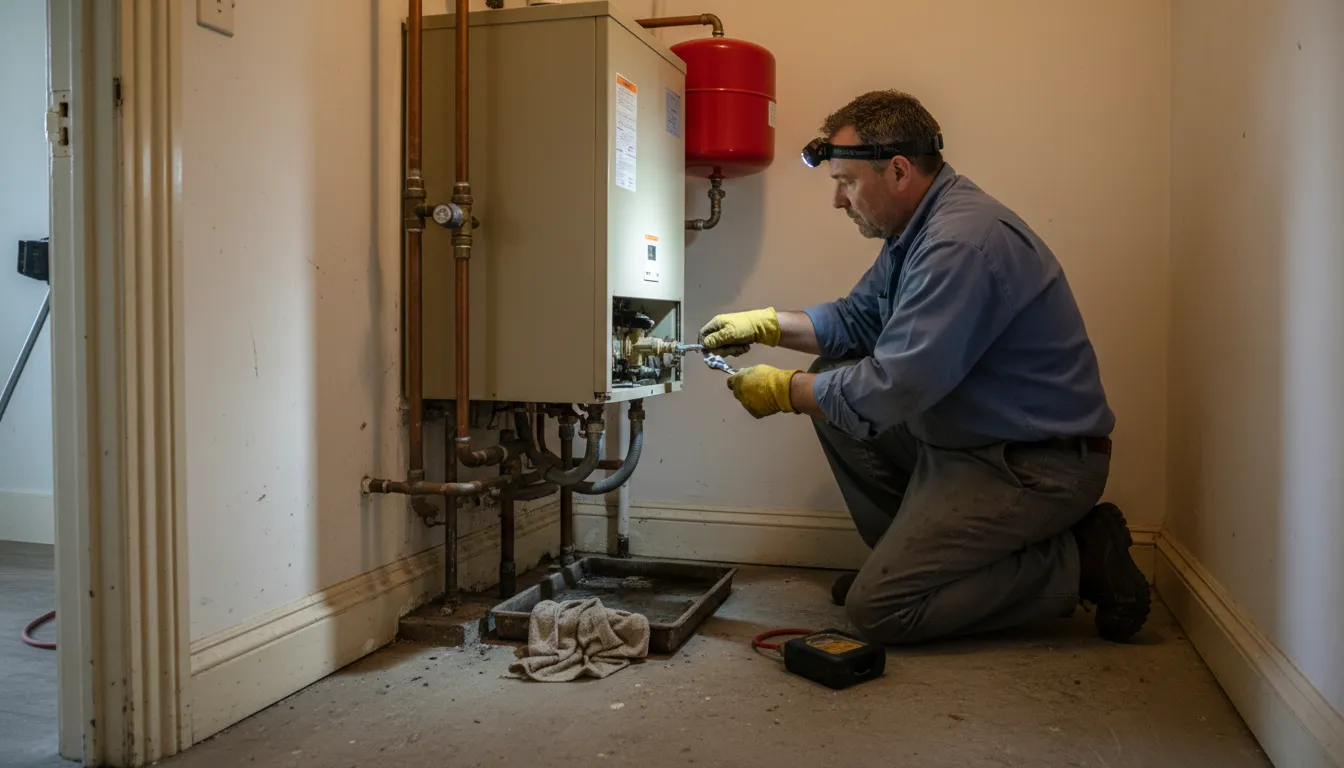
Find the Best Boiler Repair Contractors for Your Business
No obligation • Fast responses • Nationwide coverage

Why you can trust HVAC Firms
HVAC Firms is a leading United States resource for evaluating HVAC service providers. Our team researches companies, checks credentials, and reviews customer feedback to present clear, unbiased information. Listings and rankings are based on merit, and companies cannot pay to change our editorial content.
Search providers near you
Best Boiler Repair Contractors in Connecticut Ranked
A properly functioning boiler is essential for reliable, efficient home heating, especially during Connecticut's cold winters. When your hydronic or steam heating system fails, it's more than an inconvenience-it's a safety and comfort issue that requires expert attention. This guide provides clear, practical information on common boiler problems, maintenance tips, regulatory requirements, and what to expect from professional service, helping you make informed decisions to restore warmth and safety to your home.
Common Boiler Problems in Connecticut Homes
Connecticut's climate puts significant strain on residential heating systems. Hydronic boilers, which heat water to circulate through radiators or baseboards, are susceptible to several specific issues. Recognizing these problems early can prevent more extensive and costly damage.
- Leaks: Water leaks can originate from pipes, valves, gaskets, or the tank itself. Even a small drip can lead to water damage, mold growth, and a dangerous loss of system pressure.
- Circulator Pump Failure: The pump is responsible for moving hot water throughout your home. When it fails, heat distribution stops, leaving you with a hot boiler but cold radiators.
- Sediment and Scale Buildup: Over time, minerals in the water can settle and form scale inside the heat exchanger and pipes. This buildup, often called "kettling" due to the rumbling noise it causes, restricts water flow and drastically reduces efficiency.
- Air in the System: Trapped air in pipes or radiators creates cold spots and reduces overall heat output. This is a common issue that often requires "bleeding" the radiators to release the air.
- Low Water Pressure/Level: Boilers operate within a specific pressure range. Low pressure or water level can cause the system to shut down as a safety precaution and, if ignored, can lead to severe component damage 1 2.
- Frozen Pipes: Exposed condensate lines or pipes in unheated spaces like basements or crawlspaces can freeze during Connecticut's harsh winters, causing a complete system shutdown.
- Strange Noises: Banging, gurgling, whistling, or rumbling are rarely normal. These sounds often signal underlying issues like air pockets, pump problems, or significant scale buildup.
A Homeowner's Maintenance Checklist
Proactive maintenance is the best defense against unexpected boiler breakdowns. Following a simple routine can extend the life of your system and improve its efficiency.
- Monitor Key Indicators: Regularly check the system's pressure gauge to ensure it's within the normal range (typically 12-15 psi for many residential systems). Observe the thermostat response and visually inspect for any signs of water around the unit.
- Inspect Visually: Look for signs of corrosion, rust, or new moisture around fittings, valves, and the tank. In winter, check for signs of frozen pipes leading to or from the unit 3.
- Bleed Radiators: If you notice cold spots at the top of your radiators, it's likely trapped air. Bleeding them is a common DIY task that can restore proper heat flow.
- Keep the Area Clean: Ensure the space around your boiler is clear of clutter, dust, and flammable materials. Proper airflow is crucial for safe operation.
- Listen Attentively: Make a mental note of your boiler's normal operating sounds. Any new or unusual noise like banging or kettling is a cue to investigate further or call a professional.
Understanding Connecticut Regulations and Safety Inspections
Boiler repair and inspection are regulated for public safety. In Connecticut, boilers are governed under state statutes, and compliance with national codes like those from the ASME (American Society of Mechanical Engineers) is mandated 4. This means major repairs and installations should only be performed by licensed professionals.
A professional safety inspection is not just a formality. A qualified technician will check critical components including combustion efficiency, safety relief valves, low-water cutoffs, pressure controls, and overall operational integrity 5 6. These inspections can uncover hidden dangers like fine cracks, internal corrosion, or scaling that a homeowner might miss, ensuring your system operates safely and reliably 5.
Find the perfect boiler repair contractors for your needs
Get personalized recommendations and expert advice
What to Expect: Repair Scope and Associated Costs
Boiler repair costs in Connecticut vary widely based on the problem's complexity, the boiler's age, and the need for emergency service. Understanding the general scope of repairs can help you budget appropriately.
- Minor Repairs & Maintenance: This includes tasks like bleeding the system of air (which can be DIY) or having a professional perform a tune-up and system bleed, typically ranging from $100 to $300 7. Replacing a thermostat or basic controls may cost between $150 and $400.
- Moderate Repairs: Replacing a failed circulator pump is a common moderate repair. Depending on the pump type and labor, this can cost between $300 and $800 or more 8 9. Repairing leaks at joints or valves also falls into this category.
- Major Repairs: The most expensive issues involve core components. Repairing or replacing a cracked heat exchanger, addressing a major leak in the tank, or fixing a faulty burner assembly can range from $1,000 to over $3,000 10 11. These repairs often require a detailed diagnosis to determine if repair or full replacement is more economical.
- Emergency Service: For repairs needed outside of normal business hours, on weekends, or during holidays, expect a premium service fee. Prioritizing annual maintenance is the most effective way to avoid these emergency scenarios.
Choosing a knowledgeable professional familiar with Connecticut's specific codes and common regional issues is crucial. They can provide an accurate diagnosis, explain your options clearly, and ensure the repair meets all safety standards, restoring peace of mind along with your heat.
Frequently asked questions
Sources
Footnotes
-
Water Levels in Steam Boilers - Spirax Sarco - https://www.spiraxsarco.com/learn-about-steam/the-boiler-house/water-levels-in-steam-boilers?sc_lang=en-GB ↩
-
Low Water Boiler Conditions: Avoiding Boiler Catastrophes - https://www.rasmech.com/blog/low-water-boiler-conditions-avoiding-boiler-catastrophes/ ↩
-
Home Inspection Checklist For Inspectors in Connecticut? - https://kristinegmont.com/home-inspection-checklist-for-inspectors-in-connecticut/ ↩
-
Chapter 540 - Boilers and Water Heaters - CGA.ct.gov - https://www.cga.ct.gov/2019/pub/chap_540.htm ↩
-
Common Problems and Inspection Requirements During Boiler ... - https://www.epcbboiler.com/boiler-periodic-inspection.html ↩ ↩2
-
Boiler Inspection Guide: What You Need To Do | RasMech - https://www.rasmech.com/blog/boiler-inspection-guide/ ↩
-
Boiler Maintenance Checklist: Heating System Upkeep Guide - https://skaggswalsh.com/boiler-maintenance-checklist-sw/ ↩
-
Troubleshoot Your Hydronic Heating System - InMotion Mechanical - https://inmotionheating.com/troubleshooting-hydronic-heating-system/ ↩
-
How to Troubleshoot Common Issues with Your Hydronic Heating System - https://hydeheatingandcooling.com.au/blog/how-to-troubleshoot-common-issues-with-your-hydronic-heating-system/ ↩
-
13 Common Boiler Problems to Watch Out for This Winter - https://ffhitchcock.com/13-common-boiler-problems-to-watch-out-for-this-winter/ ↩
-
Local Boiler Repair Services Across Connecticut | Degree HVAC - https://www.degreeheatingandcooling.com/boiler-repair-in-glastonbury-ct/ ↩