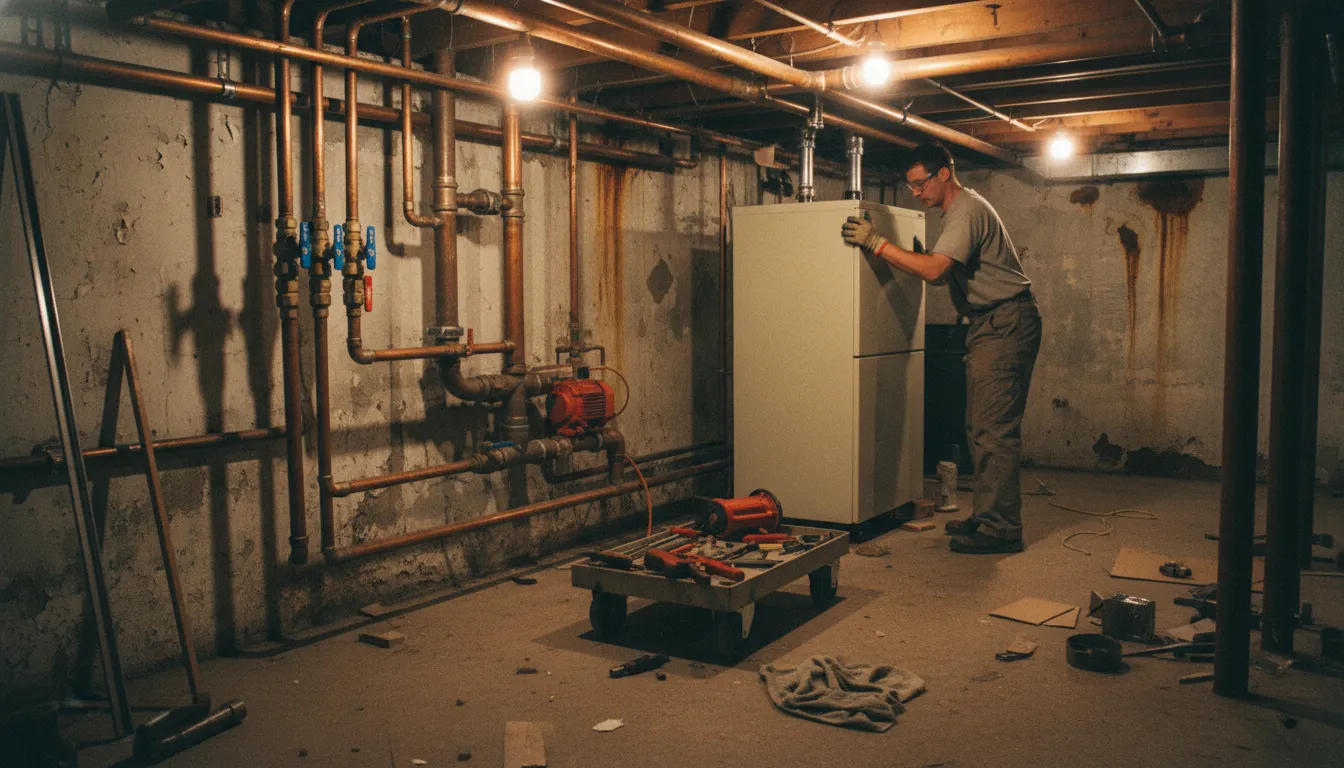
Find the Best Boiler Installation & Replacement Contractors for Your Business
No obligation • Fast responses • Nationwide coverage

Why you can trust HVAC Firms
HVAC Firms is a leading United States resource for evaluating HVAC service providers. Our team researches companies, checks credentials, and reviews customer feedback to present clear, unbiased information. Listings and rankings are based on merit, and companies cannot pay to change our editorial content.
Search providers near you
Top Boiler Installation & Replacement Contractors in New York, New York Ranked
Installing or replacing a boiler in New York City is a significant home improvement project that directly impacts your comfort, energy bills, and safety. Unlike simpler upgrades, a boiler setup or swap involves navigating a complex web of local regulations, securing permits, and working with specially licensed professionals. This guide explains the critical steps, costs, and compliance requirements for boiler work in NYC, helping you understand the process and connect with qualified local specialists who can ensure your project meets all city codes.
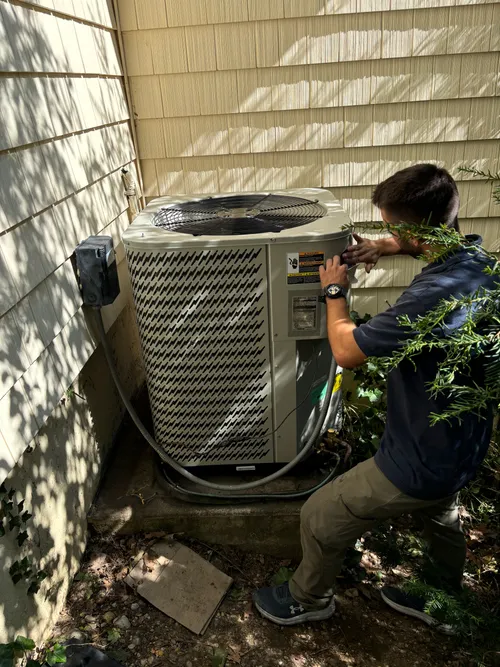
KOKA-TECH HVAC INC
60-21 Menahan St, Ridgewood, NY 11385
KOKA-TECH HVAC INC provides professional heating and cooling services in New York, NY, including installation, repair, and tune-ups for air conditioners, furnaces, heat pumps, boilers, and mini splits. They offer 24/7 emergency support and same-day availability, serving Queens, Brooklyn, Manhattan, Bronx, and Long Island. The company is licensed and insured, with a strong local presence and expertise in NYC buildings. With nearly 300 five-star reviews, KOKA-TECH HVAC INC is recognized for upfront quotes and customer approval before starting work.
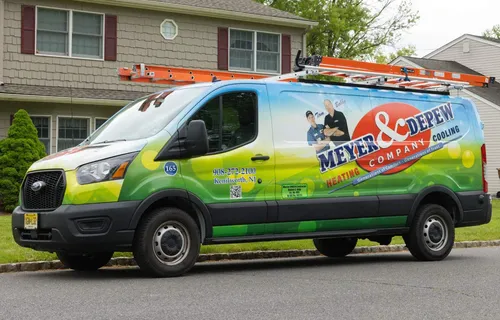
Meyer & Depew Co., Inc.
309 Lafayette Ave, Kenilworth, NJ 07033
Meyer & Depew Co., Inc. is an HVAC company serving Newark, NJ, specializing in air conditioning, furnace, and boiler installation, repair, and maintenance. They offer services including central AC installation, heating system tune-ups, and ductless mini split system installations. The company provides 24/7 availability for heating and air conditioning repairs and maintenance. Their technicians are licensed and experienced in handling high-efficiency heating and cooling systems, including Energy Star® boilers and furnaces. Meyer & Depew has a strong presence in central and northern New Jersey and is known for its preventative maintenance plans and technical expertise.
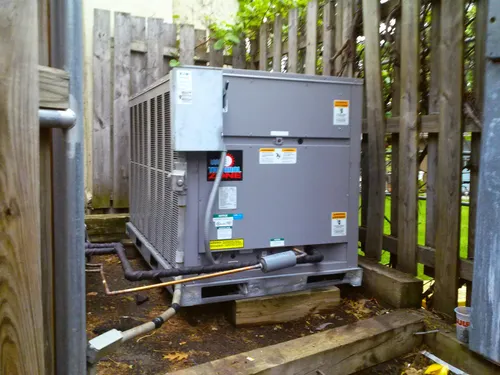
Airtek Mechanical Heating & Cooling LLC
400 Valley Brook Ave, Lyndhurst, NJ 07071
Airtek Mechanical Heating & Cooling LLC is an HVAC contractor based in Newark, NJ, providing residential and commercial heating, cooling, and refrigeration services. They offer repairs, installations, and maintenance for air conditioning, furnaces, boilers, and ductless mini-split systems. Their capabilities include 24-hour emergency HVAC repairs and servicing a variety of unit types such as rooftop package units and wall air conditioners. With over 10 years of experience, Airtek Mechanical serves Newark and surrounding areas with a focus on comprehensive HVAC solutions.
Woolley Home Solutions
12 Burnet Ave, Maplewood, NJ 07040
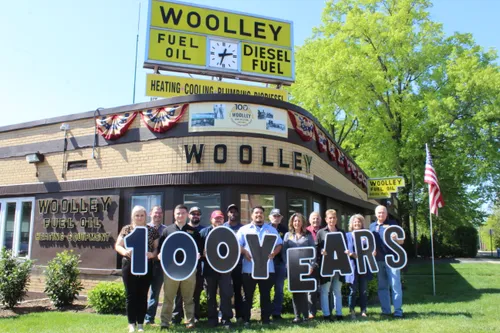
Woolley Home Solutions is a family-owned HVAC and plumbing company serving Newark, NJ, and surrounding counties. They provide heating and cooling services including installation and repair of oil and gas furnaces, boilers, dual fuel systems, and air conditioning units. Woolley Home Solutions also offers plumbing services such as repairs and fixture installations. With over 100 years of experience, the company emphasizes reliable home comfort solutions and incorporates Bioheat® fuel, a low-carbon energy source compatible with existing heating equipment.
Liberty Heating & Cooling
66 Lincoln Pl, Garfield, NJ 07026
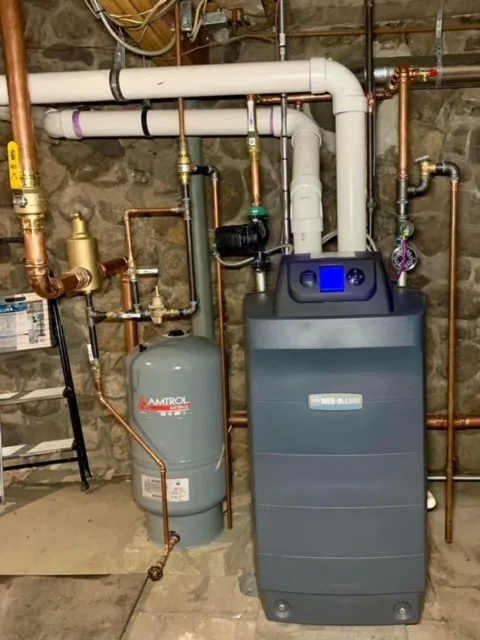
Liberty Heating & Cooling is a family-owned HVAC company based in Newark, NJ. They provide heating and air conditioning services for both residential and commercial properties, including installation, repair, and maintenance of boilers, furnaces, air conditioners, and ductless mini split systems. Their certified technicians have extensive experience in boiler and AC repairs as well as HVAC tune-ups, ensuring reliable system performance.
Understanding NYC's Boiler Systems
Most heating systems in New York City are hydronic boilers. These units heat water (or a water-antifreeze mix) that is then circulated through pipes to radiators, baseboard heaters, or even in-floor tubing. This method provides consistent, comfortable heat. The two primary fuel types are natural gas and oil, each with its own set of installation rules concerning fuel lines, tanks, and ventilation.
Selecting the right boiler involves calculating the building's heat load, measured in British Thermal Units (BTUs). An improperly sized unit-too large or too small-will operate inefficiently, leading to higher costs and uneven heating. A proper design plan, required for permits, will detail the BTU capacity, fuel type, piping layout, control systems, and how the unit integrates with your domestic hot water supply 1.
The Non-Negotiable: NYC Regulations and Permits
New York City has some of the strictest building codes in the country, and boiler work is no exception. Understanding these rules is essential before any work begins.
Licensing is Paramount: Only a Licensed Master Plumber (LMP) or a Licensed Oil Burner Installer (LIB) is legally allowed to install or replace a boiler and pull the necessary permits. Hiring an unlicensed contractor can result in failed inspections, fines, and unsafe conditions.
Permit Process: A permit from the NYC Department of Buildings (DOB) is required for all new installations and replacements. This is typically done online via the DOB's E-Permit system. Your licensed professional must be registered with the city, have active insurance, and pay the associated fees to obtain this permit 2.
Mandatory Inspections: The most critical inspection is the First Test Inspection. This must be performed by your licensed installer on the new or replaced boiler before it is put into service. Once it passes, a sign-off is issued 3. Furthermore, most boilers in NYC require Annual Inspections by a qualified professional. Reports from these inspections must be filed with the DOB within 14 days, with significant penalties for late filing or failure to file.
Key Installation Requirements and Components
A successful installation goes beyond just connecting the new unit. NYC code mandates several specific components and practices.
- Expansion Tanks: For hot water boilers, a properly sized and securely fastened expansion tank is mandatory to accommodate the expansion of heated water and maintain safe system pressure 4.
- Venting and Combustion Air: The boiler must be vented according to the manufacturer's specifications and city code. This often requires creating a new roof penetration or connecting to an existing chimney liner. Ensuring adequate combustion air supply is equally vital for safety and efficiency 5.
- System Design Plans: For most projects, formal design plans created by a registered design professional (like an architect or engineer) are required with the permit application. These plans detail the entire system's layout and specifications.
Find the perfect boiler installation & replacement contractors for your needs
Get personalized recommendations and expert advice
Breaking Down the Costs of Boiler Work in NYC
While national averages for boiler replacement might fall between $3,500 and $8,000 for the unit and standard installation, costs in New York City are consistently higher 6 7. The base price is influenced by the boiler's size (BTU output), fuel type (gas vs. oil), and efficiency rating (such as AFUE).
The "NYC Premium" comes from several factors:
- Permit and Inspection Fees: City filing fees add to the project cost.
- Licensed Labor: Rates for LMPs and LIBs reflect their specialized training and insurance requirements.
- System Complexity: Older buildings often require extensive updates to gas lines, oil tanks, chimney flues, or piping to bring the entire system up to current code.
- Access Challenges: Difficult roof access for venting or working in tight mechanical rooms can increase labor time and cost.
- Integration: Connecting the new boiler to existing building management systems (BMS) or sophisticated controls adds complexity 8 9.
The Importance of Ongoing Compliance
Your responsibility doesn't end once the new boiler is running. NYC law requires most boilers to undergo an annual inspection. A qualified professional must check safety devices, controls, and the overall condition of the system. The report from this inspection must be filed with the DOB within 14 days. Failure to file can result in a $1,000 penalty, and late filings incur a $50 monthly fine 10 11. Staying on top of this annual requirement is crucial for avoiding fines and ensuring your system remains safe.
Choosing the Right Professional for the Job
Given the regulatory complexity, your choice of contractor is the most important decision you'll make. Look for a company with:
- Verifiable NYC Licenses (LMP or LIB).
- Extensive experience with NYC DOB permit filings and inspections.
- Strong references from similar projects in your building type (brownstone, high-rise, etc.).
- Clear communication about the full scope of work, including who will handle design plans, permits, and inspections.
A reputable professional will manage the entire process, from initial load calculations and permit pulling to the final inspection sign-off, ensuring your new heating system is efficient, safe, and fully legal.
Frequently asked questions
Sources
Footnotes
-
Scope of Work - BOILER REPLACEMENTS - NYSIF - https://ww3.nysif.com/-/media/Files/ADMINISTRATION/Procurement/PDF/20210223-Attachment_4-AE_Boiler_Replacement_Specifications.ashx ↩
-
Guide to Boilers - NYC.gov - https://www.nyc.gov/assets/buildings/pdf/boilers-guide-english.pdf ↩
-
Boiler - Buildings - NYC.gov - https://www.nyc.gov/site/buildings/property-or-business-owner/boiler.page ↩
-
Chapter 20 Boilers and Water Heaters: New York ... - UpCodes - https://up.codes/viewer/new_york/irc-2018/chapter/20/boilers-and-water-heaters ↩
-
Project Requirements - Registrant - Boiler - Buildings - NYC.gov - https://www.nyc.gov/site/buildings/industry/project-requirements-registrant-boiler-allowable-without-rdp.page ↩
-
Project Checklist: Design Professionals - Boiler - Buildings - NYC.gov - https://www.nyc.gov/site/buildings/industry/project-checklists-design-professional-boiler.page ↩
-
How Much Does it Cost to Replace a Boiler? - Runwise - https://www.runwise.com/learn/how-much-does-it-cost-to-replace-a-boiler ↩
-
Project Requirements - Registrant - Boiler - Buildings - NYC.gov - https://www.nyc.gov/site/buildings/industry/project-requirements-registrant-boiler-n-site-req.page ↩
-
Heating Installation in Western NY - Reimer Home Services - https://reimerhvac.com/heating/installation/ ↩
-
Boiler Compliance - Buildings - NYC.gov - https://www.nyc.gov/site/buildings/safety/boiler-compliance.page ↩
-
Guide to NYC Boiler Inspection Requirements | Skaggs-Walsh - https://skaggswalsh.com/nyc-boiler-inspection-requirements-sw/ ↩