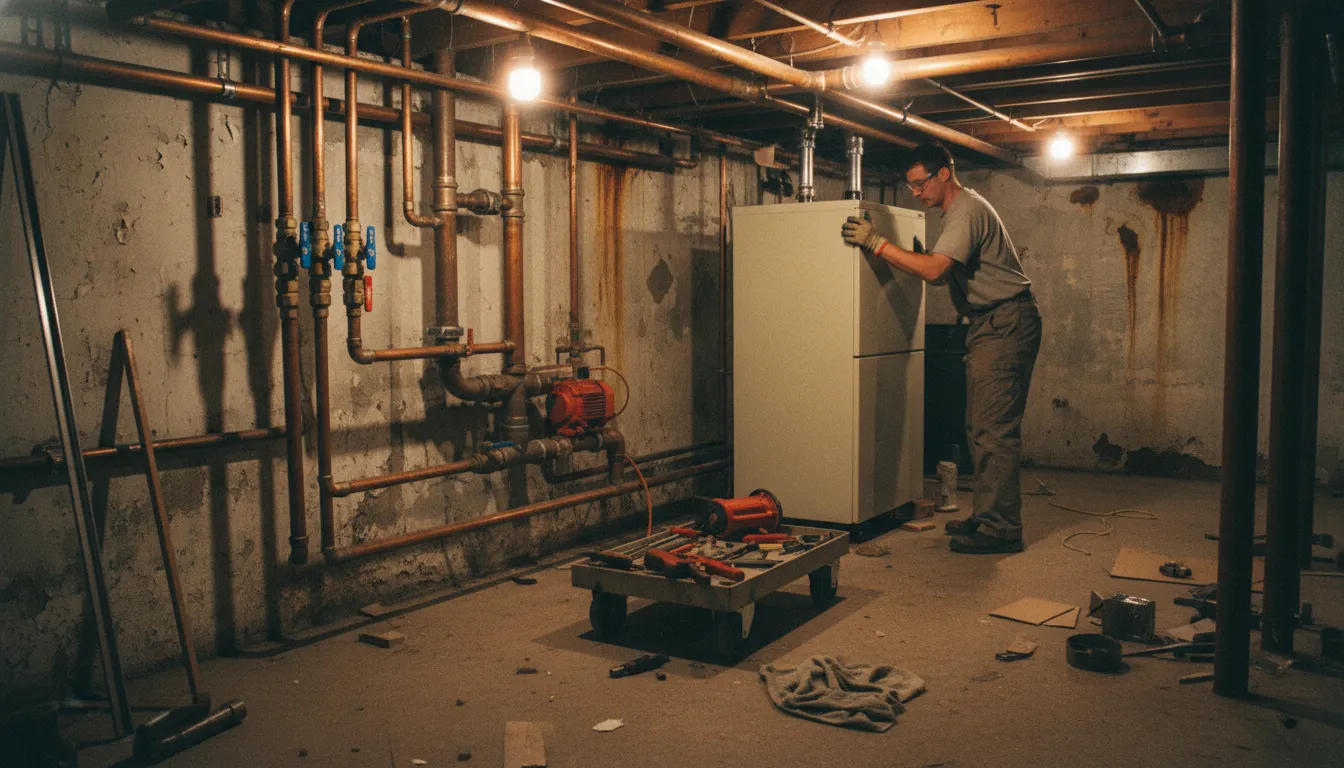
Find the Best Boiler Installation & Replacement Contractors for Your Business
No obligation • Fast responses • Nationwide coverage

Why you can trust HVAC Firms
HVAC Firms is a leading United States resource for evaluating HVAC service providers. Our team researches companies, checks credentials, and reviews customer feedback to present clear, unbiased information. Listings and rankings are based on merit, and companies cannot pay to change our editorial content.
Search providers near you
Top Boiler Installation & Replacement Contractors in New Rochelle, New York Ranked
A new boiler installation or replacement is a significant home improvement project that directly impacts your comfort, energy bills, and safety. Whether you're upgrading an aging system, converting from oil to gas, or installing a boiler in a new construction, this process involves navigating specific local codes, securing permits, and selecting the right equipment for your home's heating needs. This guide is designed to help New Rochelle homeowners understand the key considerations, from choosing between hydronic and steam systems to navigating the required inspections, so you can confidently partner with a qualified local professional.
KOKA-TECH HVAC INC
60-21 Menahan St, Ridgewood, NY 11385
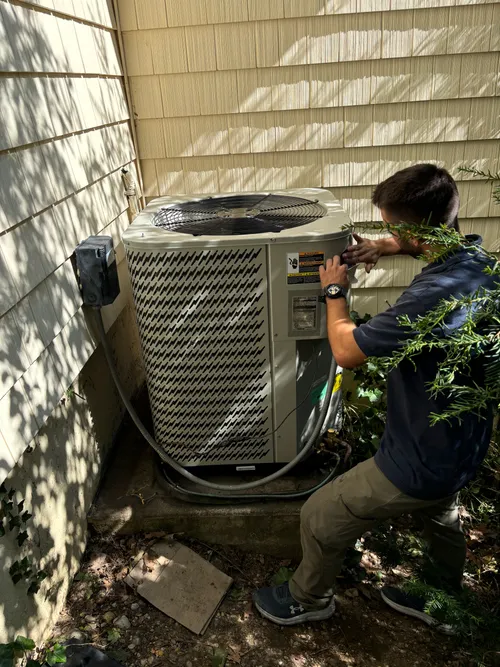
KOKA-TECH HVAC INC provides professional heating and cooling services in New York, NY, including installation, repair, and tune-ups for air conditioners, furnaces, heat pumps, boilers, and mini splits. They offer 24/7 emergency support and same-day availability, serving Queens, Brooklyn, Manhattan, Bronx, and Long Island. The company is licensed and insured, with a strong local presence and expertise in NYC buildings. With nearly 300 five-star reviews, KOKA-TECH HVAC INC is recognized for upfront quotes and customer approval before starting work.
Airtek Mechanical Heating & Cooling LLC
400 Valley Brook Ave, Lyndhurst, NJ 07071
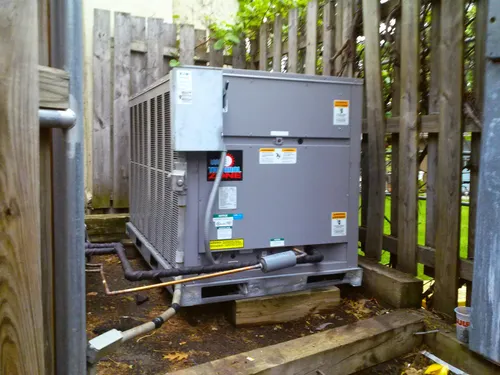
Airtek Mechanical Heating & Cooling LLC is an HVAC contractor based in Newark, NJ, providing residential and commercial heating, cooling, and refrigeration services. They offer repairs, installations, and maintenance for air conditioning, furnaces, boilers, and ductless mini-split systems. Their capabilities include 24-hour emergency HVAC repairs and servicing a variety of unit types such as rooftop package units and wall air conditioners. With over 10 years of experience, Airtek Mechanical serves Newark and surrounding areas with a focus on comprehensive HVAC solutions.
Woolley Home Solutions
12 Burnet Ave, Maplewood, NJ 07040
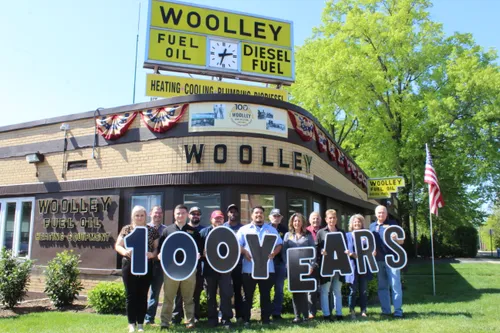
Woolley Home Solutions is a family-owned HVAC and plumbing company serving Newark, NJ, and surrounding counties. They provide heating and cooling services including installation and repair of oil and gas furnaces, boilers, dual fuel systems, and air conditioning units. Woolley Home Solutions also offers plumbing services such as repairs and fixture installations. With over 100 years of experience, the company emphasizes reliable home comfort solutions and incorporates Bioheat® fuel, a low-carbon energy source compatible with existing heating equipment.
Liberty Heating & Cooling
66 Lincoln Pl, Garfield, NJ 07026
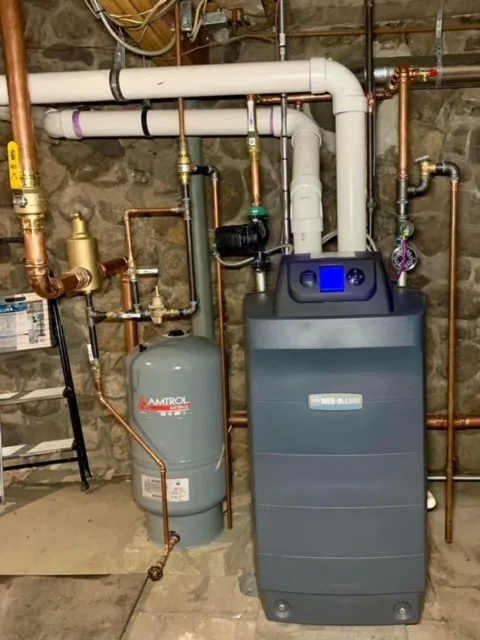
Liberty Heating & Cooling is a family-owned HVAC company based in Newark, NJ. They provide heating and air conditioning services for both residential and commercial properties, including installation, repair, and maintenance of boilers, furnaces, air conditioners, and ductless mini split systems. Their certified technicians have extensive experience in boiler and AC repairs as well as HVAC tune-ups, ensuring reliable system performance.
John Degrace Plumbing & Heating
267 River Rd, North Arlington, NJ 07031
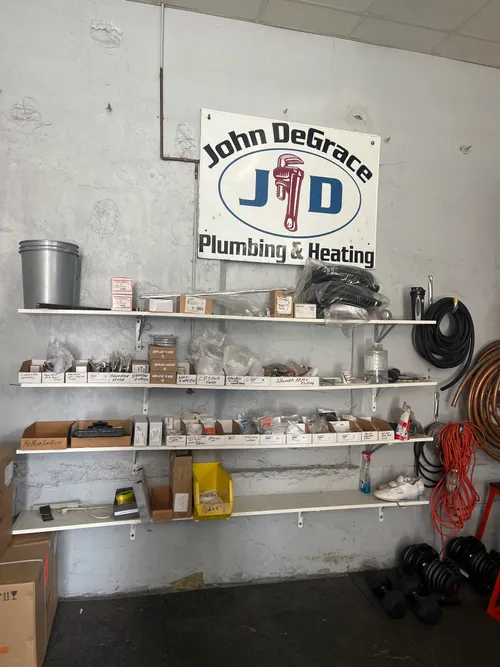
John Degrace Plumbing & Heating is a plumbing and heating contractor serving Newark, NJ, and northern New Jersey. With over 25 years of experience, they provide residential and commercial services including boiler repair, installation, and oil to gas conversions. Their licensed plumbers offer 24/7 emergency service and specialize in steam and gas boiler repairs, sewer and drain cleaning, and hydro jetting. The company operates a large warehouse stocked with parts to support timely repairs and installations.
Understanding Your Boiler System Options
Before selecting a new boiler, it's essential to understand the type of system you currently have or wish to install, as this dictates the equipment and installation approach. The two primary types of residential boilers are hot water (hydronic) and steam systems.
Hot Water (Hydronic) Boilers: This is the most common system in many homes. It heats water, which is then circulated through a network of pipes to radiators, baseboard heaters, or radiant floor tubing. Hydronic systems are known for their consistent, even heat and quiet operation.
Steam Boilers: These systems heat water to the point of boiling, producing steam that travels through pipes to radiators. As the steam cools and condenses, it returns to the boiler to be reheated. Steam systems are often found in older homes and require specific radiator and piping configurations.
Your choice of fuel is another critical decision:
- Natural Gas: The most common and often most economical fuel in areas with gas service.
- Oil: Requires an on-site storage tank. Converting from oil to gas is a common project that involves removing the old tank and running a new gas line.
- Propane: An alternative for homes without natural gas service, stored in an above-ground or buried tank.
The Importance of High-Efficiency Models
Modern boiler technology offers significant advancements in efficiency, which can lead to substantial savings on your heating bills. When comparing models, look for the Annual Fuel Utilization Efficiency (AFUE) rating. A standard efficiency model might have an AFUE of 80-85%, meaning 80-85% of the fuel's energy is converted to heat for your home.
Condensing boilers represent the high-efficiency tier, with AFUE ratings of 90% or higher. These units capture heat from the exhaust gases that would otherwise be lost up the flue, condensing the water vapor in the process. While they have a higher upfront cost, the long-term energy savings, especially in a climate like New York's, can be considerable. They also often qualify for rebates or tax incentives.
Navigating New Rochelle Codes and Permit Requirements
Boiler work in New Rochelle is regulated to ensure safety and compliance with New York State and local building codes. Your licensed installer will handle this process, but understanding it is crucial for a smooth project.
Licensing is Non-Negotiable: Only a Licensed Master Plumber or a licensed Oil Burner Installer is legally permitted to install or replace a boiler in New Rochelle. Always verify this credential before hiring a contractor.
Permits are Mandatory: A permit from the Department of Buildings (DOB) is required for all new boiler installations and replacements 1 2. Your professional will apply for this, and the cost (typically between $50 and $200) is usually factored into your project estimate.
Key Code Requirements: Installations must adhere to specific codes, including:
- Backflow Prevention: City water supply lines must be protected with an approved backflow prevention device (like an ASSE 1013 or 1012) to prevent contamination of the water supply.
- Combustion Air: The boiler room or enclosure must have adequate air supply for safe combustion, as outlined in code chapters for fuel-burning equipment.
- Expansion Tanks: Hydronic (hot water) systems require an expansion tank to manage pressure fluctuations, and it must be installed with isolation valves for easy servicing.
- Controls and Documentation: Your installer must provide a system diagram, test all safety and operating controls, and furnish you with clear operating instructions 3.
The Inspection Process: Before and After Installation
Inspections are a critical part of the boiler replacement process in Westchester County and are designed for your safety.
The First Test Inspection: Before you can use your new boiler, a "First Test Inspection" by the Department of Buildings is mandatory. Your installer will schedule this inspection once the installation is complete and all systems are tested. The inspector will verify that the installation meets all code requirements for fuel lines, venting, electrical connections, and safety devices.
Annual Boiler Inspections: After the initial approval, most low-pressure boilers in New Rochelle require an annual inspection to ensure continued safe operation 4. This is typically performed by a licensed inspector who checks for issues like leaks, corrosion, and proper venting. Keeping up with these inspections is a legal requirement and a key part of responsible home maintenance.
Find the perfect boiler installation & replacement contractors for your needs
Get personalized recommendations and expert advice
What to Expect: The Installation Process Step-by-Step
A professional boiler installation follows a structured process. Here's what a typical project timeline looks like:
- Consultation and Estimate: A qualified technician assesses your home, discusses your needs, reviews existing infrastructure (like piping and venting), and provides a detailed written estimate.
- Permit Application: Your chosen contractor obtains the necessary DOB permits before any work begins.
- System Removal: The old boiler is drained of water, disconnected from the fuel supply, water lines, electrical connections, and flue, and then safely removed from the premises. Disposal of an old oil tank, if applicable, is handled here.
- New Installation: The new unit is positioned, leveled, and mounted. All new connections are made for plumbing, gas (or oil), electricity, and venting. For high-efficiency condensing models, a new PVC venting system is often installed.
- System Testing and Startup: The system is filled with water, pressurized, and checked for leaks. The burner is fired, and all controls, thermostats, and safety devices are thoroughly tested 5.
- Final Inspection and Handover: After the DOB's First Test Inspection passes, the installer will walk you through the system's operation, explain the thermostat, and provide all manuals and warranty information.
Understanding Boiler Replacement Costs in New Rochelle
The total cost for a boiler replacement can vary widely based on the system type, efficiency, and complexity of the installation. Here are general estimates to help with budgeting:
- Standard Efficiency Boiler Replacement: For a straightforward swap of a gas-fired, hot water boiler with similar efficiency, homeowners can expect costs in the range of $3,500 to $6,000 installed, including the unit, basic labor, and permits.
- High-Efficiency Condensing Boiler Installation: Upgrading to a high-efficiency (90%+ AFUE) condensing model typically ranges from $6,000 to $8,500 or more for a complete installation 6. The higher cost accounts for the more advanced equipment and potential need for new venting materials.
- Additional Cost Factors:
- Oil-to-Gas Conversion: If switching from oil heat, add approximately $2,000 or more for the installation of a new gas line and the professional removal of the old oil tank 7.
- Old Boiler Removal: Disposal of the old unit may cost $500 - $1,0008.
- System Modifications: Costs can increase if the job requires moving the boiler location, upgrading old radiator valves, replacing sections of piping, or addressing inadequate combustion air.
Maintaining Your New Boiler System
To protect your investment and ensure efficiency, regular maintenance is key. An annual tune-up by a professional is recommended. This service typically includes cleaning the burner and heat exchanger, checking all controls and safety devices, testing water pressure (for hydronic systems), and inspecting the venting. Homeowners can also help by keeping the area around the boiler clear and monitoring the system pressure gauge if one is present.
Frequently asked questions
Sources
Footnotes
-
Boiler - Buildings - NYC.gov - https://www.nyc.gov/site/buildings/property-or-business-owner/boiler.page ↩
-
Guide to NYC Boiler Inspection Requirements | Skaggs-Walsh - https://skaggswalsh.com/nyc-boiler-inspection-requirements-sw/ ↩
-
Chapter 20 Boilers and Water Heaters: New York ... - UpCodes - https://up.codes/viewer/new_york/irc-2018/chapter/20/boilers-and-water-heaters ↩
-
Annual Low Pressure Boiler Inspection Review List - NYC.gov - https://www.nyc.gov/assets/buildings/pdf/annual_boiler_insp_review_list.pdf ↩
-
Boiler Installation Guide: Volpe Service's Expert Overview - https://www.volpeservice.com/blog/boiler-installation-overview/ ↩
-
Boiler Replacement Costs: Smart Budgeting and Planning ... - https://www.tcmemt.com/post/the-cost-of-boiler-replacement-expert-guide-to-smart-budgeting-and-installation-planning ↩
-
How Much Does Residential Boiler Installation Cost? - Aero Energy - https://www.aeroenergy.com/how-much-does-residential-boiler-installation-cost/ ↩
-
How Much Does it Cost to Replace a Boiler? - Runwise - https://www.runwise.com/learn/how-much-does-it-cost-to-replace-a-boiler ↩