Find the Best Boiler Installation & Replacement Contractors for Your Business
No obligation • Fast responses • Nationwide coverage

Why you can trust HVAC Firms
HVAC Firms is a leading United States resource for evaluating HVAC service providers. Our team researches companies, checks credentials, and reviews customer feedback to present clear, unbiased information. Listings and rankings are based on merit, and companies cannot pay to change our editorial content.
Search providers near you
Top Boiler Installation & Replacement Contractors in Union, New Jersey Ranked
Replacing your home's boiler is a significant investment that directly impacts your comfort, energy bills, and safety. A modern, efficient boiler system provides reliable heat for your radiators or baseboards while meeting New Jersey's strict energy codes. This guide is designed to help Union homeowners understand the process, costs, and key considerations for a successful boiler installation or replacement project, connecting you with the information needed to evaluate local professionals.
KOKA-TECH HVAC INC
60-21 Menahan St, Ridgewood, NY 11385
KOKA-TECH HVAC INC provides professional heating and cooling services in New York, NY, including installation, repair, and tune-ups for air conditioners, furnaces, heat pumps, boilers, and mini splits. They offer 24/7 emergency support and same-day availability, serving Queens, Brooklyn, Manhattan, Bronx, and Long Island. The company is licensed and insured, with a strong local presence and expertise in NYC buildings. With nearly 300 five-star reviews, KOKA-TECH HVAC INC is recognized for upfront quotes and customer approval before starting work.
Meyer & Depew Co., Inc.
309 Lafayette Ave, Kenilworth, NJ 07033
Meyer & Depew Co., Inc. is an HVAC company serving Newark, NJ, specializing in air conditioning, furnace, and boiler installation, repair, and maintenance. They offer services including central AC installation, heating system tune-ups, and ductless mini split system installations. The company provides 24/7 availability for heating and air conditioning repairs and maintenance. Their technicians are licensed and experienced in handling high-efficiency heating and cooling systems, including Energy Star® boilers and furnaces. Meyer & Depew has a strong presence in central and northern New Jersey and is known for its preventative maintenance plans and technical expertise.
Airtek Mechanical Heating & Cooling LLC
400 Valley Brook Ave, Lyndhurst, NJ 07071
Airtek Mechanical Heating & Cooling LLC is an HVAC contractor based in Newark, NJ, providing residential and commercial heating, cooling, and refrigeration services. They offer repairs, installations, and maintenance for air conditioning, furnaces, boilers, and ductless mini-split systems. Their capabilities include 24-hour emergency HVAC repairs and servicing a variety of unit types such as rooftop package units and wall air conditioners. With over 10 years of experience, Airtek Mechanical serves Newark and surrounding areas with a focus on comprehensive HVAC solutions.
Woolley Home Solutions
12 Burnet Ave, Maplewood, NJ 07040
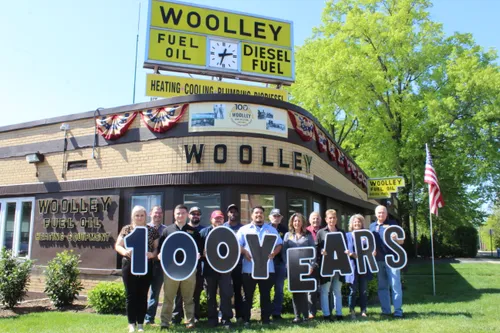
Woolley Home Solutions is a family-owned HVAC and plumbing company serving Newark, NJ, and surrounding counties. They provide heating and cooling services including installation and repair of oil and gas furnaces, boilers, dual fuel systems, and air conditioning units. Woolley Home Solutions also offers plumbing services such as repairs and fixture installations. With over 100 years of experience, the company emphasizes reliable home comfort solutions and incorporates Bioheat® fuel, a low-carbon energy source compatible with existing heating equipment.
Liberty Heating & Cooling
66 Lincoln Pl, Garfield, NJ 07026
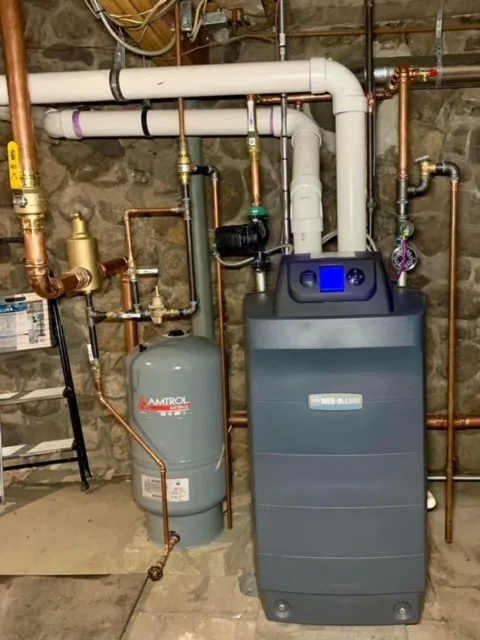
Liberty Heating & Cooling is a family-owned HVAC company based in Newark, NJ. They provide heating and air conditioning services for both residential and commercial properties, including installation, repair, and maintenance of boilers, furnaces, air conditioners, and ductless mini split systems. Their certified technicians have extensive experience in boiler and AC repairs as well as HVAC tune-ups, ensuring reliable system performance.
Understanding Your Boiler System
Most homes in Union utilize hydronic heating systems, which use hot water or steam circulated through pipes to radiators, baseboards, or radiant floor tubing. The boiler is the heart of this system, heating the water that warms your home. Over time, boilers lose efficiency, become less reliable, and may no longer meet current safety and efficiency standards. Recognizing when it's time for a new boiler installation is the first step toward improved home comfort and lower operating costs.
Common signs you may need a boiler replacement include:
- Advanced Age: Most boilers have a lifespan of 15-25 years. If yours is approaching or exceeding this range, proactive replacement is often more cost-effective than repeated repairs.
- Rising Energy Bills: A drop in efficiency means your boiler works harder and uses more fuel (gas or oil) to maintain the same temperature.
- Inconsistent Heating: Cold spots, rooms that won't warm up, or frequent system cycling can indicate a failing boiler or components.
- Frequent Repairs: If you're calling for service multiple times a season, the cumulative cost may justify investing in a new, reliable unit.
- Unusual Noises: Rumbling, banging, or whistling sounds from the boiler or pipes can signal issues like kettling (mineral buildup) or impending failure.
Types of Boilers for Union Homes
Choosing the right new boiler involves understanding the fuel type and efficiency level that best fits your home's infrastructure and your goals for energy savings.
Fuel Types: Gas vs. Oil
- Natural Gas Boilers: This is the most common and typically most cost-effective fuel for boiler installation in New Jersey, provided your home has access to a gas line. Gas boilers are generally less expensive to operate than oil and require less on-site fuel storage.
- Oil Boilers: Many older homes in Union were built without gas service and rely on heating oil stored in a tank. While the equipment cost can be similar, fuel oil prices are subject to greater market fluctuation. If you have an existing oil tank and line, replacing with a new high-efficiency oil boiler is a viable option. 1
Efficiency Levels: Condensing vs. Standard
- High-Efficiency Condensing Boilers: These modern units achieve Annual Fuel Utilization Efficiency (AFUE) ratings of 90% or higher. They extract more heat from the combustion gases, which cool enough to condense water vapor. This process requires special venting (often PVC) and a condensate drain. While the upfront cost is higher, the significant energy savings can lead to a strong return on investment over time.
- Standard Efficiency Boilers: These non-condensing units have lower upfront costs but also lower AFUE ratings (typically 82%-85%). They exhaust hotter gases and are subject to New Jersey's minimum efficiency codes. They are often a straightforward replacement for older, similarly configured systems.
New Jersey state code mandates minimum AFUE ratings, such as 85% for hot water boilers, which guides what equipment can be legally installed.
The Cost of Boiler Replacement in Union
In Union, NJ, the total installed cost for a boiler replacement typically ranges from $4,000 to $12,000 or more. This wide range depends on several key factors:
Primary Cost Factors:
- Equipment Type: A high-efficiency condensing gas boiler costs more than a standard-efficiency model. Oil boilers also fall within a specific price bracket.
- System Complexity: The labor involved in matching a new unit to existing radiators, baseboards, and piping varies. Homes with steam systems or multiple heating zones will see higher installation costs.
- Labor: Professional installation labor typically accounts for $2,000 to $5,000 of the total project cost.
- Ancillary Work: This includes removing and disposing of the old unit ($500-$1,000), any necessary upgrades to gas lines, electrical service, or venting, and obtaining the required permits ($50-$200). 2
Estimated Price Ranges (Installed):
- Standard Gas Boiler: $4,500 - $7,500
- High-Efficiency Gas Boiler: $7,500 - $12,000
- Oil Boiler Replacement: $6,000 - $9,000 3 4
Find the perfect boiler installation & replacement contractors for your needs
Get personalized recommendations and expert advice
Permits, Codes, and Compliance in New Jersey
A critical and non-negotiable part of any boiler installation in Union is securing the proper permits and ensuring the work meets all state and local codes. This process exists for your safety and the long-term performance of your system.
Permits Are Always Required: In New Jersey, a building permit is mandatory for replacing a boiler. Your licensed contractor will typically pull this permit on your behalf from the Union Township building department. The permit ensures the installation plan is reviewed for code compliance before work begins. 5
Key Code Requirements:
- Efficiency Standards: Installations must meet or exceed New Jersey's minimum AFUE ratings (e.g., 85% for hot water boilers). 6 7
- Safety Codes: The installation must follow the boiler manufacturer's instructions, relevant ASME codes for steam boilers, and all provisions of the state building code regarding clearances, venting, fuel supply, and pressure relief. 8
- Inspection: Once installation is complete, a municipal building inspector must visit your home to verify the work complies with the approved permit and all codes. The boiler cannot be operated until it passes this final inspection. 9
Skipping the permit process can lead to safety hazards, voided equipment warranties, difficulties when selling your home, and potential fines.
The Professional Installation Process
A proper boiler replacement is a multi-step process handled by qualified technicians. Here's what you can expect from start to finish:
- Assessment & Quote: A technician assesses your existing system, discusses your needs, and provides a detailed written estimate covering equipment, labor, permits, and disposal.
- Preparation: Your installer will schedule the work and guide you on clearing access to the boiler area and protecting floors and furnishings.
- Removal & Disposal: The old boiler is safely disconnected from fuel, water, and electrical lines, removed from your home, and responsibly disposed of.
- New Installation: The new boiler is positioned, leveled, and connected to the fuel supply, water lines, electrical service, and venting system. All connections are pressure-tested.
- System Integration: The boiler is connected to your existing hydronic heating distribution system (pipes, radiators/baseboards) and the thermostat.
- Testing & Commissioning: The technician fills the system, checks for leaks, verifies proper ventilation and combustion, calibrates controls, and ensures all safety devices function.
- Walkthrough & Documentation: Finally, the technician will start the system, explain its operation and basic maintenance, program your thermostat, and provide you with the manufacturer's manuals and warranty information. 10
Maintaining Your New Boiler
Protect your investment and ensure years of efficient operation with regular maintenance. An annual tune-up by a professional before each heating season is recommended. This service typically includes cleaning the burner and heat exchanger, checking all safety controls, testing water pressure, and inspecting the venting system. Homeowners can also help by keeping the area around the boiler clear and monitoring the system pressure gauge.
Frequently asked questions
Sources
Footnotes
-
NJ Boiler Installation & Repair - Argent Plumbing - https://www.argentplumbingnj.com/boiler-installation-repair/ ↩
-
Boiler Installation Permits in New Jersey - AME Plumbing - https://ameplumbingnj.com/boiler-installation-permits-and-regulations-in-nj-what-homeowners-need-to-know/ ↩
-
How Much Does a Boiler Replacement Cost in New Jersey ... - https://queenbplumbing.com/how-much-does-a-boiler-replacement-cost-in-new-jersey-homes ↩
-
Boiler Replacement Costs: Smart Budgeting and Planning Guide - https://www.tcmemt.com/post/the-cost-of-boiler-replacement-expert-guide-to-smart-budgeting-and-installation-planning ↩
-
FAQs • Do I need a permit to replace my water heater? - West Orange, NJ - https://www.westorange.org/FAQ.aspx?QID=158 ↩
-
Chapter 6 Heating Systems - NJ.gov - https://www.nj.gov/dca/divisions/dhcr/offices/docs/wap/Chapter_6_Heating_Systems.pdf ↩
-
Chapter 20 Boilers and Water Heaters: New Jersey ... - https://up.codes/viewer/new_jersey/irc-2015/chapter/20/boilers-and-water-heaters ↩
-
Pre-Inspection Checklist for Hot Water Heating or Hot ... - NJ.gov - https://www.nj.gov/labor/safetyandhealth/assets/PDFs/Boiler%20and%20Pressure%20Vessel%20Compliance/boiler_preinspection_hotwater.pdf ↩
-
Boiler Installation in Morris County | All Clear Plumbing and Drains - https://www.allclearplumbinganddrains.com/heating/boiler-services/boiler-installation/ ↩
-
Boiler Installation West Berlin NJ - https://www.acenj.com/boiler/boiler-installation-west-berlin-nj ↩