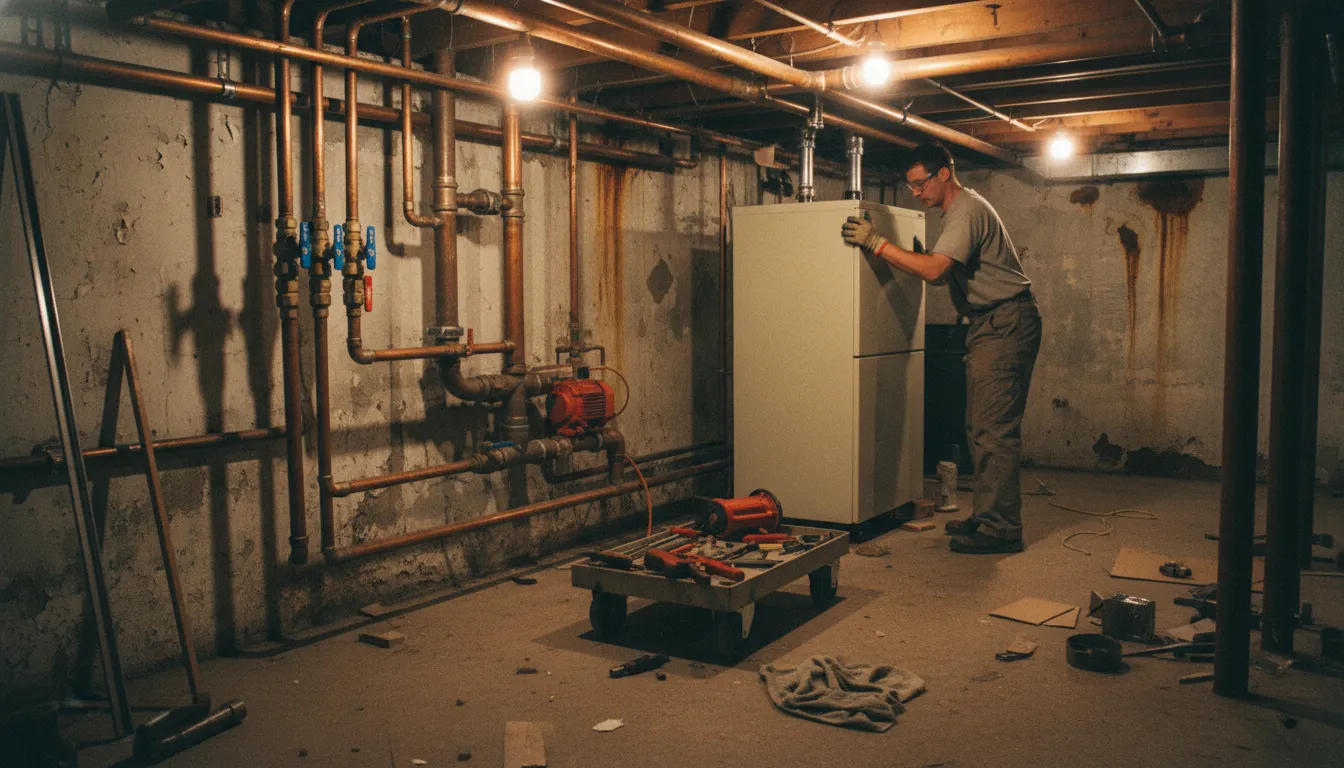
Find the Best Boiler Installation & Replacement Contractors for Your Business
No obligation • Fast responses • Nationwide coverage

Why you can trust HVAC Firms
HVAC Firms is a leading United States resource for evaluating HVAC service providers. Our team researches companies, checks credentials, and reviews customer feedback to present clear, unbiased information. Listings and rankings are based on merit, and companies cannot pay to change our editorial content.
Search providers near you
Top Boiler Installation & Replacement Contractors in Trenton, New Jersey Ranked
Replacing your home's boiler is a significant investment that directly impacts your comfort, energy bills, and safety. In Trenton's climate, a reliable, efficient heating system is essential. This guide provides a detailed overview of the boiler replacement process, from selecting the right type of unit to navigating New Jersey's specific codes and permits. Use this information to understand your options and connect with qualified local professionals for your project.

Downtown Mechanical LLC
2501 E Venango St, Philadelphia, PA 19134
Downtown Mechanical LLC is an HVAC company based in Philadelphia, PA, offering a range of services including air conditioning, furnace, heat pump, and boiler repair and installation. They also specialize in mini split installations and HVAC tune-ups. The team is known for clean, professional work and attention to detail, such as aesthetically pleasing ductwork installation. Downtown Mechanical has experience handling complex projects like system expansions and replacements, with a focus on clear communication and customer education. The company is recognized for quick response times and thorough service across Philadelphia and nearby areas.
Bovio Rubino Service
204 Ark Rd #208-A, Mt Laurel Township, NJ 08054
Bovio Rubino Service provides comprehensive HVAC, plumbing, and electrical services in Philadelphia, PA. Established in 1974, the company offers installation, maintenance, and repair for heating and cooling systems, including air conditioning, furnaces, heat pumps, and boilers. They also provide indoor air quality solutions such as air purification and mold remediation. With decades of experience, Bovio Rubino Service serves both residential and commercial clients, offering 24/7 emergency service to ensure comfort and safety year-round.
Cardwell HVAC & Plumbing
603 Kresson Rd #11, Cherry Hill Township, NJ 08034
Cardwell HVAC & Plumbing offers comprehensive heating, cooling, indoor air quality, and plumbing services in Philadelphia, PA. They install, repair, and maintain HVAC systems including air conditioners, furnaces, heat pumps, and boilers for both residential and commercial clients. The company is experienced in diagnosing and resolving system issues and provides indoor air quality solutions to ensure comfortable and well-ventilated spaces. Cardwell HVAC & Plumbing is known for handling all makes and models of HVAC equipment and has served hundreds of customers in the region. They also provide plumbing services covering a wide range of needs from leaks to sewer drains.
AirMaster Heating & Cooling Specialists
5545 Baynton St, Philadelphia, PA 19144
AirMaster Heating & Cooling Specialists is a family-owned HVAC company serving Philadelphia, PA, and the surrounding areas since 2016. They provide a full range of heating and cooling services, including installation, repair, and maintenance for boilers, furnaces, heat pumps, air conditioners, and ductless systems. The company also offers indoor air quality solutions such as humidifiers, air purifiers, and ventilators. AirMaster stands out with its 10-year parts and labor warranty on installations and 24/7 emergency response availability.
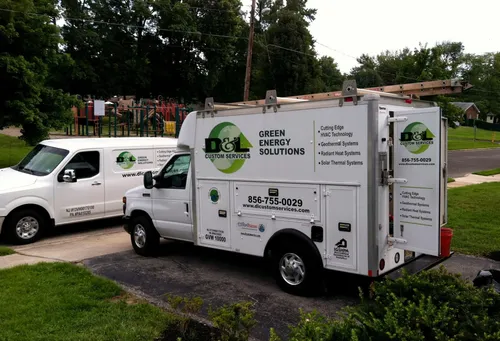
D&L Custom Services, LLC
600 Deer Rd STE 5, Cherry Hill Township, NJ 08034
D&L Custom Services, LLC is a family-operated HVAC company serving Philadelphia, PA, and South Jersey, including Burlington, Camden, and Gloucester counties. Since 1979, they have specialized in residential and light commercial heating and cooling installations, with a focus on green and energy-efficient technologies such as geothermal and air source heat pumps. They offer a range of services including installation, repair, and tune-ups for air conditioners, furnaces, boilers, heat pumps, and mini splits. Their technicians are factory-trained and certified, and the company is fully licensed and insured.
Understanding Your Boiler Replacement Options
When your old boiler fails or becomes too inefficient, you have several paths forward. The right choice depends on your home's existing setup, fuel source, and long-term comfort goals. Modern boilers are far more efficient than models from even a decade ago, offering substantial savings on heating costs.
Standard Gas and Oil Boilers
These are the most common replacement units, especially in older Trenton homes with existing infrastructure. They are generally more affordable upfront and are a reliable choice for straightforward heating needs. Standard efficiency models meet the minimum state requirements for Annual Fuel Utilization Efficiency (AFUE).
High-Efficiency Condensing Boilers
For homeowners focused on long-term energy savings, condensing boilers are the premier choice. They capture additional heat from exhaust gases that would otherwise be wasted, achieving AFUE ratings often above 90% 1. While the initial installation cost is higher, the reduction in monthly fuel bills can make them a cost-effective investment over the system's lifespan, particularly in a city with winters like Trenton's.
The Benefits of Hydronic Heating Systems
Most residential boilers in our area are part of hydronic systems, which use hot water circulated through baseboards or radiators to provide heat. This method is prized for its quiet operation and exceptionally even, draft-free heat distribution 2. A key advantage of a modern hydronic system is the potential for zoning, which allows you to control temperatures in different areas of your home independently, enhancing both comfort and efficiency 2.
Combination (Combi) Boilers
Though less common for full-system replacements, combi boilers are an integrated solution that provides both space heating and domestic hot water from a single, compact unit. They can be an excellent option for homes with limited space where a separate water heater isn't practical.
Navigating Costs and Budgeting for Your Project
The total cost of a boiler installation in Trenton can vary widely based on the equipment selected and the complexity of the job. Understanding the breakdown helps in planning and getting accurate estimates from contractors.
Typical Installation Cost Ranges
- Standard Gas Boiler: $4,500 - $7,500 (installed)
- High-Efficiency Gas Boiler: $7,500 - $12,000+ (installed)
- Oil Boiler: $6,000 - $9,000 (installed) 3
These ranges encompass a complete replacement. A simple swap of a like-for-like unit will be on the lower end, while projects requiring new piping, zoning controls, or moving the boiler location will increase the price.
What Contributes to the Final Price?
Several factors influence your final bill:
- Equipment Cost: The boiler unit itself typically ranges from $2,000 to $5,000, with high-efficiency and premium brands commanding higher prices.
- Labor: Professional installation labor generally costs between $1,500 and $2,500. This covers removal of the old unit, installation, testing, and cleanup.
- Permits & Fees: Local building department permits are required and usually cost between $50 and $200 4.
- Old Unit Disposal: Contractors will charge for the proper disposal of your old boiler and any associated components, often between $500 and $1,000 5.
- Additional Components: Upgrading thermostats, adding circulator pumps, or installing new zone valves will add to the project cost.
Find the perfect boiler installation & replacement contractors for your needs
Get personalized recommendations and expert advice
Compliance, Permits, and New Jersey Regulations
A legal and safe boiler installation in Trenton must adhere to specific state and local codes. Your chosen professional should handle this process, but it's important for homeowners to be informed.
Mandatory Permits
A building permit is always required for a boiler replacement in New Jersey 6. Your contractor will typically pull this permit from your local municipality's building department. The permit ensures the work will be inspected and must comply with the New Jersey Uniform Construction Code (NJUCC).
Key Installation and Efficiency Standards
Installers must follow both the manufacturer's instructions and state codes. Key regulations include:
- AFUE Minimums: New Jersey enforces minimum efficiency standards. For example, gas-fired hot water boilers must have a minimum AFUE of 85% 7.
- Combustion Air: Proper ventilation for combustion is critical for safety. Codes specify requirements for adequate combustion air supply, especially for solid or liquid fuel-burning appliances 8.
- Boiler, Pressure Vessel, and Refrigeration Law (BPV&RL): This is a crucial New Jersey-specific regulation. Any boiler that produces steam (common in many older Trenton homes) falls under this law, which has stringent installation and ongoing inspection requirements.
Required Inspections
The permit process mandates inspections. A municipal building inspector will check the installation for code compliance. Critically, steam boilers are subject to additional, recurring inspections by the state's Mechanical Inspection Bureau-typically annually or bi-annually-to ensure ongoing safety. Your installer should schedule the initial inspection and inform you of any future obligations.
The Professional Replacement Process: A Step-by-Step Guide
A successful boiler replacement follows a structured path from assessment to final inspection.
- Professional In-Home Assessment: This is the essential first step. A qualified technician will evaluate your current system, assess your home's heat loss (to correctly size the new boiler), discuss your fuel options (natural gas, oil, propane), and review your comfort goals. An improperly sized boiler will lead to inefficiency and premature wear 9.
- Selecting a Licensed Contractor: Choose a professional who is licensed, insured, and experienced with Trenton's specific codes. Look for established local companies with positive reviews and ask for references. Many providers, from larger service networks to local specialists, offer boiler installation services in the area 10 11 12.
- Planning and Preparation: Your contractor will present options, provide a detailed written estimate, and outline the project timeline. They will also handle the permit application on your behalf.
- Installation Day: The crew will safely disconnect and remove your old boiler. They will then install the new unit, integrating it with your existing hydronic piping, electrical connections, and fuel lines. All work will follow the approved plans and manufacturer specifications.
- System Testing and Inspection: Once installed, the system is filled, purged of air, and fired up. The technician will test all controls, check for leaks, and verify proper operation. Finally, they will coordinate the required municipal inspection to close out the permit.
Maintaining Your New Boiler Investment
To protect your investment and ensure years of efficient, reliable service, regular maintenance is key. An annual tune-up by a professional before each heating season is recommended. This service typically includes cleaning the combustion chamber, checking heat exchanger integrity, testing safety controls, and verifying system pressure and efficiency. For steam boilers, adhering to the state-mandated inspection schedule is also a critical part of maintenance 13.
Frequently asked questions
Sources
Footnotes
-
NJ Boiler Installation & Repair - Argent Plumbing - https://www.argentplumbingnj.com/boiler-installation-repair/ ↩
-
Hydronic Boiler Repair & Installation in New Jersey - https://www.ajperri.com/heating/hydronic-boilers ↩ ↩2
-
How Much Does a Boiler Replacement Cost in New Jersey ... - https://queenbplumbing.com/how-much-does-a-boiler-replacement-cost-in-new-jersey-homes ↩
-
Boiler Installation Permits in New Jersey - AME Plumbing - https://ameplumbingnj.com/boiler-installation-permits-and-regulations-in-nj-what-homeowners-need-to-know/ ↩
-
Boiler Replacement Costs: Smart Budgeting and Planning Guide - https://www.tcmemt.com/post/the-cost-of-boiler-replacement-expert-guide-to-smart-budgeting-and-installation-planning ↩
-
FAQs • Do I need a permit to replace my water heater? - West Orange, NJ - https://www.westorange.org/FAQ.aspx?QID=158 ↩
-
Chapter 6 Heating Systems - NJ.gov - https://www.nj.gov/dca/divisions/dhcr/offices/docs/wap/Chapter_6_Heating_Systems.pdf ↩
-
Chapter 20 Boilers and Water Heaters: New Jersey ... - https://up.codes/viewer/new_jersey/irc-2015/chapter/20/boilers-and-water-heaters ↩
-
Boiler Installation, Replacements & Repairs in New Jersey - https://www.gswaterheaters.com/services/boiler-installation-repair.php ↩
-
Central AC, Boiler & Furnace Replacement - PSEG WorryFree - https://worryfree.pseg.com/replacement-installation/heating-cooling/furnaces-boilers ↩
-
Trenton Boiler Repair & Installation Service | Central New Jersey - https://www.jerseyplumbingpros.com/residential-hvac/heating/boiler-repair-installation/ ↩
-
Heating Installation & Replacement in Northern New Jersey - https://russobrosplumbing.com/heating/replacement/ ↩
-
Mechanical Inspection Bureau of Boiler and Pressure ... - NJ.gov - https://www.nj.gov/labor/safetyandhealth/programs-services/boiler-pressure-vessel-compliance/ ↩