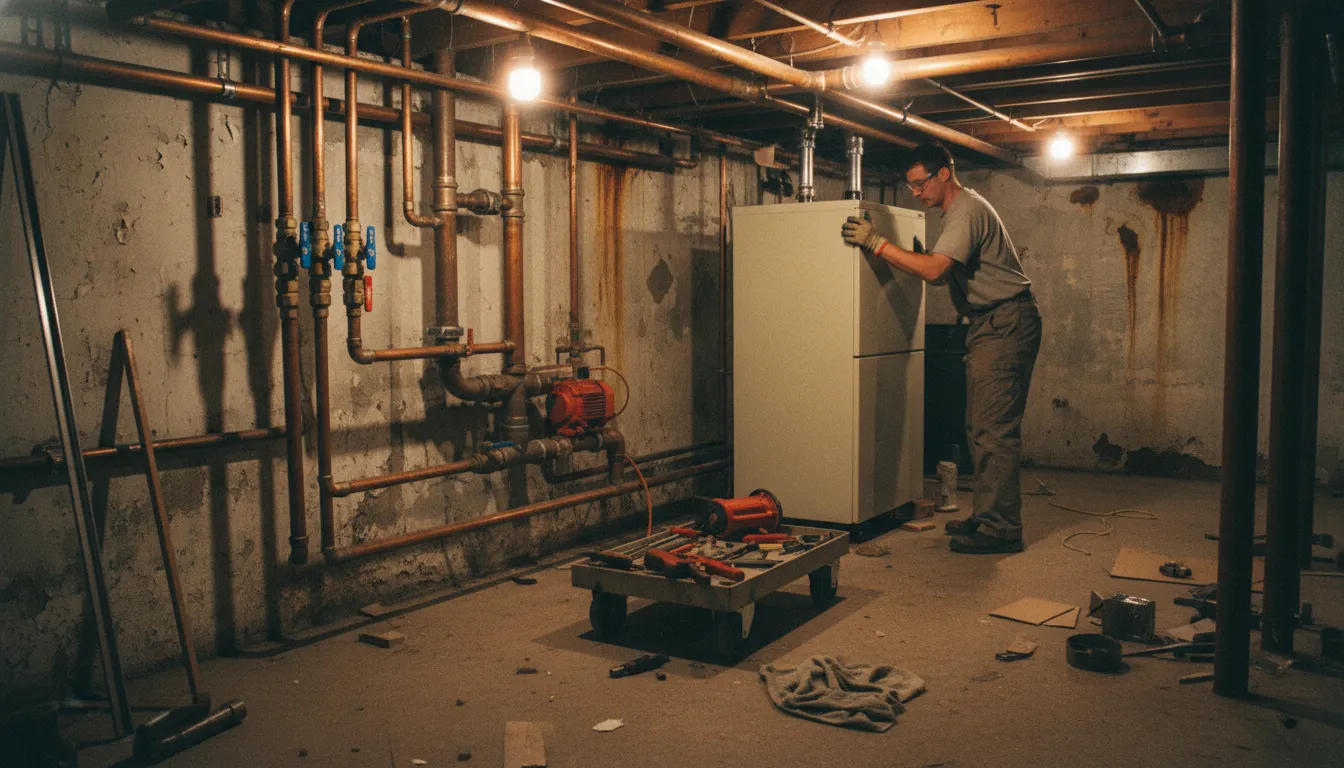
Find the Best Boiler Installation & Replacement Contractors for Your Business
No obligation • Fast responses • Nationwide coverage

Why you can trust HVAC Firms
HVAC Firms is a leading United States resource for evaluating HVAC service providers. Our team researches companies, checks credentials, and reviews customer feedback to present clear, unbiased information. Listings and rankings are based on merit, and companies cannot pay to change our editorial content.
Search providers near you
Top Boiler Installation & Replacement Contractors in New Brunswick, New Jersey Ranked
A new boiler installation or replacement is a significant home improvement project that directly impacts your comfort, energy bills, and safety. Whether you're upgrading an aging system, converting from one fuel type to another, or installing a boiler in a new construction, understanding the process, costs, and local regulations is crucial. This guide provides a detailed overview of boiler setup and replacement in New Brunswick, helping you navigate your options and connect with qualified local professionals to ensure a compliant and efficient installation.
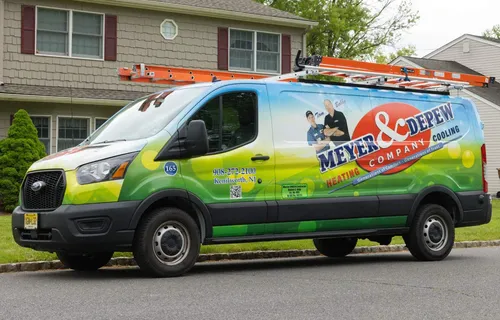
Meyer & Depew Co., Inc.
309 Lafayette Ave, Kenilworth, NJ 07033
Meyer & Depew Co., Inc. is an HVAC company serving Newark, NJ, specializing in air conditioning, furnace, and boiler installation, repair, and maintenance. They offer services including central AC installation, heating system tune-ups, and ductless mini split system installations. The company provides 24/7 availability for heating and air conditioning repairs and maintenance. Their technicians are licensed and experienced in handling high-efficiency heating and cooling systems, including Energy Star® boilers and furnaces. Meyer & Depew has a strong presence in central and northern New Jersey and is known for its preventative maintenance plans and technical expertise.
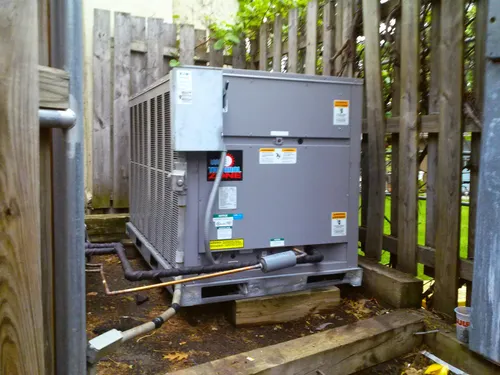
Airtek Mechanical Heating & Cooling LLC
400 Valley Brook Ave, Lyndhurst, NJ 07071
Airtek Mechanical Heating & Cooling LLC is an HVAC contractor based in Newark, NJ, providing residential and commercial heating, cooling, and refrigeration services. They offer repairs, installations, and maintenance for air conditioning, furnaces, boilers, and ductless mini-split systems. Their capabilities include 24-hour emergency HVAC repairs and servicing a variety of unit types such as rooftop package units and wall air conditioners. With over 10 years of experience, Airtek Mechanical serves Newark and surrounding areas with a focus on comprehensive HVAC solutions.
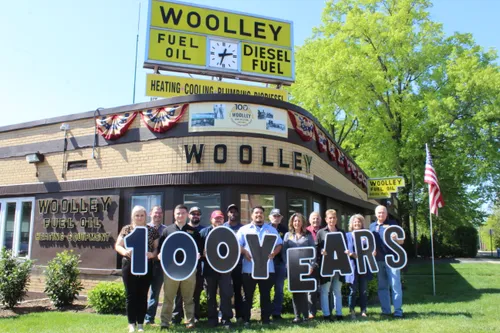
Woolley Home Solutions
12 Burnet Ave, Maplewood, NJ 07040
Woolley Home Solutions is a family-owned HVAC and plumbing company serving Newark, NJ, and surrounding counties. They provide heating and cooling services including installation and repair of oil and gas furnaces, boilers, dual fuel systems, and air conditioning units. Woolley Home Solutions also offers plumbing services such as repairs and fixture installations. With over 100 years of experience, the company emphasizes reliable home comfort solutions and incorporates Bioheat® fuel, a low-carbon energy source compatible with existing heating equipment.
Total HVACR Services LLC
Newark, NJ
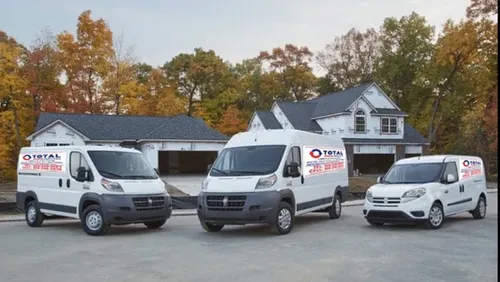
Total HVACR Services LLC is an HVAC company based in Newark, NJ, offering a full range of heating, ventilation, air conditioning, and refrigeration repair and installation services. They provide expertise in AC, furnace, heat pump, and boiler systems, covering both repairs and new installations. The company has built a reputation over many years by maintaining professional and timely service standards.
John Degrace Plumbing & Heating
267 River Rd, North Arlington, NJ 07031
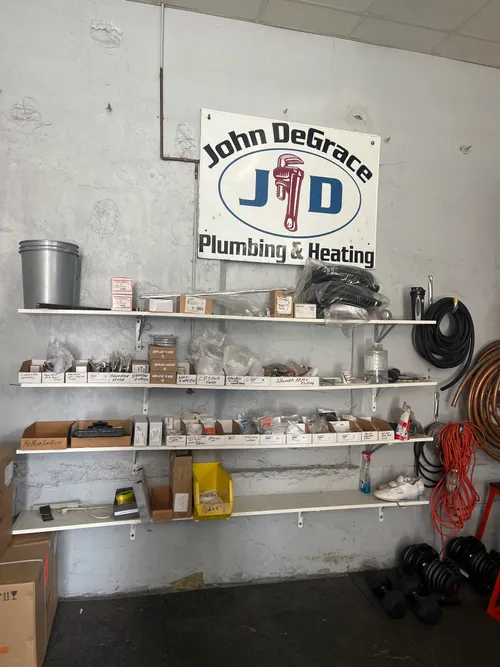
John Degrace Plumbing & Heating is a plumbing and heating contractor serving Newark, NJ, and northern New Jersey. With over 25 years of experience, they provide residential and commercial services including boiler repair, installation, and oil to gas conversions. Their licensed plumbers offer 24/7 emergency service and specialize in steam and gas boiler repairs, sewer and drain cleaning, and hydro jetting. The company operates a large warehouse stocked with parts to support timely repairs and installations.
Understanding Boiler Systems and Your Options
Before diving into costs and regulations, it's important to understand the types of boiler systems commonly used in New Brunswick homes. The right choice depends on your existing infrastructure, fuel availability, and efficiency goals.
Hydronic (Hot Water) Systems are the most common in modern installations. These systems use the boiler to heat water, which is then circulated through a network of pipes to radiators, baseboard heaters, or even in-floor radiant tubing. They operate at lower pressures than steam systems and are known for providing consistent, comfortable heat.
Steam Systems are often found in older homes. These boilers heat water to the point of creating steam, which then travels through pipes to radiators. Steam boiler replacements can be more complex, as they may require specific, sometimes larger, boiler units compatible with the existing steam piping and radiator setup.
A critical decision is choosing between condensing and non-condensing models. High-efficiency condensing boilers capture additional heat from the exhaust gases that would otherwise be lost, achieving Annual Fuel Utilization Efficiency (AFUE) ratings often above 90%. They require specific venting (typically PVC) and a condensate drain line 1. Standard non-condensing boilers are less expensive upfront and use traditional metal (atmospheric) venting but operate at lower efficiencies.
Cost Breakdown for Boiler Replacement in New Brunswick
The total investment for a new boiler in New Brunswick can vary widely, typically ranging from $3,500 to over $12,000. This broad range is influenced by several key factors:
-
Boiler Type and Efficiency: The unit itself is the largest cost component.
- Standard Gas Boiler: $4,500 - $7,500. A common choice for straightforward replacements where high-efficiency upgrades aren't feasible.
-
High-Efficiency (Condensing) Gas Boiler: $7,500 - $12,000. Higher initial cost but offers the best long-term energy savings.
- Oil Boiler: $6,000 - $9,000. Essential for homes without access to a natural gas line.
-
Electric Boiler: $3,500 - $6,000. Often used in smaller homes, apartments, or as a supplemental heat source.
-
Labor and Complexity: Professional installation labor typically adds $1,500 to $2,500 or more. This covers the physical removal of the old unit, installation of the new boiler, connection to fuel and water lines, and integration with your existing heating distribution system (e.g., radiators, baseboards). Jobs that involve moving the boiler location, upgrading piping, or integrating with complex controls will be on the higher end.
-
Ancillary Costs: Budget for necessary extras.
- Old Unit Removal & Disposal: $500 - $1,000 2 3.
- Permits: $50 - $200, required by the City of New Brunswick building department 4 5.
- System Enhancements: Adding an indirect-fired water heater for domestic hot water, installing new thermostatic radiator valves, or upgrading to a smart thermostat will increase the total.
Find the perfect boiler installation & replacement contractors for your needs
Get personalized recommendations and expert advice
Navigating New Jersey's Permits and Safety Inspections
Compliance with state and local codes is not optional; it's a legal requirement for your safety. A proper boiler setup involves a two-step regulatory process.
1. Local Building Permits: You or your contractor must obtain a permit from the New Brunswick Building Department before work begins. This process usually involves submitting the installation plans to ensure the project complies with the New Jersey Uniform Construction Code (NJ UCC), which covers critical safety aspects like proper clearances, venting, fuel gas piping, and electrical connections.
2. State Boiler Inspection: This is a separate, mandatory requirement. The New Jersey Department of Labor's Bureau of Boiler and Pressure Vessel Compliance (MIBBPVC) must inspect the installed boiler within 30 days of completion. It is the homeowner's legal responsibility to schedule this inspection. The installer should provide you with a signed Manufacturer's Data Report, which is required for the inspection. The state inspector will verify that the installation meets ASME and state safety standards, checking for proper safety valve settings, low-water cutoffs (for steam boilers), expansion tank sizing, and control wiring.
Key Standards to Know:
- Minimum AFUE: New hot water boilers installed in New Jersey must have a minimum AFUE of 85%. For gas-fired boilers, the code encourages achieving 90% AFUE where feasible 6 7.
- Safety Devices: All installations must include code-required safety devices like pressure relief valves, automatic water feeders (for steam), and adequate combustion air supply 8.
- Documentation: Your installer must leave you with complete operating instructions, control system diagrams, and all manufacturer literature attached to the boiler 9.
The Installation Process: What to Expect
A professional boiler replacement typically follows these steps:
- Consultation and Load Calculation: A qualified technician will assess your home's heat loss (using a Manual J calculation), evaluate your existing distribution system, and discuss your efficiency and comfort goals to recommend appropriately sized equipment.
- Permit Acquisition: Your contractor will handle pulling the necessary local building permits.
- Preparation and Removal: The old boiler is disconnected, drained, and removed from the premises. The area is prepped for the new unit.
- Installation: The new boiler is positioned, leveled, and connected to the water supply, fuel line, electrical service, and venting system. All safety devices and controls are installed.
- System Start-up and Testing: The boiler is filled, purged of air, and fired. The technician will check for leaks, verify proper venting, calibrate controls, and ensure all safety devices function correctly.
- Client Orientation: The installer will walk you through basic operation, explain maintenance tasks, and provide all documentation.
- Scheduling the State Inspection: The installer will remind you to contact the MIBBPVC to schedule the mandatory state inspection within the 30-day window 10.
Choosing the Right Professional in New Brunswick
Given the technical and regulatory complexity, selecting the right contractor is paramount. Look for a licensed, insured professional who specializes in boiler work. They should be familiar with both the New Brunswick local code and the specific requirements of the NJ Bureau of Boiler and Pressure Vessel Compliance. Ask for references, verify their license is in good standing, and ensure they will handle the permit paperwork. A reputable pro will provide a detailed, written estimate that breaks down equipment, labor, and permit costs, and they will clearly explain why a particular boiler model is the best fit for your home.
Frequently asked questions
Sources
Footnotes
-
NJ Boiler Installation & Repair - Argent Plumbing - https://www.argentplumbingnj.com/boiler-installation-repair/ ↩
-
NJ Boiler Replacement Costs in 2024 | What to Expect - https://ameplumbingnj.com/boiler-replacement-costs-explained-what-to-expect-in-2024-in-nj/ ↩
-
Boiler Replacement Costs: Smart Budgeting and Planning Guide - https://www.tcmemt.com/post/the-cost-of-boiler-replacement-expert-guide-to-smart-budgeting-and-installation-planning ↩
-
How Much Does a Boiler Replacement Cost in New Jersey ... - https://queenbplumbing.com/how-much-does-a-boiler-replacement-cost-in-new-jersey-homes ↩
-
Boiler Installation Permits in New Jersey - AME Plumbing - https://ameplumbingnj.com/boiler-installation-permits-and-regulations-in-nj-what-homeowners-need-to-know/ ↩
-
Chapter 20 Boilers and Water Heaters: New Jersey ... - https://up.codes/viewer/new_jersey/irc-2015/chapter/20/boilers-and-water-heaters ↩
-
Chapter 6 Heating Systems - NJ.gov - https://www.nj.gov/dca/divisions/dhcr/offices/docs/wap/Chapter_6_Heating_Systems.pdf ↩
-
Chapter 10 Boilers, Water Heaters and Pressure Vessels - UpCodes - https://up.codes/viewer/new_jersey/imc-2021/chapter/10/boilers-water-heaters-and-pressure-vessels ↩
-
Pre-Inspection Checklist for Hot Water Heating or Hot ... - NJ.gov - https://www.nj.gov/labor/safetyandhealth/assets/PDFs/Boiler%20and%20Pressure%20Vessel%20Compliance/boiler_preinspection_hotwater.pdf ↩
-
Bureau of Boiler and Pressure Vessel Compliance - NJ.gov - https://www.nj.gov/labor/safetyandhealth/assets/PDFs/Boiler%20and%20Pressure%20Vessel%20Compliance/bbpvc_infoguide.pdf ↩