Find the Best Boiler Installation & Replacement Contractors for Your Business
No obligation • Fast responses • Nationwide coverage

Why you can trust HVAC Firms
HVAC Firms is a leading United States resource for evaluating HVAC service providers. Our team researches companies, checks credentials, and reviews customer feedback to present clear, unbiased information. Listings and rankings are based on merit, and companies cannot pay to change our editorial content.
Search providers near you
Top Boiler Installation & Replacement Contractors in Mount Laurel, New Jersey Ranked
Replacing or installing a new boiler is a significant home improvement decision that directly impacts your comfort, energy bills, and safety. In Mount Laurel, this process involves navigating specific local regulations, choosing the right type of hydronic heating system for your home, and understanding the investment required. This guide provides a detailed overview of what to expect when planning a boiler installation or replacement project in Mount Laurel, from system types and local codes to cost considerations and how to find qualified local professionals.
McGinley Services Heating & Cooling
746 Chester Pike STE A, Prospect Park, PA 19076
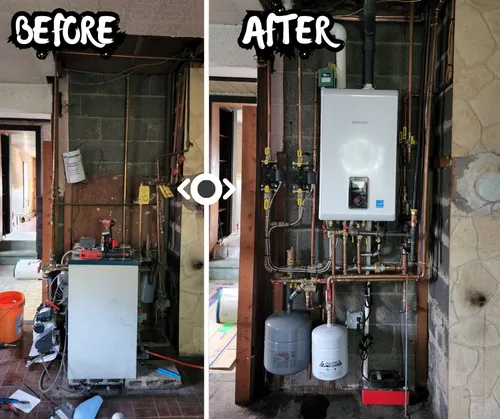
McGinley Services Heating & Cooling is a family-owned HVAC company serving Philadelphia, PA, and nearby Delaware and Montgomery counties. Since 2020, they have provided heating, air conditioning, indoor air quality, and water heating services, including installations, repairs, duct cleaning, and maintenance. The company offers 24/7 emergency service and same-day appointments, ensuring support during inconvenient times. Their licensed and insured team is experienced in heat pump and furnace installations as well as boiler repairs, focusing on safety and quality.

Downtown Mechanical LLC
2501 E Venango St, Philadelphia, PA 19134
Downtown Mechanical LLC is an HVAC company based in Philadelphia, PA, offering a range of services including air conditioning, furnace, heat pump, and boiler repair and installation. They also specialize in mini split installations and HVAC tune-ups. The team is known for clean, professional work and attention to detail, such as aesthetically pleasing ductwork installation. Downtown Mechanical has experience handling complex projects like system expansions and replacements, with a focus on clear communication and customer education. The company is recognized for quick response times and thorough service across Philadelphia and nearby areas.
Bovio Rubino Service
204 Ark Rd #208-A, Mt Laurel Township, NJ 08054
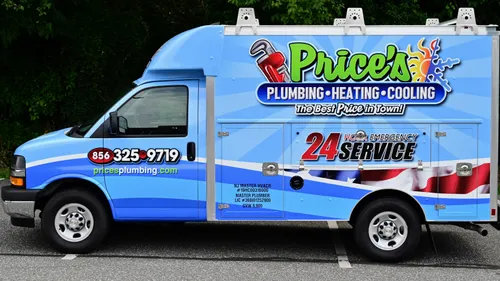
Bovio Rubino Service provides comprehensive HVAC, plumbing, and electrical services in Philadelphia, PA. Established in 1974, the company offers installation, maintenance, and repair for heating and cooling systems, including air conditioning, furnaces, heat pumps, and boilers. They also provide indoor air quality solutions such as air purification and mold remediation. With decades of experience, Bovio Rubino Service serves both residential and commercial clients, offering 24/7 emergency service to ensure comfort and safety year-round.
Cardwell HVAC & Plumbing
603 Kresson Rd #11, Cherry Hill Township, NJ 08034
Cardwell HVAC & Plumbing offers comprehensive heating, cooling, indoor air quality, and plumbing services in Philadelphia, PA. They install, repair, and maintain HVAC systems including air conditioners, furnaces, heat pumps, and boilers for both residential and commercial clients. The company is experienced in diagnosing and resolving system issues and provides indoor air quality solutions to ensure comfortable and well-ventilated spaces. Cardwell HVAC & Plumbing is known for handling all makes and models of HVAC equipment and has served hundreds of customers in the region. They also provide plumbing services covering a wide range of needs from leaks to sewer drains.
AirMaster Heating & Cooling Specialists
5545 Baynton St, Philadelphia, PA 19144
AirMaster Heating & Cooling Specialists is a family-owned HVAC company serving Philadelphia, PA, and the surrounding areas since 2016. They provide a full range of heating and cooling services, including installation, repair, and maintenance for boilers, furnaces, heat pumps, air conditioners, and ductless systems. The company also offers indoor air quality solutions such as humidifiers, air purifiers, and ventilators. AirMaster stands out with its 10-year parts and labor warranty on installations and 24/7 emergency response availability.
Understanding Hydronic Heating Systems
At the heart of your home's warmth is the hydronic heating system, where a boiler heats water that is then circulated throughout your house to provide heat. Unlike forced-air systems that blow warm air, hydronic systems use water as the heat-transfer medium, which is often praised for its consistent, even warmth and quiet operation. In Mount Laurel, common distribution methods include traditional cast iron radiators, baseboard heaters, and modern radiant floor heating.
- Radiators and Baseboards: These are the most visible components. Hot water from the boiler flows through cast iron radiators or fin-tube baseboard units, releasing heat into each room. They provide steady, radiant warmth without drafts or blowing air.
- Radiant Floor Heating: This luxurious option involves a network of plastic tubing installed beneath the floor. The boiler circulates hot water through these tubes, turning the entire floor into a gentle, uniform heat source 1.
- Hydro-Air Systems: This hybrid approach combines hydronic and forced-air heating. The boiler heats water, which then passes through a heat exchanger in your air handler. A fan blows air across the hot exchanger, distributing warmth through your existing ductwork.
Types of Boilers for Mount Laurel Homes
Choosing the right boiler is crucial for efficiency and long-term cost savings. The primary options available to homeowners in our area are:
- Conventional Boilers: Also known as standard or non-condensing boilers, these are older, simpler designs. They operate at lower efficiency (typically 80-85% Annual Fuel Utilization Efficiency or AFUE) because exhaust gases escape at a high temperature, wasting heat. While they have a lower upfront cost, they result in higher fuel bills.
- Condensing Boilers: These are the modern standard for high-efficiency heating. They capture heat from the exhaust gases that would otherwise be vented out, condensing water vapor in the process and achieving efficiency ratings of 90-98% AFUE. This translates to significant savings on your gas bill, though the initial installation cost is higher.
- Combination Boilers: Also called "combi-boilers," these units provide both space heating and domestic hot water on demand from a single appliance. They are compact and efficient, eliminating the need for a separate water heater tank 2.
- Oil Boilers: For homes not connected to natural gas lines, oil-fired boilers are a common solution in New Jersey. They are robust and effective but generally come with higher fuel costs and require on-site fuel storage 3.
Mount Laurel Permits and Regulations
Any boiler installation or replacement in Mount Laurel requires permits and must adhere to state and local building codes. This is not just bureaucratic red tape; it ensures the work is done safely, correctly, and to modern energy conservation standards.
- Permit Requirements: The Mount Laurel Construction Department mandates a permit for boiler installation. The fee structure is typically based on the boiler's capacity, measured in British Thermal Units (BTUs). For example, permits for boilers under 250,000 BTU may start around $50, while units over 250,000 BTU can cost up to $288 4.
- Key Code Considerations:
- Energy Efficiency: New Jersey has strict energy codes. Your new boiler installation must meet or exceed the state's minimum AFUE standards, which strongly encourages the use of high-efficiency condensing models.
- Venting and Safety: Proper venting is critical to safely remove combustion gases. The installation must follow precise code requirements for vent material, sizing, and routing to prevent dangerous backdrafting or carbon monoxide buildup.
- Hydronic Piping: The installation of new piping for your heating system may incur separate permit fees, such as $43 per 100 feet 5.
It is essential to work with a licensed HVAC contractor who is familiar with Mount Laurel's specific permit process and code interpretations. They will typically handle the permit application on your behalf.
Find the perfect boiler installation & replacement contractors for your needs
Get personalized recommendations and expert advice
Cost Breakdown for Boiler Replacement
The total cost of a boiler replacement in Mount Laurel varies widely based on the equipment chosen, the complexity of your home's system, and labor. Here is a general cost range based on current local data:
- Standard Gas Boiler Replacement: $4,500 - $7,500. This covers a conventional, mid-efficiency gas boiler unit and standard installation labor for a straightforward swap.
- High-Efficiency Condensing Gas Boiler: $7,500 - $12,000+. The higher price reflects the advanced technology of the boiler itself and potentially more complex venting requirements (using PVC pipe instead of metal). The investment is offset by lower monthly operating costs 6 7 8.
- Oil Boiler Replacement: $6,000 - $9,000. Oil boilers themselves are often more expensive than gas models, and the installation includes connecting to existing fuel oil tanks and lines 9 10.
These estimates are for the boiler and basic installation. Final costs can be influenced by several factors:
- System Upgrades: Adding an expansion tank, upgrading circulator pumps, or installing new zone valves.
- Venting Work: Significant modifications to chimney liners or installing new direct-vent systems.
- Site Complexity: Difficult access to the mechanical room, the need to move other utilities, or integrating with existing radiant floor or hydro-air systems.
The Professional Installation Process
A proper boiler installation is a multi-step process that ensures safety, efficiency, and longevity.
- Consultation and Load Calculation: A qualified technician will assess your home's heat loss (Manual J calculation) to correctly size the new boiler. An oversized or undersized unit leads to inefficiency and comfort issues.
- System Design and Permit Pulling: The contractor will design the system layout, select appropriate equipment, and secure the necessary permits from the Mount Laurel Construction Department 11.
- Professional Removal and Installation: The old boiler is safely disconnected and removed. The new unit is positioned, connected to fuel and water lines, and integrated with your home's distribution system (radiators, baseboards, etc.).
- Venting and Electrical: New, code-compliant venting is installed. All electrical connections are made to power the boiler's controls and circulators.
- System Startup and Testing: The system is filled with water, purged of air, and fired up. The technician will test for proper operation, check for leaks, verify safe combustion, and calibrate the controls for optimal performance.
- Customer Orientation and Final Inspection: A good contractor will walk you through the new system's operation and maintenance needs. They will also schedule the required municipal inspection to close out the permit.
Finding the Right Local Professional
Your choice of contractor is as important as your choice of boiler. Look for a licensed, insured HVAC company with specific experience in hydronic heating systems and a strong reputation in the Mount Laurel area. They should provide a detailed, written estimate that includes equipment model numbers, labor, permit fees, and a clear scope of work. Always verify that they will handle the entire permit process and guarantee their workmanship.
Frequently asked questions
Sources
Footnotes
-
Boiler Replacement & Installation Near Cherry Hill, Mount ... - https://www.alberservice.com/heating/boiler-replacement-installations.html ↩
-
NJ Boiler Installation & Repair - Argent Plumbing - https://www.argentplumbingnj.com/boiler-installation-repair/ ↩
-
Oil Boiler Installation Near Cherry Hill, Marlton, Mount Laurel | New ... - https://www.alberservice.com/heating/boiler-replacement-installations/oil-boiler-installation.html ↩
-
Boiler Installation Permits in New Jersey - AME Plumbing - https://ameplumbingnj.com/boiler-installation-permits-and-regulations-in-nj-what-homeowners-need-to-know/ ↩
-
Township of Mount Laurel, NJ Construction Codes, Uniform - https://ecode360.com/10362341 ↩
-
How Much Does a Boiler Replacement Cost in New Jersey Homes? - https://queenbplumbing.com/how-much-does-a-boiler-replacement-cost-in-new-jersey-homes ↩
-
How Much Does Residential Boiler Installation Cost? - Aero Energy - https://www.aeroenergy.com/how-much-does-residential-boiler-installation-cost/ ↩
-
How Much Does It Cost to Replace a Boiler? - United State Solutions - https://unitedstatesolutions.com/how-much-does-it-cost-to-replace-a-boiler/ ↩
-
Cost to Install Oil Boiler - 2026 Cost Calculator (Customizable) - https://www.homewyse.com/services/cost_to_install_oil_boiler.html ↩
-
Boiler Replacement Costs in New Jersey - AME Plumbing - https://ameplumbingnj.com/boiler-replacement-costs-explained-what-to-expect-in-2024-in-nj/ ↩
-
Boiler Replacement in Mount Laurel, NJ - https://www.acenj.com/boiler/boiler-replacement-mount-laurel-nj ↩