Find the Best Boiler Installation & Replacement Contractors for Your Business
No obligation • Fast responses • Nationwide coverage

Why you can trust HVAC Firms
HVAC Firms is a leading United States resource for evaluating HVAC service providers. Our team researches companies, checks credentials, and reviews customer feedback to present clear, unbiased information. Listings and rankings are based on merit, and companies cannot pay to change our editorial content.
Search providers near you
Top Boiler Installation & Replacement Contractors in Hillsborough, New Jersey Ranked
Replacing your home's boiler is a significant investment that directly impacts your comfort, energy bills, and safety. A modern, properly sized boiler installation can provide reliable, efficient heat for your radiators, baseboards, or radiant floor system. This guide is designed to help Hillsborough homeowners understand the local process, from selecting the right type of boiler to navigating New Jersey's specific codes and Hillsborough Township's permit requirements, so you can make an informed decision with a qualified professional.
Meyer & Depew Co., Inc.
309 Lafayette Ave, Kenilworth, NJ 07033
Meyer & Depew Co., Inc. is an HVAC company serving Newark, NJ, specializing in air conditioning, furnace, and boiler installation, repair, and maintenance. They offer services including central AC installation, heating system tune-ups, and ductless mini split system installations. The company provides 24/7 availability for heating and air conditioning repairs and maintenance. Their technicians are licensed and experienced in handling high-efficiency heating and cooling systems, including Energy Star® boilers and furnaces. Meyer & Depew has a strong presence in central and northern New Jersey and is known for its preventative maintenance plans and technical expertise.

Woolley Home Solutions
12 Burnet Ave, Maplewood, NJ 07040
Woolley Home Solutions is a family-owned HVAC and plumbing company serving Newark, NJ, and surrounding counties. They provide heating and cooling services including installation and repair of oil and gas furnaces, boilers, dual fuel systems, and air conditioning units. Woolley Home Solutions also offers plumbing services such as repairs and fixture installations. With over 100 years of experience, the company emphasizes reliable home comfort solutions and incorporates Bioheat® fuel, a low-carbon energy source compatible with existing heating equipment.
Total HVACR Services LLC
Newark, NJ
Total HVACR Services LLC is an HVAC company based in Newark, NJ, offering a full range of heating, ventilation, air conditioning, and refrigeration repair and installation services. They provide expertise in AC, furnace, heat pump, and boiler systems, covering both repairs and new installations. The company has built a reputation over many years by maintaining professional and timely service standards.
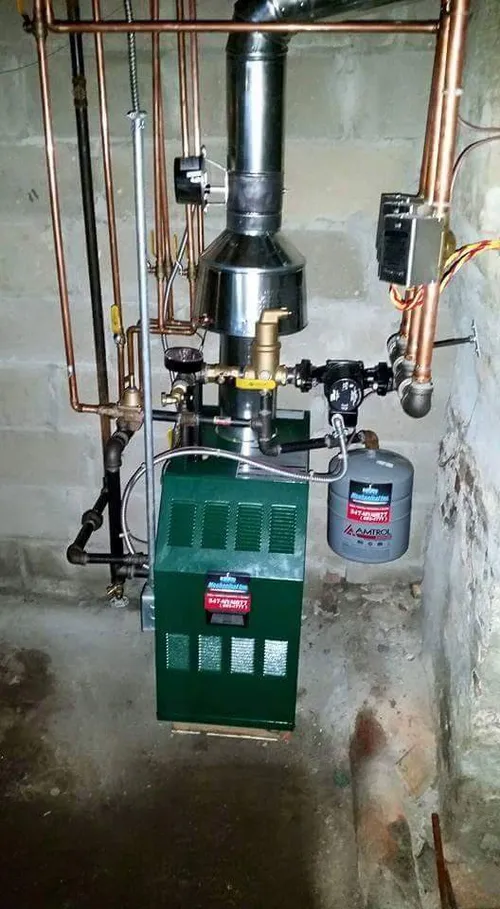
ASM Mechanical
152 Watchogue Rd, Staten Island, NY 10314
ASM Mechanical is an HVAC company based in Jersey City, NJ, specializing in residential and commercial heating and cooling services. They provide air conditioning, furnace, heat pump, and boiler installation, repair, and maintenance. The company is experienced in working with traditional steam boilers and gravity systems, offering expertise that is uncommon for older heating systems. ASM Mechanical also offers duct cleaning and HVAC tune-up services. They serve Jersey City and surrounding areas, providing 24/7 emergency repair services to ensure continuous comfort throughout the year.
Phil Masucci Plumbing Heating & Drain Cleaning
9 Florida St, Maplewood, NJ 07040
Phil Masucci Plumbing Heating & Drain Cleaning is a full-service plumbing and heating company based in Newark, NJ. They provide a wide range of services including boiler installation and repair, water heater services, drain cleaning, and gas piping for appliances. The company serves Essex, Union, Morris, and Middlesex counties and has been operating for over 20 years. They also offer video camera drain inspection and general contracting services for kitchen, bathroom, and laundry room updates.
Understanding Your Boiler Replacement Options
When your old boiler fails or becomes too inefficient, you have several paths for a new boiler installation. The right choice depends on your home's existing infrastructure, fuel availability, and your goals for efficiency and comfort.
- Standard-Efficiency Gas or Oil Boilers: These are often the most budget-friendly option upfront and are a good fit for replacing an existing unit with a similar setup. They provide reliable heat but operate at lower Annual Fuel Utilization Efficiency (AFUE) ratings compared to modern high-efficiency models.
- High-Efficiency Condensing Boilers: These gas boilers capture heat from exhaust gases that would otherwise be vented out, achieving AFUE ratings often above 90%. While they have a higher initial cost, they can lead to substantial savings on your natural gas bills over time. They require specific venting materials (like PVC) to handle the cooler exhaust 1 2.
- Oil Boilers: A primary choice for homes in Hillsborough that are not serviced by a natural gas line. Modern oil-fired boilers are more efficient than older models and provide powerful, consistent heat.
System Configurations for Hydronic Heating
Your new boiler will be part of a hydronic (hot water) heating system. The configuration affects both installation complexity and the quality of heat in your home.
- Baseboard Radiators or Cast-Iron Radiators: This is a common setup where hot water circulates through metal elements in each room, providing convective heat. Replacement often involves connecting the new boiler to the existing piping network.
- Radiant Floor Heating: This luxurious option involves tubing installed beneath the floor. The boiler circulates warm water through the tubes, providing even, comfortable heat from the ground up. Installing a new boiler for a radiant system requires careful compatibility checks with the existing floor tubing and controls.
- Hydro-Air Systems: This configuration uses a hot water coil placed inside your home's air ductwork. The boiler heats water, which then heats the coil; your furnace's blower then pushes air across the hot coil to distribute warmth through vents. This is an efficient way to add hydronic heat to a home with forced-air ducts.
The Importance of Proper Sizing and Zoning
A critical mistake is installing a boiler that is too large or too small for your home's heat loss.
- Sizing (BTUH): A qualified contractor will perform a heat load calculation, considering your home's square footage, insulation, window quality, and more. This determines the required British Thermal Unit per Hour (BTUH) output. An oversized boiler will short-cycle (turn on and off frequently), reducing efficiency and lifespan, while an undersized one will struggle to keep your home warm.
- Zoning Systems: Installing zone valves or multiple thermostats allows you to control the temperature in different areas (like upstairs vs. downstairs) independently. This enhances comfort and can improve efficiency by not overheating unused spaces. Discussing zoning during your boiler replacement is a smart way to modernize your home's heating.
Navigating Hillsborough and New Jersey Regulations
A boiler replacement is not a DIY project. New Jersey and Hillsborough Township have strict codes to ensure safety and efficiency.
- Permits Are Mandatory: Any boiler replacement in Hillsborough requires a permit from the Township's Construction Department. Your licensed contractor will typically pull this permit on your behalf. The permit ensures the installation plan is reviewed for code compliance before work begins.
- Required Inspections: Once installation is complete, a municipal inspector must approve the work. This inspection verifies critical safety items like proper combustion air supply, correct venting, secure gas or oil connections, and the installation of required safety controls.
- New Jersey Efficiency Standards: State codes set minimum AFUE requirements for new installations. For example, new gas-fired hot water boilers generally must have an AFUE of at least 85%, while condensing boilers often start at 90% 3. Your contractor will ensure your new unit meets or exceeds these standards.
- Licensing is Non-Negotiable: The person installing your boiler must be a licensed New Jersey plumber or HVACR contractor. They should also carry a Home Improvement Contractor (HIC) registration. Always verify these credentials before hiring.
Find the perfect boiler installation & replacement contractors for your needs
Get personalized recommendations and expert advice
Understanding the Investment: Boiler Replacement Costs in Hillsborough
The total cost of a boiler installation project varies widely based on the equipment and complexity. Below is a general cost framework for Hillsborough homeowners, though getting multiple detailed quotes is essential.
- Standard-Efficiency Gas Boiler: Typically ranges from $4,500 to $7,500 installed. This is often the baseline for a straightforward swap of a similar unit.
- High-Efficiency Condensing Gas Boiler: These advanced systems usually range from $7,500 to $12,000 or more. The higher cost accounts for the premium equipment and sometimes more involved venting and condensate drainage work 4.
- Oil Boiler Replacement: Installation costs generally fall between $6,000 and $9,000, influenced by tank conditions and fuel line requirements 5 6.
Key Cost Factors:
- Unit Size & Capacity: A larger BTU output unit costs more.
- Labor & Complexity: Installing a new system type (e.g., adding zoning, switching from baseboard to a hybrid system) adds labor time.
- Auxiliary Components: New circulator pumps, zone valves, thermostats, or water treatment systems add to the project cost.
- Removal & Disposal: Hauling away the old boiler and any associated debris.
- Local Fees: Hillsborough Township charges permit and inspection fees. For a mechanical device replacement like a boiler, there is a minimum fee, with a flat fee applied for complete HVAC system replacements.
A Homeowner's Checklist for a Successful Installation
- Verify Credentials: Confirm your contractor holds an active NJ plumbing/HVAC license and HIC registration. Ask for proof of insurance 7.
- Get Multiple Quotes: Obtain at least three detailed, written estimates. They should include equipment make/model, labor, permit fees, and a clear scope of work.
- Assess Your Needs: Discuss your home's layout, hot water needs, and comfort goals with each pro. Should you consider a high-efficiency model for long-term savings? Is this the time to add zoning? 8
- Plan for Permits: Ensure your chosen contractor will pull the required Hillsborough permit and schedule the necessary inspections. The permit should be posted visibly at your home during the work 9 10.
- Review the Details: Before signing a contract, understand the warranty on both parts and labor, the projected timeline, and how the site will be cleaned up upon completion.
Frequently asked questions
Sources
Footnotes
-
Hydronic Boiler Repair & Installation in New Jersey - https://www.ajperri.com/heating/hydronic-boilers ↩
-
NJ Boiler Installation & Repair - Argent Plumbing - https://www.argentplumbingnj.com/boiler-installation-repair/ ↩
-
Chapter 20 Boilers and Water Heaters: New Jersey ... - https://up.codes/viewer/new_jersey/irc-2015/chapter/20/boilers-and-water-heaters ↩
-
Chapter 6 Heating Systems - NJ.gov - https://nj.gov/dca/divisions/dhcr/offices/docs/wap/Wap_Chapter_6.pdf ↩
-
How Much Does a Boiler Replacement Cost in New Jersey ... - https://queenbplumbing.com/how-much-does-a-boiler-replacement-cost-in-new-jersey-homes ↩
-
NJ Boiler Replacement Costs in 2024 | What to Expect - https://ameplumbingnj.com/boiler-replacement-costs-explained-what-to-expect-in-2024-in-nj/ ↩
-
Township of Hillsborough, NJ Construction Codes, Uniform - https://ecode360.com/10253280 ↩
-
Boiler Replacement & Installation Near Cherry Hill, Mount Laurel, ... - https://www.alberservice.com/heating/boiler-replacement-installations.html ↩
-
Hillsborough Municipal Website - Property Owner Information - https://hillsboroughnj.gov/construction-page-list/236-property-owner-information ↩
-
Boiler Installation Permits in New Jersey - AME Plumbing - https://ameplumbingnj.com/boiler-installation-permits-and-regulations-in-nj-what-homeowners-need-to-know/ ↩