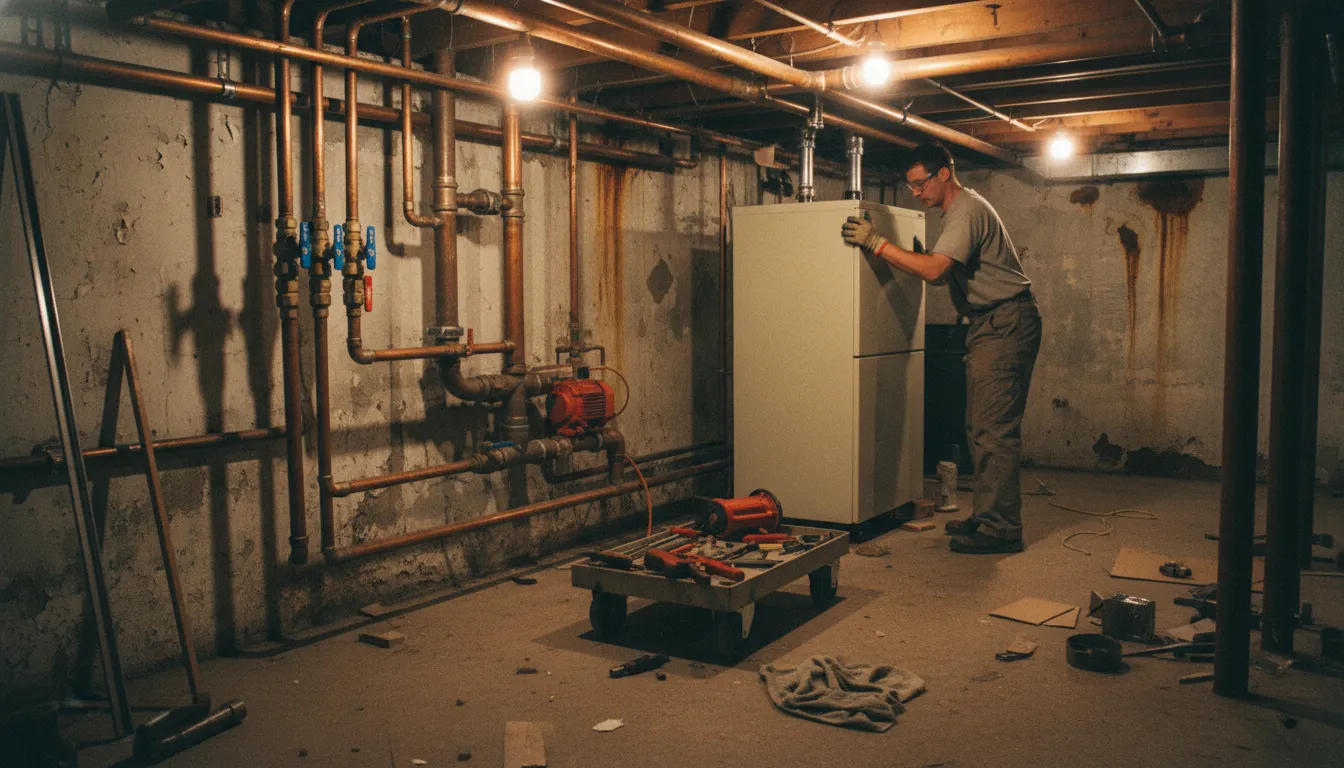
Find the Best Boiler Installation & Replacement Contractors for Your Business
No obligation • Fast responses • Nationwide coverage

Why you can trust HVAC Firms
HVAC Firms is a leading United States resource for evaluating HVAC service providers. Our team researches companies, checks credentials, and reviews customer feedback to present clear, unbiased information. Listings and rankings are based on merit, and companies cannot pay to change our editorial content.
Search providers near you
Top Boiler Installation & Replacement Contractors in St Paul, Minnesota Ranked
A new boiler installation or replacement is a significant investment in your St. Paul home's comfort, efficiency, and safety. Whether you're upgrading an aging system, converting from a different heat source, or building new, understanding your options for boiler systems and the local requirements is crucial. This guide will help you navigate the types of boilers available, the permitting process, and what to expect from a professional installation, empowering you to make an informed decision for your specific needs.
Pronto Heating and Air Conditioning - Minneapolis
7415 Cahill Rd, Minneapolis, MN 55439
Pronto Heating and Air Conditioning - Minneapolis is an HVAC company serving Minneapolis, MN, and nearby communities. They provide installation, repair, and maintenance for heating and cooling systems including furnaces, air conditioners, boilers, heat pumps, and ductless mini splits. The company is a Bryant Factory Authorized Dealer with expertise in indoor air quality solutions such as air purification and advanced thermostats. Pronto Heating and Air Conditioning offers emergency service with a commitment to respond within 24 hours and has a history of recognized performance as a multiple Bryant Dealer of the Year finalist and winner.
Stafford Home Service
6225 Cambridge St, Minneapolis, MN 55416
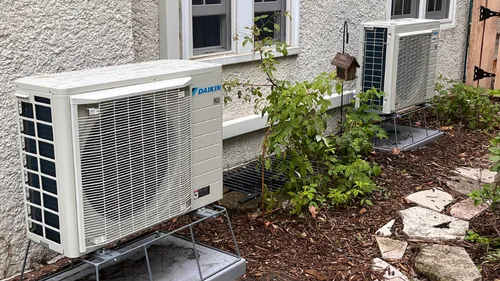
Stafford Home Service is a family-operated company based in Minneapolis, MN, offering residential HVAC and electrical services. They provide repairs, installations, and maintenance for heating and cooling systems including furnaces, heat pumps, boilers, mini-split systems, and air conditioning units. The company features licensed technicians with over 70 years of combined experience and emphasizes transparent pricing and customer satisfaction. Stafford Home Service also offers advanced HVAC solutions with Daikin products, known for energy efficiency and zoning capabilities. Since 2007, the company has continued a legacy of quality workmanship under current ownership. They serve Minneapolis and surrounding communities with a range of home comfort services.
Binder Heating and Air Conditioning, Inc
222 Hardman Ave N, South St Paul, MN 55075
Binder Heating and Air Conditioning, Inc is a family-owned heating and cooling company serving Minneapolis, MN, and the surrounding Twin Cities metro area. With nearly 100 years of experience, they provide a range of services including air conditioning, furnace and boiler repair and installation, geothermal heat pump systems, indoor air quality solutions, and custom commercial HVAC services. Their skilled union technicians focus on delivering tailored heating and cooling solutions without commission-based sales pressure. Binder Heating and Air Conditioning also offers 24-hour on-call emergency service for their maintenance plan customers.
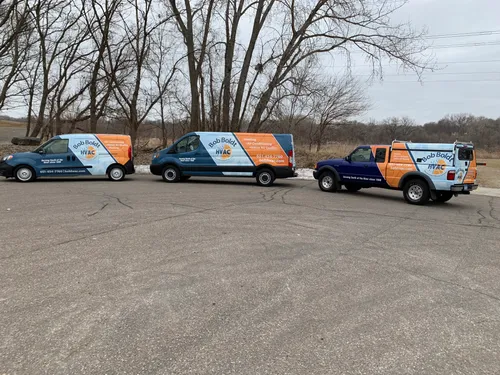
Bob Boldt HVAC
860 Blue Gentian Rd Ste 200, Eagan, MN 55121
Bob Boldt HVAC is a locally owned heating and cooling company serving St Paul, MN, and the surrounding Dakota County area. Established in 1988, the company offers a full range of HVAC services including air conditioning, furnace, and boiler repair and installation, as well as HVAC system tune-ups. Their certified technicians focus on honest communication and thorough system evaluations to help customers make informed decisions. Bob Boldt HVAC is known for its no-obligation second opinions and a customer club membership that supports ongoing system maintenance.
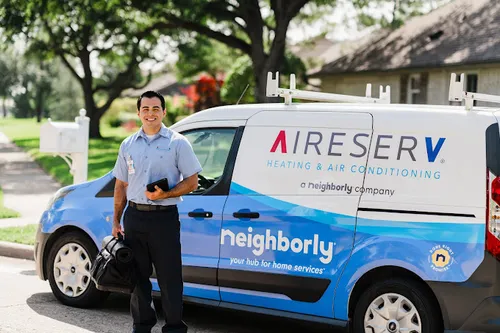
Aire Serv of The South Metro
9727 Valley View Rd, Eden Prairie, MN 55344
Aire Serv of The South Metro provides heating and air conditioning services in Minneapolis, MN. They offer repair, installation, and maintenance for air conditioners, furnaces, heat pumps, boilers, and thermostats. Their services also include indoor air quality improvements such as air purification systems. The company serves a wide area including several suburbs around Minneapolis. Aire Serv is equipped to handle both modern and older HVAC systems and offers emergency repair services to address urgent heating and cooling issues.
Understanding Your Boiler Options in St. Paul
Choosing the right boiler for your home depends on your existing heating distribution system (like radiators or baseboards), your efficiency goals, and your budget. In the Twin Cities climate, a reliable heating system is non-negotiable.
Traditional Hot Water Boilers: Often found in older St. Paul homes, these systems use a cast iron or steel heat exchanger to warm water, which is then circulated through pipes to radiators or baseboard units. They are known for their durability and excellent heat retention, providing steady, radiant warmth. However, they can be less efficient than modern alternatives and may require more physical space for the boiler and a separate storage tank for domestic hot water.
High-Efficiency Condensing Boilers: This is the modern standard for new installations and replacements. These advanced units capture heat from the exhaust gases that would otherwise be lost up the flue, condensing water vapor in the process to extract extra energy. This can result in Annual Fuel Utilization Efficiency (AFUE) ratings of 90% or higher, significantly reducing your natural gas bills. They are often modulating, meaning they adjust their output to match the home's exact heating demand, and pair well with zoning systems and indirect water heaters for comprehensive home comfort 1.
The Importance of Professional System Design and Zoning
A boiler is only as good as the system it serves. Professional installers don't just swap out units; they design a heating system tailored to your home.
Heating Zones: Modern boiler installations often incorporate zoning, which divides your home into separate areas, each with its own thermostat. This allows for custom temperatures in different rooms or floors-keeping bedrooms cooler and living areas warmer, for example. Zoning enhances comfort and can improve overall system efficiency by not overheating unused spaces.
Integrated Domestic Hot Water: Many homeowners opt to connect their new boiler to an indirect-fired water heater. This separate tank uses the boiler's heat to provide your household hot water, often more efficiently and with greater capacity than a standard tank-style water heater. It's a popular upgrade during a boiler replacement project 2.
Navigating St. Paul Permits, Codes, and Inspections
Boiler work in Minnesota is heavily regulated to ensure safety. Proper permitting and inspection are not just bureaucratic steps; they are critical safeguards for your home and family.
Required Permits: Installing or replacing a boiler in St. Paul requires permits from both the City of St. Paul and the Minnesota Department of Labor and Industry (DLI). The state permit is specifically for the boiler unit itself, while the city permit covers associated plumbing, gas piping, and electrical work 3 4. Permit fees are typically based on the system's BTU input; for example, the city fee often starts around $85 for the first 100,000 BTU plus a small surcharge 3 5.
Governing Codes: All work must comply with the Minnesota Boiler Code (Minnesota Statutes, sections 326B.94 to 326B.998), which incorporates national standards like the ASME Boiler and Pressure Vessel Code and the National Board Inspection Code (NBIC). These codes dictate everything from materials and installation practices to pressure relief valves and venting requirements.
Mandatory Inspections: After installation, a state-certified boiler inspector from the DLI must inspect the boiler before it is placed into operation 6. Additionally, the City of St. Paul will inspect the plumbing, gas, and electrical connections. These inspections focus on safe venting, proper gas line sizing, secure electrical connections, and correct piping to prevent hazards like carbon monoxide poisoning or gas leaks.
Find the perfect boiler installation & replacement contractors for your needs
Get personalized recommendations and expert advice
What to Expect: Costs and Investment
The cost of a boiler installation in St. Paul can vary widely based on the system's complexity, efficiency, and the specifics of your home. It's a long-term investment in your property's value and your winter comfort.
Basic to Mid-Range Replacements: A straightforward swap of a traditional cast-iron boiler in a system requiring minimal changes to piping or venting can range from approximately $5,500 to $10,000 or more, including labor 7. This price point often covers a standard-efficiency model.
High-Efficiency and Complex Installations: For a high-efficiency condensing boiler, especially one that requires new venting (often PVC), upgraded gas lines, the addition of zoning controls, or an indirect water heater, costs typically range from $15,000 to over $26,000 8 9. The final price is influenced by the boiler's size (BTU output), its AFUE rating, local labor rates, permit fees, and the time required for the job.
Signs You Need a Boiler Replacement
How do you know if it's time for a new boiler installation? While some systems can last 20-30 years with excellent maintenance, several key indicators suggest replacement is more cost-effective than continued repair.
- Age: If your boiler is over 15 years old, it's operating at lower efficiency than modern units and may be nearing the end of its reliable service life.
- Rising Energy Bills: A gradual but steady increase in your winter heating costs, despite consistent usage, often signals declining efficiency.
- Frequent Repairs: Needing service calls more than once a season is a strong financial indicator that a replacement is warranted.
- Comfort Issues: Experiencing uneven heating, cold spots, or an inability to maintain a consistent temperature throughout your home.
- Visible Problems: Signs of rust on the tank or pipes, water leaks, or unusual noises like banging, whistling, or rumbling are serious concerns 10.
Finding the Right Professional for the Job
Given the technical and regulatory complexity, selecting a qualified, licensed professional is the most important step. Look for a contractor experienced in boiler systems who will handle the entire process-from load calculation and system design to pulling permits and coordinating inspections.
A reputable provider will offer a detailed, written estimate that breaks down equipment and labor costs. They should also be willing to explain the pros and cons of different boiler types for your specific situation. Contacting established local companies for consultations is the best way to understand your options and receive accurate, personalized estimates 11.
Frequently asked questions
Sources
Footnotes
-
Boiler Replacement in Minneapolis & St. Paul - https://www.standardheating.com/heating/boiler-replacement/ ↩
-
Expert Boiler Installation In St Paul, MN - McQuillan Bros - https://mcquillanbros.com/hvac-services/boiler-installation/ ↩
-
Air Condition/Furnace/Boiler Installation | Saint Paul Minnesota - https://www.stpaul.gov/departments/safety-inspections/building-and-construction/construction-permits-and-inspections/electrical-permits-inspections/air-conditionfurnaceboiler ↩ ↩2
-
Boiler permits | Minnesota Department of Labor and Industry - https://www.dli.mn.gov/workers/boiler-engineer/boiler-permits ↩
-
Inspection & Fees - Saint Paul Minnesota - https://www.stpaul.gov/departments/safety-inspections/building-and-construction/construction-permits-and-inspections-0 ↩
-
Boiler codes and laws | Minnesota Department of Labor and ... - https://www.dli.mn.gov/workers/boiler-engineer/boiler-codes-and-laws ↩
-
Twin Cities Boiler Guide: Maintenance, Repair & Replacement - https://mcquillanbros.com/blog/ultimate-twin-cities-boiler-guide/ ↩
-
Boiler replacement and installation in Minneapolis-St. Paul - https://www.centerpointenergy.com/en-us/home-service-plus/products/heating-cooling/boilers ↩
-
Cost to Install a Gas Boiler in Minnesota - https://mspplumbingheatingair.com/cost-to-install-gas-boiler-in-mn/ ↩
-
Boiler Install Minneapolis - MSP Plumbing, Heating & Air - https://mspplumbingheatingair.com/heating/boiler-installations/ ↩
-
Minnesota Residential Boiler System: Repair, Installation, and Service - https://www.lasalleheating.com/residential/minnesota-boiler-service-repair/ ↩