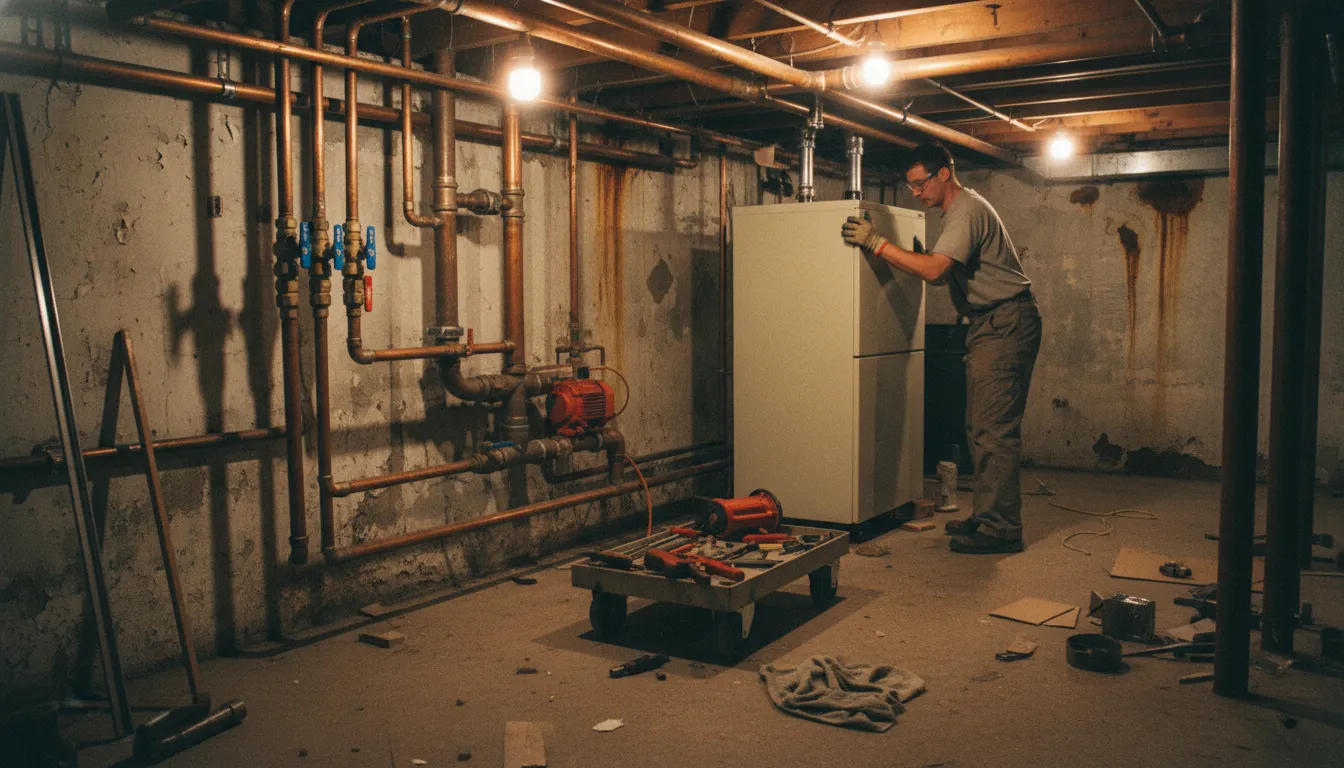
Find the Best Boiler Installation & Replacement Contractors for Your Business
No obligation • Fast responses • Nationwide coverage

Why you can trust HVAC Firms
HVAC Firms is a leading United States resource for evaluating HVAC service providers. Our team researches companies, checks credentials, and reviews customer feedback to present clear, unbiased information. Listings and rankings are based on merit, and companies cannot pay to change our editorial content.
Search providers near you
Best Boiler Installation & Replacement Contractors in Kentucky Ranked
Installing or replacing a boiler in your Kentucky home is a significant investment that requires careful planning and professional expertise. A properly installed, high-efficiency boiler provides reliable, cost-effective heat for decades, while a poor installation can lead to safety risks, higher energy bills, and frequent repairs. This guide provides essential information on Kentucky's regulations, costs, and best practices to help you navigate the process of finding qualified local professionals for your boiler project.
GraceLand Air
314 Stanford St, Lancaster, KY 40444
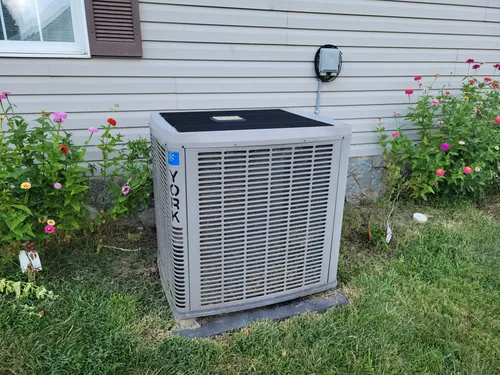
GraceLand Air is a local HVAC company serving Lexington, KY, and nearby areas including Lancaster. They provide a full range of heating and cooling services such as air conditioning and furnace repair, heat pump and boiler installation, ductless mini-split systems, and indoor air quality solutions. With over ten years of experience, GraceLand Air offers tailored solutions based on thorough diagnostics to ensure effective and long-term results. The company is a YORK® Certified Comfort Expert™ and serves all brands.
One Choice Mechanical
8611 National Tpke, Fairdale, KY 40118
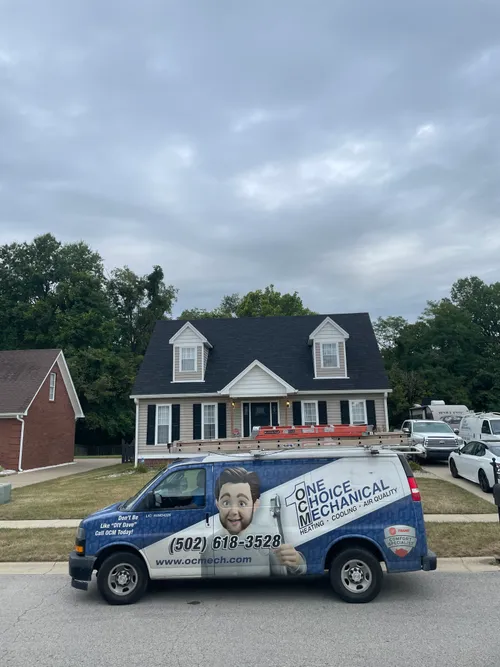
One Choice Mechanical is an HVAC company serving Louisville, KY, offering a full range of heating and cooling services for residential and commercial clients. Their expertise includes installation, repair, and tune-ups for air conditioners, furnaces, heat pumps, boilers, mini splits, and geothermal heat pumps. Established in 2007, the company provides 24/7 emergency HVAC services to ensure reliable support whenever needed.
Jarboe's Heating Cooling Plumbing
2620 Gleeson Ln #4C, Jeffersontown, KY 40299
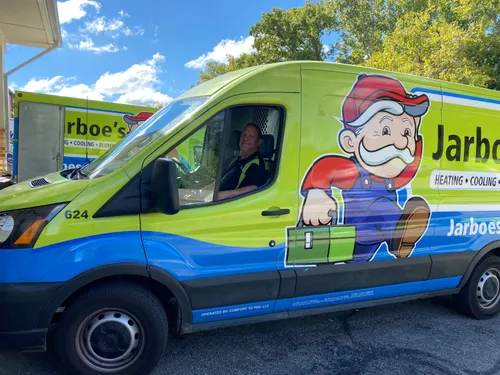
Jarboe's Heating Cooling Plumbing is a locally owned HVAC and plumbing company serving Louisville, KY. They provide a wide range of services including repair, installation, and maintenance for furnaces, heat pumps, air conditioners, boilers, mini splits, geothermal heat pumps, and duct cleaning. The company is known for its NATE-certified technicians and offers 24/7 emergency service to address heating, cooling, and plumbing issues promptly. With over 35 years of experience, Jarboe's specializes in HVAC system tune-ups, replacements, and indoor air quality improvements, ensuring homes stay comfortable year-round.
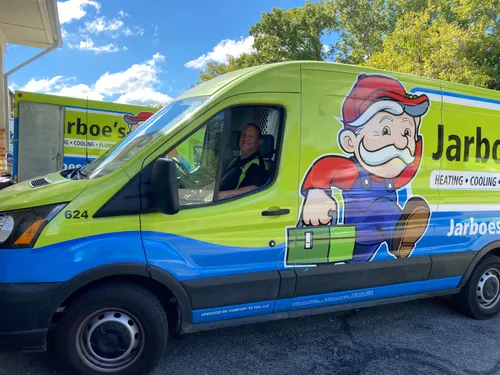
Jarboe's Plumbing, Heating & Cooling
503 Washburn Ave Suite 201B, Louisville, KY 40222
Jarboe's Plumbing, Heating & Cooling is a full-service HVAC and plumbing company serving Louisville, KY. They offer a wide range of services including repair, installation, and maintenance of air conditioners, furnaces, heat pumps, boilers, and duct cleaning. As a Carrier Factory Authorized Dealer, they provide expert installation of high-quality heating and cooling systems, including geothermal heat pumps and mini splits. With over 35 years of experience, Jarboe's is known for their NATE-certified technicians and 24/7 emergency repair availability to address urgent heating and cooling needs.
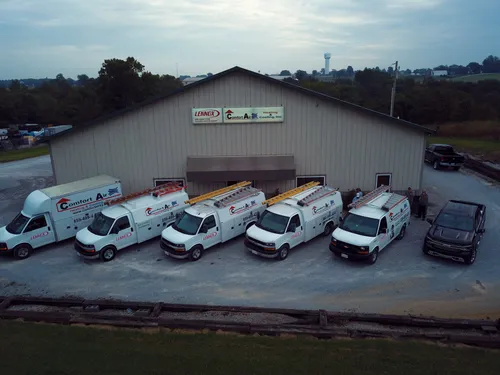
Comfort Air Heating & Cooling
471 Adena Dr, Mt Sterling, KY 40353
Comfort Air Heating & Cooling is an HVAC contractor based in Lexington, KY, offering a wide range of heating and cooling services. They provide installation, repair, and maintenance for air conditioners, furnaces, heat pumps, boilers, mini splits, geothermal heat pumps, and indoor air quality systems. As a licensed Carrier dealer, they supply various indoor comfort products including programmable thermostats, humidifiers, air cleaners, and zoning products. Comfort Air Heating & Cooling has experience servicing all brands and offers 24/7 emergency service to their customers. They also provide service agreements to help maintain system efficiency and reduce emergencies.
Understanding Kentucky's Boiler Regulations
In Kentucky, all residential boiler work is governed by state and local codes designed to ensure safety and efficiency. The work is regulated under the Kentucky Building and Plumbing Codes, which are based on the International Codes with state-specific amendments. The primary regulation for boiler installation is 815 KAR 15:025, which references the National Board Inspection Code (NBIC) for design, construction, and installation standards 1 2.
Key Regulatory Points:
- Licensing: Only a licensed master plumber or a homeowner (for their own primary residence) can legally pull a permit for boiler installation 3.
- Permits: A permit is required for all new installations and significant replacements. Your contractor should handle this process.
- Inspections: After installation, the completed system must be inspected by a state or local code official to verify compliance with all safety and building codes.
The Importance of Proper Sizing and Efficiency
One of the most critical steps in a boiler installation or replacement is correctly sizing the unit for your home. An oversized boiler will short-cycle (turn on and off frequently), wasting fuel, increasing wear, and reducing comfort. An undersized boiler will struggle to heat your home on the coldest days.
Professional contractors perform a Manual J heat load calculation, which considers your home's square footage, insulation levels, window quality, and local climate to determine the precise heating capacity needed.
Kentucky's energy code, found in Chapter 11 of the Kentucky Residential Code, emphasizes efficiency 4. When selecting a new boiler, you'll encounter the Annual Fuel Utilization Efficiency (AFUE) rating. This percentage indicates how much of the fuel's energy is converted into usable heat.
- Standard Efficiency: Boilers with an AFUE of 80% to 85% are less expensive upfront but convert less fuel into heat.
- High-Efficiency Condensing Boilers: These units have an AFUE of 90% or higher. They capture heat from exhaust gases that would otherwise be vented out, making them significantly more efficient and cost-effective over time, though they have a higher initial cost.
Types of Boilers Available in Kentucky
Choosing the right type of boiler depends on your home's existing infrastructure, fuel availability, and hot water needs.
- Gas-Fired Boilers: The most common type in areas with natural gas service. They are generally cost-effective to operate and offer high efficiency.
- Oil-Fired Boilers: A reliable option for homes without access to natural gas lines. They require an on-site storage tank.
- Electric Boilers: Less common for whole-home heating due to higher operating costs in Kentucky, but they are 100% efficient at point-of-use and require no venting.
- System Configurations:
- Conventional (Regular) Boiler: Works with a separate hot water cylinder. Good for homes with multiple bathrooms.
- System Boiler: Also uses a cylinder but has key components built into the unit for easier installation.
- Combination (Combi) Boiler: Provides heat and instant hot water on demand without a storage tank, saving space.
Find the perfect boiler installation & replacement contractors for your needs
Get personalized recommendations and expert advice
Breakdown of Boiler Installation & Replacement Costs
The total cost for a boiler replacement in Kentucky typically ranges from $4,000 to over $10,0005 6. Several factors influence the final price:
- Equipment Cost ($2,000 - $5,000+): Varies greatly by boiler type (combi, system, conventional), fuel source (gas, oil, electric), brand, and efficiency rating (AFUE). High-efficiency condensing models are at the higher end.
- Labor ($1,500 - $2,500): Includes removal of the old unit, installation of the new boiler and related components (pumps, valves, expansion tank), and making all connections.
- Permit Fees ($50 - $200): Required by local jurisdictions 7.
- Old Unit Removal & Disposal ($500 - $1,000): Involves safely disconnecting and hauling away the old boiler and, if applicable, an oil tank.
- Additional Modifications: Costs can increase if you need to upgrade piping, relocate the boiler, install a new flue liner for a high-efficiency unit, or switch fuel types (e.g., from oil to gas, which requires running a new gas line and removing the old oil tank).
The Professional Installation Process: What to Expect
Working with a licensed professional ensures the job is done safely, correctly, and to code. Here is a typical process:
- Initial Consultation & Load Calculation: A technician assesses your home, discusses your needs, and performs a heat load calculation.
- Quote & System Selection: You receive a detailed quote outlining equipment options, efficiency ratings, and total cost. The contractor should explain the pros and cons of each.
- Permit Application: Your contractor submits the necessary paperwork and pays the fees to obtain the installation permit.
- Preparation & Removal: The crew prepares the work area, safely disconnects utilities, and removes the old boiler and related components.
- Installation: The new boiler is positioned, connected to fuel, water, and electrical lines, and integrated with your heating distribution system (radiators, baseboards, etc.).
- Testing & Commissioning: The system is filled, purged of air, fired up, and tested for proper operation, safety, and efficiency.
- Final Inspection: A state or local inspector visits to verify the installation meets all Kentucky codes.
- Homeowner Orientation: The technician explains the system's operation, maintenance needs, and warranty details.
How to Choose a Qualified Kentucky Contractor
Selecting the right professional is the most important decision you'll make.
- Verify Licensing & Insurance: Ensure the company employs licensed master plumbers and carries both liability and worker's compensation insurance.
- Check References & Reviews: Look for established companies with positive reviews on independent platforms and ask for references from recent boiler installation jobs.
- Get Detailed, Written Estimates: Obtain at least three itemized quotes that include equipment model numbers, labor, permit fees, and a clear scope of work. Be wary of significantly low bids.
- Ask About Permits & Inspections: A reputable contractor will insist on pulling the proper permits and scheduling the final inspection. If they suggest skipping permits, it's a major red flag 8.
- Review the Warranty: Understand what is covered (parts, labor) and for how long, for both the equipment and the installer's workmanship.
Frequently asked questions
Sources
Footnotes
-
Title 815 Chapter 15 Regulation 025 • Kentucky Administrative ... - https://apps.legislature.ky.gov/law/kar/titles/815/015/025/ ↩
-
815 KAR 15:025. New installations, general design, construction, ... - https://apps.legislature.ky.gov/services/karmaservice/documents/8296/ToPDF?markup=false ↩
-
Division of Plumbing - https://dhbc.ky.gov/newstatic_info.aspx?static_id=337 ↩
-
Chapter 11 [RE] Energy Efficiency: Kentucky Residential Code 2018 | UpCodes - https://up.codes/viewer/kentucky/irc-2015/chapter/11/re-energy-efficiency ↩
-
Guide to Installing a New Boiler System - Aspen Creek HVAC - https://www.aspencreekhc.com/guide-to-installing-a-new-boiler-system/ ↩
-
Boiler Replacement Costs: Smart Budgeting and Planning ... - https://www.tcmemt.com/post/the-cost-of-boiler-replacement-expert-guide-to-smart-budgeting-and-installation-planning ↩
-
Kentucky Plumbing Code 2024 - https://bcapcodes.org/kentucky/plumbing-code-2024/ ↩
-
Energy Provisions of the Kentucky Residential Code - https://www.mwalliance.org/sites/default/files/Kentucky%20Long%20Guide%20Homeowners%2011-2015.pdf ↩