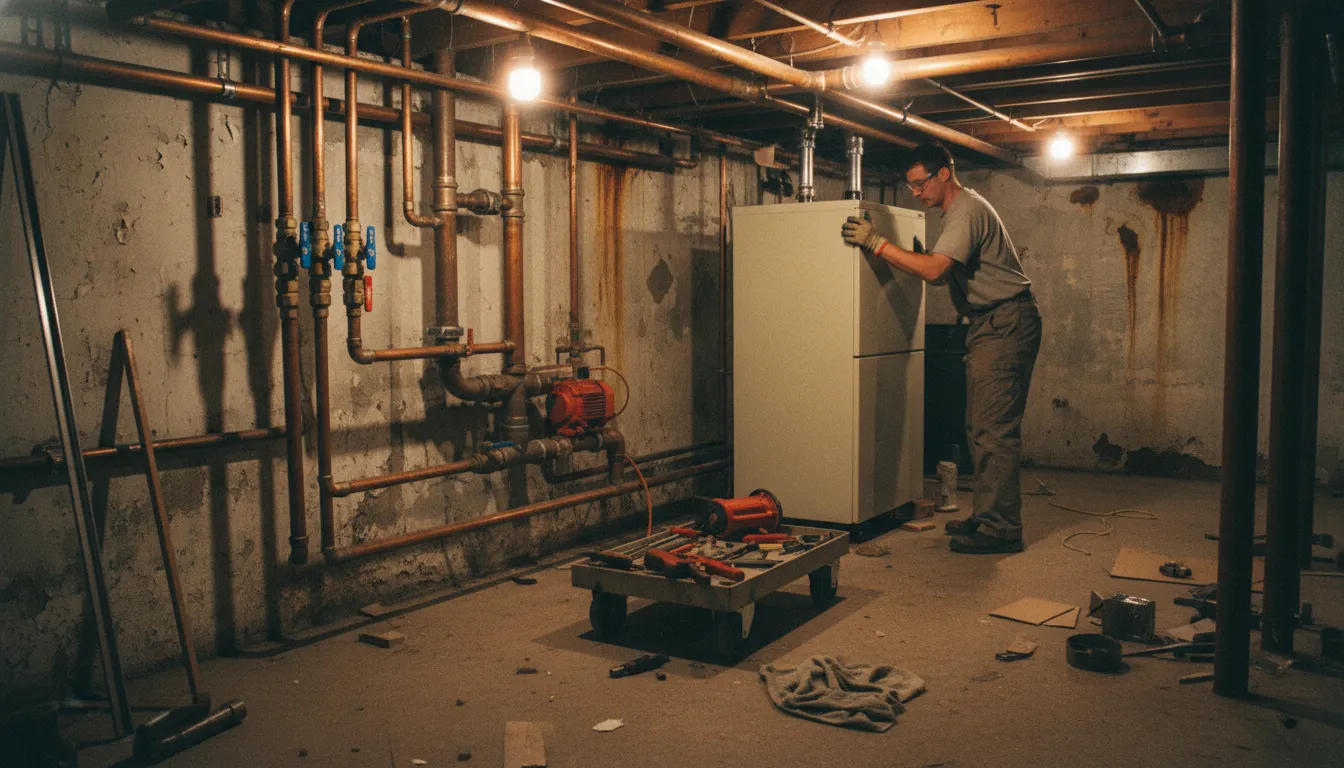
Find the Best Boiler Installation & Replacement Contractors for Your Business
No obligation • Fast responses • Nationwide coverage

Why you can trust HVAC Firms
HVAC Firms is a leading United States resource for evaluating HVAC service providers. Our team researches companies, checks credentials, and reviews customer feedback to present clear, unbiased information. Listings and rankings are based on merit, and companies cannot pay to change our editorial content.
Search providers near you
Top Boiler Installation & Replacement Contractors in Sandy Springs, Georgia Ranked
Replacing or installing a new boiler is a significant home improvement project that directly impacts your comfort, energy bills, and safety. Whether you're upgrading an aging system, converting from another heat source, or installing a boiler in a new construction, the process involves careful selection, professional installation, and adherence to strict local codes. This guide will help you understand the types of systems available, the critical regulations in Sandy Springs, and what to expect throughout the process of finding and working with a qualified local professional.
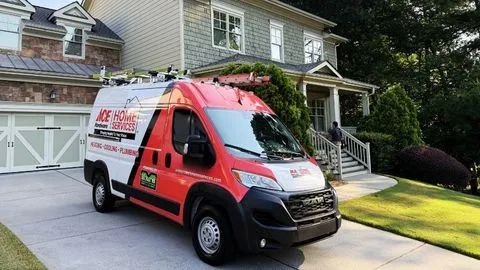
Moncrief Heating & Air Conditioning
935 Chattahoochee Ave NW, Atlanta, GA 30318
Moncrief Heating & Air Conditioning is a full-service HVAC and plumbing company serving Atlanta, GA. With over 125 years of experience, they provide installation, repair, and maintenance for heating, cooling, and plumbing systems. Their services include AC, furnace, heat pump, boiler, mini split, and geothermal heat pump installation and repair, along with HVAC tune-ups. Moncrief works closely with clients to create tailored solutions that fit individual home comfort and health needs.

United Air Temp
3030 Business Park Drive, Norcross, GA 30071
United Air Temp is an HVAC and plumbing company serving the Atlanta, GA area, including Duluth and Marietta. They offer a wide range of services such as air conditioning repair and installation, furnace and boiler maintenance, indoor air quality testing and improvement, and plumbing solutions including water heaters and water treatment. With over 90 years of experience, United Air Temp provides 24/7 emergency HVAC services and emphasizes regular maintenance plans to ensure system efficiency and reliability.

United Air Temp
1240 Johnson Ferry Pl Building - C Suite #220, Marietta, GA 30068
United Air Temp is an HVAC and plumbing contractor serving the Atlanta, GA area, including Duluth and Marietta. They offer a wide range of services such as air conditioning repair and installation, furnace and boiler repair and replacement, indoor air quality testing and improvement, and plumbing solutions including water heaters and water treatment. With over 90 years of experience, United Air Temp provides 24/7 emergency HVAC services and maintains comprehensive maintenance programs to ensure system efficiency and reliability.
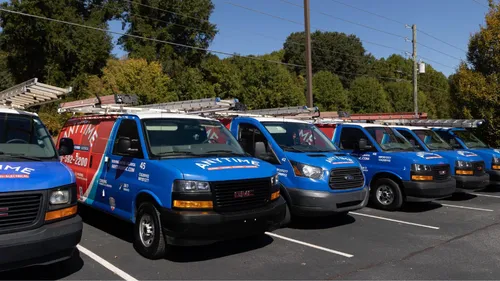
ANYTIME HEATING, COOLING AND PLUMBING
1395 South Marietta Pkwy SE Suite 600, Marietta, GA 30067
ANYTIME HEATING, COOLING AND PLUMBING provides comprehensive HVAC and plumbing services in Atlanta, GA. Serving the Metro Atlanta area for over 23 years, the company offers heating system repairs, installations, and maintenance for furnaces, boilers, heat pumps, and electric resistance heaters. Their cooling services include air conditioner repair, installation, and tune-ups for central AC, ductless mini-splits, and heat pumps. Plumbing services cover drain cleaning, fixture repair and installation, sewer line repair, hydro jetting, and water heater services. The team is fully licensed and insured, with a strong focus on restoring home comfort and safety efficiently.
HVAC Allies
Atlanta, GA
HVAC Allies is a licensed and insured HVAC contractor based near Atlanta, GA, serving homes and businesses within a 125-mile radius. They provide a wide range of HVAC services including installation, repair, and maintenance of air conditioners, furnaces, heat pumps, boilers, and complete HVAC systems. The company focuses on delivering custom HVAC solutions tailored to client needs, covering both cooling and heating systems. HVAC Allies serves the Atlanta area and parts of Georgia and Texas, aiming to offer quality products and services that enhance comfort and efficiency.
Understanding Your Boiler System Options
Modern boiler technology offers efficient and comfortable heating solutions. The core function is the same-heating water to provide warmth-but the fuel type, efficiency, and method of distributing heat can vary significantly.
Fuel Types and Efficiency The most common residential boilers in Sandy Springs are fueled by natural gas, propane (LP), oil, or electricity.
- Gas Boilers: Natural gas is a prevalent and often cost-effective option. Modern condensing gas boilers are the most popular choice for replacements due to their high efficiency (often over 90% AFUE). They capture heat from exhaust gases that would otherwise be lost up the flue, making them significantly more efficient than older, non-condensing models.
- Oil Boilers: A common choice in areas without natural gas lines. Newer oil-fired boiler models are much more efficient than those from decades past.
- Electric Boilers: These units are 100% efficient at point-of-use and are often compact and easier to install since they don't require venting. However, operating costs can be higher depending on local electricity rates 1.
Heat Distribution: How the Warmth Gets Around The heated water from your boiler needs a way to warm your home. The two primary systems are:
- Radiators: These classic heat emitters come in styles like cast iron column radiators or modern, slim panel radiators. They provide a steady, radiant warmth.
- Radiant Floor Heating: This luxurious and efficient system involves running flexible tubing (PEX) within the floor structure. The entire floor becomes a gentle, even source of heat.
The Advantage of Zoning A major benefit of hydronic (hot water) heating is the ease of creating zones. By using multiple thermostats and zone valves or pumps, you can control the temperature in different areas of your home independently (e.g., keeping bedrooms cooler at night while keeping the living room warm). This enhances comfort and can lead to meaningful energy savings.
Navigating Codes and Permits in Sandy Springs
Boiler work is not a DIY project. In Georgia, boiler installation and replacement are governed by strict state and local codes designed to ensure safety and proper performance. Your contractor is responsible for knowing and following these rules.
State and Local Regulations All boiler work in Sandy Springs must comply with the Georgia State Minimum Standard Mechanical Code, which is based on the International Mechanical Code (IMC 2018/2012). Key requirements include:
- Permits: A mechanical permit is required before any boiler installation or replacement begins. Your licensed contractor will typically pull this permit. For larger projects, a building permit from the City of Sandy Springs may also be necessary.
- Equipment Standards: The boiler unit itself must be listed and labeled by a recognized testing agency (like UL) and constructed to comply with the ASME Boiler and Pressure Vessel Code.
- Installation Specifications: The code dictates proper mounting on noncombustible surfaces, provision of adequate combustion air, and the correct installation of all safety devices, including pressure relief valves.
The Critical Role of Inspections After installation, the work must be inspected and approved.
- State Inspection: The Georgia Office of the Insurance and Safety Fire Commissioner (OCI) has jurisdiction over boilers and pressure vessels in the state. Their inspection ensures compliance with ASME and state safety codes 2.
- Local Inspection: The City of Sandy Springs will conduct its own inspection to verify the installation meets local amendments to the mechanical code and that the permit is properly closed 3.
Your contractor should coordinate both inspections. Never let a contractor skip the permit and inspection process; it's a red flag and can create serious safety hazards and legal issues when you sell your home.
Find the perfect boiler installation & replacement contractors for your needs
Get personalized recommendations and expert advice
The Professional Installation Process
A successful boiler project follows a clear sequence from planning to completion. Here's what a professional installation typically looks like.
Initial Consultation and System Design A qualified technician will assess your home's heat loss (using a Manual J calculation), evaluate your existing piping and radiation (radiators/floor tubing), and discuss your comfort goals and budget. This is when decisions about boiler type, efficiency, and potential zoning are made.
Preparation and Removal The old boiler is safely disconnected from fuel, water, and electrical lines. The area is prepared, which may involve upgrading the platform or repairing the chimney/flue. For high-efficiency condensing boilers, a new PVC venting system is often installed.
Installation and Commissioning The new boiler is set in place and connected. This includes:
- Piping connections to the existing or new distribution system.
- Fuel line connection (gas, oil) or electrical service.
- Installation of expansion tanks, circulator pumps, and zone controls.
- Connection of safety devices and control wiring.
- Most importantly: The installer must set, adjust, and test all operating and safety controls according to the manufacturer's instructions and code. They are also required to provide you with installation diagrams and operating instructions 4.
Final Testing and Customer Walkthrough Once the system is filled and vented, the contractor will fire the boiler, check for leaks, and verify proper operation of all components and zones. They should then walk you through the basics of operating your new system, explaining the thermostat and any maintenance tasks.
Understanding the Investment: Cost Factors
The total cost of a boiler replacement in Sandy Springs can vary widely based on the system's complexity, the equipment selected, and the condition of your existing infrastructure.
Boiler Unit Cost The equipment itself is a major part of the budget.
- Standard-Efficiency Boilers: Typically range from $2,000 to $5,000.
- High-Efficiency Condensing Boilers: Range from $4,000 to $9,000 or more, reflecting their advanced technology and potential for long-term fuel savings.
Total Installation Cost A full, professional replacement of a residential boiler in Sandy Springs generally falls between $4,000 and $10,000+. This includes labor, the unit, basic materials, and standard connections.
Common Additional Costs Be prepared for potential add-ons that can affect the final price:
- New Radiators or Zone Valves: Adding or replacing heat emitters can cost $1,000 - $3,000 per zone 5 6.
- Upgraded Piping: Repiping sections of your system may add $500 - $1,500.
- Chimney Liner: Required for some mid-efficiency boilers; costs $400 - $1,000 7.
- Electrical Work: For new circuits or disconnects, budget $200 - $800.
- Permit Fees: Vary by municipality but are a necessary part of the project cost.
Choosing the Right Local Professional
Your choice of contractor is the most critical factor in a successful installation. Look for a licensed Georgia mechanical contractor who specializes in hydronic heating. Verify their insurance, ask for references from recent boiler jobs, and ensure they are familiar with the specific permit and inspection processes for the City of Sandy Springs and the Georgia OCI. A trustworthy professional will provide a detailed, written estimate, pull all required permits, and handle the inspection process from start to finish.
Frequently asked questions
Sources
Footnotes
-
CHAPTER 20 BOILERS AND WATER HEATERS - https://codes.iccsafe.org/content/GAIRC2018P1/chapter-20-boilers-and-water-heaters ↩
-
Boilers & Pressure Vessels - https://oci.georgia.gov/inspections-permits-plans/boilers-pressure-vessels ↩
-
Residential Inspections - City of Sandy Springs - https://up.sandyspringsga.gov/sites/default/files/2022-07/Residential%20Inspections%20-%2004-07-20.pdf ↩
-
Chapter 10 Boilers, Water Heaters and Pressure Vessels: Georgia State Minimum Standard Mechanical Code 2012 | UpCodes - https://up.codes/viewer/georgia/imc-2012/chapter/10/boilers-water-heaters-and-pressure-vessels ↩
-
Boiler Replacement Costs: Smart Budgeting and Planning ... - https://www.tcmemt.com/post/the-cost-of-boiler-replacement-expert-guide-to-smart-budgeting-and-installation-planning ↩
-
Boiler Replacement Cost and Price - Carrier - https://www.carrier.com/residential/en/us/products/boilers/cost-buying-boiler-replacement/ ↩
-
What Does Boiler Replacement Cost? [2025 Data] - HomeAdvisor - https://www.homeadvisor.com/cost/heating-and-cooling/install-a-boiler/ ↩