Find the Best Boiler Installation & Replacement Contractors for Your Business
No obligation • Fast responses • Nationwide coverage

Why you can trust HVAC Firms
HVAC Firms is a leading United States resource for evaluating HVAC service providers. Our team researches companies, checks credentials, and reviews customer feedback to present clear, unbiased information. Listings and rankings are based on merit, and companies cannot pay to change our editorial content.
Search providers near you
Top Boiler Installation & Replacement Contractors in Phoenix, Arizona Ranked
Installing or replacing a boiler is a significant home improvement project that ensures reliable, efficient heating for your Phoenix residence. While our desert climate is known for its heat, winter nights and mornings can bring surprisingly cool temperatures, making a properly functioning boiler essential for comfort. This process involves selecting the right type of boiler for your home, navigating local permits and codes, and ensuring a professional installation for safety and performance. The following information will help you understand the key considerations, from system types and costs to the installation process and local regulations, so you can make an informed decision when selecting a service provider for your heating needs.
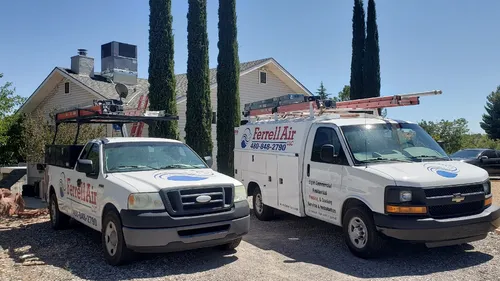
Ferrell Air LLC
633 E Ray Rd STE 108, Gilbert, AZ 85296
Ferrell Air LLC is an HVAC installation contractor based in Gilbert, AZ. They serve Queen Creek and the surrounding communities in the Valley, offering installation services for air conditioning, furnaces, heat pumps, boilers, and mini split systems. The company focuses on providing tailored solutions for homes and businesses to meet unique comfort needs and has experience installing many systems in the area.
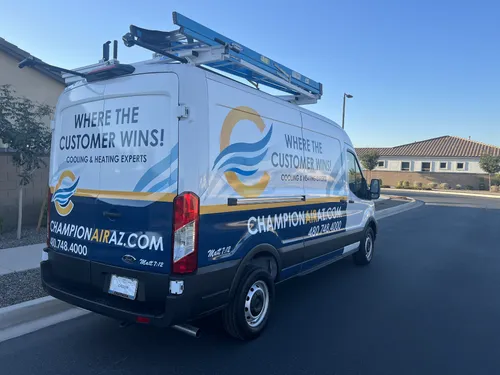
Champion Air
2025 W Rose Garden Ln, Phoenix, AZ 85027
Champion Air is an HVAC company serving Phoenix, AZ, specializing in air conditioning, furnace, heat pump, and boiler repair and installation. They provide comprehensive services including routine AC maintenance, duct cleaning, and ductless HVAC system installation and repair. Known for their expertise with various heating and cooling technologies, Champion Air offers 24/7 emergency HVAC repairs to address urgent needs. Established in 1982, this family business has decades of experience and is an official Lennox Premier Dealer, ensuring skilled service across many makes and models.
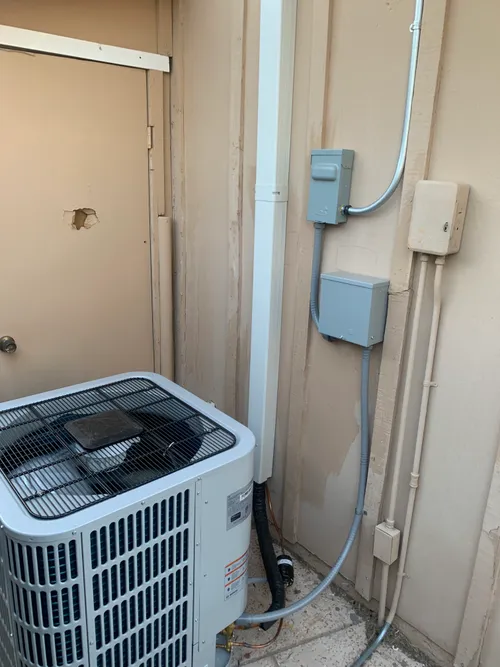
Lipovic Heating & Cooling
723 N Hosick Cir, Mesa, AZ 85201
Lipovic Heating & Cooling is an HVAC company based in Mesa, AZ, specializing in repair and installation services for air conditioners, furnaces, heat pumps, and boilers. They focus on restoring equipment that other companies might recommend replacing, offering detailed plans to ensure proper operation. When replacement is necessary, they install systems designed for comfort and reliability. Their approach emphasizes doing the job correctly the first time.
Expert HVAC Services Inc
23650 N 35th Dr #120, Glendale, AZ 85310
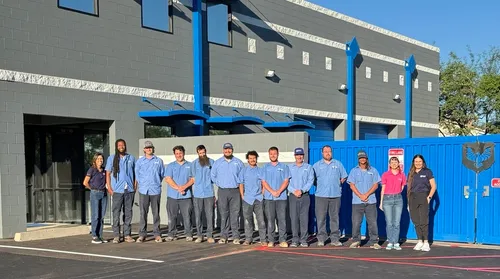
Expert HVAC Services Inc is an HVAC company based in Glendale, AZ. They provide a range of services including air conditioning, furnace, heat pump, and boiler repair and installation. The company also offers HVAC tune-up services to help maintain system efficiency. Expert HVAC Services Inc is available to assist with system replacements, seasonal maintenance, and urgent repairs.
Advanced Air Systems
5926 Wagon Wheel Ln Unit B, Lakeside, AZ 85929
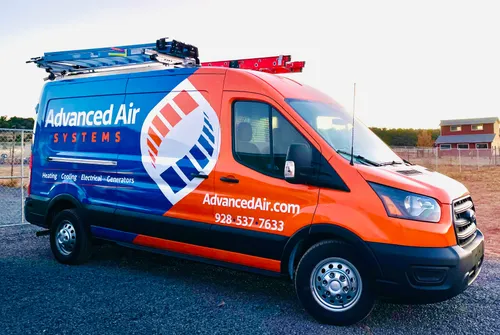
Advanced Air Systems is a family-owned HVAC, plumbing, and electrical service provider based near Phoenix, AZ. Serving the Gila Valley and White Mountain areas, they offer residential and commercial heating and cooling services including furnace, AC, heat pump, boiler, and mini-split installation and repair. The company has over 20 years of experience and employs certified contractors to handle a wide range of HVAC needs. They also provide commercial refrigeration repair and maintenance. Advanced Air Systems is licensed, insured, and bonded, serving communities such as Safford, Thatcher, Show Low, and surrounding areas.
Understanding Boiler Systems for Phoenix Homes
A boiler is the heart of a hydronic heating system, generating heat that is then distributed throughout your home. Unlike a furnace that heats air, a boiler heats water or produces steam. This hot water or steam then travels through pipes to radiators, baseboard heaters, or in-floor tubing to provide warmth. Given Phoenix's mixed climate, where heating is needed seasonally, these systems are often paired with a separate central air conditioning system for year-round comfort.
The two primary distribution methods are:
- Hot Water (Hydronic) Systems: These are the most common in modern installations. A pump circulates heated water through a closed loop of pipes to terminal units like radiators or through tubing embedded in floors for radiant heat. Hydronic systems provide consistent, even warmth and are highly efficient.
- Steam Systems: More common in older homes, these systems boil water to create steam, which rises through pipes to radiators. While effective, they are less common in new installations due to the efficiency and control offered by modern hydronic systems.
Choosing the right system depends on your home's existing infrastructure, your heating preferences, and your budget for both installation and long-term operation.
Types of Boilers: Efficiency and Fuel Sources
Not all boilers are created equal. The main differentiators are efficiency ratings and the fuel they use, both of which significantly impact upfront cost and long-term energy expenses.
Boiler Efficiency (AFUE): The Annual Fuel Utilization Efficiency (AFUE) rating measures how efficiently a boiler converts fuel into heat over a typical year.
- Standard Efficiency Boilers: These units typically have AFUE ratings between 80% and 85%. They are less expensive to purchase but lose more heat through the venting process.
- High-Efficiency Condensing Boilers: These advanced models have AFUE ratings of 90% or higher, with many reaching 95-98% 1. They capture heat from exhaust gases that would otherwise be wasted, condensing water vapor in the process. While they have a higher initial cost, they can lead to substantial savings on your gas bills, making them a smart investment for many Phoenix homeowners.
Fuel Types:
- Natural Gas: This is the most common fuel source for boilers in Phoenix due to its widespread availability and generally lower cost compared to other fuels. Installation requires a proper gas line and venting.
- Oil: Some older homes may have oil-fired boilers. Replacing an oil boiler often involves considering a switch to natural gas, which requires installing a gas line and properly decommissioning the old oil tank-a process that adds to the project complexity and cost.
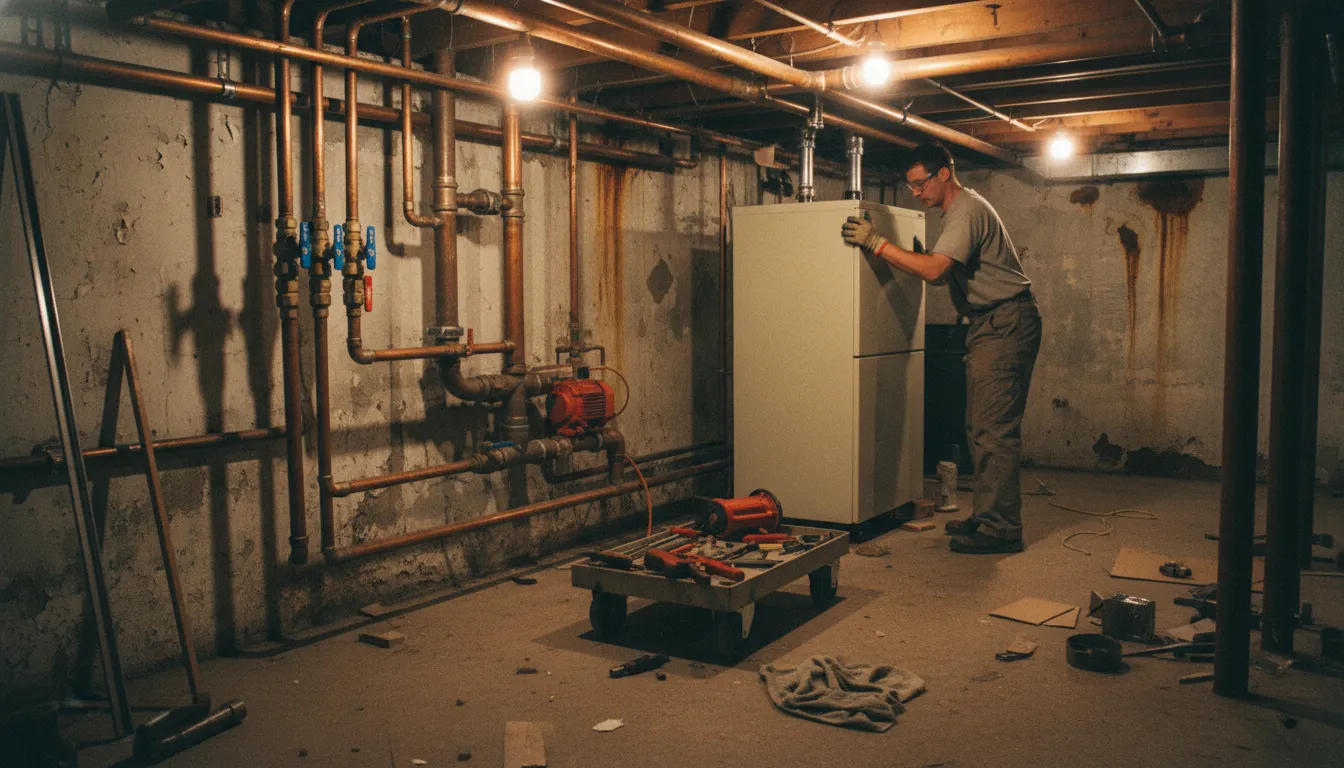
The Professional Installation Process: Step-by-Step
A successful boiler installation is a multi-stage process that ensures safety, compliance, and optimal performance. Here's what you can expect when working with a qualified professional:
- Consultation and Assessment: A technician will evaluate your home's heating needs, including square footage, insulation quality, and the number of rooms. They will inspect your existing system (if applicable), discuss your comfort goals, and help you select the appropriate boiler type and size.
- Permitting and Plan Review: In Phoenix, installing a boiler requires permits for gas, plumbing, and electrical work. Your installer should handle submitting the necessary plans to the City of Phoenix for review to ensure compliance with the International Mechanical Code (IMC) and other local regulations. For certain pressure vessels, a form may also need to be filed with the Arizona Division of Occupational Safety and Health (ADOSH).
- Preparation and Removal: The old boiler (if being replaced) is safely disconnected from fuel, water, and electrical lines and removed from the premises. The site is prepared for the new unit.
- New Boiler Installation: The new boiler is positioned, leveled, and secured. Professionals then connect the gas supply line, water piping (including any necessary backflow prevention devices), electrical wiring, and the venting system. Proper combustion air supply is also verified, which is a critical safety step.
- System Testing and Commissioning: The system is filled with water, purged of air, and pressurized. The installer will test for leaks, verify all safety controls and switches are operational, check ignition and flame, and ensure proper water circulation and pressure.
- Customer Handover: Finally, the technician should provide you with the boiler's operating manual, explain basic controls and maintenance tasks, and review the system's warranty 2.
Find the perfect boiler installation & replacement contractors for your needs
Get personalized recommendations and expert advice
Phoenix Permits, Codes, and Safety Regulations
Adhering to local codes is not just a bureaucratic step-it's essential for the safe operation of your boiler. The City of Phoenix enforces codes that govern every aspect of the installation.
Key Code Requirements Include:
- Proper Venting: The flue or vent must be correctly sized and installed to safely exhaust combustion gases outdoors, preventing dangerous backdrafting 3.
- Adequate Combustion Air: The boiler must have a sufficient supply of fresh air for safe combustion. This often requires specific intake venting, especially in modern, tightly-sealed homes.
- Gas Piping: Gas supply lines must be the correct diameter and material to deliver adequate fuel pressure to the boiler safely.
- Pressure Vessel Compliance: The boiler itself must be constructed to ASME (American Society of Mechanical Engineers) standards. While ADOSH regulations for boilers and pressure vessels may exempt private residences of six units or fewer from some inspection rules, compliance with the ASME stamp is a fundamental requirement for all installations 4 5.
- Backflow Prevention: If the boiler is connected to the domestic potable water supply for makeup water, a backflow prevention device is required to protect your home's drinking water.
Your installer is responsible for knowing these codes, pulling the correct permits, and ensuring the installation passes any required inspections.
Cost Factors for Boiler Installation and Replacement
The total investment for a new boiler system in Phoenix can vary widely based on several factors. Typical total installed costs for a residential system range from $4,000 to over $10,000.
Primary Cost Drivers:
- Boiler Unit Itself: The cost of the physical boiler can range from $2,000 for a standard-efficiency model to $5,000 or more for a high-efficiency condensing unit 6.
- Labor: Professional installation labor typically adds $1,500 to $2,500 or more to the project, depending on complexity.
- System Type and Complexity: Replacing a like-for-like boiler is generally less expensive than changing system types. Adding new radiant floor heating, for example, involves installing extensive piping under the floor and can cost between $3 to $7 per square foot, making a whole-home project a significant investment 7 8.
- Fuel Conversion: Switching from an oil-fired system to natural gas adds cost for running a new gas line and properly abandoning the old oil tank, which can add $2,000 or more to the project 9.
- Ancillary Costs: Don't forget to budget for permit fees (typically $50-$200) and the cost of removing and disposing of the old unit ($500-$1,000) 10.
While a high-efficiency boiler has a higher upfront price (often $6,000 to $8,500+ installed), the long-term energy savings in operating costs can make it the more economical choice over the lifespan of the unit 11 12.
Maintaining Your New Boiler System
Once your new boiler is installed, proper maintenance is key to ensuring its efficiency, longevity, and safety. An annual check-up by a qualified technician is recommended, typically before the heating season begins. This service should include inspecting the heat exchanger, checking and testing all safety controls, cleaning the burner and combustion chamber, verifying proper venting, and assessing the water pressure and condition in a hydronic system. Regular maintenance not only helps prevent mid-winter breakdowns but also maintains the unit's AFUE rating, keeping your energy bills as low as possible.
Frequently asked questions
Sources
Footnotes
-
Boiler Installation in Phoenix | Service Experts - https://www.serviceexperts.com/phoenix-az/services/heating-services/boilers/ ↩
-
Comprehensive Boiler Installation Guide - PlumbersStock - https://www.plumbersstock.com/how-to-hvac/boilers/comprehensive-installation-guide.html ↩
-
Chapter 20 Boilers and Water Heaters - UpCodes - https://up.codes/viewer/phoenix/irc-2018/chapter/20/boilers-and-water-heaters ↩
-
ADOSH - BOILER - Boiler and Pressure Vessel New Install / Reinstall Form | Industrial Commission of Arizona - https://www.azica.gov/forms/adosh-boiler-boiler-and-pressure-vessel-new-install-reinstall-form ↩
-
Boiler Rules Applying to boilers, water heaters and pressure ... - https://www.azica.gov/sites/default/files/ADOSH_Rules_Boilers_2009_rev2.pdf ↩
-
Boiler Replacement Cost and Price - Carrier - https://www.carrier.com/residential/en/us/products/boilers/cost-buying-boiler-replacement/ ↩
-
Costs of Hydronic Heating - https://www.hydronicheating.net/costs.html ↩
-
What Is the Cost of Radiant Heating Installation? - https://callwingate.com/what-is-the-cost-of-radiant-heating-installation/ ↩
-
Boiler Installation, Inspection & Plan Review Responsibilities - https://www.phoenix.gov/pddsite/Documents/TRT/dsd_trt_pdf_00622.pdf ↩
-
Guide to Installing a New Boiler System - Aspen Creek HVAC - https://www.aspencreekhc.com/guide-to-installing-a-new-boiler-system/ ↩
-
Boiler Replacement Costs: Smart Budgeting and Planning ... - https://www.tcmemt.com/post/the-cost-of-boiler-replacement-expert-guide-to-smart-budgeting-and-installation-planning ↩
-
Boiler Replacement Costs: Smart Budgeting and Planning Guide - https://www.tcmemt.com/post/the-cost-of-boiler-replacement-expert-guide-to-smart-budgeting-and-installation-planning ↩