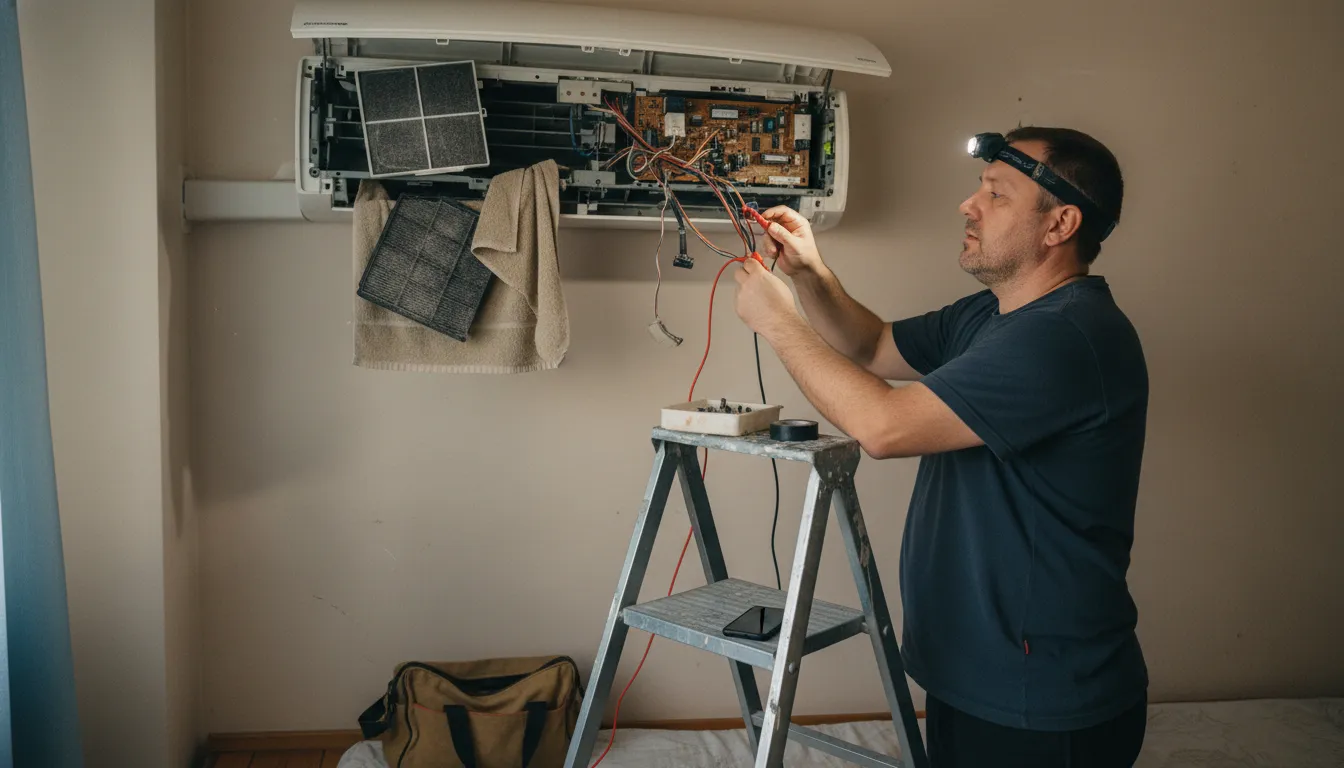
Find the Best AC Repair Contractors for Your Business
No obligation • Fast responses • Nationwide coverage

Why you can trust HVAC Firms
HVAC Firms is a leading United States resource for evaluating HVAC service providers. Our team researches companies, checks credentials, and reviews customer feedback to present clear, unbiased information. Listings and rankings are based on merit, and companies cannot pay to change our editorial content.
Search providers near you
Top AC Repair Contractors in Tacoma, Washington Ranked
When your air conditioner stops working on a hot Tacoma day, finding reliable help quickly becomes a top priority. Air conditioning repair is a specialized service focused on diagnosing and fixing the mechanical, electrical, and refrigerant issues that cause your cooling system to fail. This guide is designed to help Tacoma homeowners and business managers understand common AC problems, what professional repair entails, and how to connect with skilled local technicians who can restore comfort to your space efficiently.
South West Plumbing, Heating, Air, & Electric
825 S Stacy St, Seattle, WA 98134
South West Plumbing, Heating, Air, & Electric has provided plumbing, HVAC, and electrical services in Seattle, WA for over 40 years. They offer a wide range of services including air conditioning repair and installation, furnace and heat pump repair, boiler installation, and HVAC tune-ups. Their capabilities include advanced drain and sewer services such as hydro jetting and video camera inspections. The company serves residential customers throughout Seattle, delivering comprehensive solutions for heating, cooling, plumbing, and electrical needs.
Energy Saver Solutions Inc - HVAC & Insulation W Seattle
4402 40th Ave SW, Seattle, WA 98116
Energy Saver Solutions Inc - HVAC & Insulation W Seattle provides a range of HVAC services in Seattle, WA. They specialize in air conditioning repair, HVAC installation, boiler and mini split installation, as well as indoor air quality services. The company offers expert attic and crawl space insulation to improve energy efficiency and comfort. With over 30 years of industry experience, Energy Saver Solutions also performs carbon monoxide checks to ensure safety. They provide 24/7 emergency service and are available year-round to support heating and cooling needs in all weather conditions.
Energy Saver Solutions Inc - HVAC & Insulation SW Seattle
1414 SW 114th St, Seattle, WA 98146
Energy Saver Solutions Inc - HVAC & Insulation SW Seattle provides comprehensive HVAC and insulation services in Seattle, WA. They specialize in air conditioning repair, HVAC and boiler installation, mini split systems, and indoor air quality services. The company offers expert attic and crawl space insulation to improve energy efficiency and comfort. With over 30 years of industry experience, they also provide carbon monoxide testing and 24/7 emergency service availability to address urgent heating and cooling needs.
Columbia Heating & Air
6811 S 204th St, Kent, WA 98032
Columbia Heating & Air is an HVAC contractor based in Seattle, WA, serving King and Pierce counties. Founded in 1969, the company specializes in residential heating and cooling services including installation and repair of gas heating, air conditioning, heat pumps, ductless mini splits, and indoor air quality systems. They employ licensed and certified technicians and have been recognized as an A-Plus™ dealer by a leading manufacturer. Columbia Heating & Air offers evening and weekend service options for added convenience.
DANBRIO Heating and Cooling
Seattle, WA
DANBRIO Heating and Cooling is a family-owned HVAC company serving Seattle, WA, and the surrounding Redmond area. They provide a full range of heating and cooling services including repairs, installations, and annual tune-ups to maintain system safety, efficiency, and performance. Their expertise includes gas furnace services and air conditioning solutions designed to keep homes comfortable year-round. DANBRIO is known for thorough diagnostics and responsive communication, helping customers prepare documentation for installations and ensuring timely project completion.
Common Air Conditioning Problems in Tacoma Homes
Air conditioners are complex systems, and a failure can stem from several points within the unit. Understanding the typical culprits can help you communicate more effectively with a technician. In the Tacoma area, the most frequent service calls involve:
- No Cold Air or Insufficient Cooling: This is the most common complaint. It's often the result of a simple clogged air filter restricting airflow, but can also indicate more serious issues like low refrigerant from a leak or a failing compressor.
- Refrigerant Leaks: The refrigerant is the lifeblood of your cooling system. Leaks cause a drop in pressure and efficiency, leading to poor cooling performance and potential compressor damage. Repair requires professional leak detection and sealing by a certified technician.
- Dirty or Frozen Coils: The evaporator coil (inside) and condenser coil (outside) are responsible for heat exchange. When coated in dirt and grime, they can't absorb or release heat properly, drastically reducing efficiency. A severely dirty evaporator coil can even freeze over, completely halting cooling.
- Electrical Failures: Components like capacitors, contactors, and wiring can wear out or fail. A faulty capacitor, for example, can prevent the compressor or fan motor from starting, leaving you with a silent, non-functioning outdoor unit.
- Thermostat Malfunctions: Sometimes the issue isn't with the AC unit itself, but with its command center. An inaccurate or unresponsive thermostat won't signal the system to turn on or maintain the correct temperature.
- Short Cycling: This occurs when your AC unit turns on and off too frequently, never completing a full cooling cycle. It's hard on the equipment and inefficient. Common causes include an oversized unit, a dirty air filter, low refrigerant, or a malfunctioning sensor.
A Technician's Diagnostic Process
When you call for air conditioner service, a trained technician follows a systematic approach to pinpoint the problem. This troubleshooting process typically starts with the simplest explanations before moving to more complex components.
- Check Power and Thermostat: The first step is always to verify the system has power. This includes checking the circuit breaker, the disconnect switch at the outdoor unit, and ensuring the thermostat has batteries (if applicable) and is set to "cool" at a temperature below the room's current reading 1.
- Inspect Air Filters and Vents: A visual check of the air filter is quick and telling. A dirty filter is a common restriction point. Technicians will also ensure supply and return vents are open and unobstructed.
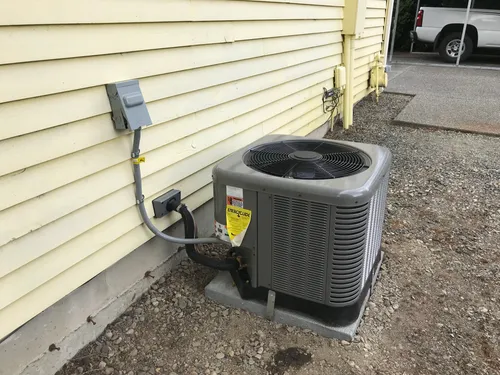
- Examine the Outdoor Unit: The condenser unit outside is inspected for airflow obstructions like overgrown plants, debris, or dirt clogging the fins. They'll look for visible damage, check the fan for free movement, and listen for unusual noises from the compressor or fan motor.
- Look for Signs of Leaks or Ice: Evidence of water pooling from the indoor unit or, more tellingly, ice formation on the copper refrigerant lines or evaporator coil indicates a serious airflow or refrigerant issue.
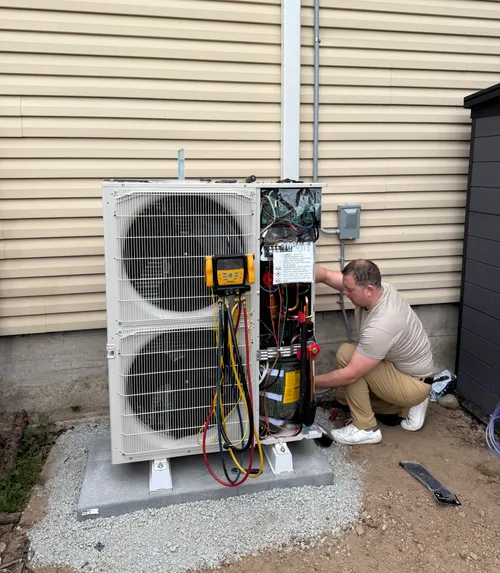
- Test Electrical Components: Using specialized meters, the technician will test capacitors for proper microfarad rating, check wiring connections for corrosion or looseness, and examine control boards for error codes or signs of failure.
Standard Air Conditioner Repairs
Once diagnosed, the repair work begins. The scope can range from a simple adjustment to a major component replacement. Here are the repairs Tacoma technicians commonly perform:
- Filter Replacement: While a homeowner can often do this, a service visit typically includes installing a new, correctly sized filter to ensure optimal airflow.
- Coil Cleaning: Professional cleaning of the evaporator and condenser coils removes built-up dirt, restoring heat transfer efficiency and system capacity. This is not a simple DIY task and requires proper tools and chemicals.
- Refrigerant Service: If a leak is found, the technician must locate it, repair the leak (often by brazing), evacuate the system to remove moisture and air, and then recharge it with the exact manufacturer-specified amount and type of refrigerant. This is strictly regulated work.
- Electrical Component Repair: This covers replacing blown fuses, worn-out contactors, or failed capacitors that are preventing motors from starting. Wiring repairs may also be necessary if corrosion or damage is found 2 3.
- Thermostat Replacement or Recalibration: Upgrading to a modern, programmable, or smart thermostat can improve comfort and efficiency. Sometimes, an older thermostat simply needs recalibration.
- Fan Motor Repair/Replacement: If the indoor blower motor or outdoor condenser fan motor fails, it will need to be replaced to restore proper airflow.
Find the perfect ac repair contractors for your needs
Get personalized recommendations and expert advice
What to Expect: Service Timing and Cost Considerations
In the Pacific Northwest, a sudden heatwave can make a broken AC feel like an emergency. Many local HVAC companies offer tiered service levels to meet different needs.
- Emergency Service: For situations with no cooling in extreme heat, or for vulnerable household members, many providers aim for a response within 1-4 hours, with same-day service being a common offering for urgent cases 4.
- Standard Scheduled Service: For less critical issues, preventive maintenance, or tune-ups, next-day or scheduled appointments (often within a few days) are standard and allow for better planning 5.
Understanding potential costs helps in budgeting for AC repairs. Prices can vary based on the specific issue, the brand of your equipment, and the parts required. Here's a general breakdown of common repair costs in the Tacoma area:
- Service Call/Diagnostic Fee: Most companies charge an initial fee for the technician's time to diagnose the problem, typically ranging from $75 to $200. This fee is often applied toward the cost of the repair if you proceed with the work.
- Filter Replacement: While a filter itself costs $20-$50, having it replaced during a service call may be part of a larger service or incur an additional labor charge.
- Capacitor Replacement: One of the most common electrical fixes, replacing a start or run capacitor usually costs between $150 and $350, including parts and labor.
- Refrigerant Recharge (with leak repair): Simply adding refrigerant is not a repair; the leak must be fixed. The total cost for leak detection, repair, evacuation, and recharge typically starts around $200 and can exceed $500 depending on the leak's location and severity 6.
- Coil Cleaning: A professional deep cleaning of your system's coils to restore efficiency generally falls in the $150 to $400 range 7 8.
- Major Repairs: Replacing a compressor, reversing valve, or other core components is a significant investment, often ranging from $800 to over $3,000, depending on the unit's age and the complexity of the work 9 10.
Maintaining Your System to Avoid Future Repairs
The best repair is the one you never need. Proactive maintenance is key to extending the life of your air conditioning system and avoiding costly breakdowns during Tacoma's warmest months. Beyond changing your air filter monthly during peak season, scheduling an annual professional tune-up is highly recommended. A thorough maintenance visit includes cleaning coils, checking refrigerant levels, tightening electrical connections, lubricating moving parts, and verifying system operation, catching small issues before they turn into big, expensive problems.
Frequently asked questions
Sources
Footnotes
-
How to Troubleshoot an HVAC System: Guide for Homeowners - https://www.ars.com/blog/how-to-troubleshoot-a-hvac-system ↩
-
Troubleshooting Common Split System AC Problems - Style Crest - https://stylecrestinc.com/blog/troubleshooting-common-split-system-ac-problems/ ↩
-
Air Conditioner Troubleshooting: First Steps for Techs - IHACI - https://www.ihaci.org/blog/what-should-a-technician-check-first-if-an-air-conditioner-does-not-work ↩
-
How quickly should you expect a response from an emergency AC ... - https://www.trueblueac.com/blog/how-quickly-should-you-expect-a-response-from-an-emergency-ac-repair-service/ ↩
-
Fast, Reliable AC Repair in Tacoma - https://www.mercurios.com/air-conditioning/repairs/ ↩
-
Common AC Problems & DIY Troubleshooting Tips for a Cooler ... - https://www.haier.com/in/blogs/common-ac-problems-and-troubleshooting-tips-diy-fixes-for-a-cool-home.shtml ↩
-
15 Air Conditioner Problems Homeowners Face & Their Solutions - https://cielowigle.com/blog/air-conditioner-problems/ ↩
-
Seven Most Common AC Problems | Service Experts - https://www.serviceexperts.com/blog/categories/cooling/seven-most-common-ac-problems-and-how-to-fix-the/ ↩
-
Air Conditioning Repair | AC Maintenance & Tune-Up - Tacoma - https://hartsservices.com/ac-repair-tacoma/ ↩
-
HVAC Troubleshooting Guide: Step-by-Step Solutions Made Easy - https://projecthvac.com/2026/01/07/hvac-troubleshooting-guide-step-by-step/ ↩