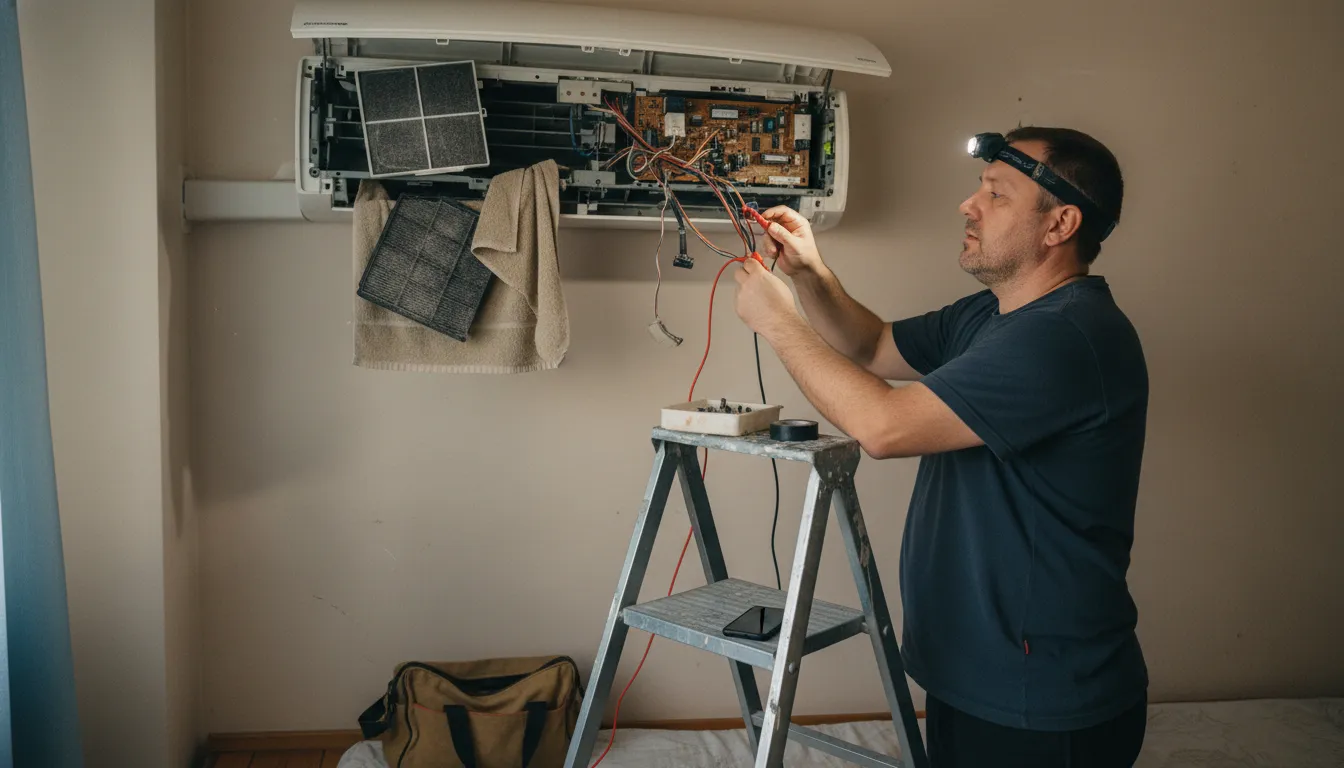
Find the Best AC Repair Contractors for Your Business
No obligation • Fast responses • Nationwide coverage

Why you can trust HVAC Firms
HVAC Firms is a leading United States resource for evaluating HVAC service providers. Our team researches companies, checks credentials, and reviews customer feedback to present clear, unbiased information. Listings and rankings are based on merit, and companies cannot pay to change our editorial content.
Search providers near you
Best AC Repair Contractors in Washington Ranked
Keeping your air conditioning system running smoothly is essential for comfort and health across Washington's varied climate. From the hot, dry summers in the Tri-Cities to the milder but increasingly warm seasons in Western Washington, a reliable cooling system is a key part of home and business maintenance. This guide provides a clear overview of air conditioning repair and maintenance in the Evergreen State, helping you understand common issues, service options, and how to find qualified local professionals to ensure your system operates efficiently year-round.
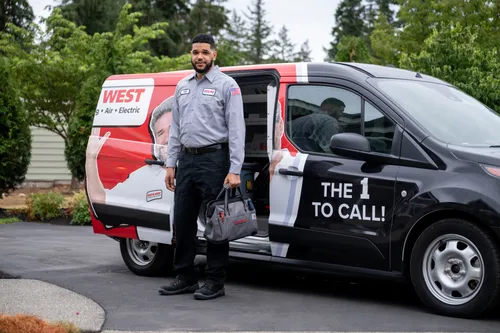
South West Plumbing, Heating, Air, & Electric
825 S Stacy St, Seattle, WA 98134
South West Plumbing, Heating, Air, & Electric has provided plumbing, HVAC, and electrical services in Seattle, WA for over 40 years. They offer a wide range of services including air conditioning repair and installation, furnace and heat pump repair, boiler installation, and HVAC tune-ups. Their capabilities include advanced drain and sewer services such as hydro jetting and video camera inspections. The company serves residential customers throughout Seattle, delivering comprehensive solutions for heating, cooling, plumbing, and electrical needs.
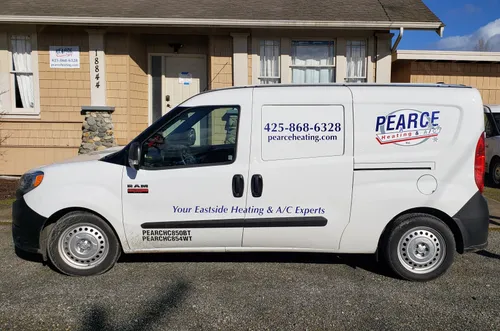
Pearce Heating & A/C
18844 NE 84th St, Redmond, WA 98053
Pearce Heating & A/C is a comprehensive HVAC and electrical service provider based in Seattle, WA. They serve the Eastside and King County areas, including Redmond, Bellevue, and Kirkland. Their services include installation, repair, and maintenance of heating, air conditioning, and heat pump systems, along with indoor air quality solutions such as air purifiers and humidifiers. Pearce Heating & A/C also offers professional electrical services including panel upgrades and rewiring. With decades of experience, their technicians are certified to work with all major HVAC brands and models. The company emphasizes personalized service by assigning consistent technicians and maintaining direct owner involvement to ensure quality and customer satisfaction.
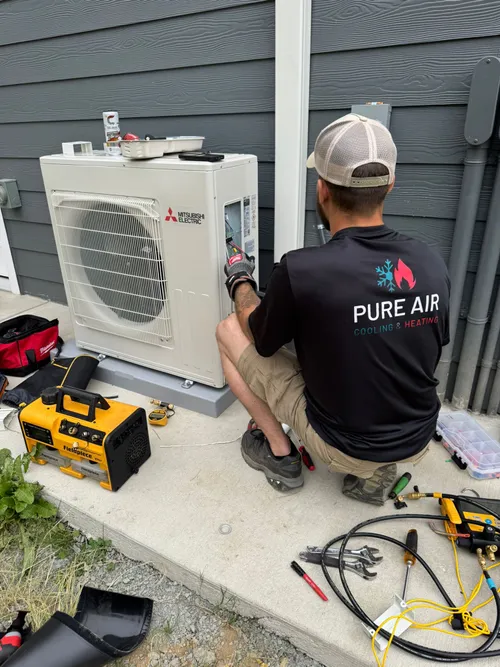
Pure Air Cooling & Heating
9720 NE 120th Pl, Kirkland, WA 98034
Pure Air Cooling & Heating is an HVAC contractor based near Seattle, WA, serving Kirkland, Bellevue, Redmond, and nearby areas. They provide a range of heating and cooling services including air conditioning repair and installation, furnace repair, heat pump services, and duct cleaning. The company focuses on energy-efficient solutions and reliable climate control for both homes and businesses in the region.
Trademark Heating, Cooling & Electrical
6010 E Trent Ave, Spokane, WA 99202
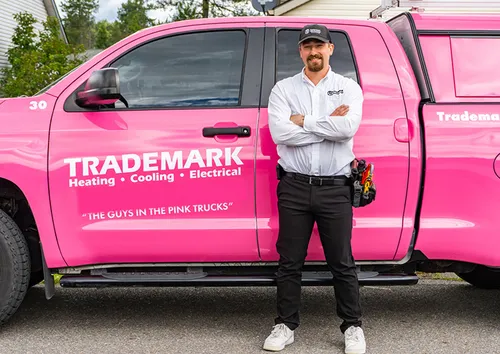
Trademark Heating, Cooling & Electrical provides comprehensive HVAC services in Spokane, WA. They specialize in air conditioning and furnace repair, installation, and tune-ups, serving the Inland Northwest since 2004. The company is skilled in handling HVAC systems from all major brands and offers 24/7 availability for service calls. Their team focuses on creating comfortable indoor environments tailored to local climate needs.
Energy Saver Solutions Inc - HVAC & Insulation W Seattle
4402 40th Ave SW, Seattle, WA 98116
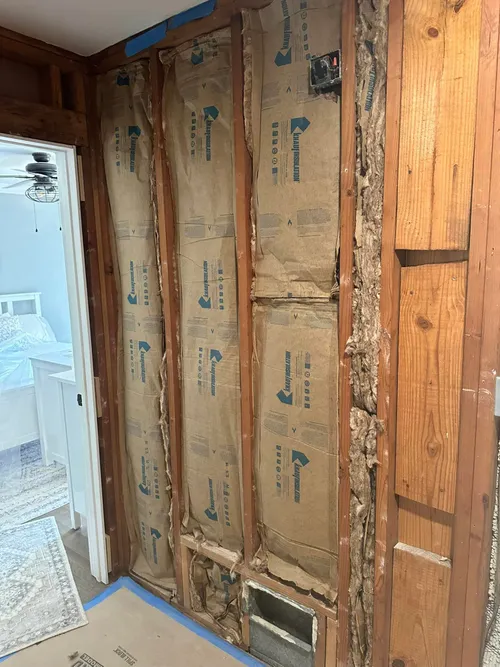
Energy Saver Solutions Inc - HVAC & Insulation W Seattle provides a range of HVAC services in Seattle, WA. They specialize in air conditioning repair, HVAC installation, boiler and mini split installation, as well as indoor air quality services. The company offers expert attic and crawl space insulation to improve energy efficiency and comfort. With over 30 years of industry experience, Energy Saver Solutions also performs carbon monoxide checks to ensure safety. They provide 24/7 emergency service and are available year-round to support heating and cooling needs in all weather conditions.
Understanding Washington's Climate and Your AC Needs
Washington's climate is famously diverse, which directly impacts how and when you use your air conditioning. Eastern Washington experiences hot, dry summers where temperatures can regularly soar above 90°F, placing significant demand on cooling systems for months at a time. Western Washington, while generally milder, has seen more frequent heatwaves, making efficient air conditioning increasingly important for comfort and safety.
This range of conditions means your maintenance and repair schedule should be tailored to your location and system usage. For both residential and commercial systems, bi-annual check-ups-typically in the spring before the cooling season and in the fall before heating season-are highly recommended to ensure optimal performance and catch small issues before they become major, costly repairs. Proactive maintenance is the most effective strategy for extending the life of your unit and avoiding a breakdown during a heatwave.
Common Types of Air Conditioning Systems in Washington
Knowing what type of system you have is the first step in understanding its maintenance and repair needs. The most common configurations found in Washington homes and businesses include:
- Central Air Conditioning Systems: These are the most common type in larger homes and many commercial buildings. They use a network of ducts to distribute cooled air from a central outdoor unit throughout the building. They are effective for whole-building cooling but require ductwork to be in good condition for maximum efficiency.
- Ductless Mini-Split Systems: Extremely popular for home additions, retrofits in older homes without ducts, and for providing zoned cooling. These systems have an outdoor compressor/condenser and one or more indoor air-handling units mounted on walls or ceilings. They offer excellent energy efficiency and individual room control 1.
- Packaged Units: Often seen in commercial settings or homes with limited indoor space, these systems house all components-the compressor, condenser, and evaporator-in a single cabinet typically installed on a roof or a concrete slab. They are a space-saving solution that can handle larger cooling loads.
Essential Air Conditioning Maintenance Tasks
Regular maintenance is not just about preventing breakdowns; it's about ensuring efficiency, improving indoor air quality, and saving money on energy bills. Key maintenance tasks that should be performed regularly include:
- Filter Replacement or Cleaning: This is the simplest and most critical task. A clean filter improves airflow and system efficiency by 5-15%, reduces strain on the blower motor, and improves indoor air quality 2. Check filters monthly during peak season.
- Coil Cleaning: Both the evaporator coil (inside) and condenser coil (outside) must be kept clean. Dirty coils reduce the system's ability to absorb and release heat, forcing it to work longer and harder, which increases energy consumption and wear.
- Refrigerant Level Check: Your system is designed to operate with a specific charge of refrigerant. A professional should check levels annually. Low refrigerant often indicates a leak, which must be repaired for the system to function properly.
- Condensate Drain Line Clearing: The drain line removes condensation from the evaporator coil. Over time, algae and mold can clog it, leading to water damage and increased humidity. This line should be cleared annually.
- Electrical Connection and Component Inspection: Technicians will check and tighten electrical connections, measure voltage and current on motors, and inspect belts for wear and proper tension.
For commercial systems, maintenance is more intensive and typically includes inspecting complex zoning controls, larger condensers, and rooftop units, with costs often calculated per square foot annually.
Find the perfect ac repair contractors for your needs
Get personalized recommendations and expert advice
Most Frequent AC Repairs and Issues
Even with excellent maintenance, components can fail. Understanding common problems can help you diagnose issues and communicate effectively with a technician.
- Refrigerant Leaks: If your AC is blowing warm air or not cooling effectively, a refrigerant leak could be the cause. Leaks must be repaired by a licensed technician, who will then recharge the system to the manufacturer's specification. This is not a simple "top-off" job.
- Faulty Capacitors: The capacitor provides the jolt of electricity to start the compressor and fan motors. A failed capacitor is one of the most common reasons an AC unit won't start or may hum without turning on. Replacing a capacitor is a relatively common repair.
- Thermostat Malfunctions: Sometimes the problem isn't with the AC unit itself but with its control system. A thermostat that is miscalibrated, has dead batteries, or is failing can cause erratic cycling or prevent the system from turning on.
- Frozen Evaporator Coils: Caused by restricted airflow (dirty filter, blocked registers) or low refrigerant, a frozen coil will halt cooling. The system must be turned off to thaw, and the root cause must be addressed.
- Clogged Condensate Drain Lines: As mentioned in maintenance, a fully clogged drain line can trigger a safety switch that shuts the AC off to prevent water overflow and damage.
- Electrical Control Failure: The compressor and fan controls can wear out, especially in systems that are frequently cycled on and off. Corrosion of wires and terminals is also a common issue in outdoor units.
Understanding Repair and Replacement Costs in Washington
Costs for air conditioning service in Washington vary based on the issue, the type of system, and whether it's residential or commercial.
- Maintenance Costs: For residential systems, a seasonal tune-up typically ranges from $100 to $200. Many providers offer annual service agreements that include two visits (spring and fall) at a discounted rate and provide priority service 3. For commercial systems, preventative maintenance contracts are standard, with costs often estimated between $0.15 to $0.35 per square foot per year, depending on the complexity and number of units 4.
- Repair Costs: Common repairs like replacing a capacitor or fixing a thermostat issue often fall in the $100 to $500 range. More involved repairs, such as fixing a refrigerant leak, repairing electrical faults, or replacing a fan motor, can cost $500 to $2,000 or more 5 6 7.
- The Repair vs. Replacement Decision: A useful rule of thumb is the $5,000 Rule. Multiply the age of your AC unit by the estimated repair cost. If the result is more than $5,000, replacement is often the more economical long-term choice. For example, a 10-year-old unit needing a $600 repair (10 x 600 = 6,000) may be a candidate for replacement, especially if it's inefficient 8. Other factors include rising energy bills, frequent repairs, and the use of outdated refrigerant (like R-22).
Key Differences: Residential vs. Commercial AC Repair
While the basic principles of refrigeration are the same, servicing residential and commercial air conditioning involves different scales and complexities.
- Scale & Complexity: Residential systems are designed for single-family homes, using standardized components. Commercial systems are larger, often consist of multiple packaged units or complex rooftop systems, and require sophisticated zoning controls to manage different areas of a building 9 10.
- Service Requirements: Commercial HVAC demands more rigorous, scheduled maintenance due to longer operating hours, greater energy loads, and the critical need for business continuity. Downtime can mean lost revenue and discomfort for many people.
- Regulations and Expertise: Commercial work may involve different electrical codes, building permits, and require technicians with specific expertise in large-scale equipment and building automation systems 11.
Frequently asked questions
Sources
Footnotes
-
8 Types of Air Conditioners to Keep Your Home Cool - https://www.bhg.com/home-improvement/advice/expert-advice/types-of-air-conditioners/ ↩
-
Top 5 Common HVAC Issues and How to Prevent Them - https://ctairtemp.com/top-5-common-hvac-issues-and-how-to-prevent-them/ ↩
-
AC Service Agreements in 2025: Your Home Comfort Guide - https://centralwashingtonheating.com/blog/ac-service-agreement ↩
-
Average Commercial HVAC Maintenance Cost - https://evolutionmechanical.net/blog/average-commercial-hvac-maintenance-cost/ ↩
-
Washington DC Commercial HVAC Preventative Maintenance ... - https://www.myshyft.com/blog/commercial-hvac-preventative-maintenance-cost-washington-district-of-columbia/ ↩
-
What Fails Most Often in Your HVAC System? - Zone Heating & Air - https://www.zoneheatingandair.com/what-fails-most-often-in-your-hvac-system/ ↩
-
Common HVAC Repairs - Ace Hardware Home Services - https://www.acehardwarehomeservices.com/blogs/the-most-common-hvac-repairs-do-you-know-what-they-are ↩
-
The $5,000 HVAC Rule | Repair or Replace Your HVAC? - https://www.myqualitycomfort.com/tips-tricks/5000-rule-hvac/ ↩
-
What Are the Different Types of Air Conditioners? - Bryant - https://www.bryant.com/en/us/products/air-conditioners/types/ ↩
-
What is the difference between residential, commercial and ... - https://www.blissaircon.com.au/blog/what-is-the-difference-between-residential-commercial-and-industrial-air-conditioning ↩
-
Commercial vs. Residential HVAC Businesses - https://www.fieldpulse.com/resources/blog/commercial-vs-residential-hvac-businesses ↩