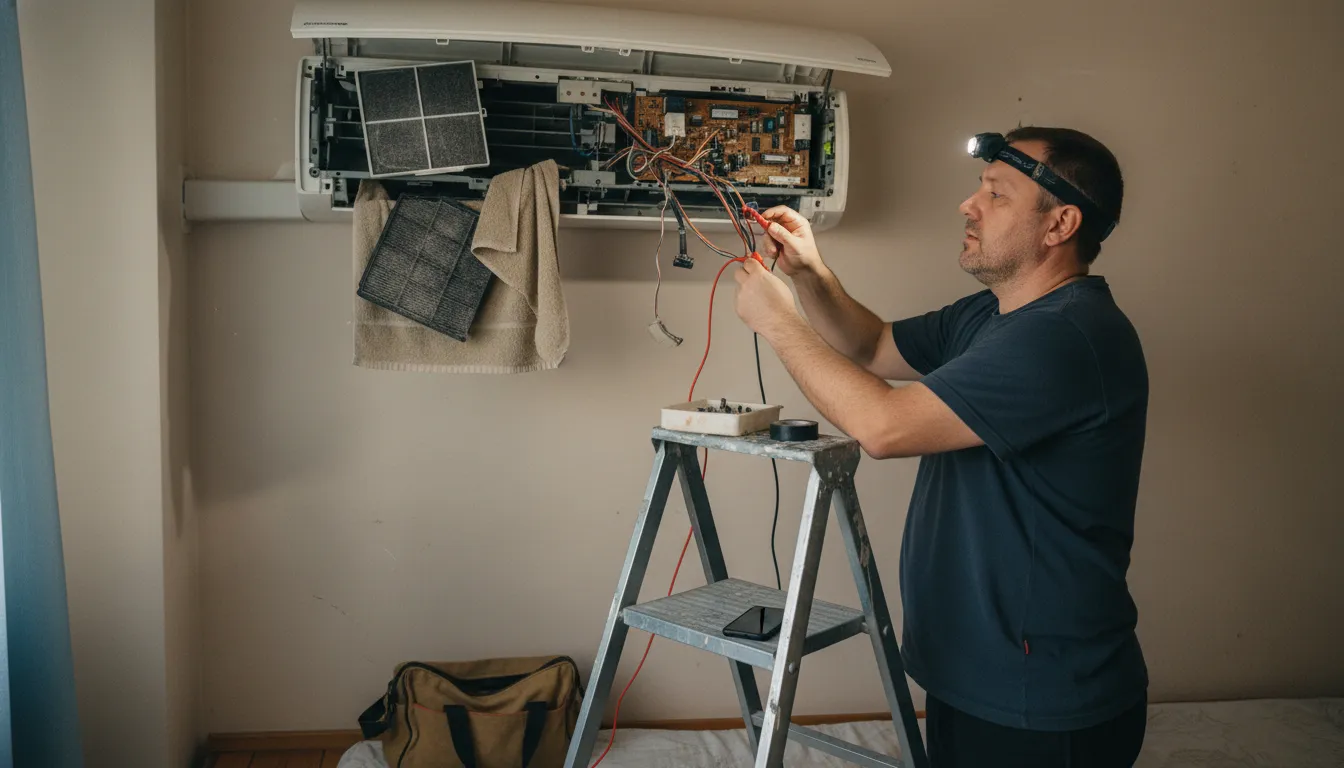
Find the Best AC Repair Contractors for Your Business
No obligation • Fast responses • Nationwide coverage

Why you can trust HVAC Firms
HVAC Firms is a leading United States resource for evaluating HVAC service providers. Our team researches companies, checks credentials, and reviews customer feedback to present clear, unbiased information. Listings and rankings are based on merit, and companies cannot pay to change our editorial content.
Search providers near you
Top AC Repair Contractors in Greenwood, Indiana Ranked
When your air conditioner stops working on a hot Indiana day, finding reliable and fast service is a top priority. Air conditioning repair involves diagnosing and fixing issues that prevent your system from cooling your home efficiently and safely. This guide is designed to help Greenwood homeowners understand common problems, typical repair processes, and what to expect when you need to connect with a local professional to restore your comfort.
Howald Heating, Air Conditioning & Plumbing
6542 Westfield Blvd, Indianapolis, IN 46220
Howald Heating, Air Conditioning & Plumbing is an HVAC company based in Indianapolis, IN. They provide services including air conditioning repair, furnace repair, and HVAC tune-ups to ensure systems operate efficiently. The company emphasizes honest advice and quality workmanship, aiming to keep HVAC systems safe and reliable. They focus on clear communication and customer feedback to improve their service.

Home Heroes Plumbing Heating & Air
7768 Kane Ct, Fishers, IN 46038
Home Heroes Plumbing Heating & Air is a locally owned company serving Indianapolis, IN, and nearby areas. They provide a range of services including air conditioning and furnace repair and installation, plumbing, and heating system maintenance. The company has over a decade of experience and offers emergency services during business hours. They are known for their sump pump maintenance and installation, as well as water heater services including tankless models.
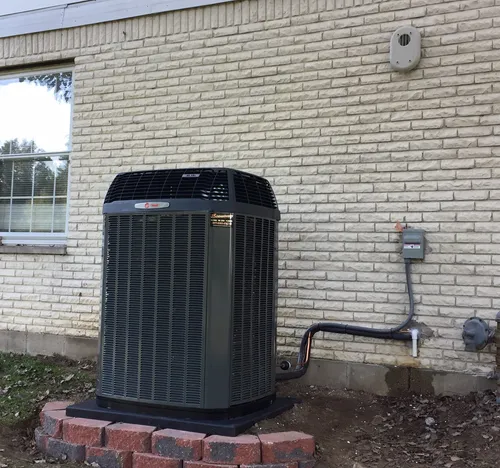
Economy HVAC
9116 Karen Dr, Mooresville, IN 46158
Economy HVAC is a family-owned company based in Indianapolis, IN, offering heating, air conditioning, and plumbing services. They provide installation, repair, and maintenance for furnaces, air conditioners, heat pumps, and HVAC systems. Economy HVAC is a certified Trane dealer and offers 24/7 emergency service to address urgent heating and cooling needs. Their technicians are highly trained and NATE certified, ensuring professional diagnostics and repairs. The company emphasizes quality workmanship and customer care in every project.
Price Point Comfort,llc
6329 S Mooresville Rd # A, Indianapolis, IN 46221
Price Point Comfort, llc is a locally family-owned HVAC company serving Indianapolis, IN, and surrounding areas. With over 30 years of experience, they provide heating and cooling services including installation, repair, and tune-ups for residential and commercial clients. Their expertise covers air conditioning, furnace, and full HVAC system services. The company offers personalized consultations to help clients select the right HVAC solutions and uses high-quality parts and equipment. Price Point Comfort emphasizes individualized service and includes warranties with their work.
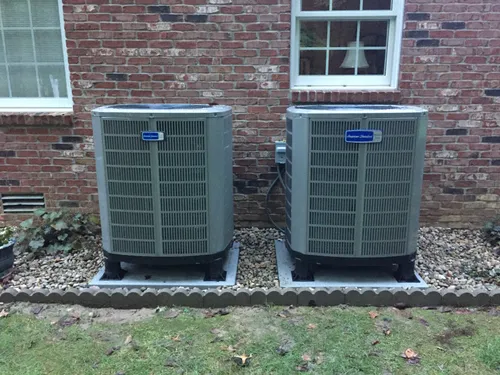
Fellowship Heating & Cooling
5602 Elmwood Ave Suite 216, Indianapolis, IN 46203
Fellowship Heating & Cooling is an AC repair company located in Indianapolis, IN. They provide air conditioning repair services to help restore comfort during hot weather. The company is known for responding promptly to service requests and completing repairs efficiently.
Common Air Conditioning Problems in Greenwood
Residential cooling systems face a consistent set of challenges, especially during our active summer seasons. Understanding these common issues can help you communicate more effectively with a technician.
- Dirty Air Filters: This is the most frequent culprit. A clogged filter restricts airflow across the evaporator coil, which can cause the coil to freeze over and force the system to work harder, leading to inefficiency and potential failure.
- Refrigerant Leaks: Your AC doesn't "use up" refrigerant. If levels are low, there's a leak. This reduces cooling power, increases energy bills, and can cause the evaporator coil to freeze.
- Frozen Evaporator Coils: Often a symptom of the two issues above-poor airflow or low refrigerant-a frozen coil will halt cooling entirely until it is thawed and the root cause is addressed.
- Electrical Component Failures: Capacitors are small cylinders that help start the compressor and fan motors. When they fail, which they do over time, your outdoor unit may hum but not start, or it may trip the breaker. Faulty contactors or wiring can also cause intermittent operation or complete shutdowns.
- Fan and Compressor Issues: The fan motor in the outdoor unit can wear out, and the compressor is the heart of the cooling cycle. Problems here often lead to reduced cooling or loud, unusual noises.
- Clogged Condensate Drain Lines: As your AC removes humidity, it produces water that drains away. Algae and mold can clog this line, leading to water leaks, potential water damage, and system shut-offs designed to prevent overflow.
How Technicians Diagnose AC Issues
A systematic approach is key to an accurate and efficient diagnosis. When a professional arrives, they will typically follow a troubleshooting checklist to pinpoint the problem.
- Initial System Check: The technician will first verify the system has power, checking circuit breakers, fuses, and disconnect switches. They will also inspect the thermostat settings, batteries, and calibration to rule out simple user errors.
- Airflow and Filter Inspection: The condition of the air filter is immediately assessed, as it's a leading cause of system strain. They will also check return and supply vents for blockages.
- Coil and Component Examination: The evaporator and condenser coils are inspected for dirt, debris, and ice buildup. The outdoor unit is examined for obstructions and the condition of the fan.
- Electrical Testing: Using specialized meters, the technician will test capacitors, contactors, and wiring for proper voltage, continuity, and signs of wear or burning 1.
- Refrigerant and Pressure Analysis: To check for leaks and proper charge, a technician will connect gauges to measure system pressure and superheat/subcooling. This step requires a certified professional.
- Duct and Drain Inspection: Finally, they may inspect accessible ductwork for leaks or restrictions and clear the condensate drain line if needed.
Find the perfect ac repair contractors for your needs
Get personalized recommendations and expert advice
The AC Repair Process: What to Expect
Knowing what happens during a service call can make the process less stressful. Here's a general outline of how a repair progresses from your call to a cool home.
Emergency vs. Standard Service: For an AC failure on a sweltering day, many local providers offer emergency service with a response time often between 1 to 4 hours. For non-urgent issues like reduced efficiency or strange noises, you can schedule a standard appointment.
Diagnostic Fee and Estimate: Most companies charge a diagnostic or service call fee, typically ranging from $100 to $200, to cover the time and expertise required to identify the problem. This fee is frequently waived if you proceed with the recommended repair. A reputable technician will provide a clear, written estimate detailing the necessary parts and labor before any work begins.
Common Repairs and Scope:
- Minor Fixes: Replacing a dirty filter, resetting a safety switch, or clearing a drain line are relatively quick and low-cost solutions 2.
- Component Replacement: Swapping out a failed capacitor, contactor, or fan motor is a common repair, generally taking 1-2 hours.
- Refrigerant Services: Fixing a leak involves locating it (which can be time-consuming), repairing the joint or component, performing a pressure test, and then recharging the system to the manufacturer's specification. This is a more involved process 3.
- Major System Repairs: Compressor replacement or fixing extensive refrigerant circuit damage is a significant repair that may take half a day or more and requires careful evaluation of cost versus system age.
Post-Repair Testing: After the repair is complete, a quality technician will reassemble the unit, restore power, and run the system through a complete cycle. They will verify proper cooling, check temperature drops across the coil, ensure condensate is draining, and confirm the system is operating safely and efficiently before considering the job done.
Understanding Air Conditioning Repair Costs in Greenwood
Costs can vary widely based on the problem, the parts required, and the time of year. While exact quotes require an in-person diagnosis, here are general guidelines based on common industry pricing.
- Diagnostic Fee: As mentioned, expect an initial charge of $100 to $200+ for the service call and diagnosis, which may be applied to the repair cost.
- Minor Repairs: Simple fixes like replacing a capacitor or clearing a drain line might range from $200 to $500+ including parts and labor 4.
- Moderate Repairs: Fixing a refrigerant leak, replacing a fan motor, or repairing electrical wiring typically falls in the $300 to $1,000+ range, heavily dependent on the leak's location and accessibility 5.
- Major Repairs: Compressor replacement or addressing multiple system failures can cost $1,000 to $3,000 or more6 7. At this level, it's wise to discuss with your technician whether repair or system replacement is the more cost-effective long-term solution.
It's always advisable to get a detailed, written estimate. Be wary of quotes given over the phone without a diagnosis, as they are often inaccurate.
Maintaining Your System to Avoid Future Repairs
Proactive maintenance is the best way to extend the life of your air conditioner and minimize unexpected breakdowns. While some tasks are DIY-friendly, an annual professional tune-up is a valuable investment.
Homeowner Maintenance Tasks:
- Monthly Filter Checks: Inspect your air filter every month, especially during peak cooling season, and replace it when it looks dirty (usually every 1-3 months) 8.
- Keep the Area Clear: Ensure at least 2 feet of clear space around your outdoor condenser unit. Regularly remove leaves, grass clippings, and other debris from the fins.
- Clear the Drain Line: Periodically flush the condensate drain line with a cup of vinegar or bleach to prevent algae clogs.
Professional Tune-Up Benefits: A seasonal maintenance visit from a qualified technician includes comprehensive checks and cleaning that are difficult to perform yourself. This typically involves cleaning coils, checking refrigerant levels, tightening electrical connections, lubricating moving parts, and calibrating the thermostat 9. This service can improve efficiency, catch small problems before they become big repairs, and ensure your system is ready for the summer heat.
Frequently asked questions
Sources
Footnotes
-
Troubleshooting Electrical Issues in Your Home HVAC System - https://www.southern-air.com/blog/troubleshoot-electrical-issues-in-home-hvac ↩
-
Common AC Problems & DIY Troubleshooting Tips for a Cooler ... - https://www.haier.com/in/blogs/common-ac-problems-and-troubleshooting-tips-diy-fixes-for-a-cool-home.shtml ↩
-
Common Air Conditioner Problems | Department of Energy - https://www.energy.gov/energysaver/common-air-conditioner-problems ↩
-
Common HVAC Troubleshooting Scenarios: A Technician's Guide - https://www.servicetitan.com/blog/hvac-troubleshooting-scenarios ↩
-
Troubleshooting Common Split System AC Problems - Style Crest - https://stylecrestinc.com/blog/troubleshooting-common-split-system-ac-problems/ ↩
-
Greenwood Air Conditioning Repair | Fast Service, 24/7 AC ... - https://callthiele.com/greenwood-heating-air-conditioning-service/air-conditioning-repair/ ↩
-
How quickly should you expect a response from an emergency AC ... - https://www.trueblueac.com/blog/how-quickly-should-you-expect-a-response-from-an-emergency-ac-repair-service/ ↩
-
15 Air Conditioner Problems Homeowners Face & Their Solutions - https://cielowigle.com/blog/air-conditioner-problems/ ↩
-
AC Tune Up: Cost, Contractors, and Services ( Professional Guide ) - https://summersphc.com/ac-tune-up-cost-contractors-services/ ↩