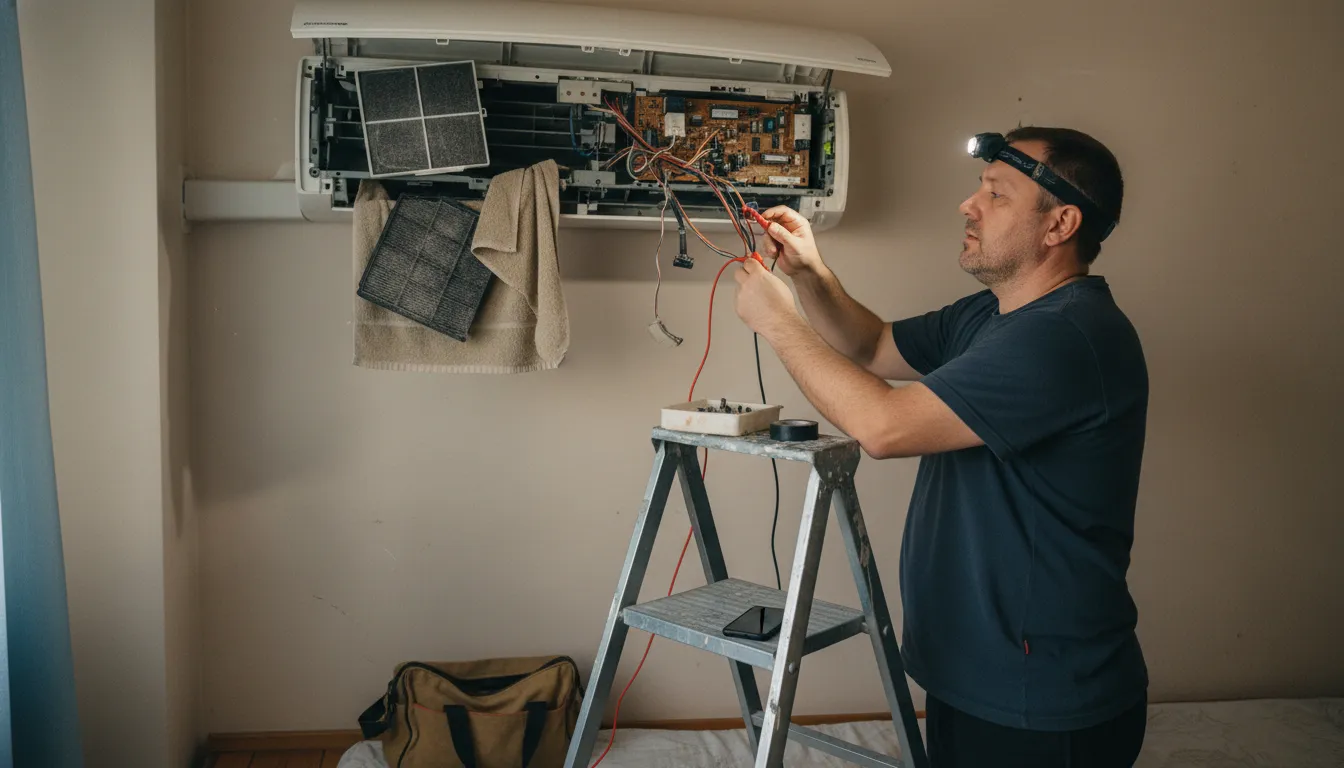
Find the Best AC Repair Contractors for Your Business
No obligation • Fast responses • Nationwide coverage

Why you can trust HVAC Firms
HVAC Firms is a leading United States resource for evaluating HVAC service providers. Our team researches companies, checks credentials, and reviews customer feedback to present clear, unbiased information. Listings and rankings are based on merit, and companies cannot pay to change our editorial content.
Search providers near you
Best AC Repair Contractors in Indiana Ranked
When your air conditioner fails on a humid Indiana summer day, finding reliable and efficient repair service is a top priority. This guide provides a clear overview of air conditioning repair in the Hoosier State, covering common system types, typical problems, and what you can expect in terms of service and costs. Whether you're a homeowner or a business manager, understanding these details will help you make informed decisions and connect with qualified local professionals to restore your comfort.
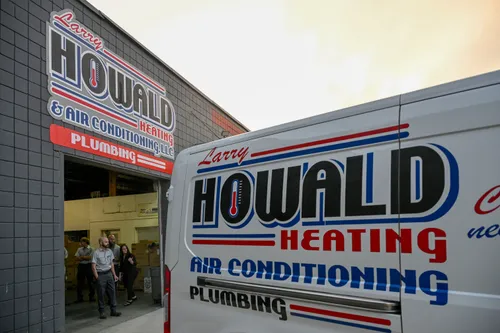
Howald Heating, Air Conditioning & Plumbing
6542 Westfield Blvd, Indianapolis, IN 46220
Howald Heating, Air Conditioning & Plumbing is an HVAC company based in Indianapolis, IN. They provide services including air conditioning repair, furnace repair, and HVAC tune-ups to ensure systems operate efficiently. The company emphasizes honest advice and quality workmanship, aiming to keep HVAC systems safe and reliable. They focus on clear communication and customer feedback to improve their service.

Home Heroes Plumbing Heating & Air
7768 Kane Ct, Fishers, IN 46038
Home Heroes Plumbing Heating & Air is a locally owned company serving Indianapolis, IN, and nearby areas. They provide a range of services including air conditioning and furnace repair and installation, plumbing, and heating system maintenance. The company has over a decade of experience and offers emergency services during business hours. They are known for their sump pump maintenance and installation, as well as water heater services including tankless models.
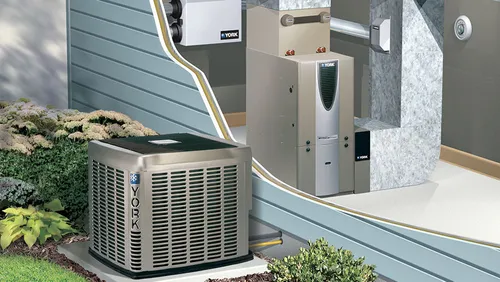
Northeast Mechanical Services, Inc.
3620 Metro Park Dr N, Fort Wayne, IN 46818
Northeast Mechanical Services, Inc. is an HVAC and plumbing contractor based in Fort Wayne, IN. They provide a wide range of services including installation and repair of air conditioning, furnaces, heat pumps, boilers, mini splits, geothermal heat pumps, and indoor air quality systems. The company also offers generator installation and maintenance, ensuring reliable power solutions for homes and businesses. Northeast Mechanical Services emphasizes honest recommendations and fair pricing, serving Fort Wayne and nearby communities such as New Haven, Auburn, and Huntington. Their expertise includes energy consultations and eco-friendly geothermal HVAC systems.
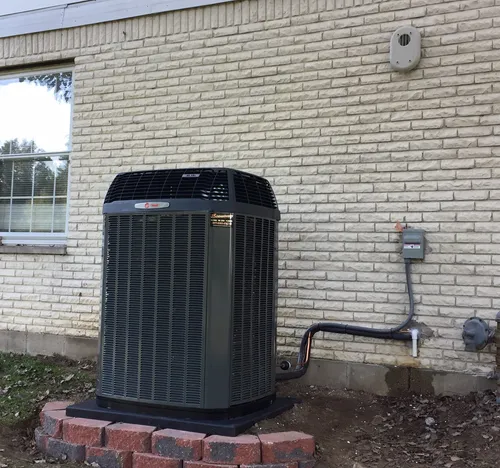
Economy HVAC
9116 Karen Dr, Mooresville, IN 46158
Economy HVAC is a family-owned company based in Indianapolis, IN, offering heating, air conditioning, and plumbing services. They provide installation, repair, and maintenance for furnaces, air conditioners, heat pumps, and HVAC systems. Economy HVAC is a certified Trane dealer and offers 24/7 emergency service to address urgent heating and cooling needs. Their technicians are highly trained and NATE certified, ensuring professional diagnostics and repairs. The company emphasizes quality workmanship and customer care in every project.
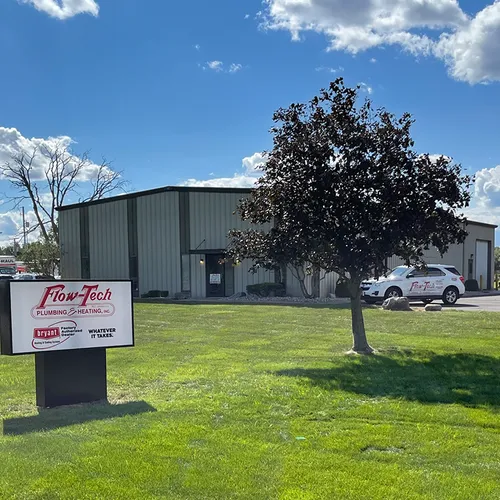
Flow-Tech Plumbing & Heating, Inc.
8131 N Clinton St, Fort Wayne, IN 46825
Flow-Tech Plumbing & Heating, Inc. has been serving Fort Wayne, IN, and surrounding areas since 1991. They provide a wide range of plumbing and HVAC services including installation, repair, and maintenance of air conditioners, furnaces, boilers, and indoor air quality systems. Their team handles both residential and commercial projects, offering specialized services such as backflow prevention, gas line work, and water purification system installation. Flow-Tech also provides 24/7 emergency service to address urgent plumbing and HVAC needs at any time.
Common Air Conditioning Systems in Indiana
Indiana homes and businesses rely on a few primary types of cooling systems, each with its own repair considerations.
- Central Air Conditioning: This is the most common setup for both residential and many commercial spaces. It uses a split system with an outdoor condenser/compressor unit and an indoor evaporator coil, connected by refrigerant lines and ductwork to distribute cool air throughout the building. Repairs can involve any component in this chain.
- Ductless Mini-Split Systems: Increasingly popular for room additions, sunrooms, and homes without existing ducts, mini-splits are also used in light commercial settings like offices or server rooms. They consist of an outdoor unit connected to one or more indoor air handlers. Repairs are often more localized but require technicians familiar with this technology.
- Commercial Rooftop Units (RTUs): Common for businesses, schools, and larger buildings, these are self-contained systems mounted on the roof. They handle heating, cooling, and ventilation for large, often multi-zone, spaces. Repairs are typically more complex and costly due to the size of the equipment and the need to manage varied cooling loads across different areas of a building.
How Indiana's Climate Impacts Your AC
The local weather directly influences the wear and tear on your cooling system, making certain repairs more prevalent.
- Humid Summers: Indiana's summer heat is often accompanied by significant humidity. This places a heavy demand on your system's dehumidification function, primarily handled by the evaporator coil. Constant moisture can lead to coil corrosion or freeze-ups, and the system's continuous operation increases the likelihood of refrigerant leaks and electrical component failures 1.
- Cold Winters: Most Indiana systems are part of a full HVAC setup that provides both heating and cooling. The winter season means your system isn't dormant; the furnace or heat pump is in use. This cycle of intense summer cooling and winter heating demands a robust, well-maintained system. Off-season maintenance checks are crucial to ensure the AC components are ready for the sudden switch to heavy use in spring.
Common AC Repairs and Associated Costs
Understanding typical problems and their price ranges can help you budget and evaluate service quotes. Most repair visits begin with a standard service or diagnostic fee, typically ranging from $50 to $100 to cover the technician's dispatch and initial assessment.
- Thermostat Replacement: A faulty thermostat can prevent your system from turning on or maintaining the correct temperature. Replacing a standard model costs between $115 and $470, with smart thermostats falling at the higher end of that range due to the device cost and more involved installation.
- Fan Motor Repair/Replacement: The blower fan (inside) or condenser fan (outside) can fail due to wear, overheating, or electrical issues. Repairing or replacing one of these motors is a common job, generally costing between $200 and $650, depending on the motor's type and accessibility.
- Refrigerant Leak Repair and Recharge: If your AC is blowing warm air, a refrigerant leak is a likely culprit. The repair cost, between $200 and $1,500, varies widely based on the leak's location (easy or difficult to access) and the type and amount of refrigerant needed for the recharge. Simply adding refrigerant without fixing the leak is not a proper repair.
- Capacitor or Relay Replacement: These electrical components help start the compressor and fan motors. They are relatively inexpensive parts but are common failure points, especially during hot weather when systems are stressed. Replacement usually costs between $75 and $290.
- Compressor Replacement: The compressor is the heart of the AC system, and its failure is a major repair. Due to the cost of the part and the labor involved, replacing a compressor typically runs from $1,350 to over $2,300 2. At this price point, it's essential to consider the age and condition of the entire unit.
- Condenser or Evaporator Coil Replacement: Replacing a leaking or damaged coil is one of the most expensive repairs, often starting around $2,000 or more 3. This is due to the high cost of the coil itself and the significant labor required for recovery, replacement, and testing.
Find the perfect ac repair contractors for your needs
Get personalized recommendations and expert advice
Commercial vs. Residential AC Repair
While the fundamental principles are the same, repairing commercial air conditioning systems involves greater scale and complexity.
- System Complexity: Commercial systems, like rooftop units or VRF systems, are designed to cool multiple zones with varying occupancy and heat loads. Diagnosing a problem requires understanding sophisticated controls, complex ductwork, and larger mechanical components.
- Cost Scale: Everything is bigger in commercial repair. Parts are more expensive, and labor often requires specialized tools and more technicians. While a residential capacitor replacement might be a few hundred dollars, the same repair on a large RTU could be significantly more. Annual maintenance contracts for commercial systems also reflect this, often averaging between $500 and $2,000 or more 4.
- Major Repair Decisions: For major failures like a compressor or coil in a commercial unit, repair bills can easily reach $3,000 to $10,000 or higher 5 6. At this level, a detailed cost-benefit analysis comparing the repair cost to the price and efficiency gains of a new system becomes critical for business owners.
When to Consider Repair vs. Replacement
Making the right choice between fixing your old unit and investing in a new one depends on several factors.
- The 50% Rule: A common guideline is that if the repair cost is more than 50% of the price of a new, high-efficiency system, replacement is usually the more economical long-term choice 7 8. A new system will also come with a full warranty and operate more efficiently, saving on monthly energy bills.
- Age of the System: The average lifespan of a well-maintained AC unit is 10-15 years. If your system is within this range or older and requires a major repair, replacement often makes more financial sense than pouring money into an aging unit that may soon fail again.
- Frequency of Repairs: If you're calling for service multiple times a season, you're not only paying for repairs but also dealing with ongoing discomfort and uncertainty. The cumulative cost of these repairs, combined with likely lower efficiency, can justify the investment in a reliable new system.
- Efficiency and Operating Costs: Older systems, especially those 10+ years old, are significantly less efficient than modern models. Upgrading can lead to substantial savings on your summer utility bills, which can help offset the cost of replacement over time. In Indiana, where systems run hard all summer, these savings can be meaningful.
Finding the Right Service Professional
Selecting a qualified technician is as important as understanding the repair itself. Look for licensed, insured, and NATE-certified technicians who have experience with your specific type of system (residential central air, mini-split, or commercial RTU). Always ask for a detailed, written estimate that breaks down parts, labor, and any diagnostic fees before authorizing work. A reputable professional will be transparent about the problem, your options, and the associated costs, helping you make the best decision for your Indiana home or business.
Frequently asked questions
Sources
Footnotes
-
Most Common Reasons for HVAC Service Calls - Power Pro Plumbing - https://www.powerproplumbing.com/blog/most-common-reasons-for-hvac-service-calls ↩
-
AC Repair Costs: How Much to Expect | HVAC | Fort Wayne, IN - https://hartmanbrothers.com/blog/ac-repair-costs-much-expect ↩
-
AC Repair Costs: How Much to Expect | HVAC | Fort Wayne, IN - https://hartmanbrothers.com/blog/ac-repair-costs-much-expect ↩
-
Average Commercial HVAC Maintenance Cost - https://evolutionmechanical.net/blog/average-commercial-hvac-maintenance-cost/ ↩
-
What is the difference between residential, commercial and ... - https://www.blissaircon.com.au/blog/what-is-the-difference-between-residential-commercial-and-industrial-air-conditioning ↩
-
The Most Common HVAC Repairs & What They Cost - https://dnddfw.com/the-most-common-hvac-repairs-what-they-cost/ ↩
-
Should I Repair or Replace HVAC? 2025 Guide for Louisville ... - https://projecthvac.com/2025/06/27/should-i-repair-or-replace-hvac-louisville-southern-indiana/ ↩
-
Repair vs Replace Air Conditioner: How Indianapolis ... - https://chapmanheating.com/blog/repair-vs-replace-air-conditioner/ ↩