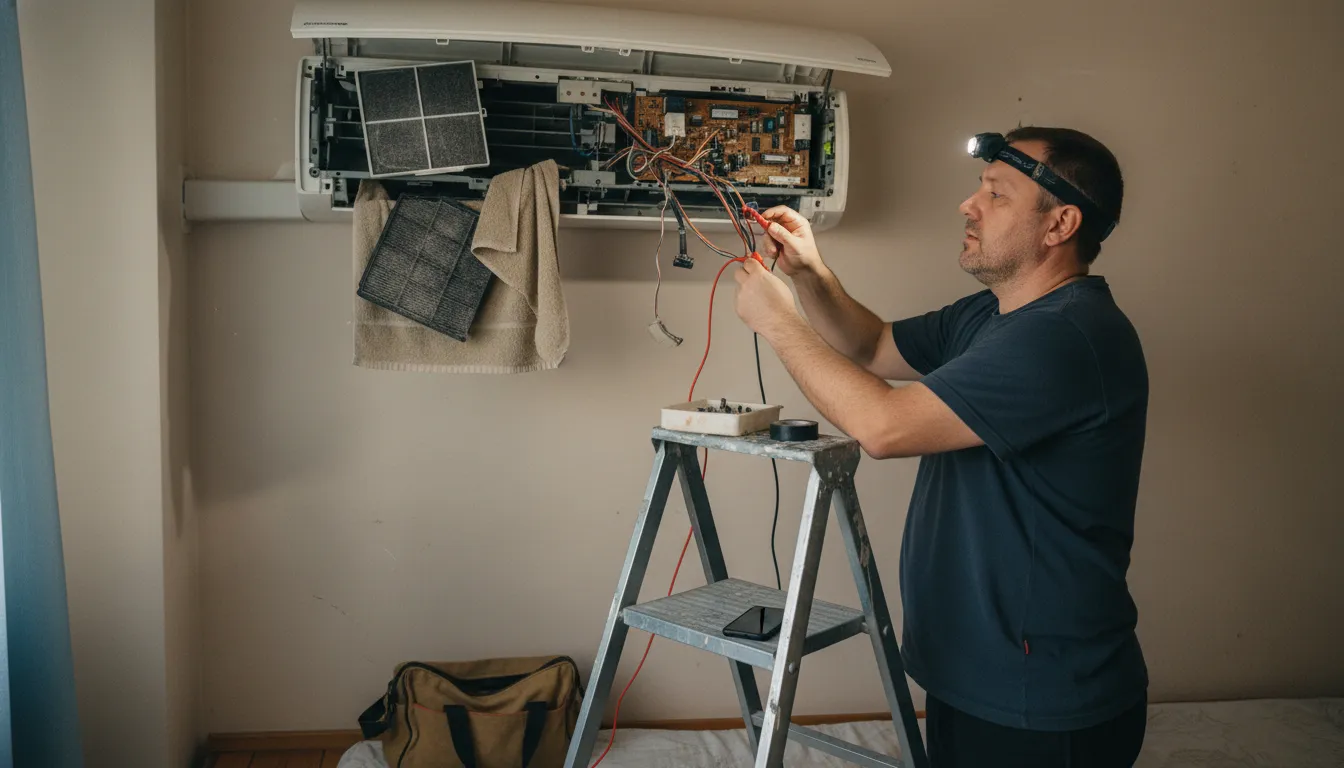
Find the Best AC Repair Contractors for Your Business
No obligation • Fast responses • Nationwide coverage

Why you can trust HVAC Firms
HVAC Firms is a leading United States resource for evaluating HVAC service providers. Our team researches companies, checks credentials, and reviews customer feedback to present clear, unbiased information. Listings and rankings are based on merit, and companies cannot pay to change our editorial content.
Search providers near you
Top AC Repair Contractors in Tucson, Arizona Ranked
When the Sonoran Desert sun beats down on Tucson, a reliable air conditioning system isn't a luxury-it's a necessity for health, comfort, and safety. Air conditioning repair services are essential for diagnosing and fixing the breakdowns that inevitably occur when systems are pushed to their limits for months on end. This guide will help you understand the most common cooling system problems in our climate, what to expect from a repair visit, and how to find qualified local technicians to restore your home's comfort quickly and effectively.
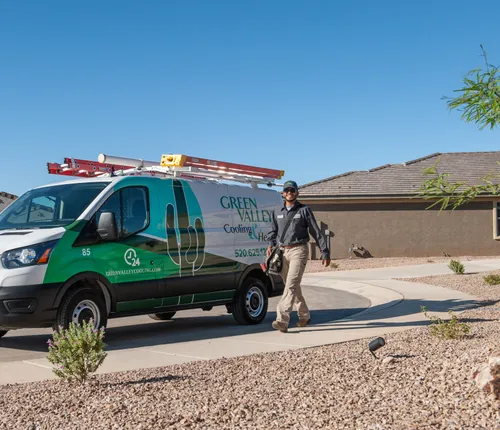
Green Valley Cooling & Heating
645 W Ward Ln, Green Valley, AZ 85614
Green Valley Cooling & Heating is an HVAC company serving Tucson, AZ, and surrounding communities including Green Valley, Sahuarita, and Vail. They provide a wide range of services including air conditioning and heating installation, repair, and maintenance, as well as duct cleaning and indoor air quality solutions. The company is a Certified Daikin Comfort Pro Dealer and offers expertise in energy-efficient upgrades and whole-home comfort systems. Established in 1968, Green Valley Cooling & Heating has over fifty years of experience in the industry. Their licensed and insured technicians are available 24/7 for emergency repair services.
Temperature Control, Inc. A/C-Heating & Plumbing - Oro Valley, AZ
7445 N Oracle Rd Suite 101, Tucson, AZ 85704
Temperature Control, Inc. A/C-Heating & Plumbing - Oro Valley, AZ is a full-service home comfort provider serving Tucson, AZ. Established in 1982, the company offers a wide range of HVAC services including air conditioning, furnace, heat pump, and mini split installation and repair, as well as HVAC tune-ups. Their licensed technicians provide reliable plumbing and electrical solutions alongside HVAC services. Temperature Control is known for its comprehensive maintenance plans and 24/7 support to ensure home comfort year-round.
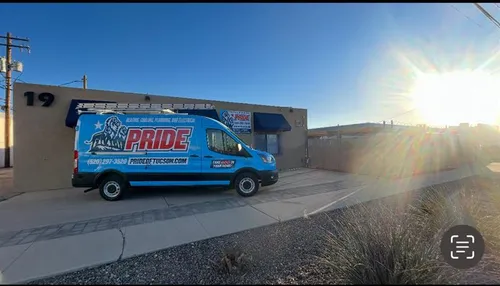
Pride Heating, Cooling, Plumbing and Electrical
19 W Ventura St, Tucson, AZ 85705
Pride Heating, Cooling, Plumbing and Electrical is a full-service home service company based in Tucson, AZ. Since 2010, they have provided HVAC installation, repair, and tune-up services along with plumbing and electrical work across Southern Arizona. Their team handles air conditioning, furnace, and heat pump systems, offering comprehensive solutions to maintain and improve home comfort. The company serves Tucson and surrounding communities including Catalina, Oro Valley, and Sierra Vista, among others.
Nichols Air Conditioning Specialists
4250 N Bear Canyon Rd, Tucson, AZ 85749
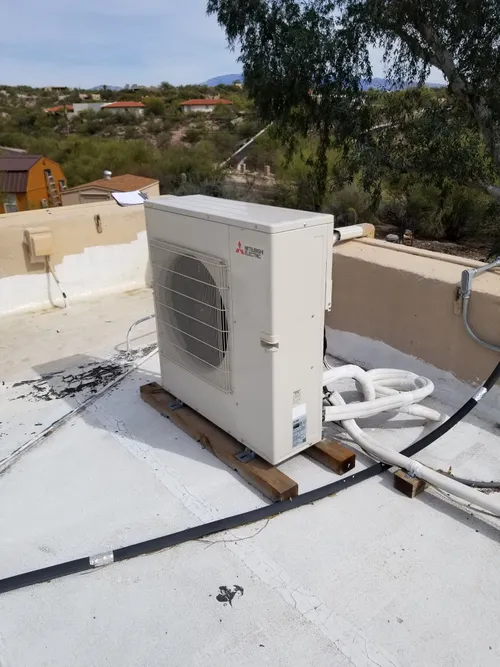
Nichols Air Conditioning Specialists is an HVAC company based in Tucson, AZ, providing installation, repair, replacement, and maintenance services for heating and cooling systems. Their services cover air conditioning, mini splits, heaters, humidifiers, custom sheet metal work, and commercial and residential HVAC needs. They emphasize quality installations using top-quality parts backed by a two-year workmanship warranty and offer same-day service for emergency repairs.
AIR
9180 E Walnut Tree Dr, Tucson, AZ 85749
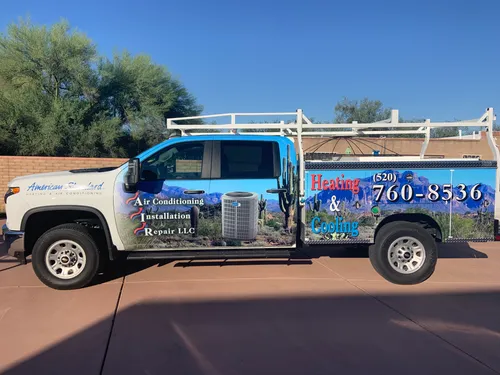
AIR is a family-owned HVAC company based in Tucson, AZ, offering heating and cooling services including AC and furnace repair, installation, and tune-ups. With over 30 years of experience, they provide maintenance contracts and flat rate service fees to ensure transparent pricing. Their services cover timely and efficient HVAC system repairs and installations.
Why Tucson's Climate Demands Reliable AC Service
Tucson's extreme heat, which often sees months of triple-digit temperatures, places an extraordinary strain on air conditioning units. Systems run nearly continuously, accelerating wear on components and making them more susceptible to failures. The dry, dusty environment introduces fine particulate matter that can quickly clog air filters and coat delicate coils. This combination of heavy operational load and environmental factors means Tucson homeowners should be particularly proactive about air conditioner maintenance and prepared for the occasional need for repairs. Understanding the local challenges is the first step in managing your home cooling effectively.
Most Common Air Conditioner Problems in Tucson
The specific conditions in Southern Arizona lead to a predictable set of issues. Recognizing the signs early can prevent a minor fault from turning into a complete system failure.
Dirty Air Filters and Clogged Coils
The desert dust is relentless. A dirty air filter restricts airflow, forcing your system to work harder. This not only spikes your energy bills but can lead to the evaporator coil freezing over. Similarly, the condenser coil in the outdoor unit can become matted with dust, pollen, and debris like tumbleweeds, drastically reducing its ability to release heat. Regular cleaning is not just about efficiency; it's a critical preventative measure.
Refrigerant Leaks
Your AC doesn't "use up" refrigerant; it circulates it in a sealed loop. A leak, often caused by vibration, corrosion, or factory defects, means the system has less coolant to absorb heat. Symptoms include reduced cooling, ice on the refrigerant lines or evaporator coil, and a hissing sound. Simply adding more refrigerant is not a repair-a technician must locate and seal the leak first.
Frozen Evaporator Coil
A block of ice on the indoor coil is a clear symptom of a problem, not the cause. It typically results from one of two issues: poor airflow (caused by the aforementioned dirty filter or a failing blower motor) or low refrigerant levels. Both prevent the coil from absorbing enough heat, causing condensation to freeze.
Capacitor Failure
This is frequently cited as the single most common part failure in an HVAC system. 1 Capacitors are small, cylindrical components that provide the jolt of electricity to start the compressor and fan motors. Under Tucson's heat stress, they can weaken and fail. Signs include a humming motor that won't start, the system turning on and off randomly, or a complete failure to power on. Fortunately, capacitor replacement is a relatively standard and affordable repair. 1
Compressor Issues
The compressor is the heart of your air conditioner, pumping refrigerant through the system. Its failure is among the most serious and costly repairs. Strain from constant operation, electrical issues, or operating with low refrigerant can lead to compressor burnout. Warning signs include loud humming or clicking noises from the outdoor unit, circuit breakers tripping, or warm air blowing from vents. 2 3
Thermostat Malfunctions
Sometimes the problem isn't with the cooling equipment itself but with its brain. An old, inaccurate, or improperly calibrated thermostat can cause short-cycling (frequent on/off cycles) or prevent the system from turning on at all. Modern programmable and smart thermostats also rely on correct wiring and power sources.
Water Leaks
Your AC removes humidity from the air, producing condensation that drains away. A clogged condensate drain line, a damaged drain pan, or a disconnected pipe can lead to water damage around your indoor air handler. Outside, refrigerant leaks or a faulty valve can also cause moisture issues.
Find the perfect ac repair contractors for your needs
Get personalized recommendations and expert advice
The AC Repair Process: From Diagnosis to Completion
Knowing what to expect can make the repair experience less stressful. A professional service call typically follows a structured process.
Initial Troubleshooting Steps (What You Can Check)
Before calling for service, you can perform a few basic checks:
- Power: Ensure the unit is turned on at the thermostat and that the circuit breakers for both the indoor and outdoor units haven't tripped.
- Air Filter: Inspect and replace the filter if it's dirty. This solves a surprising number of performance issues.
- Outdoor Unit: Clear any debris, weeds, or overgrown vegetation within 2-3 feet of the condenser to ensure proper airflow.
Professional Diagnosis
A technician will perform a comprehensive inspection:
- System Assessment: They will listen for unusual noises (hissing, grinding, chattering) and feel for airflow strength and temperature differentials.
- Electrical Testing: Using multimeters, they'll test capacitors, contactors, and other electrical components for proper function.
- Refrigerant Check: They will measure refrigerant pressure and levels to identify leaks or under-charging.
- Coil and Component Inspection: The evaporator and condenser coils will be checked for dirt and damage, while motors and the compressor are assessed for wear. 4
Common Repair Actions
Based on the diagnosis, the repair may involve:
- Replacing failed electrical components like capacitors, contactors, or fuses.
- Sealing refrigerant leaks and recharging the system to the manufacturer's specification.
- Thoroughly cleaning evaporator and condenser coils.
- Unclogging the condensate drain line.
- Repairing or replacing fan motors.
- Addressing more complex issues like a failing compressor, which is a major repair. 5 6
Understanding AC Repair Costs in Tucson
Repair costs depend on the part, labor, and urgency. Emergency or after-hours service will incur premium rates.
- Diagnostic/Service Fee: Most companies charge a diagnostic fee, typically ranging from $100 to $250+, to cover the initial inspection and travel. This fee is often waived or applied if you proceed with the recommended repair.
- Common Repairs: The cost for most standard repairs, such as capacitor replacement, contactor repair, or drain line clearing, often falls between $300 and $600.
- Major Repairs: Replacing a fan motor, dealing with significant refrigerant leaks, or repairing a compressor are more involved. These can range from $800 to over $2,000, with compressor replacement being at the top end of that scale. 7 8 9 10
- Emergency Service Premium: For after-hours, weekend, or holiday calls requiring a fast (often 1-4 hour) response, expect the overall bill to be higher due to priority dispatch rates.
Proactive Maintenance: Your Best Defense Against Repairs
Given Tucson's climate, preventative maintenance is a wise investment. An annual tune-up, ideally performed in the spring before the intense heat arrives, can identify small issues like a weakening capacitor or a minor refrigerant leak before they cause a catastrophic failure on the hottest day of the year.
Homeowners should also commit to a simple monthly routine:
- Filter Changes: Replace or clean your air filter every month during peak cooling season (May-September). This is the single most effective thing you can do.
- Clear the Area: Regularly check the outdoor condenser unit for debris, weeds, and obstructions.
- Listen and Observe: Pay attention to changes in system sound, performance, or your monthly energy bill, as these can be early warning signs. 11
Frequently asked questions
Sources
Footnotes
-
What Fails Most Often in Your HVAC System? - Zone Heating & Air - https://www.zoneheatingandair.com/what-fails-most-often-in-your-hvac-system/ ↩ ↩2
-
A C Repair | Intelligent Design Tucson - https://www.idesignac.com/services/ac-repair-tucson ↩
-
10 Common AC Problems and How to Spot Them Early - https://www.onehourheatandair.com/ramsey/about-us/blog/2025/june/10-common-ac-problems-and-how-to-spot-them-early/ ↩
-
How to Troubleshoot an HVAC System: Guide for Homeowners - https://www.ars.com/blog/how-to-troubleshoot-a-hvac-system ↩
-
15 Air Conditioner Problems Homeowners Face & Their Solutions - https://cielowigle.com/blog/air-conditioner-problems/ ↩
-
Common Air Conditioner Problems | Department of Energy - https://www.energy.gov/energysaver/common-air-conditioner-problems ↩
-
How Much Does AC Repair Cost in Tucson? - Goodfellas AC - https://www.goodfellasac.com/how-much-does-ac-repair-cost-in-tucson/ ↩
-
What is the Average Cost of AC Repair in Tucson, AZ? (2025 ... - https://acshvac.com/what-is-the-average-cost-of-ac-repair-in-tucson-az-2025-guide/ ↩
-
The Most Expensive Part to Replace on an AC Unit in Owasso - https://quality-hc.com/blog/most-expensive-part-to-replace-on-ac-unit/ ↩
-
How quickly should you expect a response from an emergency AC ... - https://www.trueblueac.com/blog/how-quickly-should-you-expect-a-response-from-an-emergency-ac-repair-service/ ↩
-
Don't Sweat It: Understanding Your AC Repair Bill - https://www.greencityheatingandair.com/blog/ac-repair-cost ↩