Find the Best AC Installation & Replacement Contractors for Your Business
No obligation • Fast responses • Nationwide coverage

Why you can trust HVAC Firms
HVAC Firms is a leading United States resource for evaluating HVAC service providers. Our team researches companies, checks credentials, and reviews customer feedback to present clear, unbiased information. Listings and rankings are based on merit, and companies cannot pay to change our editorial content.
Search providers near you
Top AC Installation & Replacement Contractors in San Angelo, Texas Ranked
When the Texas heat arrives in San Angelo, a reliable and efficient air conditioning system isn't just a luxury-it's a necessity for comfort and safety. Whether you're upgrading an aging unit, installing central air in a home that never had it, or replacing a system after a breakdown, understanding the process and costs is crucial. This guide provides a detailed look at air conditioning installation and replacement services in San Angelo, helping you navigate the options, from system sizing and types to budgeting and selecting a qualified local contractor.

Understanding Your AC System Options
Before diving into costs, it's important to know what type of air conditioning system is right for your San Angelo home. The most common system is a central air conditioner, which uses an outdoor condenser unit and an indoor air handler or evaporator coil to cool air that is distributed through ductwork. This is the standard for most homes built in the last few decades.
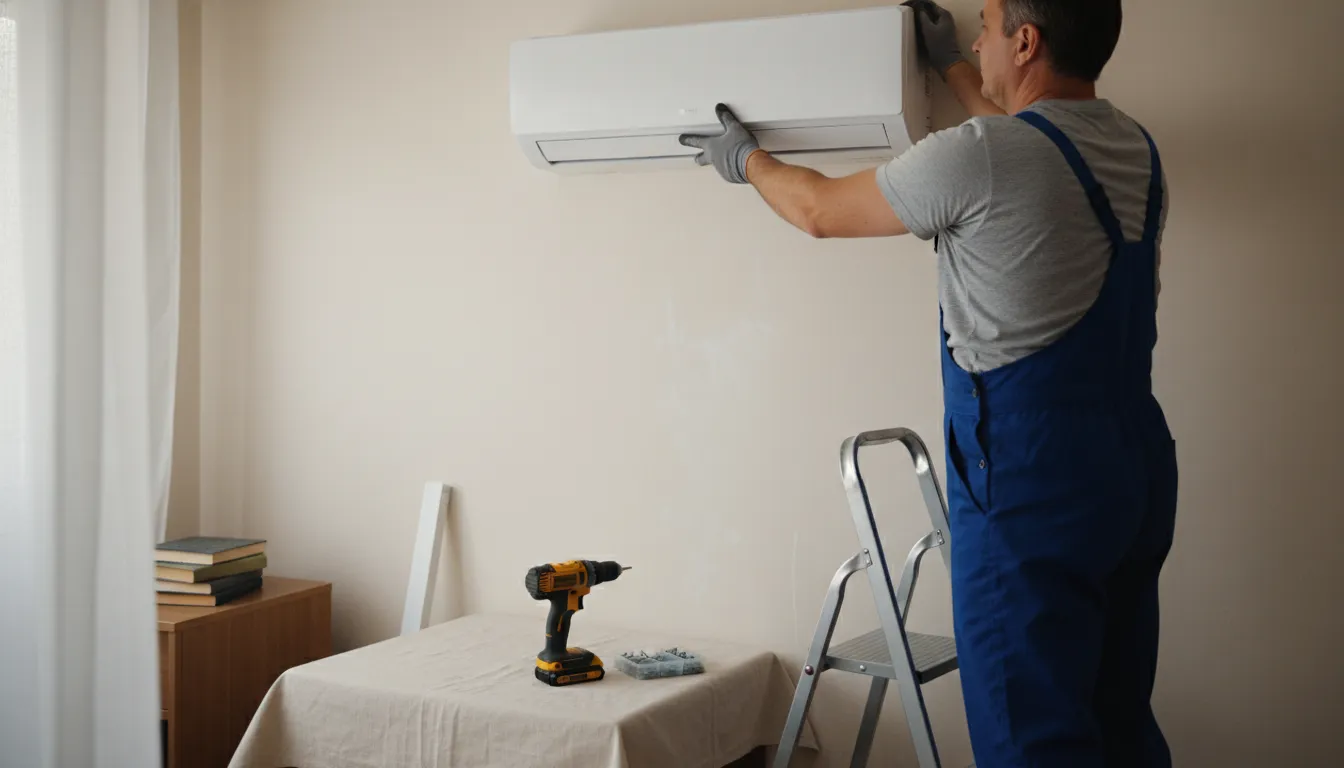
For homes without existing ductwork, such as older houses or room additions, ductless mini-split systems are a popular and efficient alternative. These systems consist of an outdoor compressor and one or more indoor air-handling units mounted on walls or ceilings. They offer zoned cooling, allowing you to control the temperature in individual rooms, which can lead to energy savings. Another option is a heat pump, which provides both heating and cooling, though its efficiency in San Angelo's hottest months compared to a high-SEER AC unit is a consideration best discussed with a professional.
The Critical First Step: Proper Sizing (Load Calculation)
One of the most important aspects of a new AC installation is ensuring the system is correctly sized for your home. An oversized unit will cycle on and off too frequently, leading to poor humidity control, uneven temperatures, and increased wear and tear. An undersized unit will run constantly, struggling to cool your home and driving up energy bills.
A professional contractor will perform a Manual J load calculation. This is not a simple square-footage guess; it's a detailed analysis that considers your home's insulation, window types and orientation, sun exposure, ceiling height, air infiltration, and even the number of occupants. This calculation determines the required cooling capacity, measured in tons.
- 3-Ton Unit: Often suitable for 1,500 - 2,500 sq ft homes, which is common for many residences in Texas.
- 4-Ton Unit: For larger homes, typically around 2,500 - 3,500 sq ft.
- 5-Ton Unit: Generally for homes over 3,500 sq ft or with specific cooling needs 1.
Breakdown of the Installation & Replacement Process
A professional air conditioner installation is a multi-step process that ensures safety, efficiency, and compliance with local codes.
- Consultation & Load Calculation: A technician assesses your home, discusses your needs, and performs the Manual J calculation to recommend the correct system size and type.
- Removal & Disposal: The old outdoor condenser and indoor coil are safely disconnected, with refrigerant recovered according to EPA regulations. The old equipment is removed and properly disposed of.
- Site Preparation: The pad for the new outdoor unit is leveled or replaced. Any necessary electrical or plumbing rough-ins are completed.
- New Equipment Installation: The new outdoor condenser and indoor evaporator coil or air handler are set in place. If replacing a furnace as part of a full HVAC system, that unit is also installed.
- Ductwork & Connections: The new indoor unit is connected to the existing ductwork. This step often includes sealing leaks with mastic or metal tape, which is critical for efficiency. In some cases, new duct runs may need to be added.
- Electrical & Refrigerant Lines: New high-voltage wiring is run from the electrical panel to the outdoor unit. The copper refrigerant lineset is connected, and the system is pressurized and checked for leaks. A new condensate drain line is installed 2.
- Thermostat Installation: A new thermostat is installed and configured. This may be a basic model or a programmable or smart thermostat for enhanced control and savings.
- System Testing & Commissioning: This is the most critical phase. The contractor will start the system, check refrigerant levels (charge), measure airflow at the vents, verify electrical readings, and ensure the condensate drain is working properly. They will also test the system in both cooling and (if a heat pump) heating modes 3.
- Permits & Inspection: A reputable contractor will pull the required local permits for the work and schedule the final inspection to ensure everything meets San Angelo's building codes.
Cost Factors for San Angelo Homeowners
For San Angelo homes, typical central AC replacements run $6,000 to $12,000 or more 4. This total cost encompasses equipment, labor, permits, and removal of the old unit. Several key factors influence where your project will fall in this range:
- System Size (Tonnage): As noted, a larger home requires a larger, more expensive unit.
- Efficiency (SEER Rating): The Seasonal Energy Efficiency Ratio measures cooling output divided by energy use. The minimum standard is 14 SEER in Texas, but investing in a 16, 18, or even 20+ SEER unit can significantly lower your monthly energy bills, though with a higher upfront cost 5 6. High-efficiency systems (16+ SEER) can start higher, potentially ranging from $9,500 to $15,000+ for larger homes.
- Equipment Brand: Premium brands (like Trane, Carrier, Lennox) often cost more than value brands, but may offer better warranties, reliability, and parts availability.
- Labor Complexity: Labor alone can account for $2,000 to $6,000+ of the total cost, representing 20-40% of the project7 8 9. Complex jobs involving difficult access, extensive duct modifications, or electrical panel upgrades will increase labor time and cost.
- Ductwork Condition: If your existing ducts are leaky, poorly sized, or made of outdated materials like flex duct in the attic, repairing or replacing them adds cost but is essential for system performance.
- Additional Components: Installing a new smart thermostat, adding a zoning system, or including an air purification device will increase the total price.
Find the perfect ac installation & replacement contractors for your needs
Get personalized recommendations and expert advice
When to Consider Replacement Over Repair
Knowing when to invest in a new air conditioning installation can save you money on endless repairs and high energy bills. Consider replacement if:
- Your AC is over 10-15 years old. Efficiency drops significantly with age.
- Repair costs are approaching 50% of the value of a new system. This is a common rule of thumb.
- Your energy bills are rising steadily, indicating declining efficiency.
- You experience uneven cooling, excessive humidity, or frequent breakdowns.
- Your system uses R-22 refrigerant (Freon), which is no longer produced and is extremely expensive to recharge.
Choosing a Contractor in San Angelo
Your investment is only as good as the installation. Take time to:
- Verify the contractor is licensed, insured, and bonded to work in Texas.
- Ask for references from recent installations similar to your project.
- Get detailed, written estimates from at least three companies. The lowest price isn't always the best value if it cuts corners.
- Ensure they perform a Manual J calculation and explain their sizing rationale.
- Ask about warranties on both equipment and labor.
A new air conditioning system is a significant investment in your San Angelo home's comfort, efficiency, and value. By understanding the process, costs, and key decision points, you can confidently work with a local professional to select and install the right system to keep you cool for years to come.
Frequently asked questions
Sources
Footnotes
-
5-Ton AC Unit Cost Installed - https://www.fixr.com/costs/5-ton-air-conditioner ↩
-
Cost of Installing Central Air Conditioning System: A Complete Guide - https://capitolcooling.com/cost-of-installing-central-air-conditioning-system/ ↩
-
New AC Unit Cost Based On Square Footage | Blog | Lex East - https://www.lexetx.com/blog/ac-unit-cost/ ↩
-
Top Reasons to Consider AC Replacement in San Angelo - https://blackplumbing.com/top-reasons-to-consider-ac-replacement-before-summer-in-san-angelo/ ↩
-
Average AC Replacement Costs in Texas | The 2025-26 Guide - https://maddair.com/blog/ac-replacement-costs-texas-homeowner-guide/ ↩
-
The Texas AC Replacement Guide 2025 - Costs & Pro Guidance - https://ctrairandheat.com/blog/texas-ac-replacement-costs-guide-2025/ ↩
-
How Much to Install Central AC: A Comprehensive Cost Breakdown - https://www.leokobco.com/post/how-much-to-install-central-ac ↩
-
HVAC Installation Cost 2026: How Much a New System Costs - https://www.callarthurair.com/hvac-installation-cost/ ↩
-
Average Cost for New HVAC System - Comfort Temp - https://comforttemp.com/what-is-the-average-cost-for-a-new-hvac-system/ ↩