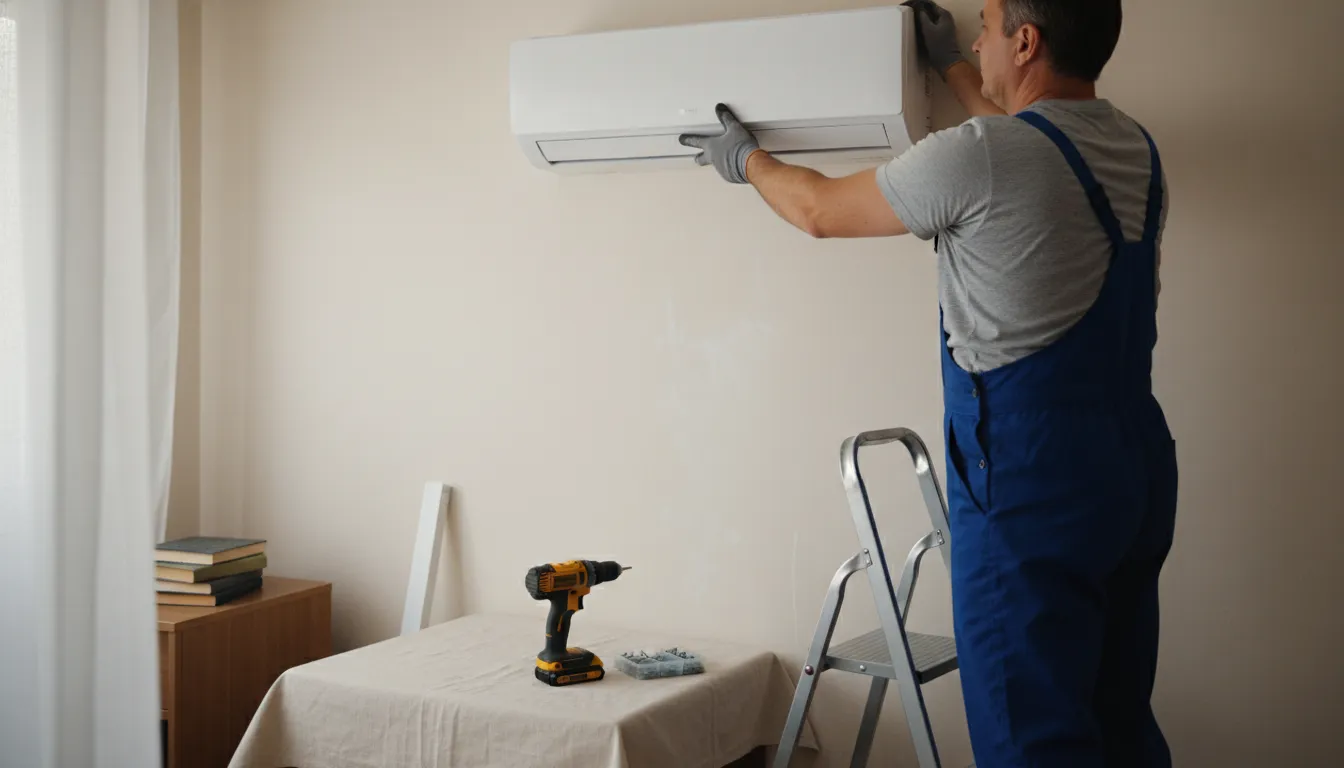
Find the Best AC Installation & Replacement Contractors for Your Business
No obligation • Fast responses • Nationwide coverage

Why you can trust HVAC Firms
HVAC Firms is a leading United States resource for evaluating HVAC service providers. Our team researches companies, checks credentials, and reviews customer feedback to present clear, unbiased information. Listings and rankings are based on merit, and companies cannot pay to change our editorial content.
Search providers near you
Top AC Installation & Replacement Contractors in Fort Worth, Texas Ranked
When your air conditioner in Fort Worth stops working efficiently or fails completely, a new installation or full system replacement is a major investment in your home's comfort and value. The intense Texas heat makes a reliable, properly sized cooling system not just a luxury, but a necessity. This guide explains the process, costs, and key considerations for air conditioning installation and replacement in Fort Worth, helping you understand what to expect and how to find qualified local professionals for the job.
United States Home Services
1805 Royal Ln #101, Dallas, TX 75229
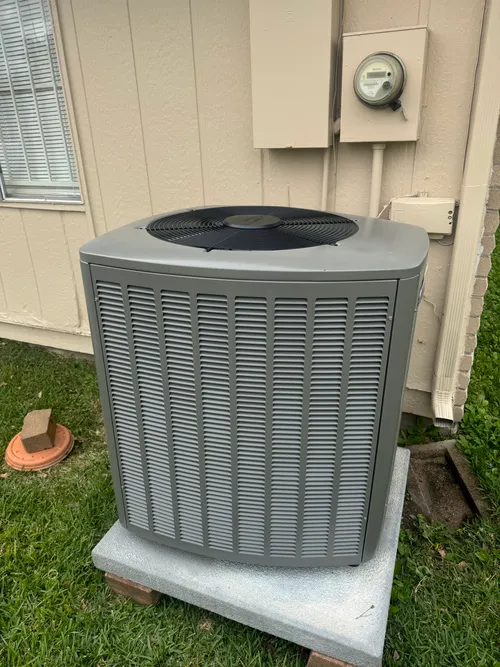
United States Home Services is a Dallas, TX-based company specializing in HVAC, plumbing, and insulation solutions. They provide a range of services including air conditioning, furnace, and heat pump repair and installation, as well as HVAC tune-ups. With over 20 years of experience, they serve homeowners throughout the Dallas metroplex, offering reliable and transparent service. One of their key capabilities is providing custom HVAC installations tailored to home comfort needs. The company emphasizes clear pricing and customer satisfaction, backed by a 100% satisfaction guarantee.

Medley Heating Air Conditioning Plumbing
1711 Briercroft Ct ste 127, Carrollton, TX 75006
Medley Heating Air Conditioning Plumbing provides heating, air conditioning, indoor air quality, and plumbing services in Dallas, TX. They offer installation, repair, and maintenance for HVAC systems, including furnaces and air conditioners, with a focus on high-efficiency solutions. Their licensed technicians are employees who receive ongoing training and background checks, ensuring careful and knowledgeable service. Medley also offers financing options to assist with system upgrades and emergency repairs. The company serves Dallas and nearby communities such as Carrollton, Coppell, and Plano.
Prime AC and Heat
150 Valley Ridge Blvd Suite #102, Lewisville, TX 75057
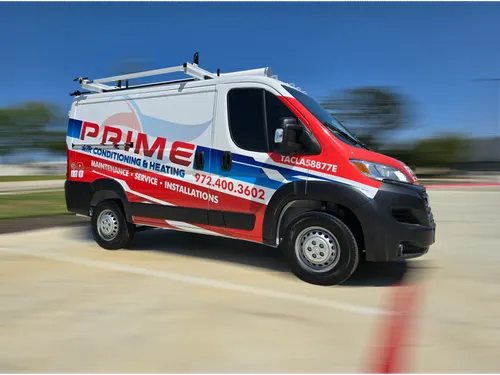
Prime AC and Heat is a residential HVAC company serving Dallas, TX, and the wider DFW metroplex, including Lewisville, Flower Mound, and surrounding areas. They offer a full range of home comfort services such as air conditioning repair and replacement, furnace installation and repair, heat pump service, duct cleaning, thermostat installation, and indoor air quality solutions. The company provides 24/7 emergency service with same-day appointments to address urgent HVAC needs. Prime AC and Heat is known for its licensed technicians, A+ BBB rating, and transparent pricing without hidden fees.
Lawrence Air Conditioning & Heating
7949 Old Decatur Rd, Fort Worth, TX 76179
Lawrence Air Conditioning & Heating is an HVAC company based in Fort Worth, TX. They provide air conditioning and furnace repair, installation, and sales services. Established in 1989, the company has over three decades of experience in heating and cooling solutions.
Coventry & Gattis A/C, Inc.
219 N Dooley St, Grapevine, TX 76051
Coventry & Gattis A/C, Inc. provides HVAC services including air conditioning repair, installation, furnace installation, and indoor air quality solutions in Irving, TX. They offer energy-efficient heating systems and advanced air purification options such as ultraviolet light air purifiers and air filtration systems. Serving Grapevine and surrounding areas, the company focuses on maintaining comfortable and breathable indoor environments.
Understanding the Need for a New Air Conditioning System
Air conditioners have a finite lifespan, typically 10-15 years in the demanding Fort Worth climate. As systems age, they lose efficiency, require more frequent repairs, and struggle to maintain consistent temperatures. You might consider a new AC installation for a home addition, or a complete replacement if your current system is outdated, inefficient, or broken beyond repair. Upgrading to a modern, high-efficiency unit can significantly lower your energy bills, improve indoor air quality, and provide more reliable cooling during our hottest months.
The Core Steps in the AC Replacement Process
A professional air conditioner replacement is a multi-step project that ensures your new system operates safely and at peak performance.
1. Comprehensive Home Assessment & Load Calculation This is the most critical first step. A qualified technician will not just look at your old unit, but perform a Manual J load calculation. This involves evaluating your home's square footage, insulation quality, window types and orientation, air duct integrity, and even the number of occupants. This data determines the precise cooling capacity (measured in tons or BTUs) your home needs. An improperly sized system-either too large or too small-will lead to comfort issues, higher humidity, and wasted energy.
2. Careful Removal & Disposal of the Old Unit The existing outdoor condenser and indoor coil or air handler are safely disconnected. Refrigerant is recovered according to EPA regulations, and the old equipment is removed and responsibly disposed of or recycled.
3. Installation of New Equipment The new, properly sized outdoor condenser is placed on a stable pad. New refrigerant lines (line sets) are often installed, or existing ones are meticulously cleaned. The indoor coil is matched to the new condenser and installed in your air handler or furnace. All electrical connections are made to code, and the system is charged with the correct type and amount of refrigerant.
4. Ductwork Inspection & Sealing Your home's ductwork is the circulatory system for cool air. Technicians will inspect ducts for leaks, poor insulation, or damage. Sealing and insulating ducts, especially in attics, is one of the most effective ways to improve system efficiency and can be a crucial part of the installation process 1.
5. System Testing, Calibration & Permits Once installed, the system is thoroughly tested for proper refrigerant charge, airflow, electrical operation, and thermostat communication. The technician will calibrate the system for optimal performance and provide a homeowner walk-through. Reputable contractors will also handle pulling any required city permits for the work, which is essential for safety and insurance purposes.
Sizing Your New AC Unit: Why It Matters in DFW
A common rule of thumb is to allocate about 20 BTUs of cooling capacity per square foot of living space. For example, a 2,000-square-foot home might need roughly 40,000 BTUs, which is a 3.3-ton unit. However, this is just a starting point. In Fort Worth, proper sizing is paramount. A 3-ton unit (36,000 BTUs) is common for homes around 2,400 square feet, but this can vary based on the factors in the home assessment 2 3.
An oversized air conditioner will cool the home too quickly, shutting off before it has time to properly remove humidity, leaving your home feeling cold and clammy. This short-cycling also causes more wear and tear on components. An undersized unit will run constantly, struggling to reach the set temperature and driving up energy costs. A professional load calculation avoids these pitfalls 4 5.
Breaking Down the Costs of AC Installation in Fort Worth
The total cost for a new air conditioning system in Fort Worth can vary widely based on system type, efficiency, and home complexity. Typically, you are paying for the new equipment (outdoor condenser and indoor coil), all labor for removal and installation, materials like refrigerant and line sets, system testing, and the contractor's expertise 6 7.
- Standard Split-System Replacement: For a standard-efficiency (14-15 SEER) central air system, homeowners can expect costs generally ranging from $6,000 to $9,000 or more 8 9 10.
- High-Efficiency Systems: Upgrading to a high-efficiency unit (16 SEER and above) offers greater energy savings and may qualify for rebates. These systems typically range from $9,000 to $12,000+.
- Ductless Mini-Split Installation: For homes without ductwork or for room-specific cooling, ductless mini-split systems offer flexibility. Costs are usually $3,000 to $10,000+ per indoor zone, depending on the number of heads 11 12.
- Factors That Increase Cost: The initial quote is for a straightforward "like-for-like" swap. Costs can increase significantly if the project requires new or modified ductwork, an electrical panel upgrade, a new thermostat, or a more complex installation.
Find the perfect ac installation & replacement contractors for your needs
Get personalized recommendations and expert advice
What's Typically Included in a Professional Installation Quote?
A transparent quote for AC installation or replacement should detail both equipment and labor. You can generally expect it to include:
- The new outdoor condenser and matching indoor evaporator coil or air handler.
- All labor for the safe removal and disposal of the old equipment.
- Installation of the new units, including standard mounting, electrical connections, and refrigerant line hookups.
- Charging the system with refrigerant and performing initial startup and testing.
- A basic walk-through of system operation with the homeowner.
- Manufacturer's warranty on equipment and the contractor's warranty on labor 13.
Always ask what is not included. Potential add-ons could be new ductwork, a new pad for the condenser, a smart thermostat, or extended labor warranties.
Choosing the Right Equipment and Contractor
Beyond cost, consider the Seasonal Energy Efficiency Ratio (SEER) rating. The federal minimum is 14 SEER, but in Texas, investing in a 16+ SEER unit can lead to substantial energy savings. Also, look for features like two-stage compressors or variable-speed fans for enhanced comfort and efficiency.
Selecting the right contractor is as important as choosing the equipment. Look for licensed, insured, and NATE-certified technicians with strong local references in Fort Worth. They should insist on performing a load calculation, provide a detailed written estimate, and clearly explain your options. A quality installation is the single biggest factor in your new system's performance, efficiency, and lifespan.
Frequently asked questions
Sources
Footnotes
-
How Much Does an Air Conditioner Cost For a 1,800-Square-Foot Home? - https://www.thisoldhouse.com/heating-cooling/air-conditioner-cost-for-1800-square-foot-home ↩
-
3.5-Ton AC System Installation in Dallas-Fort Worth, TX | billyGO - https://www.billygo.com/hvac-services/3-5-ton-ac-system-installation/ ↩
-
What Size HVAC Do I Need: Finding the Right AC For Your House - https://bobsrepair.com/what-size-hvac-do-i-need/ ↩
-
What Size HVAC Unit Do I Need for My Tarrant County Home? - https://www.tomsmechanical.com/blog/what-size-hvac-unit-do-i-need-for-my-tarrant-county-home ↩
-
Choosing The Right HVAC Size For Your Home In DFW - https://hvacservicespro.com/choosing-the-right-hvac-size-for-your-home-in-dfw/ ↩
-
Fort Worth, TX AC Installation - Texas Total Comfort Systems - https://www.texastotalcomfortsystems.com/air-conditioning/ac-installation/ ↩
-
Cost to Replace AC Unit - 2025 Homeowner's Guide - https://regionserviceco.com/cost-to-replace-ac-unit/ ↩
-
HVAC Replacement Cost Tips to Avoid Unnecessary Expenses - https://greenatticstx.com/hvac-replacement-cost/ ↩
-
Average Cost for New HVAC System - Comfort Temp - https://comforttemp.com/what-is-the-average-cost-for-a-new-hvac-system/ ↩
-
Cost Of New HVAC System in Fort Worth With Installation ... - https://r10heatandair.com/cost-of-new-hvac-system/ ↩
-
AC Replacement in Fort Worth, TX - Home AC Installation Service - https://comfortexpertsinc.com/air-conditioning/ac-replacement/ ↩
-
The Texas AC Replacement Guide 2025 - Costs & Pro Guidance - https://ctrairandheat.com/blog/texas-ac-replacement-costs-guide-2025/ ↩
-
Residential AC Replacement in Fort Worth, TX | Tom's Mechanical - https://www.tomsmechanical.com/fort-worth-hvac-company/residential-ac-replacement ↩