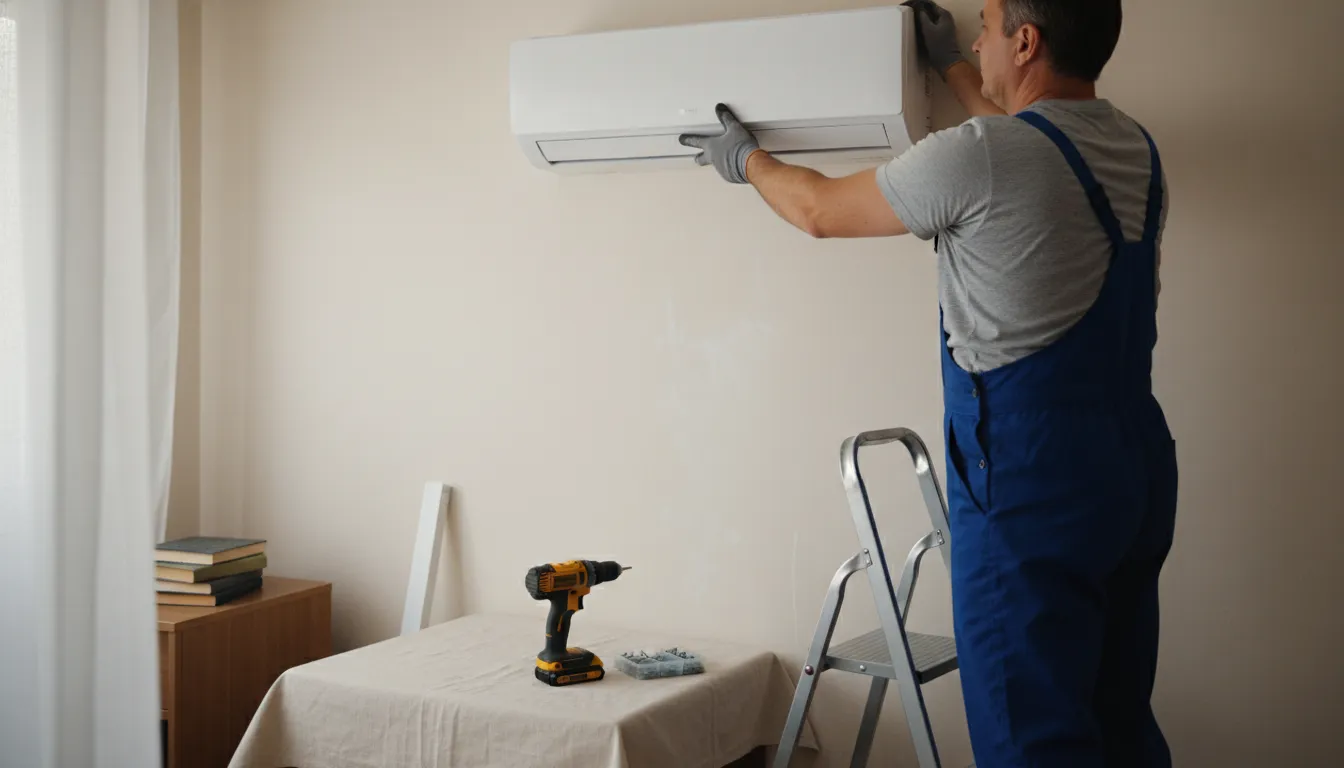
Find the Best AC Installation & Replacement Contractors for Your Business
No obligation • Fast responses • Nationwide coverage

Why you can trust HVAC Firms
HVAC Firms is a leading United States resource for evaluating HVAC service providers. Our team researches companies, checks credentials, and reviews customer feedback to present clear, unbiased information. Listings and rankings are based on merit, and companies cannot pay to change our editorial content.
Search providers near you
Top AC Installation & Replacement Contractors in Galveston, Texas Ranked
Getting a new air conditioning system installed or replacing an old one is a significant investment in your home's comfort and efficiency. In Galveston's demanding climate, a properly sized and professionally installed AC unit is essential for managing the intense heat and humidity. This guide will help you understand the process, costs, and key considerations for air conditioning installation and replacement, empowering you to make informed decisions when selecting a local service provider.
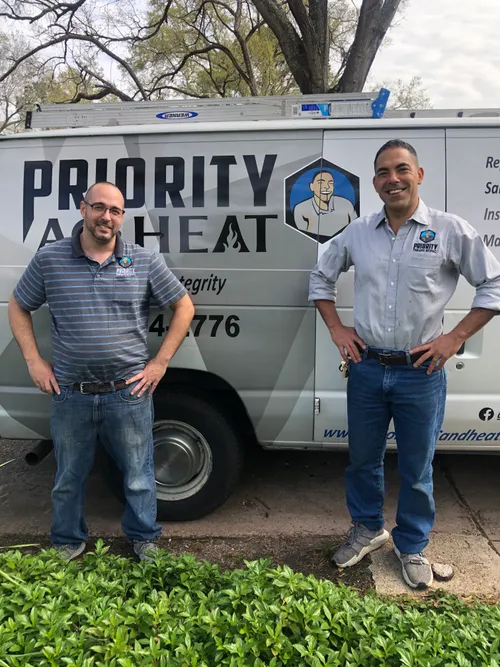
Priority AC & Heat
846 Wavecrest Ln, Houston, TX 77062
Priority AC & Heat is a family-owned HVAC company serving Houston, TX, and the greater Houston Bay Area since 2011. They offer a full range of air conditioning and heating services, including installation, repair, and maintenance for air conditioners, heat pumps, furnaces, and indoor air quality products. Their certified technicians provide 24-hour emergency repair services year-round, covering areas such as Alvin, Baycliff, Clear Lake, Deer Park, Friendswood, and more. One notable capability is their installation of the REME HALO whole home air purification system, which integrates with existing HVAC systems to reduce bacteria, mold, and viruses throughout the home.
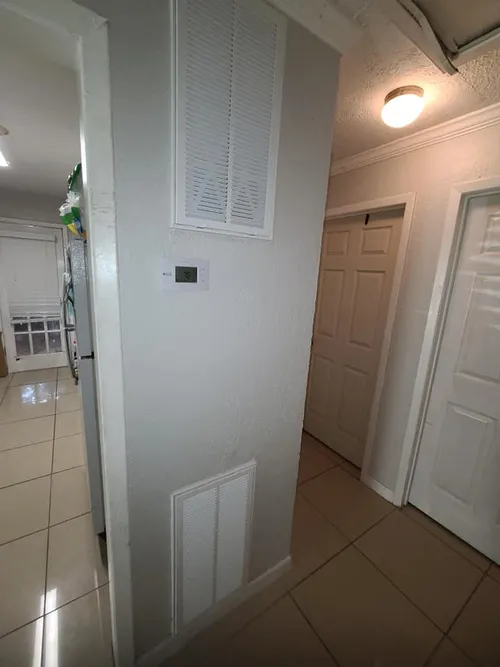
Texcellent Heating & Cooling LLC
200 E San Augustine St #31, Deer Park, TX 77536
Texcellent Heating & Cooling LLC is an HVAC company based in Houston, TX, providing air conditioning and furnace repair and installation services. They serve homeowners and businesses in the Greater Houston area, offering flexible financing options for new HVAC installations, repairs, and maintenance plans. Their services include energy-efficient AC installations and emergency furnace replacements, supported by partnerships with financial institutions to help customers manage costs.
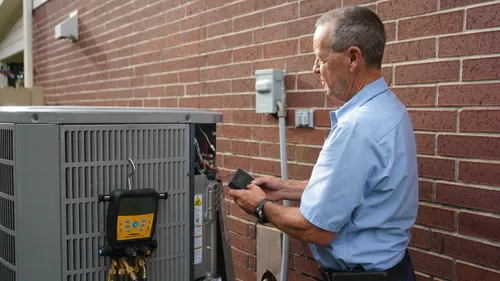
Du-West Air Conditioning
510 Pasadena Fwy, Pasadena, TX 77506
Du-West Air Conditioning is a family-owned business providing air conditioning services in Houston, TX. They offer AC maintenance, repair, replacement, and installation, focusing on thorough tune-ups and proper system sizing to ensure efficient performance. Their technicians are trained to handle all makes and models, including ductwork inspection and repair. Du-West emphasizes repair over replacement but provides replacement options when necessary. The company is committed to keeping Houston homes comfortable year-round with reliable service and up-to-date technical knowledge.
Clear the Air Cooling & Heating
1918 County Rd 130, Pearland, TX 77581
Clear the Air Cooling & Heating provides HVAC repair, installation, and maintenance services in Houston, TX. They offer air conditioning and furnace repair, HVAC tune-ups, thermostat installation, and indoor air quality services. The company serves Houston and surrounding areas including Pearland, Friendswood, Clear Lake City, Alvin, League City, Galveston, and Sugar Land. Clear the Air emphasizes keeping homes comfortable through Texas weather extremes with capabilities such as smart thermostat installation and regular system tune-ups. They have a team available on weekdays and weekends, including priority service options for holidays and weekends.
Air Tech of Pasadena - Miles Service
2915 Preston Ave, Pasadena, TX 77503
Air Tech of Pasadena - Miles Service is an HVAC, plumbing, and electrical company serving Houston, TX, and surrounding areas. They provide installation and repair services for air conditioning, furnaces, heat pumps, and indoor air quality systems. The company emphasizes customer satisfaction with guarantees on their work and energy savings. Air Tech of Pasadena is fully accredited by the BBB with an A+ rating and offers a range of services to improve home comfort and efficiency.
Why Proper AC Installation is Critical in Galveston
Galveston's coastal environment presents unique challenges for home cooling. The combination of high temperatures and relentless humidity means your air conditioner must work harder and smarter than in drier climates. An improperly sized or installed system won't just be uncomfortable-it can lead to excessive energy bills, frequent breakdowns, and a shortened equipment lifespan. A professional installation ensures your new cooling system operates at peak efficiency, effectively removes moisture from the air, and provides reliable comfort for years to come.
Understanding System Sizing: It's Not a Guess
One of the most critical steps in the air conditioning installation process is determining the correct size, or "tonnage," for your home. This is not a simple matter of square footage; it requires a detailed load calculation.
The Manual J Calculation
Professional contractors perform a Manual J calculation, which is the industry standard for sizing HVAC equipment. This assessment considers numerous factors specific to your Galveston home, including:
- Square footage and ceiling height
- Window size, type, and orientation
- Insulation levels in walls and attic
- Air infiltration rates
- Local climate data (like Galveston's heat and humidity)
- Number of occupants and heat-generating appliances
A proper load calculation prevents the common pitfalls of an oversized or undersized system. An oversized unit will cool the space too quickly, shutting off before it can properly dehumidify the air, leading to a cold, clammy feeling. It also cycles on and off more frequently, increasing wear and tear. An undersized unit will run constantly, struggling to reach the desired temperature and driving up energy costs without ever making the home truly comfortable 1 2.
General Tonnage Guidelines
While a Manual J is essential, general guidelines can provide a frame of reference. In Galveston's climate, systems often need to be slightly larger than in milder regions to handle the latent heat load from humidity.
- A 2-ton unit might adequately cool 900-1,200 sq. ft.
- A 3-ton unit typically handles 1,500-1,800 sq. ft.
- Larger homes or those with complex layouts may require 4-5 ton systems or even zoned solutions.
The Step-by-Step Installation & Replacement Process
A full air conditioner replacement is a multi-stage project that ensures your new system is integrated correctly into your home.
1. Initial Assessment and Planning: A technician will conduct the Manual J load calculation and perform a thorough inspection of your existing system. This includes evaluating the condition of your ductwork for leaks, damage, or insufficient insulation, which can drastically impact system performance.
2. Equipment Selection: Based on the assessment, you'll discuss options. Key choices include the system brand, the SEER2 (Seasonal Energy Efficiency Ratio) rating, and whether a standard split system or a ductless mini-split is best for your home. Higher SEER2 ratings mean greater energy efficiency and lower utility bills.
3. Removal of Old Equipment: The old outdoor condenser and indoor coil or air handler are safely disconnected, with refrigerant recovered according to EPA regulations, and removed from the premises.
4. Preparation and Setup: The new, level pad for the outdoor condenser is prepared. The indoor unit is secured in place, whether in an attic, closet, or basement. Any necessary electrical upgrades are made at the service panel.
5. Making Connections: The refrigerant lines (line set) are connected between the indoor and outdoor units. New electrical wiring is run and connected to the disconnect and unit. A new thermostat is installed and configured.
6. Ductwork Modifications: If the assessment revealed issues, this is when duct sealing, repairs, or modifications are performed to ensure optimal airflow to all rooms 3.
7. System Testing and Commissioning: This is the most crucial phase for quality. The system is charged with the precise amount of refrigerant, all electrical connections are tested, airflow is measured and balanced at the vents, and the entire system is started and monitored to verify it meets all performance specifications 4 5.
Find the perfect ac installation & replacement contractors for your needs
Get personalized recommendations and expert advice
Investment and Cost Factors for Galveston Homes
The cost of a new AC installation or full system replacement in Galveston can vary widely based on your home's specific needs. Understanding what influences the price helps in budgeting and comparing proposals.
Average Cost Range
For a complete central air conditioning replacement (including equipment and professional labor), homeowners in the Galveston area can expect an average range of $4,500 to $12,000 or more 6 7 8. For high-efficiency systems with superior SEER2 ratings, the investment often falls between $7,000 and $12,000+ 6 7. Ductless mini-split systems, ideal for homes without existing ducts or for room additions, typically cost $3,000 to $10,000+ per zone 8.
What Drives the Final Price?
Several key factors determine where your project falls within these ranges:
- System Size and Capacity: Larger homes require higher-tonnage units, which cost more.
- Efficiency Rating (SEER2): Units with higher SEER2 ratings have a higher upfront cost but offer significant long-term energy savings, a vital consideration in Galveston.
- Ductwork Repairs: Modifying, sealing, or replacing ductwork adds labor and material costs but is essential for efficiency.
- Equipment Brand: Premium brands often come with a price premium but may offer better warranties or reliability.
- Installation Complexity: Factors like a difficult-to-access attic, the need for a new electrical circuit, or the installation of a new condensate drain line can increase labor time and cost 9.
Choosing the Right Equipment and Features
When selecting your new cooling system, you'll encounter several options. A split-system central air conditioner (with an outdoor condenser and indoor air handler) is most common for homes with existing ductwork. For homes without ducts or for targeted cooling, ductless mini-split systems are an excellent, efficient alternative.
The SEER2 rating is a critical specification. This updated metric measures cooling output divided by energy use over a typical season. The minimum standard is 14.3 SEER2 in the South, but systems are available up to 20+ SEER2. Investing in a higher SEER2 unit can lead to substantial savings on your monthly energy bills, especially given Galveston's long cooling season.
Other features to consider include variable-speed compressors and fans for quieter operation and more precise temperature/humidity control, smart thermostat compatibility for remote management, and enhanced filtration systems to improve indoor air quality.
The Importance of Professional Installation
Even the most advanced, efficient air conditioner will underperform if it's not installed correctly. Professional installation is non-negotiable for several reasons:
- Warranty Protection: Most manufacturers require professional installation by a licensed technician to validate the equipment warranty.
- Safety: Handling high-voltage electricity and pressurized refrigerant requires specialized training and certification.
- Efficiency and Longevity: Precise refrigerant charging, proper airflow setup, and correct electrical work ensure the system runs as designed, saving you money and extending its life.
- Code Compliance: A professional will ensure the installation meets all local Galveston building codes and EPA regulations.
Frequently asked questions
Sources
Footnotes
-
Factors to Consider When Installing a New HVAC | Fahnestock - https://fahnestockhvac.com/2023/03/13/10-factors-to-consider-when-installing-a-new-hvac-system-in-your-home/ ↩
-
AC Tonnage Size Calculator - Fast & Easy for Your Home or Office - https://www.acdirect.com/ac-package-unit-learning-center-ac-sizing-calculator ↩
-
What does standard AC installation include? - ANSA Painting - https://budmatthews.com/blog/what-does-standard-ac-installation-include ↩
-
Air Conditioning Installation: A Step-by-Step Process - https://nexgenairandplumbing.com/blog/air-conditioning-installation-a-step-by-step-process/ ↩
-
FAQs - Daikin India - https://www.daikinindia.com/faqs ↩
-
AC Installation Galveston TX: A Homeowner's Guide to New ... - https://colleyrefrigeration.com/ac-installation-galveston-tx-a-homeowners-guide-to-new-ac-system-cost/ ↩ ↩2
-
The Texas AC Replacement Guide 2025 - Costs & Pro Guidance - https://ctrairandheat.com/blog/texas-ac-replacement-costs-guide-2025/ ↩ ↩2
-
Average AC Replacement Costs in Texas | The 2025-26 Guide - https://maddair.com/blog/ac-replacement-costs-texas-homeowner-guide/ ↩ ↩2
-
What's the Cost to Install a Central AC Unit? - https://thorntonandgrooms.com/blog/cost-to-install-ac-in-michigan ↩