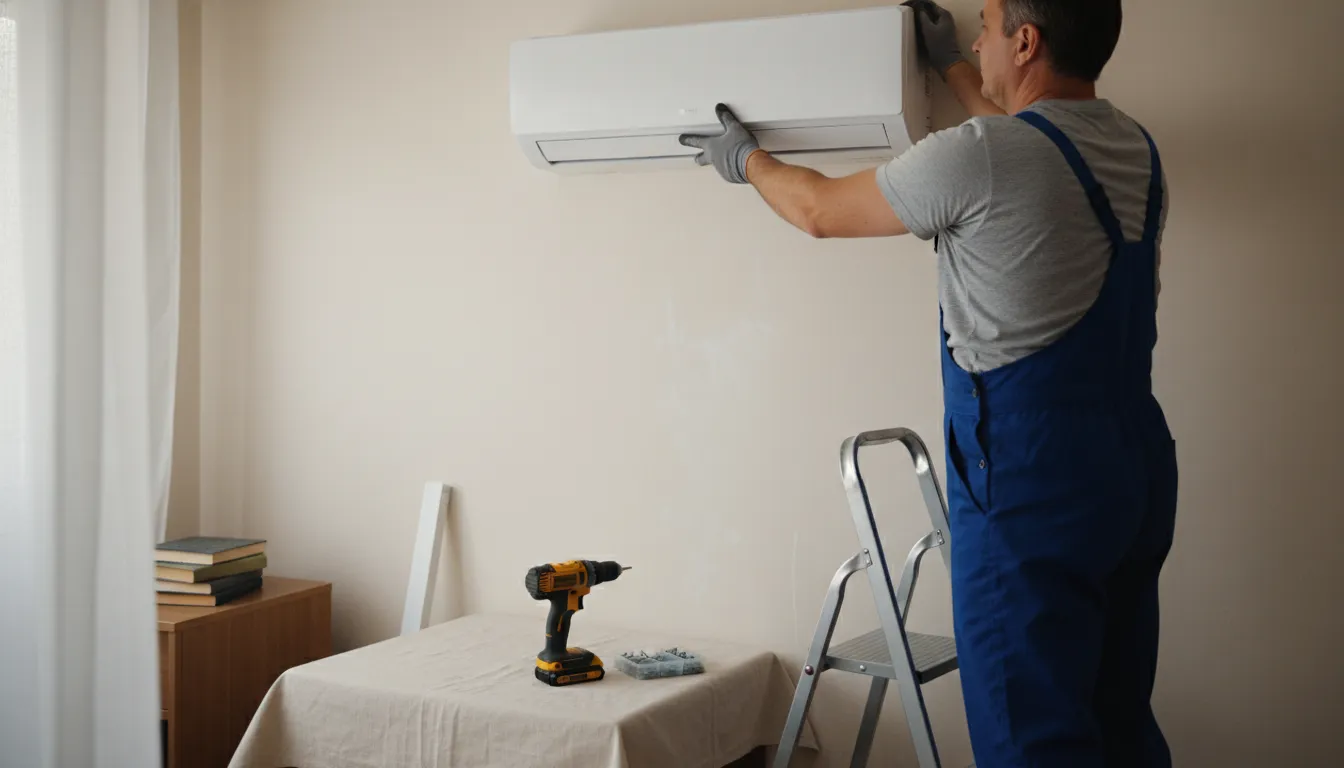
Find the Best AC Installation & Replacement Contractors for Your Business
No obligation • Fast responses • Nationwide coverage

Why you can trust HVAC Firms
HVAC Firms is a leading United States resource for evaluating HVAC service providers. Our team researches companies, checks credentials, and reviews customer feedback to present clear, unbiased information. Listings and rankings are based on merit, and companies cannot pay to change our editorial content.
Search providers near you
Top AC Installation & Replacement Contractors in Cambridge, Massachusetts Ranked
Upgrading your home's cooling system is a significant investment that enhances comfort, improves energy efficiency, and can increase your property's value. For Cambridge homeowners, navigating the options for central air conditioning or ductless mini-split systems involves understanding local climate needs, home-specific factors, and available incentives. This guide provides a detailed look at the process, costs, and key considerations for air conditioning installation and replacement, helping you connect with qualified local professionals for your project.
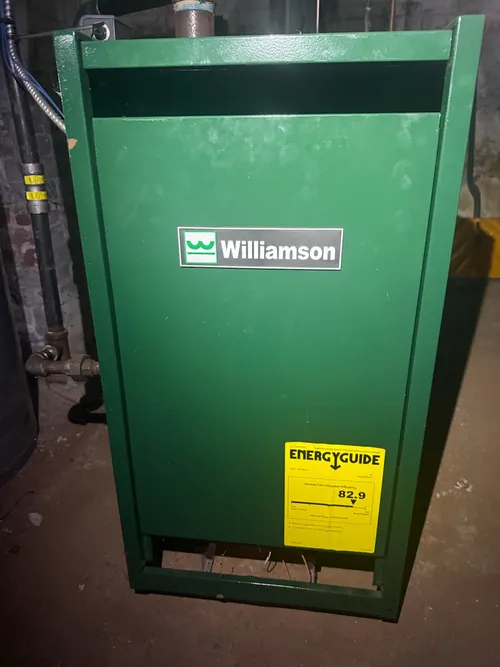
Minuteman Plumbing, Heating & Cooling
100 Garden St, Cambridge, MA 02138
Minuteman Plumbing, Heating & Cooling is a full-service provider based in Boston, MA, offering plumbing, heating, and air conditioning services for homes and small businesses. They cover Greater Boston and the South Shore, including suburbs such as Allston, Belmont, Brookline, and Somerville, as well as towns like Weymouth, Braintree, and Hingham. Their services include AC installation and repair, furnace and boiler installation and repair, HVAC tune-ups, and plumbing repairs. The company emphasizes expert assessment, clear communication, and efficient execution, with every installation backed by a lifetime workmanship guarantee. With decades of combined experience, their veteran-led team provides 24/7 emergency services and a one-hour business response time.
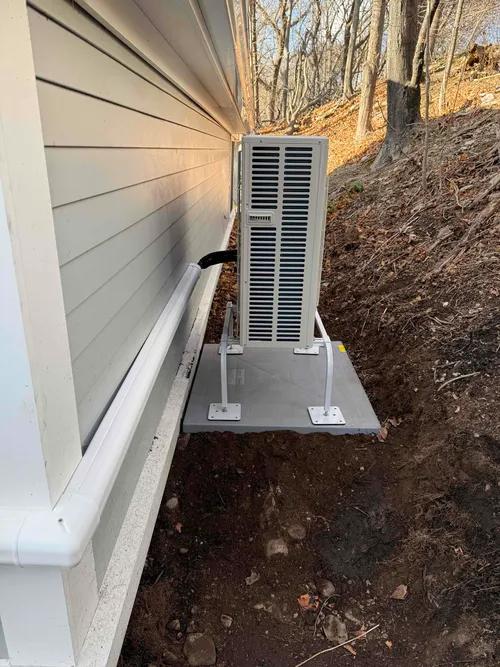
Yellow Dog Plumbing, Heating & Cooling
19 Kearney Rd, Needham, MA 02494
Yellow Dog Plumbing, Heating & Cooling is a plumbing and HVAC company serving Boston, MA, and nearby areas. They offer a wide range of services including air conditioning, furnace, heat pump, and boiler repair and installation, as well as HVAC tune-ups and indoor air quality solutions. Their technicians are equipped to handle both residential and light commercial HVAC needs, with well-stocked trucks to complete most repairs on the first visit. Yellow Dog emphasizes clear communication and customer care, providing same-day service and 24/7 live answering to support their clients' comfort and safety.
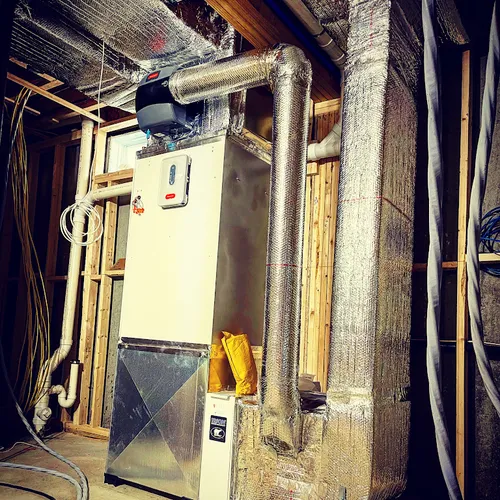
EML Mechanical
28 Pine St, Stoneham, MA 02180
EML Mechanical is an HVAC company serving Boston, MA, and the Greater Northshore Community. They provide residential and commercial heating, ventilation, and air conditioning services, including installation, repair, and tune-ups for systems like furnaces, heat pumps, and air conditioners. EML Mechanical is a MassSave-approved contractor, offering access to energy efficiency rebates and financing options. Their services also include indoor air quality solutions and thermostat installation. The company emphasizes integrity, expertise, and customer-focused service, with 24/7 emergency support available through their service membership plans.

Total Comfort Mechanical
4 Garfield Cir, Burlington, MA 01803
Total Comfort Mechanical is an HVAC company based in Boston, MA, specializing in air conditioning repair, installation, and heat pump services. They provide comprehensive HVAC tune-ups and system replacements, with expertise in multi-zone AC and heating units. The team is experienced in managing projects efficiently, ensuring clean and neat installations. Total Comfort Mechanical has built a reputation for knowledgeable and resourceful solutions, with direct involvement from the owner throughout each project.
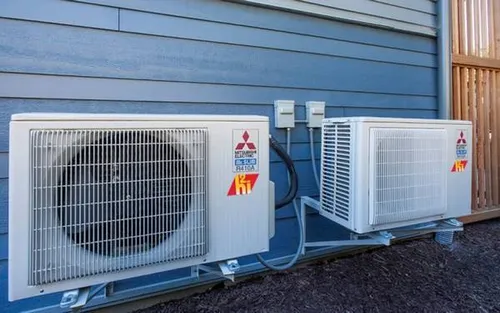
Frontier Air HVAC in Stoneham MA
92 William St #3, Stoneham, MA 02180
Frontier Air HVAC in Stoneham MA offers heating and cooling services including installation, repair, and maintenance of air conditioning systems, furnaces, heat pumps, and mini-splits. Located near Boston, MA, the company is a Mitsubishi Diamond Contractor, providing expert installation and up to a 12-year manufacturer's warranty on Mitsubishi equipment. They also assist customers with MassSave loan and rebate paperwork for heat pump installations.
Understanding Your Cooling Needs in Cambridge
Cambridge experiences warm, humid summers, making an efficient cooling system essential for comfort. The first step in any air conditioning project is a professional assessment. A qualified HVAC technician will evaluate your home's specific characteristics, including square footage, insulation quality, window efficiency, ceiling height, and sun exposure. This evaluation is crucial for determining the correct system capacity, measured in British Thermal Units (BTUs) or tons. An undersized unit will struggle to cool your home, while an oversized one will cycle on and off too frequently, leading to uneven temperatures, higher humidity, and increased wear.
A common rule of thumb suggests roughly one ton of cooling capacity for every 400 to 600 square feet, but this is just a starting point 1 2. For example:
- A 1,200 sq ft Cambridge home may require approximately 2 to 2.5 tons.
- An 1,800 sq ft home might need 3 to 3.5 tons.
- A 2,400 sq ft home could require 4 to 4.5 tons.
Only a professional load calculation, which considers all the unique factors of your residence, can provide the precise sizing needed for optimal performance and efficiency.
Types of Cooling Systems: Central AC vs. Ductless Mini-Splits
Cambridge homes typically consider two primary types of systems: central air conditioning and ductless mini-split heat pumps. Each has distinct advantages and installation considerations.
Central Air Conditioning This is the traditional whole-home cooling solution, utilizing an outdoor condenser unit and an indoor air handler connected to a network of ducts that distribute cool air. It's an ideal choice for homes that already have functional ductwork. A central AC replacement, where existing ducts are reused, is often more straightforward than a first-time installation. The process involves removing the old outdoor and indoor units, installing the new equipment, connecting refrigerant lines and electrical wiring, and integrating a new thermostat before thorough system testing.
Ductless Mini-Split Systems These systems are increasingly popular in Cambridge, especially in older homes without existing ducts or for room additions. A mini-split consists of an outdoor compressor/condenser and one or more indoor air-handling units mounted on walls or ceilings. They are connected by a small conduit housing refrigerant lines and power cables. The primary advantage is zoned cooling, allowing you to control temperatures in individual rooms, which can lead to significant energy savings. Installation is generally less invasive than putting in all-new ductwork.
The Installation Process: What to Expect
A professional air conditioning installation follows a structured process to ensure safety, compliance, and performance.
- Initial Consultation and Assessment: A technician inspects your home, evaluates existing ductwork (if any), and discusses your comfort goals and budget.
- System Design and Proposal: Based on the assessment, the contractor will present options, including system type (central vs. ductless), efficiency ratings (SEER), proper sizing, and thermostat choices.
- Permitting: In Massachusetts, installing a new central air or ductless system typically requires a building permit to ensure the work meets state and local codes.
- Equipment Removal and Preparation: The old cooling equipment is safely removed and recycled. The work area is prepared to protect your home.
- Installation Day: The new outdoor and indoor units are set in place. For central systems, new refrigerant lines and electrical connections are made, and the system is integrated with the ductwork and thermostat. For mini-splits, the wall units are mounted, and the line sets are run to the outdoor unit.
- System Testing and Commissioning: Once installed, the technician will charge the system with refrigerant, test all electrical components, check airflow, and ensure the thermostat communicates correctly. This step verifies the system operates at its advertised efficiency 3.
- Cleanup and Walkthrough: The work area is cleaned, and the installer will walk you through the basic operation of your new system and explain maintenance requirements.
Find the perfect ac installation & replacement contractors for your needs
Get personalized recommendations and expert advice
Cost Factors for AC Installation in Cambridge
The cost of installing or replacing an air conditioner in Cambridge varies widely based on system type, home size, and project complexity. It's crucial to obtain multiple detailed quotes (experts recommend at least three) to compare not just price, but also the proposed equipment, scope of work, and warranties 4 5.
Central Air Conditioning Costs:
- Replacement (with existing ductwork): $6,000 - $12,000+ 6
- New Installation (requiring new ductwork): Adds $5,000 - $15,000+ to the total project cost 7.
- Labor: Typically accounts for $2,000 - $4,500+ of the total, often billed at rates between $75 and $150 per hour 8 9.
Ductless Mini-Split System Costs:
- Single-Zone System: $3,000 - $5,000+
- Multi-Zone Systems: $7,000 - $10,000+ for two or three indoor zones 10 11.
Key Variables Affecting Price:
- System Size and Efficiency: Higher-capacity units and those with higher Seasonal Energy Efficiency Ratio (SEER) ratings cost more upfront but offer lower operating costs.
- Equipment Brand: Premium brands often command higher prices.
- Home Readiness: The need for electrical panel upgrades, structural modifications, or complex refrigerant line routing can increase costs.
- Labor Complexity: Installations in tight spaces like Cambridge attics or on multi-story homes require more time and skill.
Maximizing Value with Rebates and Efficient Choices
Massachusetts offers excellent incentives to offset the cost of high-efficiency cooling systems. The Mass Save® program provides rebates for qualifying ENERGY STAR® certified central air conditioners and air-source heat pumps (which provide both heating and cooling) 12. These rebates can reduce your net cost significantly. Always ask your HVAC contractor about current rebates and ensure the proposed system meets the eligibility requirements.
Choosing a higher-efficiency model (e.g., 18 SEER vs. 14 SEER) involves a higher initial investment but results in substantially lower monthly energy bills. Over the lifespan of the unit-typically 10-15 years-the energy savings can far outweigh the initial price difference, making it a wise financial and environmental decision for Cambridge homeowners.
Choosing the Right HVAC Professional
The success of your cooling project hinges on the skill of the installer. Look for a licensed, insured contractor with strong local references and experience with Cambridge homes. They should perform a formal load calculation (Manual J) and provide a detailed, written quote that breaks down equipment, labor, materials, and permit fees. A reputable professional will also discuss maintenance plans to keep your new system running efficiently for years to come.
Frequently asked questions
Sources
Footnotes
-
Average Cost for New HVAC System - Comfort Temp - https://comforttemp.com/what-is-the-average-cost-for-a-new-hvac-system/ ↩
-
New HVAC System Cost Calculator: Get a Custom Estimate in 2026 - https://modernize.com/hvac/cost-calculator ↩
-
AC unit replacement in Massachusetts | What homeowners must know - https://www.sumzeroenergysystems.com/blog/central-air-replacement-what-homeowners-need-to-know ↩
-
Essential AC Installation for Cambridge Homeowners - https://www.sumzeroenergysystems.com/hvac-location/central-air-conditioning-installation-cambridge-ma ↩
-
How Much to Install Central AC in Massachusetts - https://dempseyenergy.com/how-much-to-install-central-ac-in-massachusetts-complete-guide/ ↩
-
AC Unit Replacement Cost in Massachusetts - Key Factors - https://www.sumzeroenergysystems.com/blog/how-much-does-it-cost-to-replace-an-ac-unit-in-massachusetts ↩
-
The Hidden Costs of HVAC Installations in Massachusetts - https://askgem.com/blog/hidden-costs-of-hvac-installations-in-massachusetts/ ↩
-
Central AC Installation in Massachusetts | What to Expect & Costs - https://www.sumzeroenergysystems.com/blog/what-to-expect-during-a-central-air-installation ↩
-
Preparing to Install Central AC in Massachusetts - https://goendlessenergy.com/blog/ac-installation/central-ac-installation-massachusetts-summer-2025/ ↩
-
What Affects Central AC Installation Costs in Massachusetts? - https://www.sumzeroenergysystems.com/blog/how-much-does-it-cost-to-install-central-ac-in-massachusetts ↩
-
Cost to Install Mini Split Heat Pump MA: A Comprehensive Overview - https://shellyheating.com/post/cost-to-install-mini-split-heat-pump-ma-a-comprehensive-overview ↩
-
AC Unit Replacement Cost in Massachusetts - Key Factors - https://www.sumzeroenergysystems.com/blog/how-much-does-it-cost-to-replace-an-ac-unit-in-massachusetts ↩