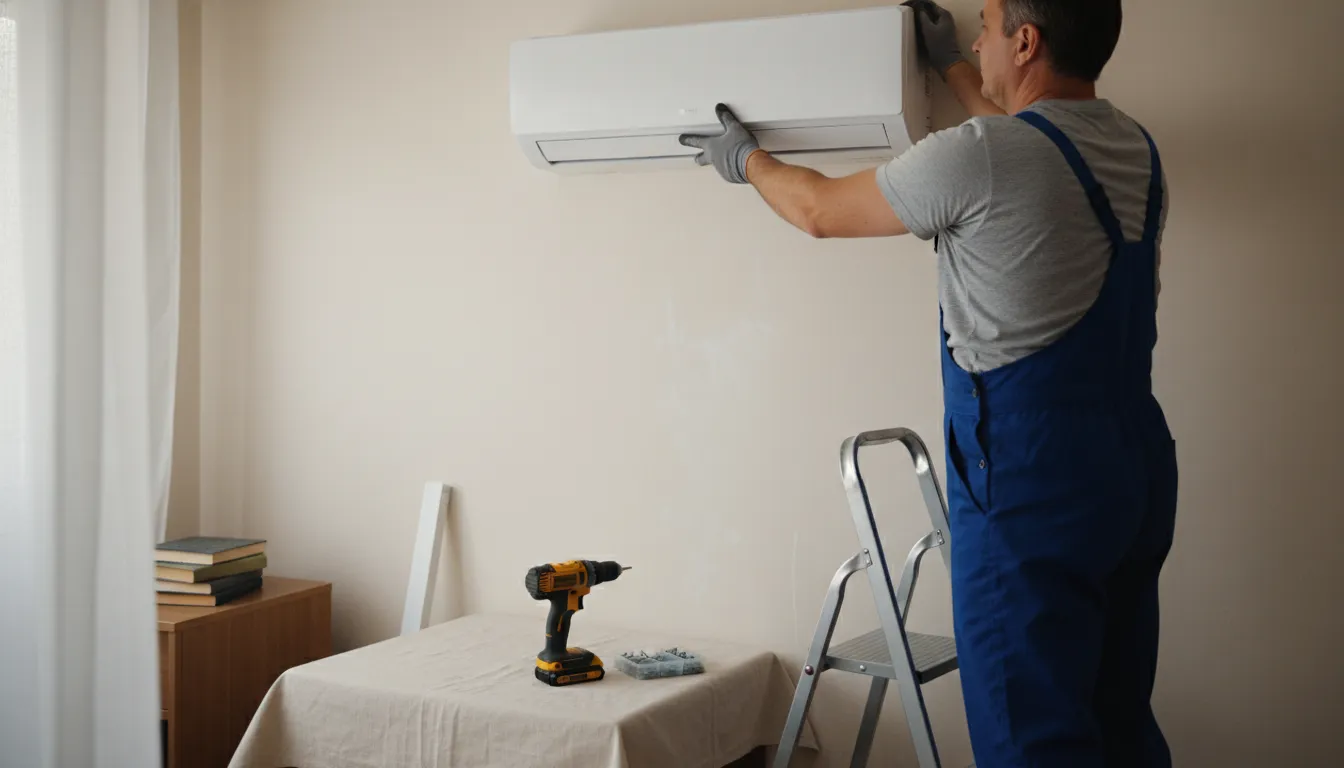
Find the Best AC Installation & Replacement Contractors for Your Business
No obligation • Fast responses • Nationwide coverage

Why you can trust HVAC Firms
HVAC Firms is a leading United States resource for evaluating HVAC service providers. Our team researches companies, checks credentials, and reviews customer feedback to present clear, unbiased information. Listings and rankings are based on merit, and companies cannot pay to change our editorial content.
Search providers near you
Best AC Installation & Replacement Contractors in Massachusetts Ranked
Installing or replacing an air conditioning system is a significant home improvement decision that directly impacts your comfort, energy bills, and property value. In Massachusetts, with its hot, humid summers and high energy costs, choosing the right system and a qualified professional is crucial. This guide provides clear, practical information on the types of systems available, the installation process, associated costs, and key state-specific considerations to help you make an informed decision for your home.
Minuteman Plumbing, Heating & Cooling
100 Garden St, Cambridge, MA 02138
Minuteman Plumbing, Heating & Cooling is a full-service provider based in Boston, MA, offering plumbing, heating, and air conditioning services for homes and small businesses. They cover Greater Boston and the South Shore, including suburbs such as Allston, Belmont, Brookline, and Somerville, as well as towns like Weymouth, Braintree, and Hingham. Their services include AC installation and repair, furnace and boiler installation and repair, HVAC tune-ups, and plumbing repairs. The company emphasizes expert assessment, clear communication, and efficient execution, with every installation backed by a lifetime workmanship guarantee. With decades of combined experience, their veteran-led team provides 24/7 emergency services and a one-hour business response time.
Yellow Dog Plumbing, Heating & Cooling
19 Kearney Rd, Needham, MA 02494
Yellow Dog Plumbing, Heating & Cooling is a plumbing and HVAC company serving Boston, MA, and nearby areas. They offer a wide range of services including air conditioning, furnace, heat pump, and boiler repair and installation, as well as HVAC tune-ups and indoor air quality solutions. Their technicians are equipped to handle both residential and light commercial HVAC needs, with well-stocked trucks to complete most repairs on the first visit. Yellow Dog emphasizes clear communication and customer care, providing same-day service and 24/7 live answering to support their clients' comfort and safety.
EML Mechanical
28 Pine St, Stoneham, MA 02180
EML Mechanical is an HVAC company serving Boston, MA, and the Greater Northshore Community. They provide residential and commercial heating, ventilation, and air conditioning services, including installation, repair, and tune-ups for systems like furnaces, heat pumps, and air conditioners. EML Mechanical is a MassSave-approved contractor, offering access to energy efficiency rebates and financing options. Their services also include indoor air quality solutions and thermostat installation. The company emphasizes integrity, expertise, and customer-focused service, with 24/7 emergency support available through their service membership plans.

Total Comfort Mechanical
4 Garfield Cir, Burlington, MA 01803
Total Comfort Mechanical is an HVAC company based in Boston, MA, specializing in air conditioning repair, installation, and heat pump services. They provide comprehensive HVAC tune-ups and system replacements, with expertise in multi-zone AC and heating units. The team is experienced in managing projects efficiently, ensuring clean and neat installations. Total Comfort Mechanical has built a reputation for knowledgeable and resourceful solutions, with direct involvement from the owner throughout each project.
Frontier Air HVAC in Stoneham MA
92 William St #3, Stoneham, MA 02180
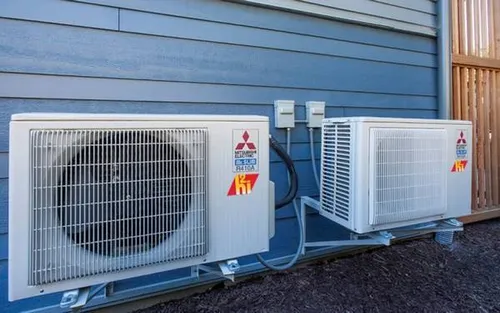
Frontier Air HVAC in Stoneham MA offers heating and cooling services including installation, repair, and maintenance of air conditioning systems, furnaces, heat pumps, and mini-splits. Located near Boston, MA, the company is a Mitsubishi Diamond Contractor, providing expert installation and up to a 12-year manufacturer's warranty on Mitsubishi equipment. They also assist customers with MassSave loan and rebate paperwork for heat pump installations.
Understanding Your Air Conditioning Options in Massachusetts
Choosing the right cooling system depends on your home's layout, existing infrastructure, and your year-round comfort needs. Massachusetts homeowners typically consider three primary types of systems.
Central Air Conditioning Systems
Central air is the most common choice for whole-home cooling in houses with existing ductwork. It uses a single outdoor condenser unit connected to an indoor air handler or furnace, distributing cool air through a network of ducts. This system is ideal for consistent cooling throughout the entire home. When replacing an old central AC unit, the process can be relatively straightforward if the existing ducts are in good condition. The efficiency of a central system is measured by its SEER (Seasonal Energy Efficiency Ratio) rating; in Massachusetts, where electricity costs are high, investing in a higher SEER unit (16 or above) can lead to substantial long-term savings on utility bills.
Ductless Mini-Split Systems
For homes without existing ductwork, such as older New England colonials, or for adding cooling to specific zones like a sunroom or finished basement, ductless mini-splits are an excellent solution. These systems consist of an outdoor compressor connected to one or more indoor air-handling units mounted on walls or ceilings. They offer tremendous flexibility, allowing you to control temperatures in individual rooms, which can enhance efficiency. Many modern mini-splits also provide heat, functioning as a year-round solution. Installation is less invasive than central air since it doesn't require ductwork, but costs scale with the number of indoor zones you install.
Heat Pump Systems
A heat pump is one of the most versatile and efficient choices for Massachusetts climates. It operates identically to a central air conditioner in the summer, extracting heat from your home. In the winter, it reverses the process, extracting heat from the outside air to warm your home. This dual functionality makes it a superb year-round HVAC solution. Air-source heat pumps are particularly cost-effective thanks to state and federal incentives like Mass Save rebates and federal tax credits. For maximum efficiency in very cold temperatures, cold-climate air-source heat pumps are specifically designed to perform well during Massachusetts winters.
Why Proper AC Installation Matters in Massachusetts
The state's unique climate and regulatory environment make professional installation non-negotiable. Here are the key factors that influence air conditioning projects in MA.
- Hot, Humid Summers: Massachusetts experiences periods of intense heat and humidity, with temperatures often exceeding 90°F. A properly sized and installed system is essential not just for comfort but for managing indoor humidity levels, which affects air quality and prevents mold growth.
- High Energy Costs: The state has some of the highest electricity rates in the country. An inefficient system or a poorly installed one will work harder, leading to exorbitant monthly cooling costs. A professional ensures your system is correctly sized and sealed for optimal efficiency.
- Available Rebates and Incentives: Massachusetts offers significant financial incentives for upgrading to high-efficiency systems, particularly heat pumps. The Mass Save program provides rebates, and federal tax credits (like the 25C credit) can offset a considerable portion of the installation cost 1 2 3. A licensed contractor will be familiar with these programs and can help you navigate the paperwork.
- Local Permits and Codes: All HVAC installations require permits from your local building department to ensure the work meets safety and energy codes. A reputable installer will handle this process for you, which is a strong sign of a professional, above-board operation.
Find the perfect ac installation & replacement contractors for your needs
Get personalized recommendations and expert advice
The Professional Installation Process: What to Expect
A professional air conditioner installation or replacement is a multi-step process designed to ensure safety, efficiency, and longevity. Here's a typical timeline and sequence of events.
- Initial Assessment and Load Calculation: A technician will visit your home to evaluate its cooling needs. This involves more than just square footage; they will assess insulation levels, window quality, sun exposure, and existing ductwork. A proper Manual J load calculation determines the required system capacity in BTUs, preventing the costly mistake of installing an oversized or undersized unit 4 5.
- System Selection and Detailed Quote: Based on the assessment, your contractor will discuss the best system types (central, mini-split, heat pump) and brands for your home and budget. You should receive a detailed, written quote that includes equipment model numbers, labor, materials, permit fees, and a clear project timeline.
- Securing Permits: Before any work begins, your contractor will pull the necessary local permits. This step is crucial for insurance and future home sale compliance.
- Preparation and Removal: On installation day, the crew will prepare the work area, protecting your floors and furnishings. For replacements, the old outdoor and indoor units are safely disconnected, refrigerant is recovered according to EPA regulations, and the old equipment is removed.
- New System Installation: This is the core phase. It includes:
- Setting the new outdoor condenser on a stable pad.
- Installing the new indoor coil or air handler.
- Connecting refrigerant linesets with proper brazing techniques.
- Running new electrical lines and installing a disconnect.
- For new ductwork or modifications, fabricating and sealing ducts.
- A vacuum is pulled on the refrigerant lines to remove moisture and air, a critical step for efficiency and compressor life.
- The system is charged with refrigerant and powered on for initial testing.
- System Testing and Commissioning: The technician will test all components, check refrigerant pressures, measure temperature drop across the coil, verify electrical data, and ensure the thermostat is communicating correctly. They will also test the condensate drain to prevent leaks.
- Customer Walkthrough and Documentation: A final walkthrough ensures you understand how to operate your new system, use the thermostat, and change filters. You should receive all manufacturer warranty paperwork and documentation of the installation for your records.
How Long Does Installation Take?
The timeline varies by project complexity:
- Straightforward Central AC Replacement: If replacing a central air system with a similar model and using existing, sound ductwork, the job can often be completed in a single day, typically 4 to 8 hours 6.
- New Central AC or Complex Install: Installing a brand new central air system where no ductwork exists, or adding zones with a mini-split system, can take 2 to 3 days. Major projects involving new ductwork throughout a home or a geothermal system installation may take several days to a week 7 8.
- Scheduling Tip: To avoid delays, schedule your installation in the spring or fall, outside of the peak summer demand period when HVAC companies are busiest.
Cost Breakdown for AC Installation & Replacement in MA
Costs in Massachusetts are influenced by equipment type, home size, efficiency, and labor. Always get multiple detailed quotes.
- Central Air Conditioning Replacement: $5,000 - $16,000. The average cost in the Boston area is around $8,149. The wide range accounts for unit capacity (tons), SEER rating (higher efficiency costs more upfront), and the condition of existing ducts.
- Ductless Mini-Split System: $4,800 - $10,500+. Cost is typically calculated per zone. A single-zone system starts around $3,000-$7,000, with each additional indoor head adding to the total 9.
- Heat Pump System (Air-Source): $6,500 - $12,000. This is a popular and incentivized option that provides both heating and cooling. Cold-climate models are on the higher end of this range 10 11.
- New Ductwork Installation: If your home lacks ducts, adding a full duct system can add $5,000 - $15,000+ to the project cost, depending on the home's size and layout 12.
- Labor Costs: Professional HVAC labor in MA typically ranges from $75 to $150 per hour, with total labor for a standard installation often falling between $2,000 and $4,500 13 14.
Key Cost Factors:
- Home Size & Layout: Larger homes require more powerful (and expensive) equipment.
- Equipment Efficiency: A 16 SEER unit costs more than a 14 SEER unit but saves significantly on energy bills.
- Existing Infrastructure: Homes with ready-to-use electrical service and ductwork have lower installation costs.
- Brand & Features: Premium brands and units with advanced features (like variable-speed compressors) command higher prices.
Finding a Qualified Massachusetts HVAC Contractor
Your installer's expertise is as important as the equipment you choose. Look for a contractor who:
- Is licensed, insured, and bonded in Massachusetts.
- Has strong local references and reviews for installation work.
- Performs a detailed load calculation (Manual J) and does not simply size by square footage.
- Provides a comprehensive, written estimate with no hidden fees.
- Is familiar with Mass Save programs and can assist with rebate applications.
- Offers a strong labor warranty on their installation work in addition to the manufacturer's equipment warranty.
Frequently asked questions
Sources
Footnotes
-
Central AC Installation in Massachusetts | Top Benefits & Costs - https://www.sumzeroenergysystems.com/blog/top-benefits-of-upgrading-to-a-modern-central-ac-system ↩
-
How Much Cost to Install Central AC in Massachusetts? Expert Insights - https://www.sumzeroenergysystems.com/blog/how-much-does-it-cost-to-install-central-ac-in-massachusetts ↩
-
Air Conditioner Installation in Massachusetts - Heritage Home Service - https://justcallheritage.com/massachusetts/heating-cooling/cooling-services/air-conditioner-installation/ ↩
-
Air Conditioner Installation Steps: A Comprehensive Guide - https://projecthvac.com/2025/08/25/air-conditioner-installation-steps/ ↩
-
Split System Air Conditioning Installation - https://ftp.nsjonline.com/libweb/gUGnFq/7GF242/SplitSystemAirConditioningInstallation.pdf ↩
-
A Step-by-Step Guide to Installation Timelines - Ambrose Air - https://ambroseair.com/a-step-by-step-guide-to-installation-timelines-what-to-expect-during-your-ac-upgrade/ ↩
-
AC unit replacement in Massachusetts | What homeowners must know - https://www.sumzeroenergysystems.com/blog/central-air-replacement-what-homeowners-need-to-know ↩
-
How Long Does It Take To Replace Your HVAC System? - https://downeyplumbing.com/blog/how-long-does-it-take-to-replace-your-hvac-system/ ↩
-
Central Air Conditioning Replacement: Your 2025 Upgrade Guide - https://www.tcmemt.com/post/central-air-conditioning-system-replacement-essential-guide-for-spring-2025-upgrades ↩
-
Preparing to Install Central AC in Massachusetts - https://goendlessenergy.com/blog/ac-installation/central-ac-installation-massachusetts-summer-2025/ ↩
-
AC Unit Replacement Cost in Massachusetts - Key Factors - https://www.sumzeroenergysystems.com/blog/how-much-does-it-cost-to-replace-an-ac-unit-in-massachusetts ↩
-
The Hidden Costs of HVAC Installations in Massachusetts - https://askgem.com/blog/hidden-costs-of-hvac-installations-in-massachusetts/ ↩
-
How Much Does AC Replacement Cost in Boston? [2026 Data] - https://www.angi.com/articles/how-much-does-installing-new-ac-cost/ma/boston ↩
-
How Much to Install Central AC in Massachusetts - https://dempseyenergy.com/how-much-to-install-central-ac-in-massachusetts-complete-guide/ ↩