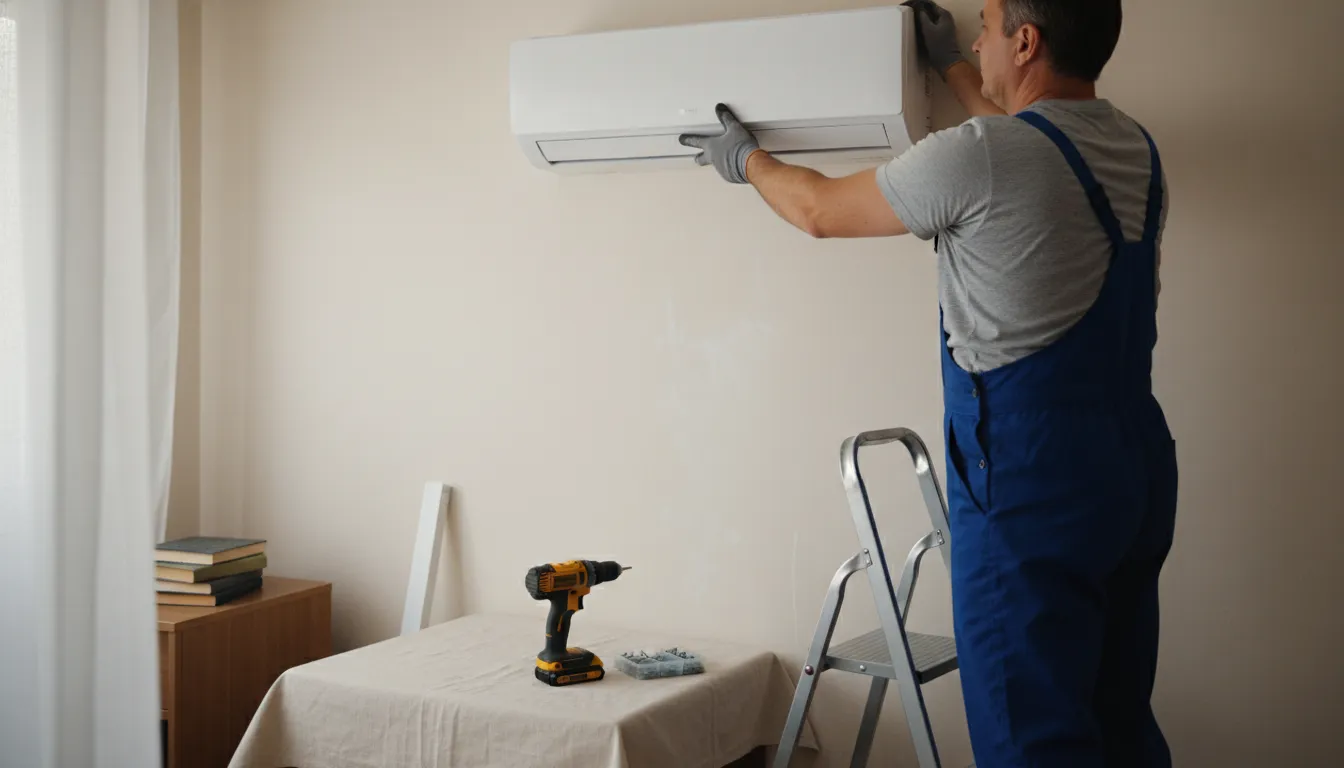
Find the Best AC Installation & Replacement Contractors for Your Business
No obligation • Fast responses • Nationwide coverage

Why you can trust HVAC Firms
HVAC Firms is a leading United States resource for evaluating HVAC service providers. Our team researches companies, checks credentials, and reviews customer feedback to present clear, unbiased information. Listings and rankings are based on merit, and companies cannot pay to change our editorial content.
Search providers near you
Top AC Installation & Replacement Contractors in Waukegan, Illinois Ranked
Installing or replacing an air conditioning system is a significant home improvement decision that directly impacts your comfort, energy bills, and home value. In Waukegan's climate, with its warm, humid summers, having a reliable and efficient cooling system is essential. This guide will help you understand the process, costs, and key considerations for air conditioner installation and replacement, connecting you with the information needed to find qualified local professionals for your project.
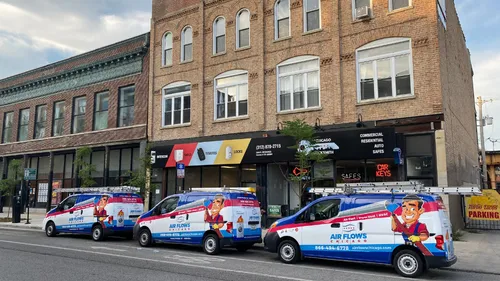
Air Flows Chicago - Belmont
3019 W Belmont Ave, Chicago, IL 60618
Air Flows Chicago - Belmont provides comprehensive HVAC, chimney, and indoor air quality services in Chicago, IL. They offer heating and cooling system installation, repair, and maintenance, including furnaces, boilers, air conditioners, ductless systems, and heat pumps. The company also specializes in chimney sweeping, inspection, and liner services, as well as dryer vent cleaning and repair. Their air duct cleaning and installation services help improve indoor air quality, supported by UV germicidal light installations, humidifiers, and air cleaners. Air Flows Chicago serves both residential and commercial clients and offers 24/7 emergency repair services to minimize downtime.
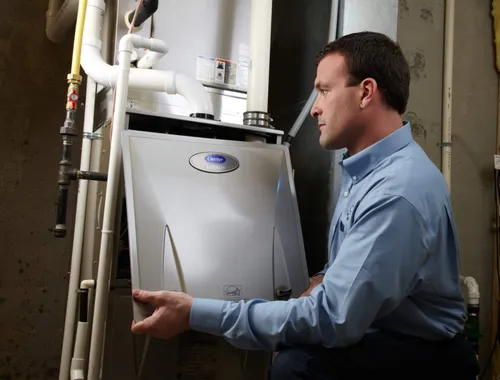
Allied Air Conditioning & Heating Corp.
203 Peterson Rd, Libertyville, IL 60048
Allied Air Conditioning & Heating Corp. is a heating and cooling company serving Chicago, IL, and the surrounding Northwest Chicagoland area. With over 55 years of experience, they provide HVAC installation, repair, and maintenance services, including air conditioning, furnace, indoor air quality, and pool dehumidifier systems. Allied is an authorized Carrier dealer and offers 24/7 emergency service to address heating and cooling issues promptly. Their NATE-certified technicians focus on delivering reliable home comfort solutions and advanced HVAC products.
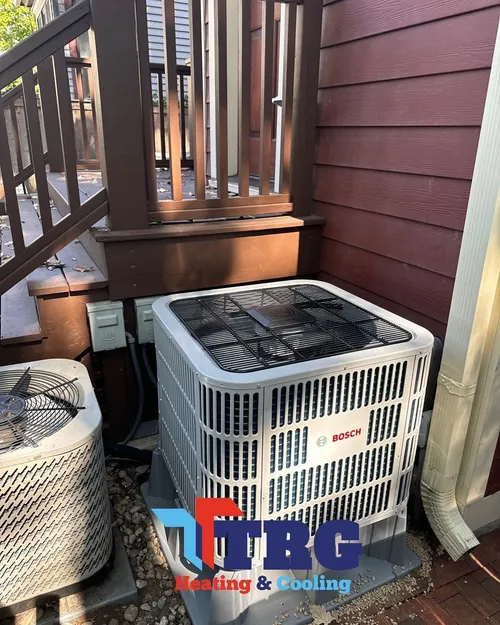
TRG
7441 Channel Rd, Skokie, IL 60076
TRG is an HVAC company based in Chicago, IL, providing installation, repair, maintenance, and replacement services for heating, air conditioning, and ventilation systems. They serve both residential and commercial properties, offering comprehensive solutions to improve indoor comfort. TRG performs system evaluations to address issues such as weak airflow, unusual noises, and inefficient heating or cooling. They also recommend professional HVAC tune-ups twice a year to enhance system efficiency and longevity.
Legendary Service
960 Rand Rd Suite 200F, Des Plaines, IL 60016
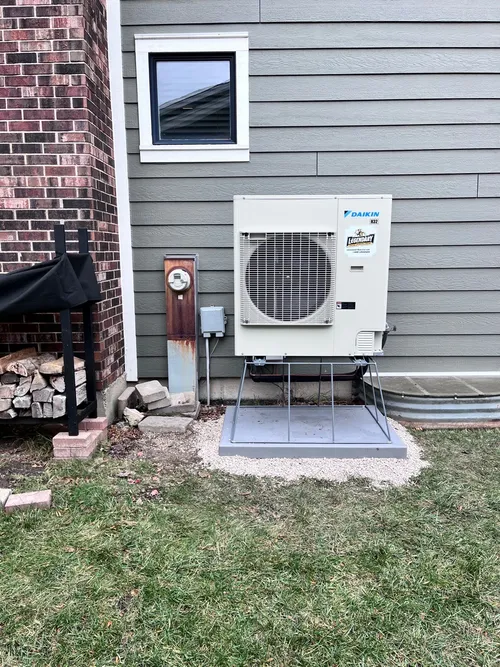
Legendary Service is a home comfort provider based in Chicago, IL, offering heating, cooling, plumbing, and indoor air quality services. They handle AC and furnace installation, repair, and maintenance, along with plumbing and drain cleaning. With over 40 years of combined experience, Legendary Service provides comprehensive HVAC and plumbing solutions including indoor air quality improvements to help maintain a healthy home environment. Their team is skilled in diagnosing and resolving issues efficiently, supported by a maintenance agreement program for ongoing care.
Hero Air
4823 W Patterson Ave, Chicago, IL 60641
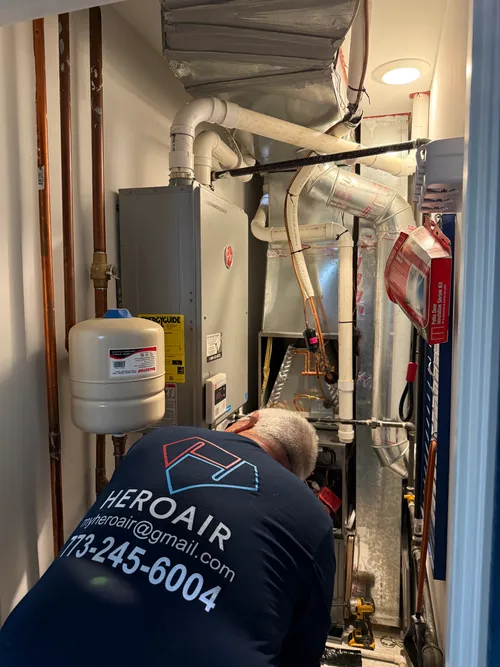
Hero Air is a family-owned HVAC company serving Chicago, IL, with over 10 years of experience. They provide a wide range of heating and air conditioning services including installation, repair, and maintenance for air conditioners, furnaces, boilers, and ductless mini splits. Hero Air also specializes in indoor air quality solutions such as UV germicidal treatments and dehumidifiers to maintain healthy and comfortable indoor environments. Their certified and insured technicians work with both residential and commercial clients to ensure efficient system performance throughout the year.
Understanding Your Home's Cooling Needs
Before you can select a new air conditioning system, a professional must assess your home's specific requirements. This isn't a one-size-fits-all process. A technician will evaluate several critical factors to determine the correct system capacity, measured in tons. An undersized unit will run constantly without cooling your home effectively, while an oversized system will cycle on and off too frequently, leading to uneven temperatures, excess humidity, and premature wear.
The primary rule of thumb is that a system needs about 1 ton of cooling capacity for every 400 to 600 square feet of living space. However, this is just a starting point. The final calculation must account for:
- Home Size and Layout: Total square footage and the number of floors.
- Insulation Quality: The condition of attic, wall, and basement insulation.
- Window Efficiency: The number, size, and type of windows (single-pane vs. double-pane).
- Sun Exposure: How much direct sunlight your home receives.
- Existing Ductwork: The condition, size, and layout of your air ducts.
For Waukegan homes, common sizing estimates include:
- A 1,200 sq ft home typically requires a 2 to 2.5-ton system.
- A 1,800 sq ft home generally needs a 3 to 3.5-ton unit.
- A 2,400 sq ft home often calls for a 4 to 4.5-ton capacity.
- Homes over 3,000 sq ft may require 5 tons or more 1.
The Step-by-Step Installation Process
A professional AC installation is a multi-stage project designed for safety, compliance, and long-term performance. Understanding the steps can help you know what to expect from your contractor.
- Initial Assessment and Quote: A certified technician visits your home to perform a load calculation (Manual J), inspect the existing system and ductwork, and discuss your comfort needs and budget. They will then provide a detailed written estimate.
- System Selection and Planning: Based on the assessment, you'll choose a system. Your contractor will help you understand the differences between single-stage, two-stage, and variable-speed models. They will also plan the placement of the outdoor condenser and indoor unit, map electrical connections, and apply for any necessary permits from the City of Waukegan.
- Installation Day: The crew will safely remove and dispose of your old air conditioning equipment. They will then install the new condenser pad, set the outdoor unit, and install the new indoor coil (often attached to your furnace). New refrigerant lines and electrical connections are made, and the system is integrated with your home's thermostat and ductwork.
- System Testing and Commissioning: This critical phase involves charging the system with refrigerant, checking for leaks, testing all electrical components, and measuring airflow. The technician will start the system and verify it is cooling properly and operating at its advertised efficiency.
- Final Walkthrough and Cleanup: The installer will explain the system's operation, your thermostat, and basic maintenance tips. They will also complete a thorough cleanup of the work area, removing all packaging and debris. Finally, they will ensure all work passes local inspection and provide you with documentation for warranties and permits.
Breaking Down the Costs of a New AC System
The total investment for a new air conditioner in Waukegan varies widely, typically ranging from $5,000 to over $16,000 for a full, professional installation. This price encompasses several components:
- Equipment Cost (40-60%): This is the cost of the physical units-the outdoor condenser and the indoor coil or air handler. Price fluctuates based on brand, capacity (tons), and especially efficiency, measured by the SEER2 (Seasonal Energy Efficiency Ratio) rating. Higher SEER2 units cost more upfront but save significantly on monthly energy bills 2.
- Labor Cost (30-50%): This covers the skilled work of removing the old system, installing the new one, handling refrigerant, making electrical connections, and performing testing and setup. Complex installations, like those in tight spaces or requiring new ductwork, increase labor time and cost 3 4.
- Additional Materials & Fees: This includes items like new refrigerant lines, thermostat wiring, a concrete condenser pad, and ductwork modifications. A mandatory cost in Waukegan is the permit fee, which starts at a minimum of $125 5 6. Proper permitting ensures the installation meets local building and safety codes.
Find the perfect ac installation & replacement contractors for your needs
Get personalized recommendations and expert advice
Choosing the Right System Type and Efficiency
Modern air conditioners come in several configurations, each with pros and cons for Waukegan homeowners.
- Single-Stage AC Systems: The most common and affordable option. The compressor is either 100% on or completely off. It's a good choice for budget-conscious replacements but can lead to less consistent temperatures and higher humidity levels.
- Two-Stage AC Systems: These units have a high and a low cooling stage. They run on the low stage about 80% of the time, providing more consistent temperatures, better humidity control, and quieter operation. They are more efficient than single-stage models and are a popular mid-range choice 7.
- Variable-Speed AC Systems: The premium option. The compressor can adjust its output in small increments from about 40% to 100% capacity. This provides the ultimate in precise temperature control, superior humidity removal, and extreme energy efficiency (often with the highest SEER2 ratings). The comfort and savings come with a higher initial investment 8 9.
When comparing efficiency, look for the SEER2 rating. The federal minimum standard is 14.3 SEER2 for northern states like Illinois. Choosing a unit with a 16, 18, or 20+ SEER2 rating will cost more initially but can offer substantial energy savings, especially during Waukegan's hottest months.
Why Professional Installation is Non-Negotiable
An air conditioner is a complex, pressurized system. Improper installation can negate the benefits of even the most expensive, high-efficiency equipment. Common issues from poor installation include refrigerant leaks, incorrect airflow, and faulty electrical work, all leading to reduced efficiency, frequent breakdowns, and a shortened system lifespan.
A licensed, insured professional ensures:
- Correct Sizing: Using formal load calculations, not just rules of thumb.
- Code Compliance: Adherence to local Waukegan building codes, electrical codes, and EPA refrigerant handling regulations.
- Optimal Performance: Proper setup, charging, and testing so the system delivers its rated efficiency and capacity.
- Validated Warranties: Most manufacturer warranties require professional installation to remain valid.
Preparing for Your Installation Project
To ensure a smooth process, you can take a few steps before the installers arrive:
- Clear Access: Provide clear paths to the furnace, attic, and outdoor condenser location. Move furniture, decorations, and stored items away from work areas.
- Secure Pets: Keep pets in a separate, quiet room for their safety and to allow the crew to work without interruption.
- Ask Questions: Be present for the final walkthrough. Ask about thermostat programming, filter location and size, and basic maintenance tasks you should perform.
- Review Paperwork: Keep all invoices, warranty documents, and installation certificates in a safe place for future reference.
Investing in a new cooling system is a decision that pays off in comfort and efficiency for over a decade. By understanding the process, costs, and technology, you can confidently partner with a qualified Waukegan professional to find the ideal air conditioning solution for your home.
Frequently asked questions
Sources
Footnotes
-
Average Cost for New HVAC System - Comfort Temp - https://comforttemp.com/what-is-the-average-cost-for-a-new-hvac-system/ ↩
-
HVAC Installation Cost 2026: How Much a New System Costs - https://www.callarthurair.com/hvac-installation-cost/ ↩
-
HVAC Installation Costs and Breakdowns - https://tmcservice.com/hvac-installation-costs-and-breakdowns/ ↩
-
Cost to Install Air Conditioning - 2026 Cost Calculator (Customizable) - https://www.homewyse.com/services/cost_to_install_air_conditioning.html ↩
-
Heating & Cooling | Waukegan, IL - Official Website - https://www.waukeganil.gov/995/Heating-Cooling ↩
-
Heating and Air Conditioning Installation in Waukegan, IL - https://www.homedepot.com/services/l/il/waukegan/heating-air-conditioning-installation/c16fbb4b7 ↩
-
Cost of an Air Conditioner in 2026: Replacing Your AC Unit | Fire & Ice - https://indoortemp.com/resources/air-conditioner-replacement-cost ↩
-
AC Replacement Costs in 2025: Full Pricing Guide by System Type ... - https://bpmhvac.com/air-conditioning/ac-replacement-cost-guide/ ↩
-
Waukegan, IL AC Installation - Kern Heating & Cooling Co. - https://www.kernheating.com/air-conditioning/ac-installation/ ↩