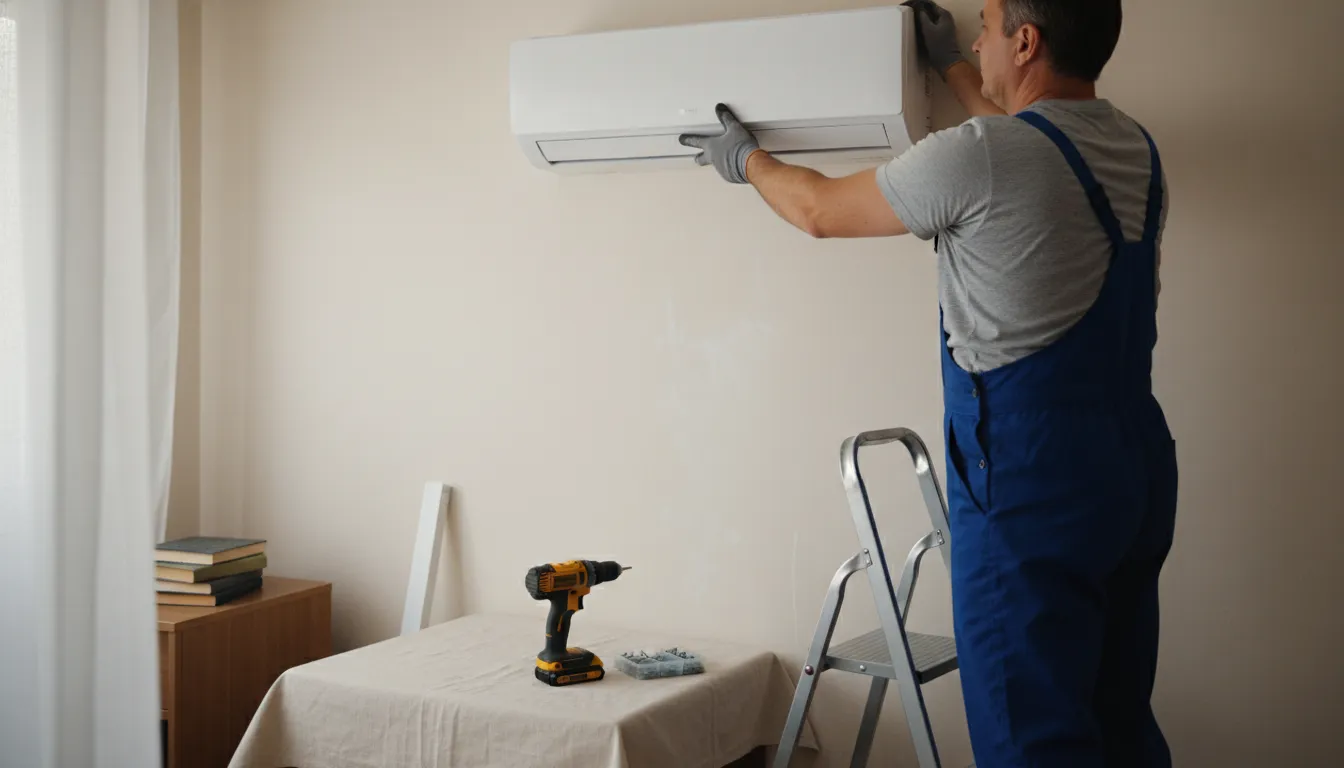
Find the Best AC Installation & Replacement Contractors for Your Business
No obligation • Fast responses • Nationwide coverage

Why you can trust HVAC Firms
HVAC Firms is a leading United States resource for evaluating HVAC service providers. Our team researches companies, checks credentials, and reviews customer feedback to present clear, unbiased information. Listings and rankings are based on merit, and companies cannot pay to change our editorial content.
Search providers near you
Top AC Installation & Replacement Contractors in Chicago, Illinois Ranked
Keeping your Chicago home cool and comfortable during our famously humid summers starts with a properly sized and professionally installed air conditioning system. Whether you're replacing an aging unit that can't keep up or installing central air for the first time, understanding the process and local considerations is key to a successful project. This guide will walk you through what to expect from air conditioner installation and replacement services in Chicago, from the initial evaluation to final testing, helping you find qualified local professionals for your cooling needs.
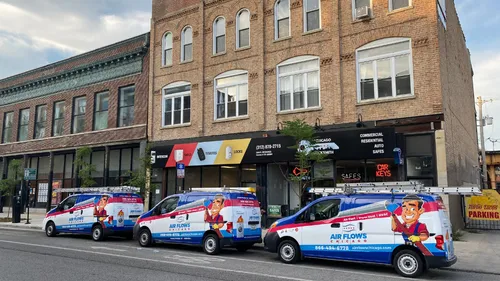
Air Flows Chicago - Belmont
3019 W Belmont Ave, Chicago, IL 60618
Air Flows Chicago - Belmont provides comprehensive HVAC, chimney, and indoor air quality services in Chicago, IL. They offer heating and cooling system installation, repair, and maintenance, including furnaces, boilers, air conditioners, ductless systems, and heat pumps. The company also specializes in chimney sweeping, inspection, and liner services, as well as dryer vent cleaning and repair. Their air duct cleaning and installation services help improve indoor air quality, supported by UV germicidal light installations, humidifiers, and air cleaners. Air Flows Chicago serves both residential and commercial clients and offers 24/7 emergency repair services to minimize downtime.
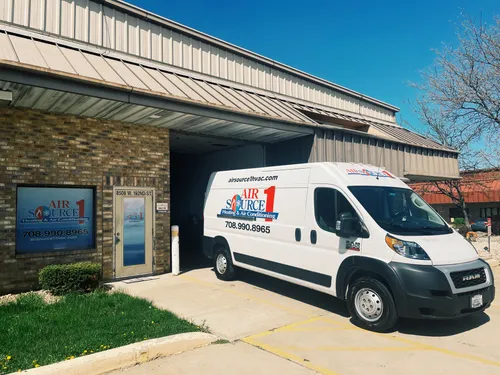
Air Source 1 Heating & Air Conditioning
8508 W 192nd St, Mokena, IL 60448
Air Source 1 Heating & Air Conditioning is a family-owned HVAC contractor based near Chicago, IL, serving Mokena and the surrounding South Chicagoland and Northwest Indiana areas. Since 2014, they have specialized in heating and cooling installation, repair, maintenance, indoor air quality services, and sheet metal fabrication. The company offers 24/7 emergency repair services and works with reputable brands like RUUD to provide quality HVAC systems tailored to customer needs. Owner Tim brings over 15 years of hands-on experience, ensuring skilled and dedicated service on every job.
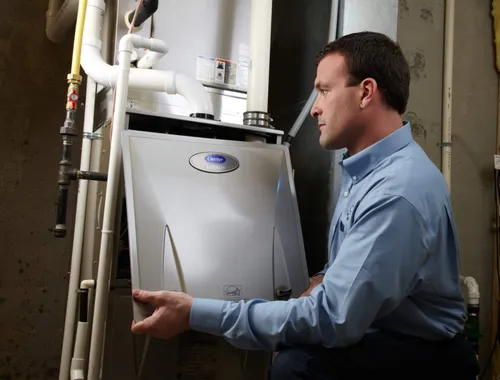
Allied Air Conditioning & Heating Corp.
203 Peterson Rd, Libertyville, IL 60048
Allied Air Conditioning & Heating Corp. is a heating and cooling company serving Chicago, IL, and the surrounding Northwest Chicagoland area. With over 55 years of experience, they provide HVAC installation, repair, and maintenance services, including air conditioning, furnace, indoor air quality, and pool dehumidifier systems. Allied is an authorized Carrier dealer and offers 24/7 emergency service to address heating and cooling issues promptly. Their NATE-certified technicians focus on delivering reliable home comfort solutions and advanced HVAC products.
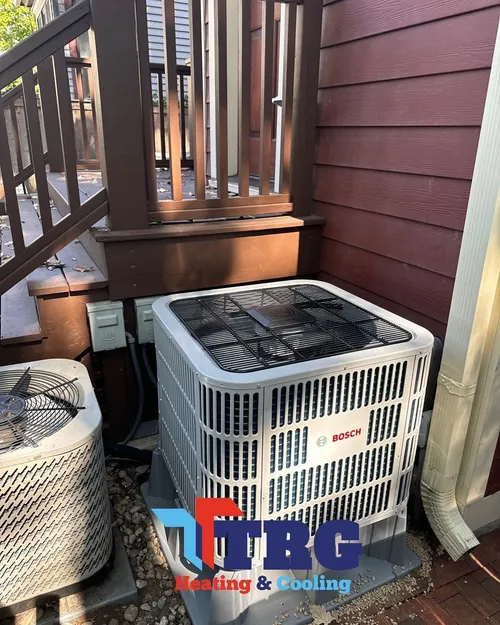
TRG
7441 Channel Rd, Skokie, IL 60076
TRG is an HVAC company based in Chicago, IL, providing installation, repair, maintenance, and replacement services for heating, air conditioning, and ventilation systems. They serve both residential and commercial properties, offering comprehensive solutions to improve indoor comfort. TRG performs system evaluations to address issues such as weak airflow, unusual noises, and inefficient heating or cooling. They also recommend professional HVAC tune-ups twice a year to enhance system efficiency and longevity.
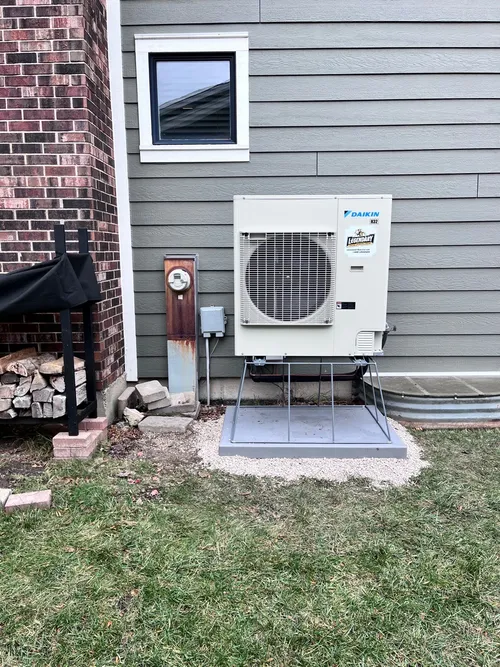
Legendary Service
960 Rand Rd Suite 200F, Des Plaines, IL 60016
Legendary Service is a home comfort provider based in Chicago, IL, offering heating, cooling, plumbing, and indoor air quality services. They handle AC and furnace installation, repair, and maintenance, along with plumbing and drain cleaning. With over 40 years of combined experience, Legendary Service provides comprehensive HVAC and plumbing solutions including indoor air quality improvements to help maintain a healthy home environment. Their team is skilled in diagnosing and resolving issues efficiently, supported by a maintenance agreement program for ongoing care.
Understanding Chicago's Unique Cooling Needs
Chicago's climate presents specific challenges for home cooling. Our summers combine heat with significant humidity, which means an air conditioner must work hard not just to lower the temperature but also to remove moisture from the air for true comfort. Furthermore, the city's diverse housing stock-from historic bungalows and three-flats to modern high-rises-means there is no one-size-fits-all solution. A system that works perfectly in a new construction home may be entirely unsuitable for a century-old property with original, often leaky, ductwork. This is why a professional, localized approach to air conditioning installation is not just recommended; it's essential for efficiency, longevity, and comfort.
The Critical First Step: Professional Load Calculation & Evaluation
Before any new equipment is discussed, a reputable Chicago HVAC technician will begin with a comprehensive home evaluation. The cornerstone of this evaluation is a Manual J load calculation. This is not a simple guess based on square footage; it's a detailed analysis that determines the precise cooling capacity (measured in tons or BTUs) your home requires.
A proper load calculation considers:
- Square Footage and Layout: The total area and how rooms are connected.
- Insulation Levels: In walls, attics, and basements.
- Window Type, Size, and Orientation: South- and west-facing windows bring in more heat.
- Air Infiltration: The "tightness" of your home's building envelope.
- Local Climate Data: Specifically, Chicago's summer design temperatures and humidity levels 1 2.
Why is this so important? An oversized air conditioner will cool the space too quickly, shutting off before it has adequately removed humidity, leaving your home cold and clammy. It will also cycle on and off more frequently, increasing wear and tear and energy bills. An undersized unit will run constantly, struggling to reach the desired temperature on the hottest days and driving up costs while failing to keep you comfortable. The goal is a perfectly sized system for balanced, efficient operation.
The Installation & Replacement Process: A Step-by-Step Guide
A full air conditioning installation or replacement is a multi-stage project typically handled over one to three days by a skilled crew. Here's what a standard professional service includes:
- Final Site Review & Planning: The crew reviews the installation plan, checks access points, and lays down protective coverings.
- Safe Removal & Disposal: The old outdoor condenser and indoor coil (or air handler) are disconnected, removed, and responsibly disposed of, often in accordance with EPA regulations for refrigerant recovery.
- Preparation & New Equipment Placement: The new outdoor pad is set (if needed), and the new, high-efficiency condenser is positioned. Inside, the new evaporator coil is installed into the existing furnace plenum or a new air handler is mounted.
- Critical Connections:
- Refrigerant Lines: The copper "line set" is connected between the indoor and outdoor units. A proper vacuum is pulled on the lines to remove all moisture and air before the system is charged with refrigerant 3.
- Electrical: New high-voltage wiring is run from the electrical panel to the outdoor disconnect and condenser, and low-voltage control wiring is connected to the thermostat.
- Drainage: The condensate drain line is installed from the indoor coil to a suitable drain, often with a safety switch to prevent overflow 4.
- Ductwork: Connections to the existing supply and return ducts are meticulously sealed with mastic or metal-backed tape to prevent energy-wasting leaks.
- System Start-Up & Testing: This is the most critical phase. The technician will start the system, measure refrigerant pressures and superheat/subcooling, verify airflow across the coil, check the electrical amp draw, and ensure the thermostat is communicating correctly. They will also test the safety controls and the condensate drain 5 6.
- Permit & Final Inspection: A reputable Chicago contractor will pull the required local permit for the work. Once installation is complete, a city inspector may visit to verify the installation meets all electrical and mechanical codes.
Find the perfect ac installation & replacement contractors for your needs
Get personalized recommendations and expert advice
What Determines the Cost in Chicago?
The cost for a new air conditioning system in Chicago can vary widely. Understanding the factors at play can help you interpret estimates and make an informed decision.
Primary Cost Factors:
- System Capacity and Type: A basic 2-ton central air system for a smaller home will cost less than a 5-ton system for a large residence. Ductless mini-split systems have different cost structures than central forced-air systems.
- Equipment Efficiency (SEER2 Rating): Higher-efficiency units with SEER2 ratings of 16+ have a higher upfront cost but can significantly reduce monthly energy bills, a valuable benefit given Chicago's summer runtime. The minimum federal standard is now 14.3 SEER2 for northern states 7 8.
- Equipment Brand: Premium brands often command a higher price due to features, reliability, and warranty support.
- Complexity of Installation: If the installation requires extensive new ductwork, electrical upgrades, or custom fabrication to fit into a tight historic home, labor costs will increase 9 10.
- Local Market Factors: Chicago has higher-than-average labor rates and a 10.25% sales tax, both of which are reflected in the total project cost 11 12.
Cost Ranges in Chicago: Based on local market data, you can expect the following broad ranges for a full replacement of a central air system:
- Basic Replacement: $3,000 - $7,000. Typically for a like-for-like swap of a standard-efficiency unit in a smaller home with existing, sound ductwork.
- Mid-Range Replacement: $7,000 - $14,000. This is a common range for a properly sized, mid-to-high-efficiency (16-18 SEER2) system for an average Chicago home, including standard installation work.
- High-End or Complex Installation: $15,000 - $34,000+. Applies to high-efficiency variable-speed systems, homes requiring all new ductwork, full HVAC system replacements (furnace and AC), or large custom homes.
Choosing the Right System and Contractor
With the costs and process in mind, selecting the right partner is crucial. Look for a Chicago-area contractor who:
- Insists on a Manual J Load Calculation: This is the first sign of a quality-focused professional.
- Is Licensed, Bonded, and Insured: Verify their City of Chicago HVAC license and insurance coverage.
- Provides Detailed, Written Estimates: The quote should break down equipment model numbers, labor, permits, and any ancillary costs.
- Offers Strong Warranties: Look for robust warranties on both parts and labor.
- Has Strong Local References: Check reviews and ask for references from projects in similar home types.
Investing in a professional AC installation or replacement is an investment in your home's comfort, efficiency, and value. By focusing on proper sizing, quality installation, and the right local partner, you can ensure reliable cooling for many Chicago summers to come.
Frequently asked questions
Sources
Footnotes
-
5 Steps on How To Size an HVAC System for Your New Installation - https://easternshorehvac.com/blog/how-size-hvac-system/ ↩
-
How to Figure Out the Tonnage Size of your Air Conditioner - https://www.youtube.com/watch?v=nuw_Ua_ZkHE&t=3 ↩
-
What Is Included In Standard AC Installation? | Evergreen - https://evergreenhvacnc.com/what-is-included-in-standard-ac-installation/ ↩
-
FAQs - Daikin India - https://www.daikinindia.com/faqs ↩
-
What Do AC Installation Services Include? - https://nexgenairandplumbing.com/blog/what-do-ac-installation-services-include/ ↩
-
Air Conditioning Installation: A Step-by-Step Process - https://nexgenairandplumbing.com/blog/air-conditioning-installation-a-step-by-step-process/ ↩
-
Residential AC Installation Chicago IL | Home Cooling Experts - https://universalhvacgroup.com/chicago-il/ac-installation/ ↩
-
Understanding the Costs of Central Air Conditioning: A Comprehensive Guide - https://thefurnaceoutlet.com/blogs/news/understanding-the-costs-of-central-air-conditioning-a-comprehensive-guide ↩
-
Air Conditioner Replacement Costs in Chicago - https://www.fourseasonsheatingcooling.com/air-conditioner-replacement-cost/ ↩
-
What's Included In A Full HVAC System Replacement? 13 Essential ... - https://www.wrightac.com/blog/whats-included-in-a-full-hvac-system-replacement/ ↩
-
How Much Does AC Replacement Cost in Chicago, IL? | Angi - https://www.angi.com/articles/how-much-does-installing-new-ac-cost/il/chicago ↩
-
Professional AC Installation Chicago - Universal HVAC Group - https://universalhvacgroup.com/residential/ac-installation/ ↩