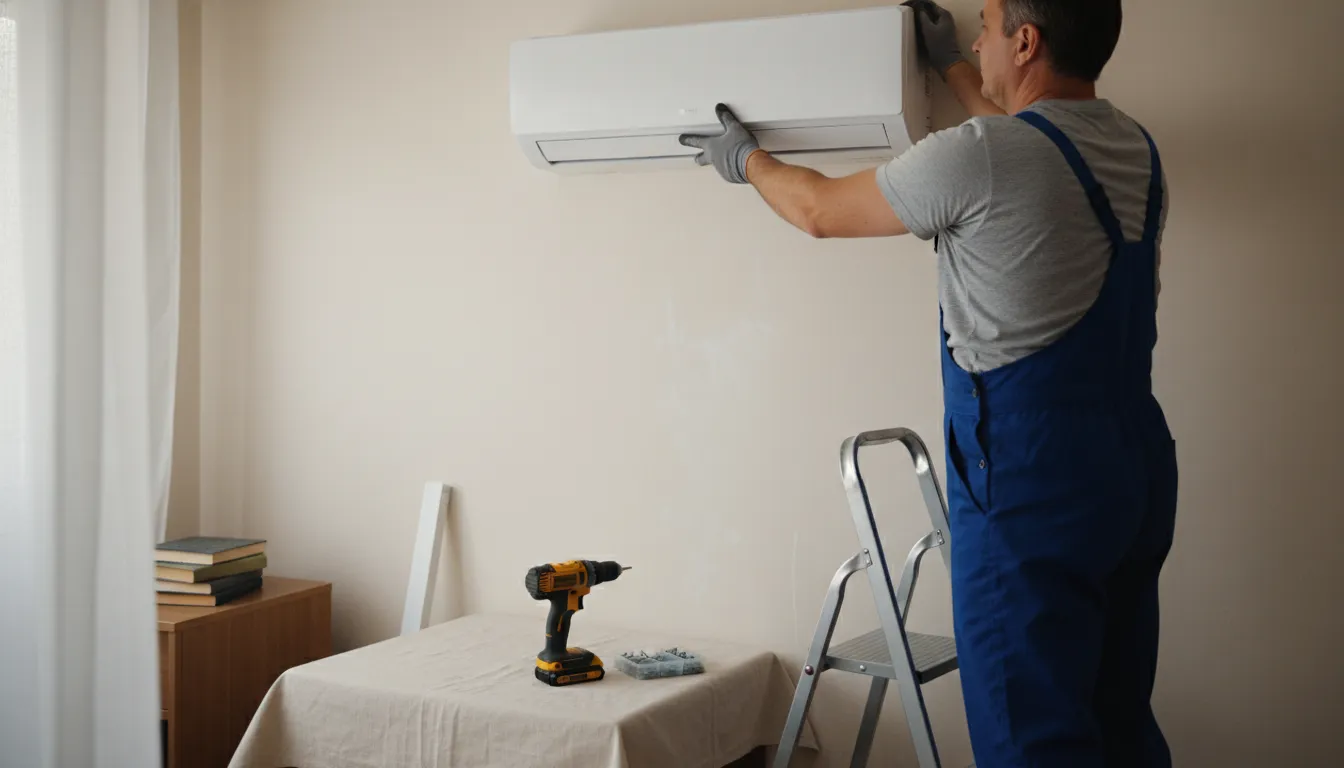
Find the Best AC Installation & Replacement Contractors for Your Business
No obligation • Fast responses • Nationwide coverage

Why you can trust HVAC Firms
HVAC Firms is a leading United States resource for evaluating HVAC service providers. Our team researches companies, checks credentials, and reviews customer feedback to present clear, unbiased information. Listings and rankings are based on merit, and companies cannot pay to change our editorial content.
Search providers near you
Top AC Installation & Replacement Contractors in Covina, California Ranked
Keeping your Covina home comfortable during the warm inland valley summers starts with a properly installed and sized air conditioning system. Whether you're replacing an aging unit or installing a new system, understanding the process, costs, and key considerations is essential for making an informed decision. This guide will help you navigate the specifics of air conditioner installation and replacement in Covina, from initial sizing to final commissioning, so you can confidently find a qualified local professional for the job.

All City Plumbing, Air & Electrical
5612 E La Palma Ave, Anaheim, CA 92807
All City Plumbing, Air & Electrical is a full-service provider based in Anaheim, CA, offering plumbing, HVAC, and electrical services. They serve residential and commercial customers with repair, installation, and maintenance for air conditioning, furnaces, thermostats, and indoor air quality systems. The company is known for its ACE-certified technicians and uses advanced technology such as hydro jetting for plumbing services. With over 13 years in business, All City Plumbing, Air & Electrical provides 24/7 emergency service to address urgent HVAC and plumbing needs.
MSP HEATING AND AIR CONDITIONING
2932 Rubidoux Blvd Suite B, Jurupa Valley, CA 92509
MSP HEATING AND AIR CONDITIONING is an HVAC company based in Riverside, CA, offering repair, installation, and maintenance services for air conditioning, furnaces, heat pumps, and indoor air quality systems. Serving Riverside County and parts of San Bernardino County, they provide certified expertise including heat exchange, NATE, EPA 608, and indoor air quality certifications. With over a decade of experience, MSP HEATING AND AIR CONDITIONING focuses on preventing issues through regular maintenance and delivering prompt repairs when needed. They also offer 24/7 availability for emergency HVAC services.
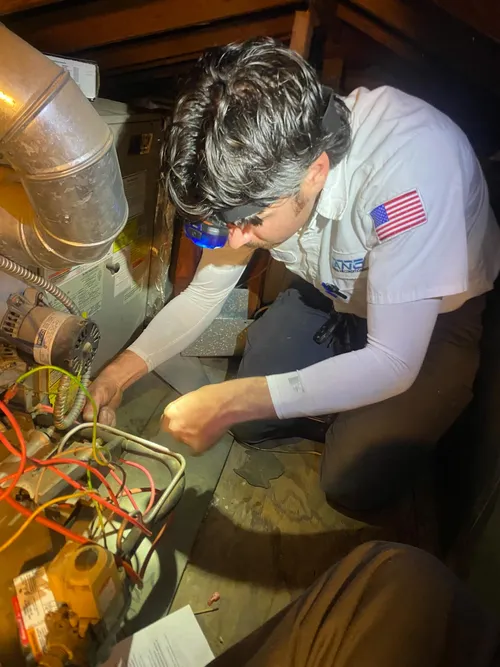
Sano Heating & Air Conditioning
5546 E La Palma Ave, Anaheim, CA 92807
Sano Heating & Air Conditioning is an HVAC company based in Anaheim, CA, providing a range of heating and cooling services. They offer repair and installation for air conditioners, furnaces, heat pumps, mini splits, and perform HVAC tune-ups. The company also specializes in indoor air quality solutions and energy-efficient options like ductless and zoned systems. Serving Anaheim and the surrounding Orange County area, they handle new construction projects and have sheet metal capabilities to support their HVAC services.
Comfort Time Plumbing Heating & Cooling
8038 Freestone Ave, Santa Fe Springs, CA 90670
Comfort Time Plumbing Heating & Cooling is a family-owned company based in Los Angeles, CA, providing comprehensive HVAC and plumbing services for homes and businesses. They specialize in the repair and installation of air conditioning, furnaces, heat pumps, boilers, mini splits, and commercial refrigeration systems. Comfort Time Plumbing Heating & Cooling offers same-day service and uses advanced techniques such as trenchless sewer line replacement to address plumbing issues efficiently. Since 2008, they have served the local community with trained technicians who maintain up-to-date certifications and prioritize respect for customers' homes.
Haven Air Conditioning
1450 N Lakeview Ave, Anaheim, CA 92807
Haven Air Conditioning is an HVAC company based in Anaheim, CA, offering a range of services including air conditioning, furnace, heat pump, and mini split installation and repair. They also provide HVAC tune-ups, duct cleaning, and thermostat installation. The company is experienced in handling complex HVAC systems and offers detailed inspections and maintenance advice to improve system efficiency. Customers appreciate their thoroughness and clear communication throughout the service process. Haven Air Conditioning has built a reputation for professional installations and repairs in the Anaheim area.
Understanding System Sizing for Covina Homes
The most critical step in any new AC installation or replacement is determining the correct system size for your specific home. An improperly sized unit-whether too large or too small-will lead to poor performance, higher energy bills, and premature wear.
The Importance of a Manual J Load Calculation
A professional contractor should never guess your system size based solely on square footage. For a proper installation, they must perform a Manual J load calculation, which is the industry standard method endorsed by ACCA (Air Conditioning Contractors of America). This detailed analysis considers numerous factors unique to your Covina residence 1:
- Home Layout & Square Footage: Total living area, room dimensions, and ceiling heights.
- Construction Materials: Insulation levels in walls and attics, window types (single/double-pane), and door quality.
- Local Climate: Covina's specific summer temperatures and sun exposure.
- Occupancy & Heat Sources: Number of occupants, appliance usage, and lighting.
What Size System Do You Need?
System capacity is measured in tons or BTUs (British Thermal Units). One ton equals 12,000 BTUs of cooling capacity. For a standard Covina home, systems typically range from 2 to 5 tons (24,000 to 60,000 BTUs), but this is a general guideline 2. A unit that is too large will "short cycle," turning on and off rapidly without properly dehumidifying your air-a common issue in humid climates. An undersized unit will run constantly, struggling to reach the desired temperature on the hottest days and driving up your electricity costs.
The Complete Installation & Replacement Process
A professional AC installation is a multi-step process that goes far beyond simply swapping an outdoor unit. Knowing what to expect can help you evaluate contractor proposals and ensure a quality job.
Step 1: Comprehensive Home Assessment
A reputable technician will begin with a thorough evaluation of your existing system, ductwork, electrical panel, and thermostat location. They will also perform the essential Manual J calculation to specify the new equipment.
Step 2: Removal of Old Equipment
The old outdoor condenser and indoor coil (or air handler) are safely disconnected, with refrigerant recovered according to EPA regulations. Old equipment is removed from the premises.
Step 3: Installation of New Components
This core phase involves several coordinated tasks:
- New Unit Setup: The outdoor condenser is placed on a stable, level pad. The indoor coil is installed onto the furnace or within the air handler cabinet.
- Ductwork Inspection & Modification: Existing ducts are inspected for leaks, damage, or inadequate sizing. Necessary sealing, insulation, or replacement is performed to ensure efficient airflow.
- Line Set Installation: New copper refrigerant lines are often run between the indoor and outdoor units. These lines are then pressure-tested and vacuumed to remove any moisture and air, which is crucial for system longevity and performance 3.
- Electrical Connections: New wiring, disconnect boxes, and circuit breakers are installed as needed to meet the power requirements of the new system.
Step 4: System Charging & Startup
Once the system is sealed, the contractor charges it with the precise type and amount of refrigerant specified by the manufacturer. A new thermostat is installed and programmed. The technician then starts the system, checking for proper operation, airflow, temperature drop, and refrigerant pressures 4.
Step 5: Final Inspection & Permits
Many municipalities in the Covina area require a permit for HVAC replacement. A quality contractor will pull this permit and arrange for the final city inspection to ensure the installation meets all local building and safety codes.
Find the perfect ac installation & replacement contractors for your needs
Get personalized recommendations and expert advice
Key Factors Influencing Cost in Covina
The cost for a new air conditioning system in Covina can vary significantly. Understanding the variables that impact the final price will help you interpret quotes and budget effectively.
Primary Cost Drivers
- System Efficiency (SEER2): The Seasonal Energy Efficiency Ratio (now measured under the new SEER2 standard) indicates how efficiently the unit uses electricity. Higher SEER2 ratings (e.g., 16+ vs. standard 14) cost more upfront but offer substantial long-term savings on energy bills, a key consideration for Covina's cooling season 5.
- System Capacity & Type: The size (in tons) needed for your home is a major factor. Additionally, upgrading from a basic single-stage system to a variable-speed or multi-zone system will increase costs 6.
- Ductwork Modifications: If your existing ducts are leaky, poorly insulated, or inadequately sized, repairing or replacing them will add to the project cost but is essential for performance 7 8.
- Equipment Brand & Features: Premium brands and models with advanced features (like smart connectivity or ultra-quiet operation) typically come with a higher price tag.
- Labor & Permits: Contractor expertise, labor rates, and local permit fees are baked into the total installation cost 9 10.
Cost Ranges for the Covina Area
Based on regional data, homeowners can expect the following investment ranges for a full system replacement:
- Standard-Efficiency Replacement: For a straightforward swap of a standard SEER2 unit with minimal ductwork changes, costs often range from $6,000 to $9,000+.
- High-Efficiency or Complex Installations: For systems with high SEER2 ratings (16+), homes requiring significant ductwork modifications, or larger properties needing bigger capacity units, prices typically range from $9,000 to $15,000 or more.
Choosing the Right HVAC Contractor in Covina
Your choice of installer is as important as your choice of equipment. A proper installation by a qualified professional ensures efficiency, reliability, and warranty protection.
Essential Qualifications to Verify
- State License: Always verify the contractor holds a valid California C-20 (Warm-Air Heating, Ventilating and Air-Conditioning) license. This can be checked online through the CSLB (Contractors State License Board).
- Insurance: Confirm they carry both liability insurance and workers' compensation coverage.
- Local Experience: Choose a company familiar with Covina's climate, common home styles, and local permit requirements.
- Detailed Written Estimates: Obtain at least three detailed, written quotes that break down equipment model numbers, labor, materials, and permit costs-not just a bottom-line price.
Red Flags to Avoid
- Door-to-Door "Too Good to Be True" Offers: Be wary of high-pressure sales tactics or prices drastically lower than other quotes.
- Skipping the Load Calculation: Any contractor who suggests a system size without performing a Manual J calculation is not following industry best practices.
- Lack of Proper Documentation: Avoid contractors who are vague about permits or cannot provide proof of licensing and insurance.
Maximizing Your Investment
A new AC system is a significant investment. Protect it and ensure optimal performance with these steps:
- Register Your Warranty: Complete the manufacturer's warranty registration, often required within a short time after installation.
- Schedule Regular Maintenance: Sign up for a seasonal maintenance plan with your installer. Annual tune-ups keep the system running efficiently and can prevent costly breakdowns.
- Consider a Smart Thermostat: If not included with your installation, upgrading to a programmable or smart thermostat can enhance comfort and provide additional energy savings.
Frequently asked questions
Sources
Footnotes
-
How to Properly Budget for a New HVAC Unit - SMALL BUSINESS CEO - https://www.smbceo.com/2025/07/24/how-to-properly-budget-for-a-new-hvac-unit/ ↩
-
What Is HVAC Sizing? - Trane® - https://www.trane.com/residential/en/resources/glossary/hvac-sizing/ ↩
-
7 Common AC Installation Mistakes and How to Avoid Them Easily - https://santoselectric.com/avoid-these-common-ac-installation-mistakes/ ↩
-
Air Conditioning Installation: A Step-by-Step Process - https://nexgenairandplumbing.com/blog/air-conditioning-installation-a-step-by-step-process/ ↩
-
How Much Does It Cost to Replace AC Unit in California? - https://refreshedhvac.com/2025/04/11/how-much-does-it-cost-to-replace-ac-unit-california/ ↩
-
AC Replacement Cost in California | What Homeowners Must Know - https://allairsolar.com/how-much-does-it-cost-to-replace-ac-unit-in-california-what-homeowners-need-to-know/ ↩
-
What Do AC Installation Services Include? - https://nexgenairandplumbing.com/blog/what-do-ac-installation-services-include/ ↩
-
HVAC Installation Cost in California | Air & Plumbing Inc. - https://airandplumbing.com/how-much-does-hvac-installation-cost-in-california/ ↩
-
What's the Cost to Install an Air Conditioner in Southern ... - https://www.burgesons.com/blog/whats-the-cost-to-install-an-air-conditioner-in-southern-california ↩
-
Cost to Replace AC Unit - 2025 Homeowner's Guide - https://regionserviceco.com/cost-to-replace-ac-unit/ ↩