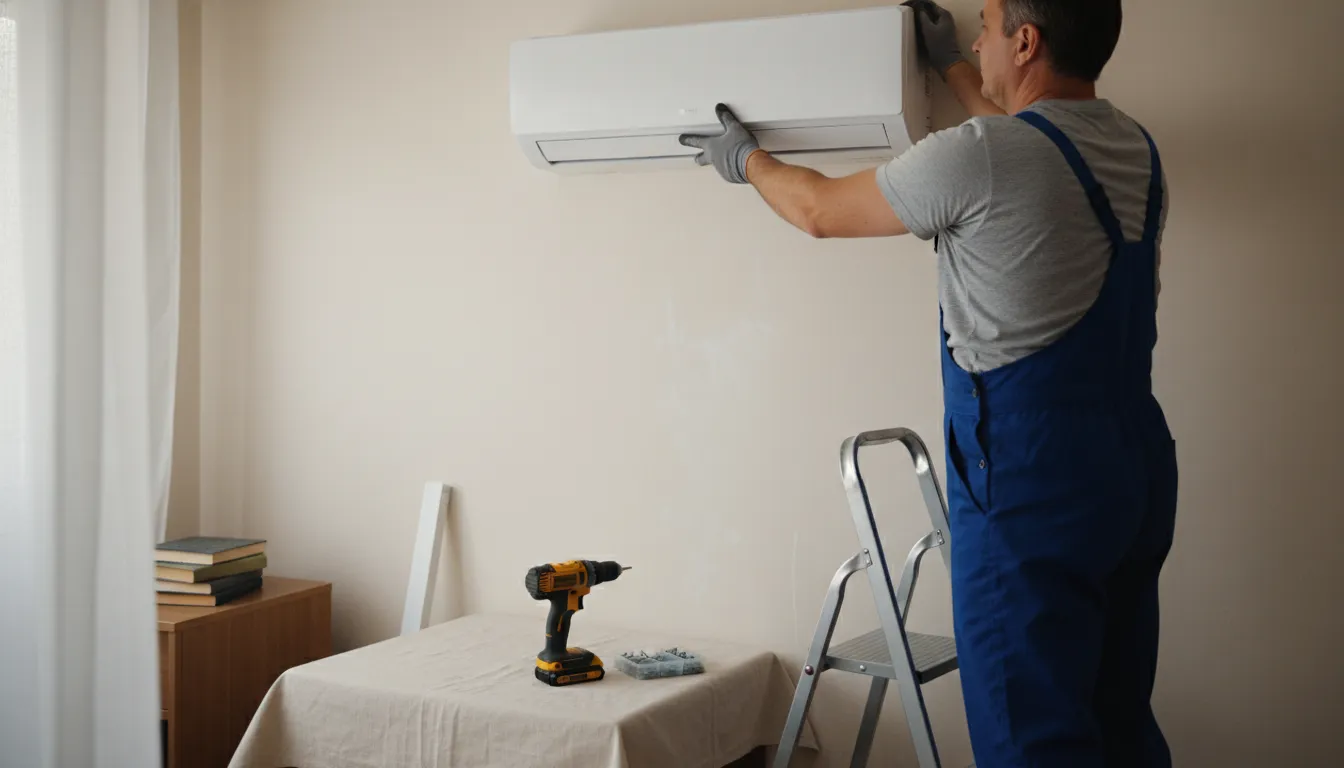
Find the Best AC Installation & Replacement Contractors for Your Business
No obligation • Fast responses • Nationwide coverage

Why you can trust HVAC Firms
HVAC Firms is a leading United States resource for evaluating HVAC service providers. Our team researches companies, checks credentials, and reviews customer feedback to present clear, unbiased information. Listings and rankings are based on merit, and companies cannot pay to change our editorial content.
Search providers near you
Best AC Installation & Replacement Contractors in California Ranked
Installing or replacing an air conditioning system is a significant investment in your home's comfort, efficiency, and value. In California's diverse climate-from the mild coast to the scorching inland valleys-choosing the right system is crucial. This guide explains the key considerations, from system types and climate-specific needs to the installation process and costs, helping you make an informed decision and connect with qualified local professionals for your project.
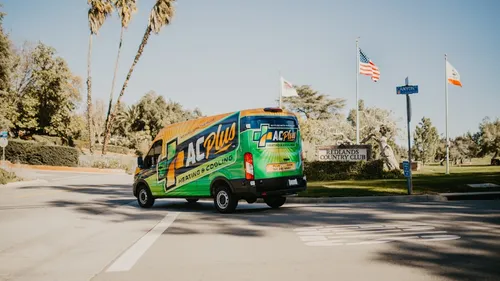
AC Plus Heating & Air Conditioning
14615 Palmdale Rd, Victorville, CA 92392
AC Plus Heating & Air Conditioning serves homeowners in Los Angeles, CA, offering a full range of HVAC services including air conditioning and furnace repair, installation, and maintenance. The company specializes in ductless mini split system installation, providing energy-efficient solutions tailored to home size and climate. Their technicians handle emergency repairs and routine tune-ups to keep systems running smoothly. Based in Victorville, AC Plus Heating & Air Conditioning brings years of experience to the Los Angeles area.
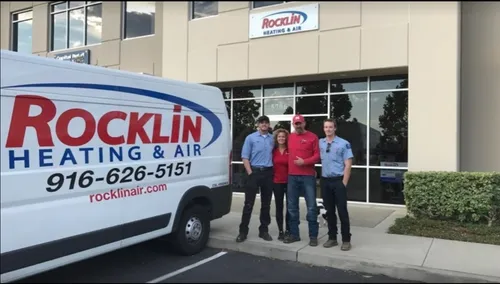
Rocklin Heating & Air
5706 Lonetree Blvd, Rocklin, CA 95765
Rocklin Heating & Air is a full-service heating and air conditioning company based near Sacramento, CA. They provide HVAC installation, repair, and tune-up services for both residential and commercial customers. Their team handles air conditioner and furnace repairs as well as new system installations, ensuring year-round comfort. The company emphasizes fair pricing and reliable workmanship, treating customers like family. While specific years in business are not stated, they serve Rocklin and surrounding areas and offer financing options with approved credit.
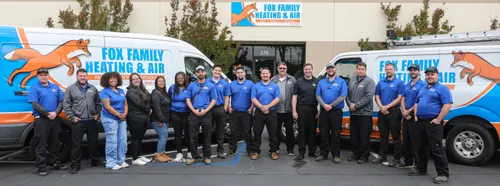
Fox Family Heating and Air Conditioning
3345 Sunrise Blvd #5, Rancho Cordova, CA 95742
Fox Family Heating and Air Conditioning provides a full range of HVAC services including installation, repair, replacement, and maintenance in Sacramento, CA. They serve the Sacramento area with skilled technicians capable of handling heating, air conditioning, and heat pump systems. The company emphasizes high standards and customer satisfaction in their work.
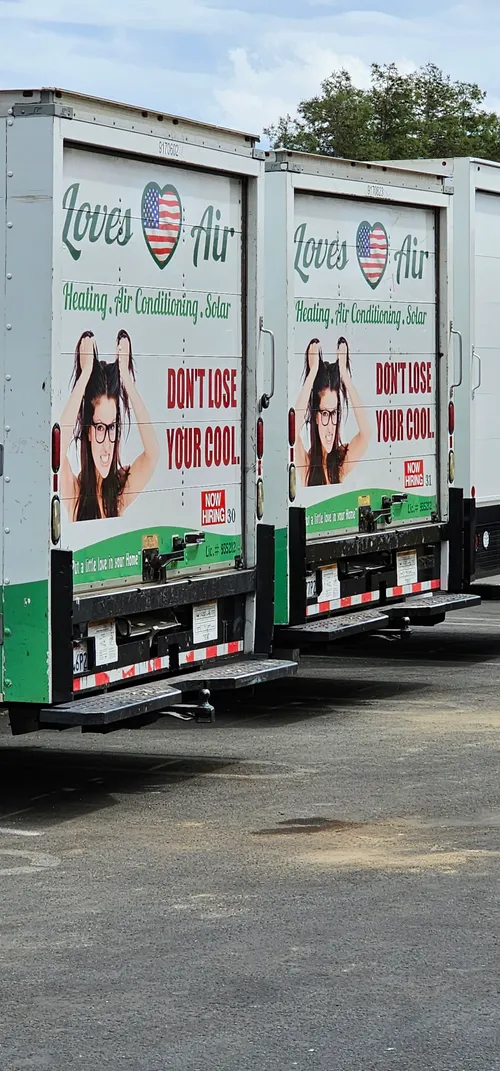
Loves Air
5536 Pirrone Rd, Salida, CA 95368
Loves Air is an HVAC and home improvement company serving Stockton, CA, specializing in heating and air conditioning installation, repair, and maintenance. They also provide solar panel installation, water heater services including tankless systems, and window replacement to improve home energy efficiency. Their team offers duct sealing to optimize airflow and reduce energy waste. With decades of experience and recognition as a top HVAC and solar company since 2018, Loves Air focuses on enhancing comfort and sustainability for local homes.
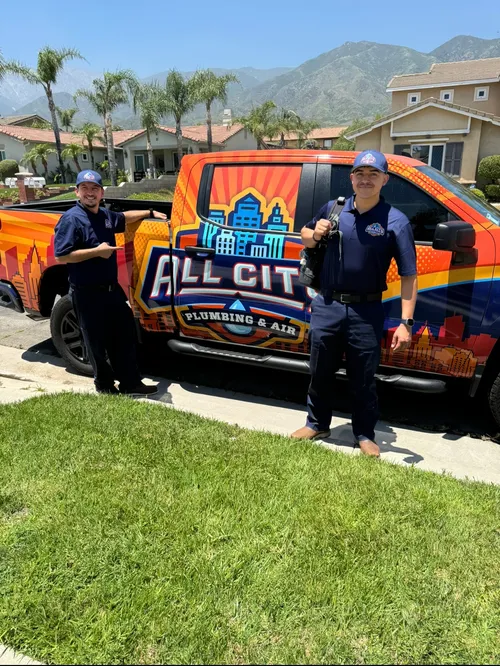
All City Plumbing, Air & Electrical
5612 E La Palma Ave, Anaheim, CA 92807
All City Plumbing, Air & Electrical is a full-service provider based in Anaheim, CA, offering plumbing, HVAC, and electrical services. They serve residential and commercial customers with repair, installation, and maintenance for air conditioning, furnaces, thermostats, and indoor air quality systems. The company is known for its ACE-certified technicians and uses advanced technology such as hydro jetting for plumbing services. With over 13 years in business, All City Plumbing, Air & Electrical provides 24/7 emergency service to address urgent HVAC and plumbing needs.
Understanding Your Air Conditioning System Options
When planning for a new air conditioning installation in California, you have several primary system types to consider. Each offers distinct advantages depending on your home's layout, existing infrastructure, and cooling needs.
Central Air Conditioning This is the most common whole-home cooling solution. It uses a single outdoor condenser unit connected to an indoor air handler and a network of ducts to distribute cool air throughout the house. Central AC is ideal for consistent, whole-home comfort but requires existing ductwork or the significant addition of new ducts, which can increase project scope and cost.
Ductless Mini-Split Systems These systems are excellent for homes without existing ducts, for room additions, or for creating zoned cooling. A mini-split consists of an outdoor compressor/condenser and one or more indoor air-handling units mounted on walls or ceilings. They are highly energy-efficient, offer individual room control, and avoid the energy losses associated with ductwork 1.
Heat Pumps A heat pump is an incredibly versatile option for California's climate, as it provides both highly efficient heating and cooling from the same unit. Operating like a reversible air conditioner, it extracts heat from outside to warm your home in winter and removes heat from inside to cool it in summer. For many areas of the state with mild-to-warm temperatures, a heat pump can be the most efficient year-round comfort solution 2.
Climate Considerations for California Homes
California's varied geography demands different approaches to air conditioning. The right system for a home in San Francisco will differ from what's needed in Palm Springs.
Inland Valleys and Desert Regions (e.g., Sacramento, Fresno, Palm Springs) These areas experience extreme summer heat. Systems here need higher cooling capacity (measured in tons) and superior energy efficiency (high SEER ratings) to manage the load cost-effectively. Proper sizing is critical-an undersized unit will run constantly and fail to cool, while an oversized unit will short-cycle, leading to humidity issues and wear. In some dry inland areas, evaporative coolers (swamp coolers) can be a supplemental or primary cooling method, though they are less effective during humid periods.
Coastal and Milder Regions (e.g., San Francisco Bay Area, Los Angeles Coast) Cooling needs are more moderate, but humidity control and consistent comfort are still important. High-efficiency systems, including ductless mini-splits and lower-capacity central units, are often suitable. The focus in these zones is often on precise temperature control and integrating systems with heating for year-round efficiency 3.
The Importance of Zoning Many California homes, especially multi-story designs, have uneven cooling needs. A zoning system, which uses multiple thermostats and motorized dampers in the ducts, or a multi-zone ductless system, can direct cool air where it's needed most. This prevents overcooling unused spaces and can significantly improve comfort and reduce energy bills.
The Step-by-Step Installation Process
A professional AC installation follows a structured process to ensure safety, efficiency, and compliance with local codes.
- Initial Assessment and Load Calculation: A qualified contractor will visit your home to evaluate its cooling needs. This involves more than just square footage; they will assess insulation levels, window types, ceiling height, and existing ductwork (if any). A Manual J load calculation is performed to determine the precise size (in tons) of the unit required.
- System Design and Proposal: Based on the assessment, the contractor will recommend a specific system type, brand, and model. You will receive a detailed written quote outlining equipment, labor, timeline, and total cost. This is the time to ask questions about efficiency ratings, warranties, and any available rebates 4.
- Contracting and Permitting: Once you approve the proposal, you'll sign a contract. The contractor will then pull the necessary permits from your local city or county building department. Permits ensure the installation will be inspected and meet all safety and building codes. In areas like the Bay Area, this permit process can take 1-3 days.
- Equipment Delivery and Site Preparation: The new equipment is ordered and delivered. On installation day, the crew will prepare the site-setting a stable pad for the outdoor condenser, ensuring clear access, and protecting your home's interior. For replacements, the old system is safely disconnected and removed.
- Installation and Connection: This is the core phase. Technicians install the indoor evaporator coil (often in the furnace or air handler), run refrigerant and electrical linesets to the outdoor unit, and mount the condenser. For ducted systems, they will inspect, seal, and possibly modify existing ductwork. The system is then charged with refrigerant, all electrical connections are made, and the thermostat is installed or configured 5.
- Testing, Inspection, and Demonstration: Once installed, the system is started and thoroughly tested for proper operation, refrigerant charge, airflow, and drainage. After the contractor's quality check, a local building inspector will visit to verify code compliance. Finally, the technician should walk you through the system's operation, thermostat programming, and basic maintenance tips.
Timeline: A straightforward system replacement (a "swap-out") can often be completed in 1-2 days. A new installation, particularly one involving new ductwork or electrical service, typically takes 3-7 days from start to finish, with the timeline influenced by permit approval and equipment availability.
Find the perfect ac installation & replacement contractors for your needs
Get personalized recommendations and expert advice
Understanding Costs and the Value of Replacement
Air conditioning installation costs in California vary widely based on system type, home size, efficiency, and complexity of the install.
Pricing Factors:
- System Type & Size: A basic central AC system for a 1,500 sq ft home can range from $7,000 to $12,500 or more, depending on efficiency. Ductless mini-splits for a single zone start lower, but multi-zone systems can reach similar price points. Heat pump installations often have a higher upfront cost than a standard AC but offer combined heating/cooling value 6 7.
- Equipment Efficiency: High-SEER (Seasonal Energy Efficiency Ratio) models cost more upfront but save significantly on monthly energy bills, a key consideration in California.
- Installation Complexity: Adding or replacing ductwork is a major cost driver, potentially adding thousands to the project. Upgrading electrical service, installing new refrigerant lines, or dealing with difficult access can also increase labor costs 8.
- Regional Variations: Labor and permit costs can differ between metropolitan and rural areas.
Is It Time to Replace? The $5,000 Rule A helpful guideline for deciding between repairing an old system or replacing it is the $5,000 Rule. Multiply the age of your existing AC unit (in years) by the estimated repair cost. If the product exceeds $5,000, replacement is usually the more economical long-term choice. For example, a 10-year-old system needing a $600 repair results in a $6,000 product (10 x 600), suggesting replacement is favorable. This rule helps factor in the diminishing reliability and efficiency of older equipment 9 10.
Ensuring a Successful Installation
To protect your investment, due diligence in selecting a contractor is essential.
- Verify Licenses: Always hire a contractor licensed by the California Contractors State License Board (CSLB). Ask for their license number and verify it online.
- Check Insurance: Ensure they carry both liability insurance and workers' compensation.
- Get Detailed Quotes: Obtain written, itemized estimates from at least three contractors. Compare not just price, but the proposed equipment, warranty terms, and scope of work.
- Ask About Rebates: A knowledgeable contractor can inform you about available rebates from utilities (like PG&E, SCE, or SDG&E) or state programs that can offset the cost of high-efficiency equipment.
For exact pricing and a system tailored to your specific California home, obtaining quotes from multiple licensed, local contractors is the most reliable path forward.
Frequently asked questions
Sources
Footnotes
-
HVAC Services in Rio Linda CA - Book Today! - https://www.thinkclimatecare.com/locations/rio-linda-ca ↩
-
Heat Pump Installation & Replacement - Morrison Mechanical HVAC Services - https://kmorrisonhvac.com/heat-pump-installation-and-repairs/ ↩
-
California Homeowners Choose AC Direct for HVAC and Heat Pump AC Solutions - https://www.acdirect.com/california-homeowners-choose-ac-direct-for-hvac-and-heat-pump-ac-solutions ↩
-
The Ins and Outs of Central AC Installation for California Homes - https://www.powerproplumbing.com/blog/ins-and-outs-of-central-ac-installation ↩
-
Air Conditioning Installation: A Step-by-Step Process - https://nexgenairandplumbing.com/blog/air-conditioning-installation-a-step-by-step-process/ ↩
-
New HVAC System Cost Calculator: Get a Custom Estimate in 2026 - https://modernize.com/hvac/cost-calculator ↩
-
How Much Does Heat Pump Installation Cost in California in 2025? - https://modernize.com/hvac/heating-repair-installation/heat-pump/california ↩
-
AC Installation Process: What to Expect from Start to Finish - https://bayareaclimatecontrol.com/blog/ac-installation-process/ ↩
-
Step-by-Step HVAC Installation Guide - https://www.carrier.com/residential/en/us/products/air-conditioners/hvac-installation/ ↩
-
What Is the $5,000 Rule for HVAC? - J.A. Bertsch Heating & Cooling - https://jabertsch.com/blog/what-is-the-5000-rule-for-hvac/ ↩