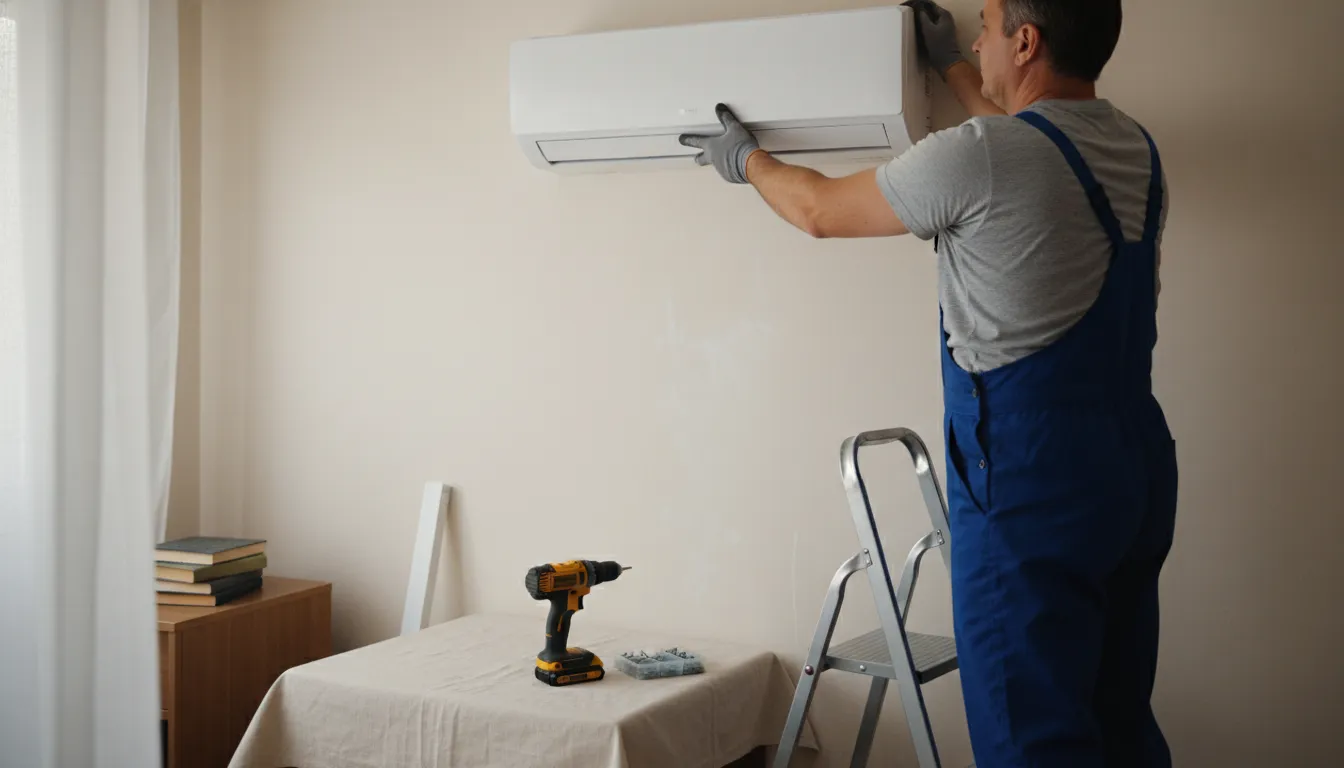
Find the Best AC Installation & Replacement Contractors for Your Business
No obligation • Fast responses • Nationwide coverage

Why you can trust HVAC Firms
HVAC Firms is a leading United States resource for evaluating HVAC service providers. Our team researches companies, checks credentials, and reviews customer feedback to present clear, unbiased information. Listings and rankings are based on merit, and companies cannot pay to change our editorial content.
Search providers near you
Top AC Installation & Replacement Contractors in Chino Hills, California Ranked
Upgrading or replacing your air conditioning system is a significant investment in your Chino Hills home's comfort, efficiency, and value. Given the city's hot inland climate, a reliable and properly sized cooling system isn't a luxury-it's a necessity for year-round comfort. This guide is designed to help you understand the entire process of air conditioner installation and replacement, from sizing and costs to the steps involved, so you can make an informed decision and connect with qualified local professionals for your project.

All City Plumbing, Air & Electrical
5612 E La Palma Ave, Anaheim, CA 92807
All City Plumbing, Air & Electrical is a full-service provider based in Anaheim, CA, offering plumbing, HVAC, and electrical services. They serve residential and commercial customers with repair, installation, and maintenance for air conditioning, furnaces, thermostats, and indoor air quality systems. The company is known for its ACE-certified technicians and uses advanced technology such as hydro jetting for plumbing services. With over 13 years in business, All City Plumbing, Air & Electrical provides 24/7 emergency service to address urgent HVAC and plumbing needs.
MSP HEATING AND AIR CONDITIONING
2932 Rubidoux Blvd Suite B, Jurupa Valley, CA 92509
MSP HEATING AND AIR CONDITIONING is an HVAC company based in Riverside, CA, offering repair, installation, and maintenance services for air conditioning, furnaces, heat pumps, and indoor air quality systems. Serving Riverside County and parts of San Bernardino County, they provide certified expertise including heat exchange, NATE, EPA 608, and indoor air quality certifications. With over a decade of experience, MSP HEATING AND AIR CONDITIONING focuses on preventing issues through regular maintenance and delivering prompt repairs when needed. They also offer 24/7 availability for emergency HVAC services.
1st Choice Heating & Air Conditioning, Inc.
23372 Madero Suite B, Mission Viejo, CA 92691
1st Choice Heating & Air Conditioning, Inc. provides a wide range of HVAC services in Anaheim, CA. Their offerings include installation, repair, and maintenance of air conditioners, furnaces, heat pumps, mini-split systems, and thermostats, along with indoor air quality solutions. As a Lennox Premier Dealer and recipient of the Centurion Award, they specialize in Lennox products and deliver energy-efficient heating and cooling systems. Their technicians are trained to handle various HVAC needs, from tune-ups to system replacements, ensuring comfort throughout the year.
Mission Viejo Heating & Air
22600 Lambert St Suite 1101, Lake Forest, CA 92630
Mission Viejo Heating & Air provides heating and air conditioning repair and installation services in Long Beach, CA. They offer tailored HVAC solutions for homes and businesses, focusing on energy efficiency and durability. The company is available seven days a week to assist with heating and AC repairs and installations, ensuring customer comfort throughout the year.
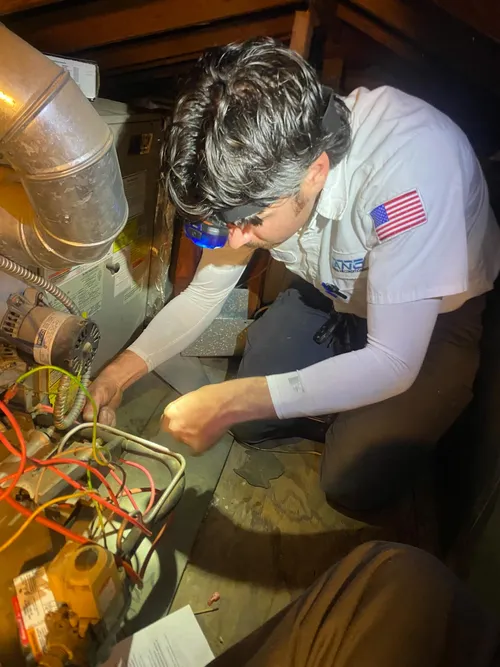
Sano Heating & Air Conditioning
5546 E La Palma Ave, Anaheim, CA 92807
Sano Heating & Air Conditioning is an HVAC company based in Anaheim, CA, providing a range of heating and cooling services. They offer repair and installation for air conditioners, furnaces, heat pumps, mini splits, and perform HVAC tune-ups. The company also specializes in indoor air quality solutions and energy-efficient options like ductless and zoned systems. Serving Anaheim and the surrounding Orange County area, they handle new construction projects and have sheet metal capabilities to support their HVAC services.
Understanding Your Chino Hills Climate and Cooling Needs
Chino Hills experiences a warm, Mediterranean climate with hot, dry summers, placing it in a hotter inland zone that demands a robust and efficient cooling system. Unlike coastal areas, the sustained high temperatures mean your air conditioner works harder and longer throughout the season. This makes choosing the right system-one that is correctly sized and has a high efficiency rating-critical not only for comfort but also for managing long-term energy costs. An undersized unit will struggle to cool your home, while an oversized one will short-cycle, leading to uneven temperatures, excess humidity, and premature wear.
The Critical First Step: Proper System Sizing
One of the most important aspects of a new air conditioning installation is ensuring the system is the correct size, measured in tons, for your specific home. Sizing is not a simple matter of square footage; it requires a professional load calculation.
Why "Tonnage" Matters
An air conditioner's capacity is measured in tons, where one ton equals 12,000 BTUs (British Thermal Units) of cooling power per hour. An improperly sized system can lead to a host of problems:
- An Undersized AC: Runs constantly during peak heat, failing to reach the desired temperature, driving up energy bills, and suffering from excessive wear.
- An Oversized AC: Cools the home too quickly and shuts off (short-cycles), failing to properly remove humidity, creating a cold and clammy environment, and increasing maintenance issues.
Professional Load Calculation (Manual J)
A reputable HVAC contractor will perform a Manual J load calculation. This industry-standard assessment considers numerous factors unique to your Chino Hills home:
- Square Footage: The total living area to be cooled.
- Insulation Levels: In walls, attic, and floors.
- Window Type, Size, and Orientation: South- and west-facing windows bring in significant heat.
- Ceiling Height: Volume of air in the home.
- Air Infiltration: The "tightness" of the home's construction.
- Local Climate Data: Specific to the Chino Hills area.
General Sizing Guidelines for Chino Hills Homes
While a Manual J is essential, here are general tonnage guidelines for common home sizes in the region:
- 2.5 - 3 Tons: Typically suitable for homes ranging from 1,200 to 1,850 square feet.
- 3 - 4 Tons: A common range for many Chino Hills homes, covering approximately 1,500 to 2,150 square feet.
- 4+ Tons: Generally required for larger homes exceeding 2,000 square feet.
Find the perfect ac installation & replacement contractors for your needs
Get personalized recommendations and expert advice
The AC Replacement and Installation Process Explained
A full-system replacement is a multi-step project handled by professionals. Understanding the process can help you know what to expect and ensure your contractor is thorough.
- Evaluation & Planning: A technician will conduct a full home assessment, perform the Manual J load calculation, and inspect existing ductwork for leaks, damage, or insufficient sizing. This stage determines the ideal system specifications and identifies any ancillary work needed.
- Removal of Old Equipment: The old outdoor condenser, indoor evaporator coil, and often the furnace are safely disconnected, with refrigerant recovered according to EPA regulations, and removed from the property.
- Preparation & Installation: The new outdoor unit is placed on a stable, level pad. The new indoor coil (and furnace if replaced) is installed. Refrigerant lines and electrical wiring are connected between the indoor and outdoor units.
- Ductwork Modifications: If the evaluation revealed issues, this is when duct sealing, repairs, or replacements are performed. Proper ductwork is crucial for system efficiency and performance.
- System Commissioning: This is the most critical phase. The technician will start the system, check refrigerant charge (using subcooling/superheat methods, not just pressure), test all electrical components, verify airflow across the coil, and ensure the thermostat is communicating correctly with the new equipment.
- Permits & Inspection: A licensed contractor will typically pull the required local permits from the City of Chino Hills and schedule any necessary inspections to ensure the installation meets all building and safety codes 1.
Investment Overview: Cost Factors for Chino Hills
The cost for a central air conditioner replacement in Chino Hills can vary widely based on your home's specific needs. For a typical system (2-5 tons), total project costs generally range from $7,000 to over $20,000 2 3.
Key factors influencing the final price include:
- System Size and Capacity: Larger homes require higher-capacity, more expensive equipment.
- Efficiency Rating (SEER2): The Seasonal Energy Efficiency Ratio (SEER2) is the updated standard. Higher SEER2 units (16-20+) cost more upfront but offer significant long-term energy savings, which is valuable in Chino Hills' climate.
- Equipment Brand: Different manufacturers (like Ruud, Lennox, or Rheem) offer various tiers of equipment at different price points.
- Ductwork Modifications: Sealing, repairing, or replacing ductwork adds to the project cost but is often necessary for optimal performance.
- Complexity of Installation: Multi-story homes, difficult access, or the need for new electrical circuits can increase labor time and cost.
- Permits and Local Labor Rates: These are standard parts of any professional installation in the area.
Sample Cost Ranges:
- Basic System: A standard-efficiency (14-15 SEER2) 3-ton system for a ~1,500 sq ft home might range from $7,000 - $10,000 4.
- Mid-Range System: A high-efficiency (16-18 SEER2) system with some duct sealing and upgrades often falls in the $10,000 - $15,000+ range.
- Premium System: For larger homes, systems with the highest SEER2 ratings, advanced features like zoning, or full ductwork replacement can range from $15,000 - $25,000+5 6 7.
Pro-Tip: Always obtain multiple detailed bids from licensed, insured contractors. Ensure the written contract specifies all equipment models, labor scope, warranty details, payment schedule, and who is responsible for permits8 9.
Choosing the Right Equipment and Features
Beyond basic cooling, modern air conditioners offer features that enhance comfort and control.
- Variable-Speed Technology: Unlike single-stage units that are simply on or off, variable-speed compressors and fan motors adjust their output in small increments. This allows for precise temperature control, superior humidity removal, and drastically quieter, more efficient operation.
- Communicating Systems: These use proprietary digital communication between the thermostat, indoor unit, and outdoor unit to optimize performance in real-time, maximizing efficiency and comfort.
- Zoning Systems: Using multiple thermostats and motorized dampers in the ductwork, a zoning system allows you to set different temperatures for different areas (e.g., upstairs vs. downstairs), eliminating hot and cold spots and saving energy.
- Thermostat Compatibility: Ensure your new system is compatible with the smart thermostat of your choice for remote control, scheduling, and energy usage monitoring.
Maintaining Your New System
Protecting your investment starts after installation. A new, high-efficiency air conditioner requires proper maintenance to deliver on its promised performance and lifespan.
- Change Air Filters Regularly: Check 1-inch filters monthly and change them at least every 3 months. This is the single most important thing you can do to maintain airflow and system health.
- Schedule Professional Maintenance: An annual tune-up before the cooling season is crucial. A technician will clean coils, check refrigerant levels, inspect electrical components, and ensure the system is operating safely and at peak efficiency.
- Keep the Area Clear: Maintain at least 2 feet of clear space around the outdoor condenser unit. Regularly clear away leaves, grass clippings, and other debris from the unit's fins.
Frequently asked questions
Sources
Footnotes
-
FAQs - Daikin India - https://www.daikinindia.com/faqs ↩
-
AC Tonnage Size Calculator - Fast & Easy for Your Home or Office - https://www.acdirect.com/ac-package-unit-learning-center-ac-sizing-calculator ↩
-
What Is HVAC Sizing? - Trane® - https://www.trane.com/residential/en/resources/glossary/hvac-sizing/ ↩
-
How Much Does an Air Conditioner Cost for a 1,500-Square-Foot Home? - https://www.thisoldhouse.com/heating-cooling/air-conditioner-cost-for-1500-square-foot-home ↩
-
HVAC Installation Cost in California | Air & Plumbing Inc. - https://airandplumbing.com/how-much-does-hvac-installation-cost-in-california/ ↩
-
New HVAC System Cost Calculator: Get a Custom Estimate in 2026 - https://modernize.com/hvac/cost-calculator ↩
-
Heating and Air Conditioning Installation in Chino Hills, CA - https://www.homedepot.com/services/l/ca/chino-hills/heating-air-conditioning-installation/c16fbb4b7 ↩
-
What Do AC Installation Services Include? - https://nexgenairandplumbing.com/blog/what-do-ac-installation-services-include/ ↩
-
Understanding Your HVAC Contract - https://ashburnhvac.com/understanding-your-hvac-contract/ ↩