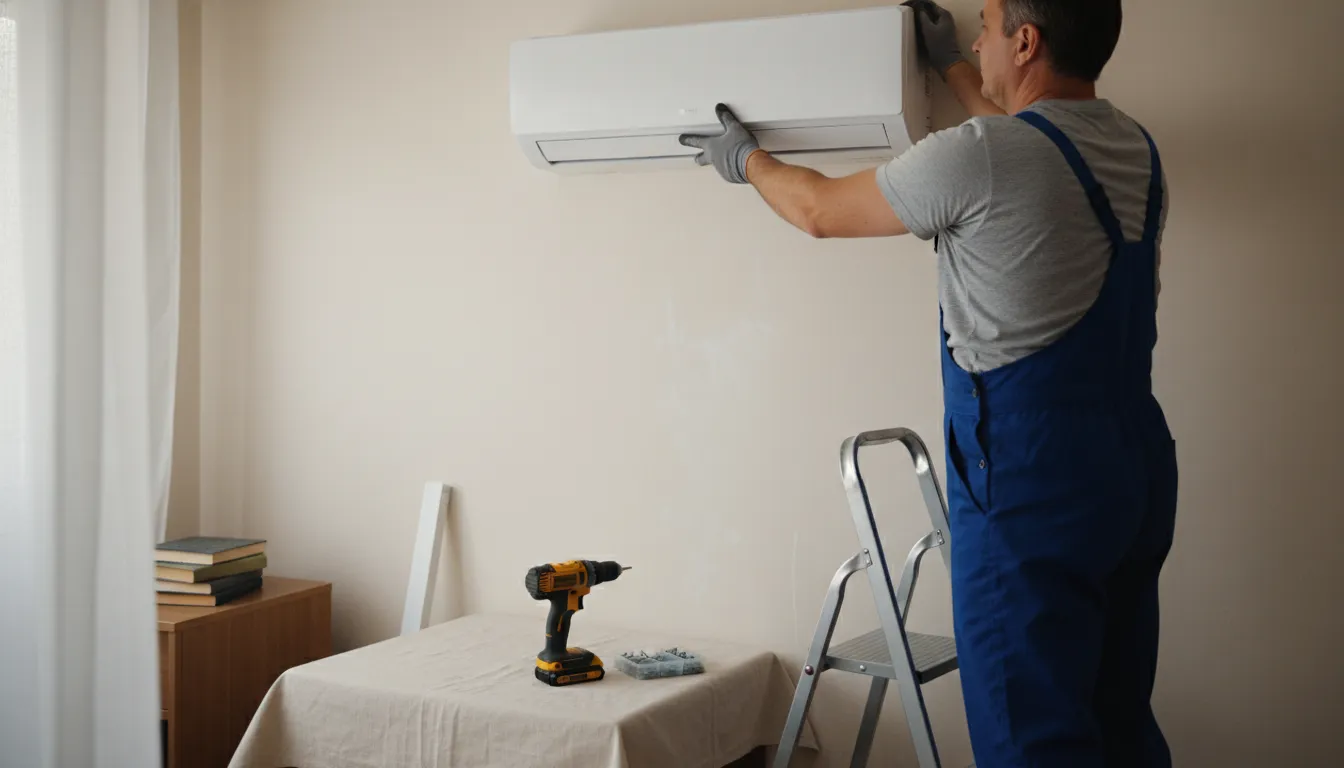
Find the Best AC Installation & Replacement Contractors for Your Business
No obligation • Fast responses • Nationwide coverage

Why you can trust HVAC Firms
HVAC Firms is a leading United States resource for evaluating HVAC service providers. Our team researches companies, checks credentials, and reviews customer feedback to present clear, unbiased information. Listings and rankings are based on merit, and companies cannot pay to change our editorial content.
Search providers near you
Top AC Installation & Replacement Contractors in Tucson, Arizona Ranked
Living in Tucson means relying on your air conditioning system for comfort and safety during the long, intense desert summers. When your existing system fails or becomes too inefficient, a professional AC installation or replacement is a critical home investment. This guide explains the key considerations for Tucson homeowners, from proper system sizing and the installation process to understanding costs and efficiency ratings, helping you make an informed decision when selecting a local service provider.
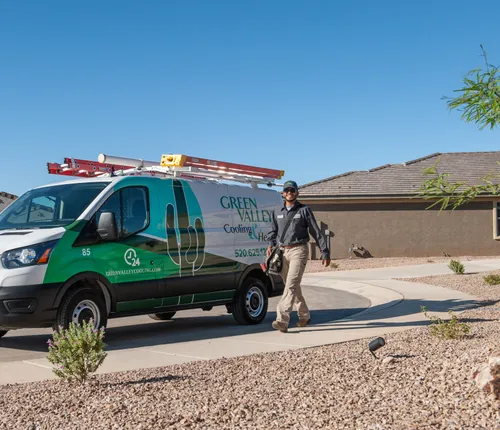
Green Valley Cooling & Heating
645 W Ward Ln, Green Valley, AZ 85614
Green Valley Cooling & Heating is an HVAC company serving Tucson, AZ, and surrounding communities including Green Valley, Sahuarita, and Vail. They provide a wide range of services including air conditioning and heating installation, repair, and maintenance, as well as duct cleaning and indoor air quality solutions. The company is a Certified Daikin Comfort Pro Dealer and offers expertise in energy-efficient upgrades and whole-home comfort systems. Established in 1968, Green Valley Cooling & Heating has over fifty years of experience in the industry. Their licensed and insured technicians are available 24/7 for emergency repair services.

Temperature Control, Inc. A/C-Heating & Plumbing - Oro Valley, AZ
7445 N Oracle Rd Suite 101, Tucson, AZ 85704
Temperature Control, Inc. A/C-Heating & Plumbing - Oro Valley, AZ is a full-service home comfort provider serving Tucson, AZ. Established in 1982, the company offers a wide range of HVAC services including air conditioning, furnace, heat pump, and mini split installation and repair, as well as HVAC tune-ups. Their licensed technicians provide reliable plumbing and electrical solutions alongside HVAC services. Temperature Control is known for its comprehensive maintenance plans and 24/7 support to ensure home comfort year-round.
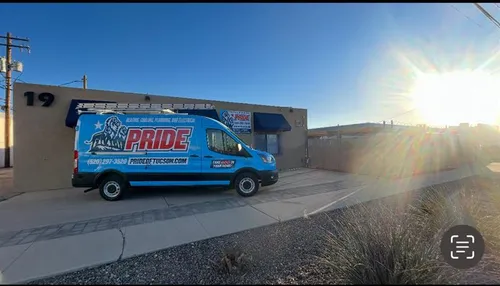
Pride Heating, Cooling, Plumbing and Electrical
19 W Ventura St, Tucson, AZ 85705
Pride Heating, Cooling, Plumbing and Electrical is a full-service home service company based in Tucson, AZ. Since 2010, they have provided HVAC installation, repair, and tune-up services along with plumbing and electrical work across Southern Arizona. Their team handles air conditioning, furnace, and heat pump systems, offering comprehensive solutions to maintain and improve home comfort. The company serves Tucson and surrounding communities including Catalina, Oro Valley, and Sierra Vista, among others.
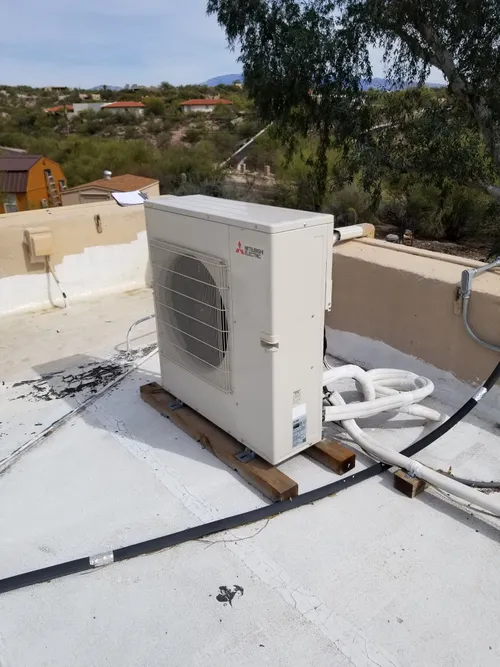
Nichols Air Conditioning Specialists
4250 N Bear Canyon Rd, Tucson, AZ 85749
Nichols Air Conditioning Specialists is an HVAC company based in Tucson, AZ, providing installation, repair, replacement, and maintenance services for heating and cooling systems. Their services cover air conditioning, mini splits, heaters, humidifiers, custom sheet metal work, and commercial and residential HVAC needs. They emphasize quality installations using top-quality parts backed by a two-year workmanship warranty and offer same-day service for emergency repairs.
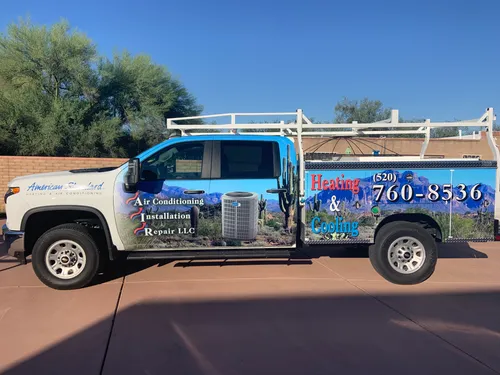
AIR
9180 E Walnut Tree Dr, Tucson, AZ 85749
AIR is a family-owned HVAC company based in Tucson, AZ, offering heating and cooling services including AC and furnace repair, installation, and tune-ups. With over 30 years of experience, they provide maintenance contracts and flat rate service fees to ensure transparent pricing. Their services cover timely and efficient HVAC system repairs and installations.
Understanding Proper AC Sizing for Tucson Homes
One of the most crucial steps in an air conditioner replacement is determining the correct system size, measured in tons or BTUs. An improperly sized unit-whether too large or too small-will lead to poor performance, higher energy bills, and reduced system lifespan. In Tucson's extreme heat, this calculation is especially important.
A general rule suggests a 1,500-2,000 square foot home might need a 2.5-ton (30,000 BTU) system, while a 2,000-2,400 square foot home may require approximately 2.8 tons (34,000 BTUs) 1 2. However, these are rough estimates. For typical Tucson homes, the required tonnage often falls between 3 and 5 tons, but this depends entirely on a detailed, home-specific assessment.
Professional contractors use a standardized Manual J load calculation to determine the precise size needed. This calculation factors in your home's square footage, insulation quality, window type and placement, sun exposure, and even the number of occupants. A west-facing home with large windows, for example, will have a greater cooling load than a well-shaded, insulated home of the same size. Relying on this professional calculation, not just your old unit's size, is essential for efficiency and comfort.
The Air Conditioner Installation Process
A full-system air conditioning installation is a multi-step project typically handled by licensed HVAC technicians over one to three days. Understanding the process can help you know what to expect.
- Home Assessment & Preparation: The process begins with a thorough inspection of your existing setup. Technicians will evaluate your ductwork for leaks or damage, check electrical service, assess insulation, and review your thermostat and refrigerant piping.
- System Selection: Based on the Manual J calculation and your budget, you'll choose a new unit. Key decisions include the brand, capacity (in tons), and SEER2 efficiency rating (Arizona's minimum standard is now 15 SEER2).
- Removal & Disposal: The old outdoor condenser and indoor evaporator coil are safely disconnected, with refrigerant recovered according to EPA regulations, and then removed from your property.
- New Unit Installation: The new condenser is placed on a stable pad, and the new evaporator coil is installed in your furnace or air handler. Technicians will connect new refrigerant line sets, electrical wiring, condensate drainage, and your thermostat. This stage may include necessary modifications to ductwork or electrical panels 3.
- Testing & Commissioning: Once installed, the system is charged with refrigerant, and all components are rigorously tested. Technicians check for proper airflow, refrigerant charge, electrical operation, and thermostat communication to ensure optimal performance 4.
Cost Breakdown for AC Replacement in Tucson
The total cost for a new air conditioning system in Tucson can vary widely based on system size, efficiency, and home complexity. The total price range for a full replacement is typically between $7,000 and $25,000+, inclusive of equipment and professional labor.
Here's a closer look at what influences the price:
- Equipment Efficiency (SEER2): This is a major cost driver. A basic system meeting the 15 SEER2 minimum may cost between $6,500 and $11,500. A mid-range 16 SEER2 unit often falls in the $10,000 to $13,000 range. High-efficiency models rated 17+ SEER2, which can save 20-40% on summer cooling bills, typically range from $13,000 to $17,000 or more 5.
- Cost Components: Roughly 50-60% of the total cost is for the equipment itself (condenser, coil, etc.). Labor accounts for 20-30%, and the remaining 10-20% covers permits, potential electrical upgrades, and ductwork modifications 6 7.
- Tucson Market Factors: The local market is competitive with many contractors, which can help moderate prices. However, demand peaks during the summer months, which can affect scheduling and potentially pricing.
Find the perfect ac installation & replacement contractors for your needs
Get personalized recommendations and expert advice
Key Features for Tucson's Climate
When selecting a new cooling system, certain features offer significant benefits in our desert environment.
- SEER2 Efficiency is Paramount: The SEER2 (Seasonal Energy Efficiency Ratio) rating measures cooling efficiency. Given Tucson's extended cooling season, investing in a higher SEER2 unit (e.g., 17+) translates to substantial long-term savings on your SRP or APS bills, often offsetting the higher upfront cost.
- Explore Heat Pumps and Rebates: Modern heat pumps provide highly efficient cooling and can also heat your home efficiently in milder winter weather. Local utilities like SRP and APS often offer rebates for installing high-efficiency heat pumps, making them a financially attractive and versatile option.
- Professional Sizing Non-Negotiable: As emphasized, insisting on a proper Manual J load calculation is not an upsell-it's a fundamental requirement for a system that will cool your home effectively without short-cycling or running incessantly 8.
Maintaining Your New AC System
After your new air conditioner is installed, proper maintenance is key to protecting your investment. Schedule annual professional tune-ups, typically in the spring before the summer heat arrives. A technician will clean coils, check refrigerant levels, inspect electrical components, and ensure the system is operating at peak efficiency. Homeowners should also regularly replace or clean the air filter (every 1-3 months), keep the outdoor condenser unit clear of debris and vegetation, and ensure interior vents are not blocked by furniture.
Frequently asked questions
Sources
Footnotes
-
New HVAC System Cost Calculator: Get a Custom Estimate in 2026 - https://modernize.com/hvac/cost-calculator ↩
-
What Size AC Unit Do I Need? [5 Pro Tips] - American Standard - https://www.americanstandardair.com/resources/blog/what-size-ac-unit-do-i-need/ ↩
-
What Does It Cost to Install a New AC System in Arizona? - https://www.brewersac.com/whats-the-cost-of-ac-installation-in-phoenix/ ↩
-
AC Unit Installation FAQ by Tucson Air Conditioning - https://www.tucsonazairconditioning.net/ac-installation-faq/ ↩
-
AC Replacement Cost in Arizona: What to Expect in 2025 - https://azhomeservices.group/ac-replacement-cost-in-arizona-what-to-expect-in-2025/ ↩
-
How Much Does It Cost to Replace an AC Unit in Arizona? - https://azcomfortexperts.com/blog/ac-replacement-cost-arizona/ ↩
-
How Much Does a New AC Unit Cost in AZ - https://www.idesignac.com/blog/hvac/how-much-does-a-new-ac-unit-cost-in-az ↩
-
What Size Air Conditioner is Best for Arizona? | Chas Roberts - https://www.chasroberts.com/what-size-air-conditioner-is-best-for-arizona/ ↩