Find the Best Mini-Split Installers for Your Business
No obligation • Fast responses • Nationwide coverage

Why you can trust HVAC Firms
HVAC Firms is a leading United States resource for evaluating HVAC service providers. Our team researches companies, checks credentials, and reviews customer feedback to present clear, unbiased information. Listings and rankings are based on merit, and companies cannot pay to change our editorial content.
Search providers near you
Top Mini-Split Installers in Texas City, Texas Ranked
Ductless mini-split systems offer a modern, efficient solution for heating and cooling homes and businesses in Texas City. These systems provide zoned comfort, allowing you to control the temperature in individual rooms or areas, which is ideal for managing our local climate and reducing energy waste. This guide explains what ductless mini-split installation involves, where it works best, and the key factors Texas City homeowners should consider to find the right local professional for their project.

Priority AC & Heat
846 Wavecrest Ln, Houston, TX 77062
Priority AC & Heat is a family-owned HVAC company serving Houston, TX, and the greater Houston Bay Area since 2011. They offer a full range of air conditioning and heating services, including installation, repair, and maintenance for air conditioners, heat pumps, furnaces, and indoor air quality products. Their certified technicians provide 24-hour emergency repair services year-round, covering areas such as Alvin, Baycliff, Clear Lake, Deer Park, Friendswood, and more. One notable capability is their installation of the REME HALO whole home air purification system, which integrates with existing HVAC systems to reduce bacteria, mold, and viruses throughout the home.
Victory Comfort Solutions
806 Ste h, Anders Ln on, Kemah, TX 77565
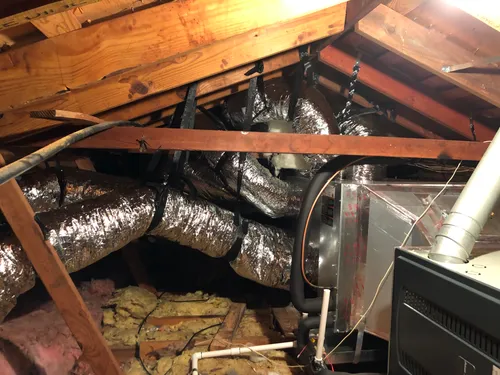
Victory Comfort Solutions provides cooling, heating, and indoor air quality services in Houston, TX. They handle installations, repairs, and tune-ups for AC units, mini-splits, furnaces, heat pumps, and package units. The company also offers geothermal repairs and specializes in air filtration, UV, and humidification systems to improve indoor air quality. Additionally, Victory Comfort Solutions works on HVAC retrofits for residential and commercial properties.
A-Team's A/C & Heating, LLC
3734 Magnolia Ridge, League City, TX 77573
A-Team's A/C & Heating, LLC is a licensed HVAC contractor serving Houston, TX, and surrounding counties including Galveston, Harris, and Brazoria. They provide residential and commercial heating and air conditioning services, including installation, repair, and maintenance of air conditioners, furnaces, heat pumps, boilers, mini split systems, and geothermal heat pumps. The company also offers indoor air quality services such as duct cleaning, air duct sealing, and installation of air cleaners and humidifiers. As an American-Standard® dealer, they supply a wide range of comfort equipment and specialize in system customization. With 24/7 emergency service availability, A-Team's A/C & Heating supports customers with trained technicians and extended service agreements to maintain system performance.
Minisplits Houston
Galveston Rd, Houston, TX 77034
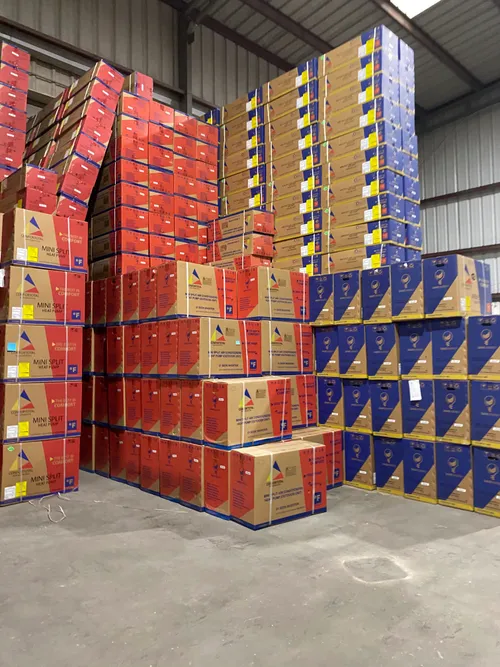
Minisplits Houston is an HVAC company serving Houston, TX, specializing in the installation, repair, and maintenance of mini splits, central AC, and refrigeration systems for residential and commercial customers. The company offers 24/7 availability and works with all major HVAC brands, providing services such as HVAC tune-ups and refrigeration repairs. With decades of experience, Minisplits Houston emphasizes honest work, fair pricing, and adherence to industry standards.
Understanding Ductless Mini-Split Systems
A ductless mini-split, often simply called a ductless AC or mini-split, is a versatile heating and cooling system. Unlike traditional central HVAC that uses extensive ductwork, a mini-split has two main components: an outdoor condenser/compressor and one or more indoor air-handling units. These are connected by a small conduit housing refrigerant lines, a power cable, and a condensate drain line, which only requires a roughly 3-inch hole through the wall. This design eliminates the energy losses associated with ductwork, which can be significant, especially in unconditioned spaces like attics.
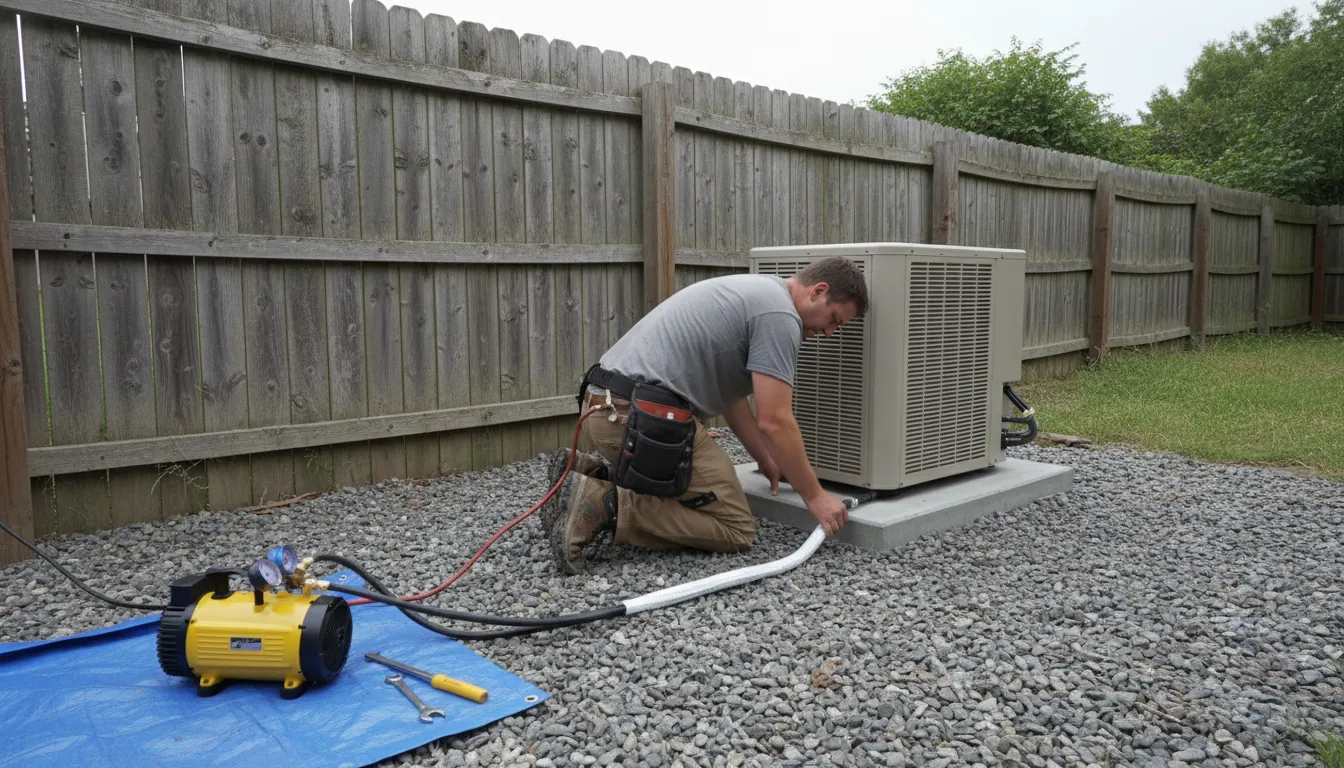
The installation process is precise and should always be handled by a certified technician. It involves selecting optimal locations for both indoor and outdoor units, securely mounting them, connecting the refrigerant lines, performing a pressure test, and vacuuming the system to remove any moisture and air-a critical step for long-term performance and efficiency.
Ideal Applications for Mini-Splits in Texas City Homes
Ductless systems are a perfect fit for many common scenarios in Texas City residences, particularly where extending or installing new ductwork is impractical or prohibitively expensive.
- Room Additions & Conversions: Adding a ductless unit is the most efficient way to condition a new sunroom, garage workshop, converted attic, or home addition without the major renovation needed for ductwork 1.
- Solving Problem Areas: Does your upstairs bedroom stay too warm? Is your home office over the garage always uncomfortable? A mini-split provides targeted cooling and heating to solve these specific hot or cold spots 2.
- Whole-Home Zoning: For larger homes or those without existing ducts, a multi-zone ductless system can provide comprehensive, room-by-room climate control. This is often more efficient than a single central system trying to cool the entire floor plan uniformly 3.
Types of Ductless Systems: Single-Zone vs. Multi-Zone
Choosing between a single-zone and multi-zone system is one of the first decisions you'll make with your installer.
- Single-Zone Systems: This setup consists of one outdoor unit connected to one indoor unit. It's the most straightforward and cost-effective option for conditioning a single space, such as a master bedroom, garage, or living area 4.
- Multi-Zone Systems: A single outdoor condenser can be connected to multiple indoor air handlers (typically 2 to 4+). This allows you to independently control the temperature in different zones-like individual bedrooms, a living room, and a kitchen-from one powerful outdoor unit 5. This provides whole-home comfort with the benefits of zoning and can be more aesthetically pleasing than having multiple outdoor units.
Selecting and Placing Your Indoor Air Handler
The style of indoor unit affects both aesthetics and performance. Your installer will help you choose the best type for your space and usage patterns.
- Wall-Mounted Units: The most common and generally most affordable option. They are mounted high on a wall for optimal airflow distribution across a room. They work well in most residential settings, from bedrooms to open living areas.
- Ceiling Cassette Units: These are recessed into the ceiling, offering a very sleek, low-profile look. They distribute air in four directions for even coverage. Installation is more complex, often involving ceiling drywall work, which can increase the project cost 6 7.
- Floor-Mounted Units: These are installed near the baseboard and are an excellent solution for rooms with low walls, limited wall space, or in applications like sunrooms with extensive glass.
Regardless of type, placement is critical. Units should be positioned where airflow won't be obstructed by furniture or curtains, and where the filters are easily accessible for regular cleaning 8.
Outdoor Unit Placement and Requirements
The outdoor condenser requires careful placement for efficiency, longevity, and minimal noise disruption.
- Stable Foundation: The unit must be placed on a stable, level surface. This is typically a concrete pad or a specially designed mounting bracket attached to the side of the home.
- Adequate Clearance: Proper airflow is essential for the unit to expel heat. Installers will ensure there is sufficient clearance (usually 1-2 feet) from walls, fences, shrubs, and other debris that could block ventilation 9 10.
- Accessibility: While it should be somewhat discreet, the unit needs to remain accessible for future maintenance and service.
Find the perfect mini-split installers for your needs
Get personalized recommendations and expert advice
Understanding Installation Costs in Texas City
The cost for a ductless mini-split installation in Texas City varies based on system complexity, efficiency, and the specifics of your home. Here's a general breakdown to help you budget:
- Single-Zone System: For one indoor unit cooling one room or area, homeowners can expect costs generally ranging from approximately $3,000 to $8,000 or more. The final price depends on the unit's capacity (BTUs), its efficiency rating, and the complexity of the installation labor.
- Multi-Zone System: Installing a system with 2-3 indoor zones typically ranges from $5,500 to $14,000+ 11. The cost scales with the number of indoor units, the length of refrigerant line sets, and the electrical requirements.
Key factors influencing these costs include:
- SEER2 Rating: Higher-efficiency units (with a higher SEER2 rating) cost more upfront but offer greater long-term energy savings, a crucial consideration for Texas summers.
- Brand & Features: Premium brands and units with advanced inverter technology (for quieter, more efficient operation) command higher prices.
- Installation Complexity: If the installation requires new electrical circuits, significant carpentry for ceiling cassettes, or complex routing of lines, labor costs will increase. Adding a dedicated electrical circuit can add $250 or more to the project 12 13.
Why Mini-Splits Excel in the Texas Climate
Ductless systems are particularly well-suited for the hot and humid climate of the Texas Gulf Coast. Their high efficiency (SEER ratings often above 20) directly translates to lower electricity bills during long cooling seasons 14. The inverter technology allows the compressor to run at variable speeds, maintaining a steady temperature without the constant on/off cycling of traditional systems, which enhances comfort and efficiency. Furthermore, many modern mini-splits offer effective dehumidification, improving indoor air comfort during our muggy months 14.
While the initial investment for a ductless mini-split can be higher than a window unit or extending ducts, the long-term energy savings, increased home comfort, and potential boost to property value often provide an excellent return. A professional installation by a qualified Texas City technician is non-negotiable-it ensures the system is correctly sized, properly charged, and installed to manufacturer specifications, safeguarding your investment and its promised performance 15.
Frequently asked questions
Sources
Footnotes
-
Why is a Garage Mini Split the Ideal Heating and Cooling Solution? - https://www.bryant.com/en/us/products/ductless-systems/garage-mini-split/ ↩
-
4 Ideal Places to Install a Mini-Split System - https://www.airconditioningtallahassee.com/articles/560 ↩
-
How Much Does It Cost To Install A Ductless Mini Split? | TX - https://beyerairconditioningheating.com/cost-to-install-a-ductless-unit/ ↩
-
Professional Mini-Split Installation Services in North Texas - https://gracoac.com/mini-split/installation ↩
-
Multi Zone Mini Split | Dual Zone Ductless Mini Splits - https://www.bryant.com/en/ca/products/ductless-systems/multi-zone-mini-split/ ↩
-
How Much Does a Mini-Split Installation Cost? - Taskrabbit Blog - https://www.taskrabbit.com/blog/mini-split-installation-cost/ ↩
-
Ductless Mini-Splits: A Comprehensive Cost Breakdown - https://www.myfivestarhomeservices.com/ductless-mini-splits-a-comprehensive-cost-breakdown/ ↩
-
Ductless mini-split installation: Cool 2025 Guide - Southern Air - https://www.southern-air.com/blog/ductless-mini-split-installation ↩
-
Ductless Mini Split Setup: An Ultimate Guide - Airflow Heating & Air - https://www.goairflow.com/blog/ductless-mini-split-installation/ ↩
-
Ductless Mini Split Installation Guide for Texas Homes - https://colleyrefrigeration.com/ductless-mini-split-installation-guide-texas/ ↩
-
Ductless Mini-Split Installation Cost in 2025: Full Breakdown - https://osborneheatingncooling.com/ductless-mini-split-installation-cost/ ↩
-
How Much Does It Cost to Install a Mini-Split? [2026 Data] | Angi - https://www.angi.com/articles/how-much-does-it-cost-install-ductless-mini-split-ac.htm ↩
-
Average Cost of Ductless Mini Split Installation in Hedwig ... - https://swattx.com/what-is-the-average-cost-of-ductless-mini-split-installation-in-hedwig-village-tx/ ↩
-
The Benefits of Ductless Mini-Split Systems for Texas Homes - https://mansfieldtxplumbing.com/the-benefits-of-ductless-mini-split-systems-for-texas-homes/ ↩ ↩2
-
Ductless Mini Split Installation Costs in 2026 - Carrier - https://www.carrier.com/residential/en/us/products/ductless-mini-splits/ductless-mini-split-installation-cost/ ↩