Find the Best Mini-Split Installers for Your Business
No obligation • Fast responses • Nationwide coverage

Why you can trust HVAC Firms
HVAC Firms is a leading United States resource for evaluating HVAC service providers. Our team researches companies, checks credentials, and reviews customer feedback to present clear, unbiased information. Listings and rankings are based on merit, and companies cannot pay to change our editorial content.
Search providers near you
Top Mini-Split Installers in Conroe, Texas Ranked
A ductless mini-split system is a versatile and efficient solution for heating and cooling specific areas of your home. These systems are perfect for room additions, sunrooms, or older homes without existing ductwork, providing targeted comfort where you need it most. This guide will help you understand the process, benefits, and key considerations for installing a mini-split in Conroe, empowering you to make an informed decision and connect with qualified local professionals.
EZ Comfort Air Conditioning & Heating
7575 Charpiot Ln, Humble, TX 77396
EZ Comfort Air Conditioning & Heating is an HVAC and electrical service provider based in Houston, TX, serving Atascocita, Humble, and the broader Harris County area. Since 2013, they have offered a range of services including air conditioning, heating, heat pump, and mini split installation and repair, as well as indoor air quality solutions and electrical work. Their team is licensed and insured, providing comprehensive diagnostics and repairs tailored to the local climate. EZ Comfort also offers emergency and same-day services with 24/7 availability, backed by warranties on labor and installations to ensure lasting performance.
Easco Air Conditioning and Heating
2001 Timberloch Pl #500, The Woodlands, TX 77380
Easco Air Conditioning and Heating is a full-service HVAC company serving Houston, TX, and the surrounding Conroe area. They offer installation, repair, and maintenance for air conditioners, furnaces, heat pumps, mini splits, and geothermal heat pump systems. As a certified Lennox and Armstrong Pro Dealer, they handle all makes and models, including WaterFurnace geothermal systems. Established in 1982, Easco has over 40 years of experience in residential, commercial, and industrial HVAC services. They provide 24/7 emergency service to address urgent heating and cooling needs.
EASCO AC Heating Air Quality
2815 Montgomery Rd, Huntsville, TX 77340
EASCO AC Heating Air Quality is a full-service HVAC company serving Houston, TX. They offer a range of heating and cooling services including AC and furnace repair, installation of HVAC systems and mini splits, as well as indoor air quality solutions. With over 30 years of experience, EASCO provides expertise in maintaining comfortable and safe indoor environments. They also offer 24/7 emergency service to address urgent heating or cooling issues promptly.
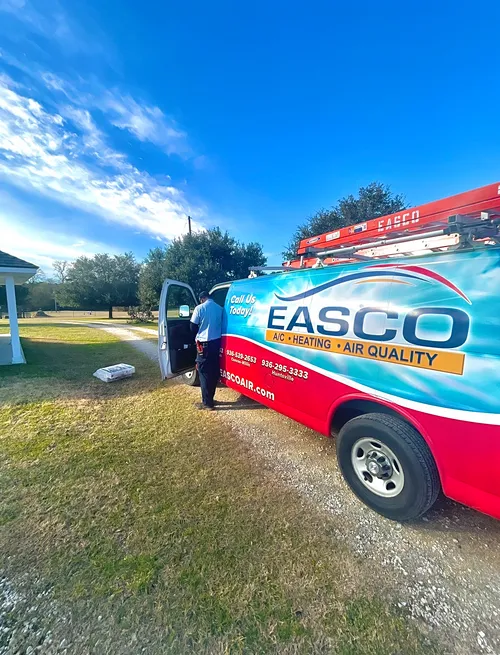
Easco Air Conditioning and Heating
16809 TX-75, Willis, TX 77378
Easco Air Conditioning and Heating is a full-service HVAC company serving Houston, TX. They provide installation, repair, and maintenance for air conditioning, furnaces, heat pumps, mini splits, and geothermal heat pump systems. As a certified Lennox and Armstrong Pro Dealer, they handle all makes and models, including WaterFurnace geothermal systems. With over 30 years of experience since 1982, Easco offers 24/7 emergency service to address heating and cooling needs any time of day or night.
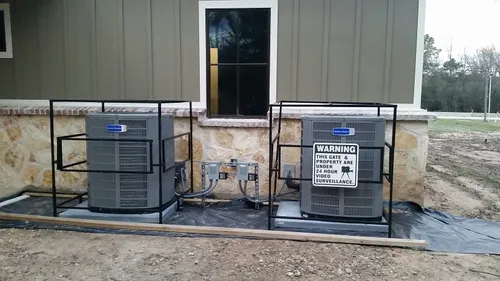
Air Pro
10010 Gilson Ln, Houston, TX 77086
Air Pro is a mini split installation contractor based in Houston, TX. They specialize in installing ductless mini-split air conditioning systems, which are well suited for the warm Texas Gulf Coast climate. These systems provide both cooling and heating by using heat pump technology, allowing independent temperature control for different rooms without the need for complex ductwork. Air Pro focuses on efficient installation and energy-saving solutions for large or high-demand spaces.
What is a Ductless Mini-Split System?
A ductless mini-split, often simply called a ductless AC or mini-split heat pump, consists of two main components: a compact outdoor condenser unit and one or more sleek, wall-mounted indoor air handlers. Unlike traditional central air systems, they don't require extensive ductwork. Instead, a small conduit-housing refrigerant lines, electrical wiring, and a condensate drain-connects the units through a modest 3-inch hole in your wall. This design makes them an ideal retrofit option for many Conroe homes, especially those built without ducts.
The core appeal of a ductless installation is its ability to create "zones" of comfort. You can independently control the temperature in different rooms, cooling a home office during the day without wasting energy on an empty living room. This zoned approach is a game-changer for energy efficiency and personalized comfort 1.
Why Choose Mini-Split Installation for Your Conroe Home?
Conroe's hot and humid climate makes efficient cooling a necessity. Ductless systems offer several advantages perfectly suited to local needs.
- Energy Savings: By conditioning only the rooms you're using, mini-splits avoid the energy losses associated with ductwork, which can account for more than 30% of energy consumption in a central system 2. This targeted operation can lead to significant savings on your utility bills, a crucial benefit during long Texas summers.
- Flexible Installation: They are the premier choice for home additions, converted garages, sunrooms, or standalone structures like workshops. If your older Conroe home lacks ducts, a ductless system provides a modern comfort solution without the massive renovation required to install ducts.
- Improved Indoor Air Quality: Without ductwork, there's no network for dust, allergens, and mold to accumulate and circulate throughout your home. Many indoor units also feature multi-stage filtration to further clean the air.
- Quiet Operation: The noisiest component, the condenser, is located outside. The indoor air handlers operate very quietly, allowing for peaceful comfort in bedrooms and living areas.
Understanding Single-Zone vs. Multi-Zone Systems
Your first major decision is choosing between a single-zone or multi-zone configuration. This choice directly impacts both the project scope and cost.
- Single-Zone Systems: This setup involves one outdoor condenser connected to one indoor air handler. It's designed to heat and cool one specific area, like a new master suite addition or a garage apartment. It's the most straightforward and typically most affordable type of ductless installation 3.
- Multi-Zone Systems: A single, more powerful outdoor unit can connect to multiple indoor units (typically 2 to 5). This allows you to control the temperature in several different rooms or zones independently from one outdoor condenser. It's an excellent solution for cooling an entire floor of a home or multiple specific rooms, like bedrooms, without needing multiple outdoor units cluttering your yard.
Find the perfect mini-split installers for your needs
Get personalized recommendations and expert advice
The Professional Installation Process: What to Expect
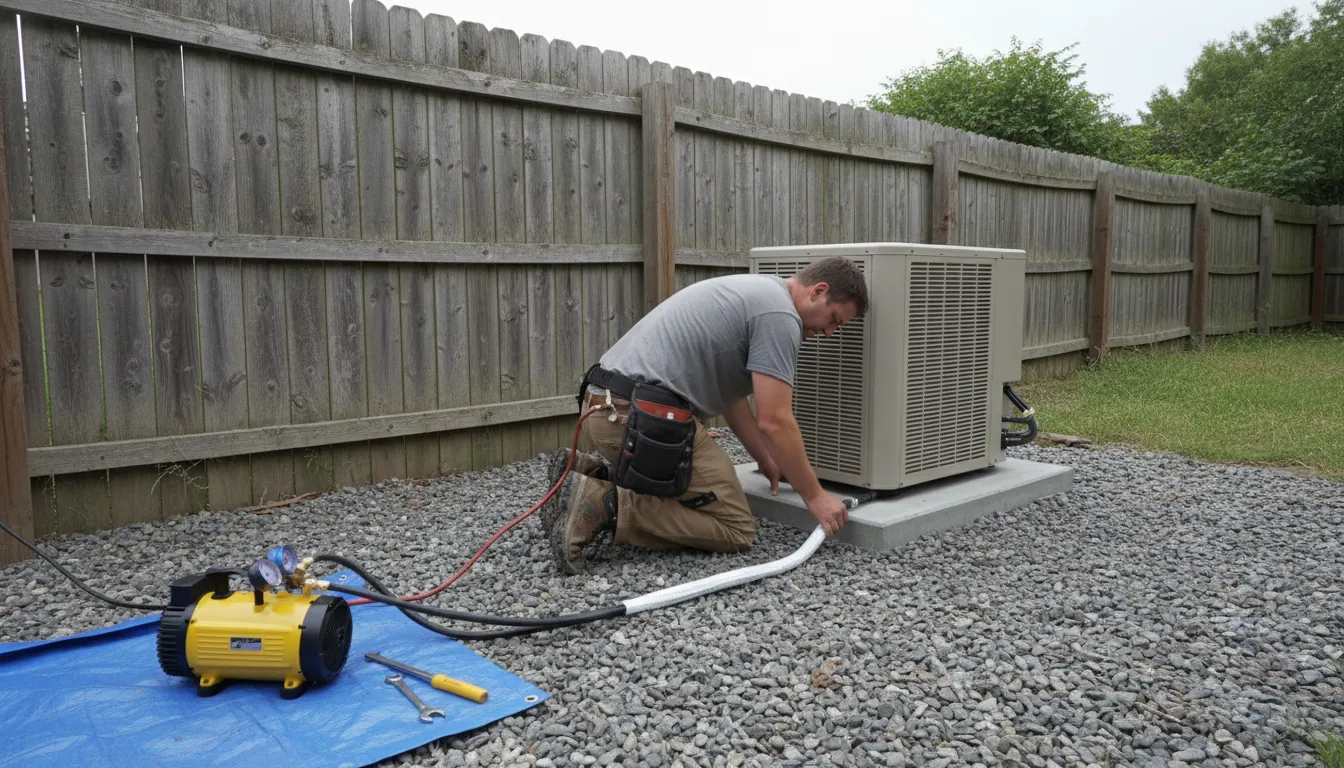
A proper ductless mini-split installation is not a typical DIY project. It requires handling refrigerants (mandating EPA certification), precise electrical work, and system commissioning to ensure performance and protect your warranty. Here's how a professional installation typically unfolds:
- Site Evaluation and Planning: A technician will assess your space to determine the ideal location for both the indoor and outdoor units, considering airflow, aesthetics, and accessibility for maintenance.
- Indoor Unit Placement: The wall-mounted indoor unit is installed on a bracket, typically positioned at least 6 feet high on an interior wall to allow for optimal air distribution. It requires clear space around it for unobstructed airflow.
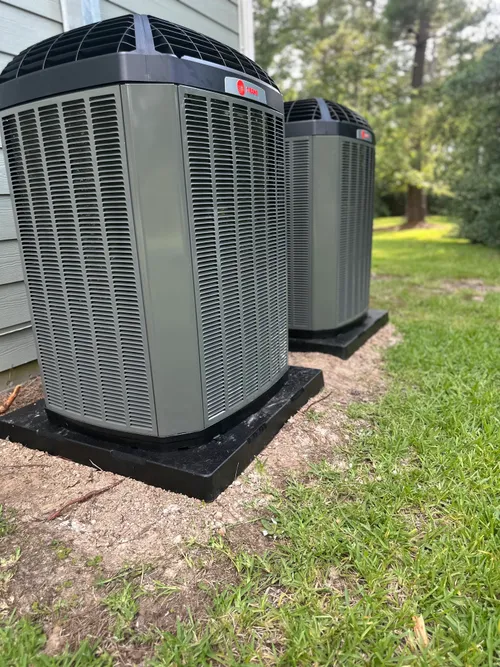
- Outdoor Unit Placement: The condenser is placed on a stable, level surface-usually a concrete pad or specially rated mounting brackets-with adequate clearance (often 1-2 feet) on all sides for proper airflow and service access.
- Making the Connection: A small hole is carefully drilled through the exterior wall. The conduit containing the refrigerant lines (which must be carefully flared and connected), power cable, and drain line is run between the two units and sealed 4.
- Electrical Connection: The system is connected to your home's electrical panel. Some installations may require a new dedicated circuit or a minor electrical upgrade.
- System Commissioning: This is the critical professional step. The technician will pressure-test the refrigerant lines, pull a deep vacuum to remove any moisture and non-condensables, and then charge the system with the exact amount of refrigerant specified by the manufacturer. Finally, they will test all modes of operation to ensure everything is working efficiently.
Key Factors Influencing Mini-Split Installation Cost in Conroe
The cost for a ductless mini-split installation in Conroe can vary widely based on several factors. While a basic single-zone system can start in the range of $2,000 to $5,000+ for equipment and professional installation, a multi-zone system for 2-3 zones often ranges from $6,000 to $12,000+ 5 6 7 8. Here's what drives the final price:
- Number of Zones and Capacity: Adding more indoor units (zones) and requiring a larger outdoor condenser capacity increases the equipment and labor cost.
- System Efficiency (SEER2 Rating): Higher-efficiency models with superior SEER2 ratings cost more upfront but offer greater long-term energy savings, a valuable trade-off in our climate.
- Brand and Features: Premium brands and units with advanced features like Wi-Fi controls, sophisticated filtration, or ultra-quiet operation command higher prices.
- Installation Complexity: The difficulty of running the line set (e.g., through a finished attic or multiple stories), the need for a new electrical circuit, or special mounting requirements for the outdoor unit can add to labor costs.
- Site Preparation: Pouring a new concrete pad for the outdoor unit, adding a protective cover or stand, or repairing drywall can be additional line items.
Choosing the Right Location for Your Units
Placement is crucial for performance, efficiency, and longevity.
- Indoor Air Handler: Avoid direct sunlight from windows and areas behind large furniture. Install it on an interior wall where cooled air can circulate freely across the room. Keep it away from sources of heat or steam, like kitchens and bathrooms 9.
- Outdoor Condenser: Place it on a stable, level surface with maximum airflow clearance. It should be in a shaded location if possible, away from dryer vents or grills that could blow debris or hot air into the unit. Ensure it's accessible for annual maintenance 10.
Maintaining Your Ductless System
To keep your system running efficiently for years, simple maintenance is key. Regularly clean the reusable filters in the indoor units (usually every few weeks during peak season). Ensure the outdoor condenser remains clear of leaves, grass clippings, and debris. While homeowners can handle these tasks, scheduling an annual professional tune-up is recommended to check refrigerant levels, electrical connections, and overall system health 11.
Frequently asked questions
Sources
Footnotes
-
Zoned Systems - https://mountainhousemechanical.com/blog/zoned-systems/ ↩
-
Ductless Mini Split Installation Guide for Texas Homes - https://colleyrefrigeration.com/ductless-mini-split-installation-guide-texas/ ↩
-
Mini-Split Systems Conroe, TX | Luxury Air A/C & Heating - https://luxuryairtx.com/mini-split-systems ↩
-
Conroe Ductless Mini Split Air Conditioner Installation - https://www.eascoair.com/conroe-ac/ductless-mini-split-systems/ ↩
-
Ductless mini-split installation: Cool 2025 Guide - Southern Air - https://www.southern-air.com/blog/ductless-mini-split-installation ↩
-
Install Your Own Mini Split AC and Save Big - https://www.acsuperheroestx.com/blog/ductless-ac-installation ↩
-
How Much Does It Cost to Install a Mini Split System? - https://elementairco.com/how-much-does-it-cost-to-install-a-mini-split-system/ ↩
-
Ductless Mini-Split Installation Cost in 2025: Full Breakdown - https://osborneheatingncooling.com/ductless-mini-split-installation-cost/ ↩
-
Best Mini Split AC Installation Location - Carrier - https://www.carrier.com/residential/en/us/products/ductless-mini-splits/install-ductless-ac/best-mini-split-placement/ ↩
-
Ductless Mini Split Setup: An Ultimate Guide - Airflow Heating & Air - https://www.goairflow.com/blog/ductless-mini-split-installation/ ↩
-
Ductless & Mini Split AC Services In Conroe, TX - https://www.airtechofconroe.com/air-conditioning/ductless-ac/ ↩