Find the Best Mini-Split Installers for Your Business
No obligation • Fast responses • Nationwide coverage

Why you can trust HVAC Firms
HVAC Firms is a leading United States resource for evaluating HVAC service providers. Our team researches companies, checks credentials, and reviews customer feedback to present clear, unbiased information. Listings and rankings are based on merit, and companies cannot pay to change our editorial content.
Search providers near you
Best Mini-Split Installers in Oregon Ranked
Installing a ductless mini-split system is a smart way to add efficient, zoned heating and cooling to your Oregon home. These systems are particularly well-suited for homes without existing ductwork, such as additions, converted spaces, or older properties. Choosing the right installation is crucial, as proper setup directly impacts performance, efficiency, and your eligibility for significant state and federal financial incentives. This guide will help you understand the key requirements, best practices, and available support for finding qualified professionals to handle your project.

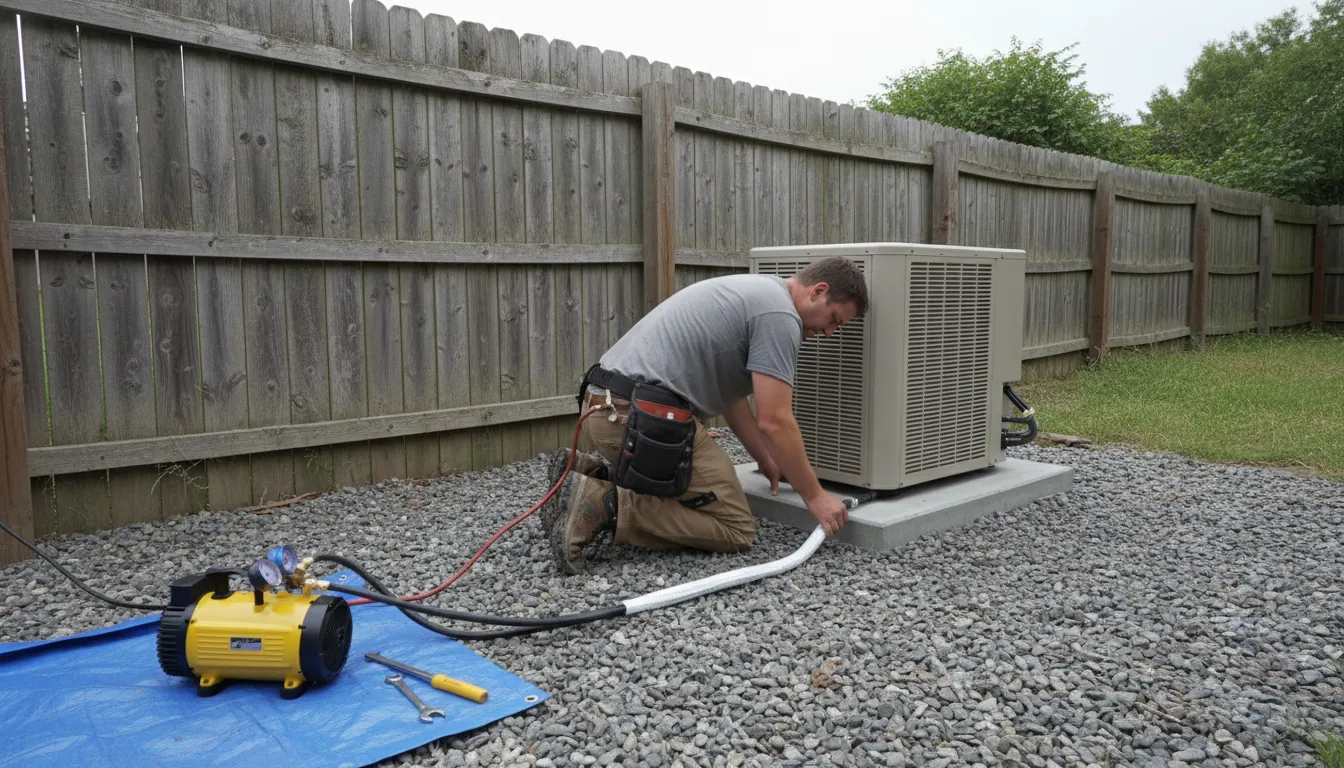
Central Air Heating, Cooling & Plumbing
11640 SW Corby Dr #5, Portland, OR 97225
Central Air Heating, Cooling & Plumbing is a Portland, OR-based company providing heating, cooling, plumbing, and indoor air quality services. Since 2001, they have offered installation, repair, and maintenance for central air conditioners, ductless mini splits, furnaces, and heat pumps. Their services include HVAC tune-ups, air balancing, air purifier installation, and plumbing repairs. The company emphasizes trained technicians and offers a comprehensive HVAC service plan to help maintain system efficiency and reduce breakdowns. They also provide plumbing solutions such as water heater and garbage disposal installation. Central Air Heating, Cooling & Plumbing guarantees repairs lasting at least three years and serves Portland homeowners with a broad range of home comfort needs.
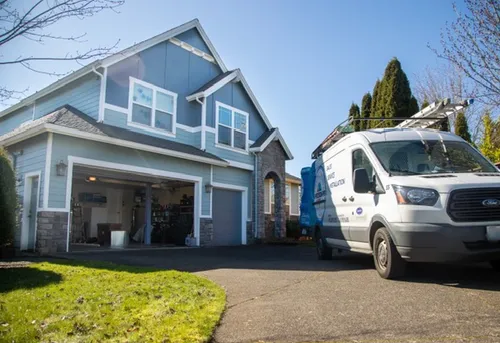
Precision Heating & Cooling
3128 E Evergreen Blvd Ste A, Vancouver, WA 98661
Precision Heating & Cooling provides heating and cooling repair, maintenance, and installation services in Portland, OR. They serve homes and businesses with a range of HVAC solutions including furnaces, heat pumps, air conditioning systems, and ductless mini-splits. The company offers equipment replacement, tune-ups, and maintenance plans, with after-hours emergency service available. Their team assists customers in selecting efficient systems and handles all brands and types of HVAC equipment.
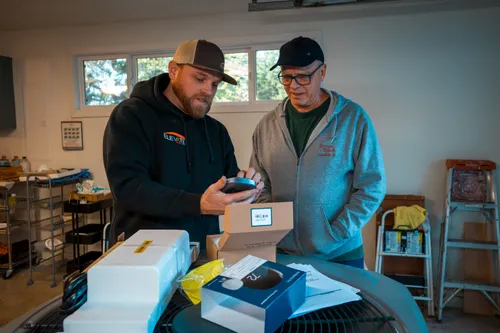
Elevate Heating & Cooling, Inc
5445 NE Century Blvd, Hillsboro, OR 97124
Elevate Heating & Cooling, Inc is a family-owned HVAC company serving Portland, OR and the surrounding greater Portland Metro Area. They offer a wide range of heating and cooling services including installation, repair, maintenance, and tune-ups for air conditioners, furnaces, heat pumps, and ductless mini-split systems. The company emphasizes energy-efficient equipment and thorough workmanship, with the owner personally overseeing each job to ensure quality. Elevate Heating & Cooling is licensed and insured and serves multiple nearby communities including Hillsboro, Beaverton, and Forest Grove.
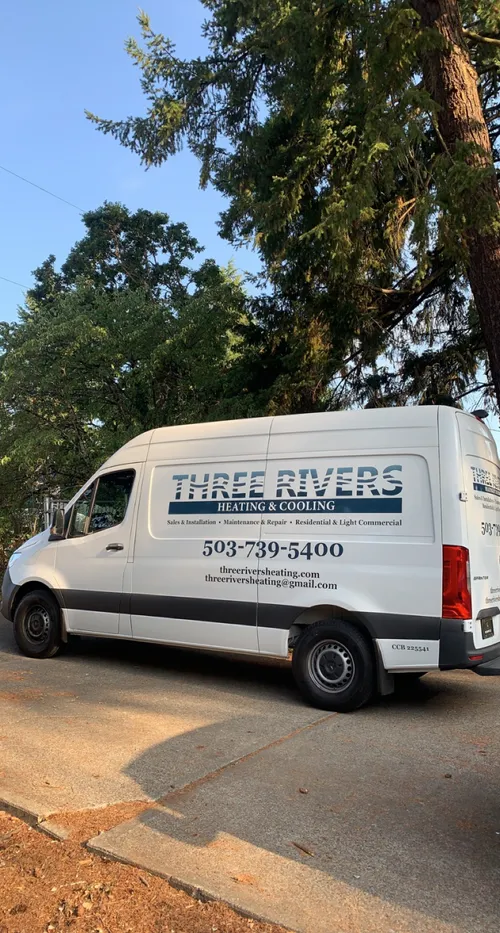
Three Rivers Heating and Cooling
14710 SE Lee Ave, Portland, OR 97267
Three Rivers Heating and Cooling is an HVAC company based in Portland, OR, offering a range of heating and cooling services. They specialize in air conditioning and furnace repair and installation, heat pump and mini split system installation, and indoor air quality services. As an authorized dealer of Lennox, Mitsubishi, and Trane, they provide expert installation and maintenance of these brands' HVAC systems. Their team is knowledgeable in handling these systems to help maintain efficient and comfortable indoor environments.
Mt. Hood Ductless
4120 SE International Way Suit #A107, Milwaukie, OR 97222
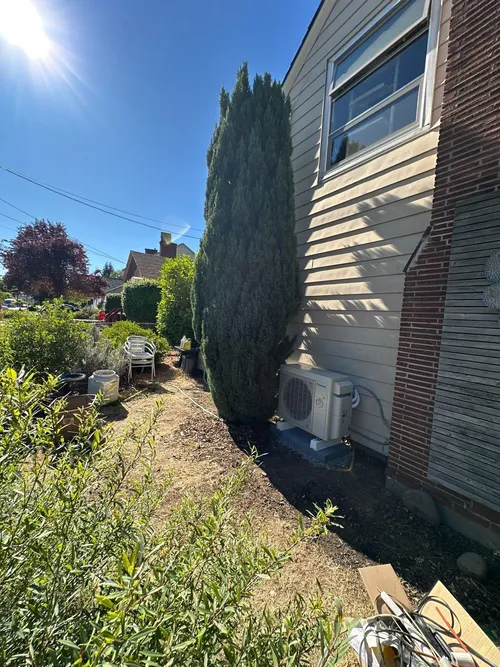
Mt. Hood Ductless is a Portland, OR-based company specializing in ductless heat pump installation, repair, and maintenance. They serve residential properties including single-family homes, condos, townhomes, and rental units, focusing on energy-efficient heating and cooling solutions. Their expertise includes installing Daikin ductless heat pump systems, offering single-zone, multi-zone, and whole-house options tailored to different home sizes and comfort needs. Mt. Hood Ductless emphasizes proper installation by qualified personnel to ensure system reliability and efficiency. They also provide ongoing support and repairs to maintain system performance. The company serves Portland and surrounding Clackamas County cities.
Understanding Oregon's Licensing and Efficiency Standards
In Oregon, installing a ductless heat pump is regulated work that must be performed by a licensed professional. This isn't just a formality-it's your primary protection against poor workmanship and ensures the system is installed to code.
Licensing Requirements: Any contractor performing this work must hold a current, active license from the Oregon Construction Contractors Board (CCB). They are also required to carry a bond and insurance. For homeowners seeking rebates, it's essential to use a contractor who is registered as an approved installer with programs like the Energy Trust of Oregon or the Oregon Department of Energy (ODOE). These programs pre-qualify contractors to ensure they meet specific training and quality standards 1.
Efficiency Benchmarks: To qualify for most rebates and incentives in Oregon, the installed mini-split equipment must meet or exceed specific federal efficiency ratings. As of the latest guidelines, systems typically need a Heating Seasonal Performance Factor 2 (HSPF2) of 8.1 or higher and a Seasonal Energy Efficiency Ratio 2 (SEER2) of 16 or higher2. Your contractor should be able to verify these ratings for the proposed equipment. Adhering to these standards not only secures financial incentives but also guarantees you're getting a high-performance system that will minimize your energy bills.
Key Considerations for a Successful Installation
A quality ductless mini-split installation goes beyond simply mounting units on the wall. Attention to detail during the installation process is what separates a good system from a great one that delivers decades of reliable comfort.
Professional Expertise is Non-Negotiable: While DIY kits exist, professional installation is strongly recommended. An experienced contractor understands how to properly size the system for your space, calculate the correct refrigerant charge, and ensure all electrical connections are made safely and to code. Poor installation is a leading cause of subpar performance, reduced efficiency, and premature system failure 3.
Critical Installation Best Practices:
- Mounting and Clearances: The outdoor condenser must be placed on a stable, level pad or mounting bracket. Using risers can aid in drainage and keep the unit above snow accumulation. Ample clearance (usually 24-36 inches) on all sides is required for proper airflow and service access 4.
- Line Set and Sealing: The refrigerant lines connecting the indoor and outdoor units must be carefully routed, supported, and insulated. All connections in the refrigerant circuit must be meticulously sealed to prevent leaks, which can drastically reduce system capacity and efficiency.
- Electrical Requirements: A dedicated electrical circuit with a proper shutoff must be installed by a qualified electrician to power the system. This is a critical safety and code requirement5.
- Indoor Unit Placement: The indoor air handler should be mounted on an interior wall, within the conditioned space of the home, and positioned to allow for unobstructed airflow across the room.
Find the perfect mini-split installers for your needs
Get personalized recommendations and expert advice
Navigating Financial Incentives and Rebates
One of the most compelling reasons to install a mini-split in Oregon now is the substantial financial assistance available. These incentives can reduce the upfront cost by thousands of dollars, making high-efficiency systems much more accessible.
Energy Trust of Oregon Rebates: For customers of participating utilities (like Portland General Electric, Pacific Power, NW Natural, and others), the Energy Trust offers instant rebates on qualifying ductless heat pump installations. These rebates are applied directly through an approved contractor and can amount to significant savings, sometimes over $3,000 depending on the system.
Oregon Department of Energy (ODOE) Programs: The state administers several programs:
- Oregon Heat Pump Program (OHPP): Provides rebates for heat pumps in single-family homes, including income-qualified tiers for deeper savings6.
- Oregon Rental Home Heat Pump Program: Offers specific incentives for installing heat pumps in qualified rental properties, helping landlords improve their units7.
- Federal Inflation Reduction Act (IRA) Tax Credit: This is a major national incentive. Homeowners can claim a tax credit for 30% of the project cost, up to $2,000, for the installation of a qualifying heat pump in their primary residence. It is critical to note that this federal credit is currently scheduled to expire at the end of 20258. This deadline makes planning your project soon a financially strategic move.
Understanding Costs: The total cost for a ductless mini-split installation in Oregon varies based on system size (number of indoor "heads"), brand, home layout, and labor complexity. A single-zone system might range from $3,500 to $6,500 or more before incentives. Multi-zone systems for whole-home comfort are correspondingly higher. The key takeaway is that the available rebates and tax credits can reduce your final out-of-pocket investment by 30-50% or more, improving the return on investment dramatically9 10 11.
Steps to Take for Your Oregon Mini-Split Project
- Find Approved Contractors: Start your search with the list of approved contractors provided by the Energy Trust of Oregon or ODOE. This immediately filters for licensed, vetted professionals who are familiar with incentive paperwork.
- Get Multiple Quotes: Obtain detailed written estimates from at least three different contractors. Quotes should include specific equipment model numbers (so you can verify efficiency ratings), a scope of work, a breakdown of costs, and information on the rebates they will process.
- Verify Credentials: Check each contractor's CCB license number online to confirm it is active and in good standing. Ask for proof of insurance.
- Plan for Incentives: Discuss the rebate process with your chosen contractor. For the federal tax credit, save all product specification sheets and your final invoice, as you will need them to claim the credit on your IRS Form 5695 when you file your taxes.
- Schedule Installation: Once you select a contractor, schedule the work. Be mindful of the federal tax credit deadline if you wish to take advantage of it.
Frequently asked questions
Sources
Footnotes
-
Residential Ductless Heat Pump Program - EWEB - https://www.eweb.org/rebates-and-savings/residential-incentives-rebates-loans-and-conservation/ductless-heat-pump ↩
-
Chapter 330 - Oregon Secretary of State Administrative Rules - https://secure.sos.state.or.us/oard/view.action?ruleNumber=330-260-0070 ↩
-
State of Oregon: Save Energy - Heating & Cooling - https://www.oregon.gov/energy/save-energy/Pages/heating-cooling.aspx ↩
-
2025 Biennial Oregon Heat Pump Report - https://www.oregon.gov/energy/Data-and-Reports/Documents/2025-Biennial-Oregon-Heat-Pump-Report.pdf ↩
-
Installation Checklist HVAC Ductless Heat Pumps | Portland.gov - https://www.portland.gov/bps/cleanenergy/documents/pcef-hvac-ductless-heat-pump-installation/download ↩
-
INCENTIVES - Oregon Heat Pump Purchase Program - https://www.oregon.gov/energy/Incentives/Pages/HP3.aspx ↩
-
Oregon Rental Home Heat Pump Program Guide - https://www.oregon.gov/energy/Incentives/Documents/ORHHP-contractor-reservation-guide.pdf ↩
-
State of Oregon: INCENTIVES - Home Energy Rebate Programs - https://www.oregon.gov/energy/Incentives/Pages/home-energy-rebates.aspx ↩
-
Cooling Solutions - Incentives - Residential - Energy Trust of Oregon - https://www.energytrust.org/residential/incentives/cooling-solutions ↩
-
How to Maximize Rebates & Tax Credits for HVAC Upgrades ... - https://addcox.com/how-to-maximize-rebates-tax-credits-for-hvac-upgrades-in-oregon/ ↩
-
Ductless Heat Pump Installation in Portland, OR - https://greensavers.com/ductless-heat-pump ↩