Find the Best Mini-Split Installers for Your Business
No obligation • Fast responses • Nationwide coverage

Why you can trust HVAC Firms
HVAC Firms is a leading United States resource for evaluating HVAC service providers. Our team researches companies, checks credentials, and reviews customer feedback to present clear, unbiased information. Listings and rankings are based on merit, and companies cannot pay to change our editorial content.
Search providers near you
Top Mini-Split Installers in Huntersville, North Carolina Ranked
Considering a ductless mini-split system for your Huntersville home? You're exploring one of the most versatile and efficient solutions for modern comfort. Ductless mini-split installation provides targeted heating and cooling, making it ideal for older homes without existing ductwork, room additions, or spaces with persistent hot or cold spots. This guide will help you understand the process, costs, and key considerations for adding a ductless system, so you can confidently connect with qualified local professionals to assess your needs.
Ductless systems, often called mini-splits, solve specific climate control problems by creating independent zones. This is perfect for North Carolina's varied seasons, allowing you to cool a sunroom in summer or heat a converted garage in winter without affecting the rest of your home's HVAC system. The core principle involves connecting one outdoor condenser unit to multiple indoor air-handling units, each controlling the temperature of its own zone. This zoned approach not only enhances personal comfort but can also lead to significant energy savings by conditioning only the spaces you're using.
City Air Experts Heating and Cooling
411 Foster Ave, Charlotte, NC 28203
City Air Experts Heating and Cooling is a Charlotte, NC-based company providing residential and commercial HVAC services. They offer installation, repair, and maintenance for air conditioning, furnaces, heat pumps, mini splits, and general HVAC systems. The company is a certified Trane Comfort Specialist and employs NATE-certified technicians, ensuring skilled service. Established in 2009, City Air Experts provides 24/7 emergency HVAC services to respond to urgent needs any time of day or night.

NASCAIR Heating & Cooling
377 Rubin Center Dr Suite 210, Fort Mill, SC 29708
NASCAIR Heating & Cooling is a veteran-owned HVAC company serving Charlotte, NC, and nearby areas since 2004. They specialize in the repair, maintenance, and installation of heating and air conditioning systems, including furnaces, heat pumps, mini splits, and ductless systems. NASCAIR is known for its skilled technicians who handle all makes and models, offering services such as HVAC tune-ups and ductwork replacement. With over 20 years of experience, the company focuses on ensuring safe, efficient, and comfortable home environments.
Air One Cooling & Heating, LLC
16507-A Northcross Dr #107, Huntersville, NC 28078
Air One Cooling & Heating, LLC is an HVAC company based in Charlotte, NC, providing residential and commercial heating and air conditioning services. They offer installation, replacement, maintenance, and repair for systems including air conditioners, heat pumps, furnaces, boilers, geothermal systems, and ductless mini splits. As a certified Preferred Partner of Piedmont Natural Gas and a Trane dealer, they provide expertise in indoor air quality products and emergency service available 24/7. The company is known for customized solutions and extended service agreements to maintain system efficiency.
Precision Climate
45 Shadowbrook Rd, Mt Holly, NC 28120
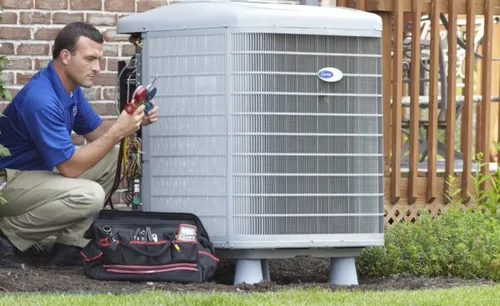
Precision Climate is an HVAC company serving Charlotte, NC, specializing in repair and installation of air conditioning, furnaces, heat pumps, boilers, mini splits, and geothermal heat pumps. With over 25 years of experience, they provide comprehensive HVAC tune-up services to maintain system efficiency and comfort.
Horne HVAC Charlotte
6805 Craig St, Charlotte, NC 28214
Horne HVAC Charlotte has been serving the Charlotte, NC area for over 40 years, providing a wide range of HVAC services including air conditioning and furnace repair, installation, and tune-ups. They also specialize in mini split systems and indoor air quality solutions. The company offers comprehensive home comfort services, including water heater repair and installation, with a focus on energy-efficient options. Horne HVAC Charlotte is available 24/7 for emergency service, ensuring support whenever it is needed.
Why Choose a Ductless Mini-Split System?
For many Huntersville residents, the appeal of a ductless air conditioner or heat pump goes beyond simple temperature control. These systems are a strategic home upgrade. If your home was built without central air ducts, installing a traditional forced-air system can be prohibitively expensive and invasive. A ductless installation offers a high-efficiency alternative without the need for tearing into walls to run ductwork. They are also the go-to solution for adding comfort to finished attics, bonus rooms over garages, or home offices where extending existing ducts is impractical.
The zoning capability is a major benefit. Instead of cooling your entire house to keep one room comfortable, you can install individual indoor units in frequently used rooms. This means the master bedroom, living room, and kitchen can each have their own temperature settings, eliminating family disputes over the thermostat and reducing energy waste in unoccupied spaces. 1 Furthermore, modern inverter-driven mini-splits are exceptionally efficient, often exceeding the SEER ratings of even new central air conditioners, which can help manage utility costs, especially during humid Charlotte-area summers.
Understanding the Components: Indoor and Outdoor Units
A successful ductless mini-split setup requires understanding the different parts and their placement.
Indoor Air Handlers: These are the units you'll see and interact with inside your home. The most common type is the wall-mounted unit, which is installed high on a wall for optimal air circulation. A general guideline is to mount it about 6 feet from the floor, ensuring it has several feet of clear space for unobstructed airflow. 2 3 For a more discreet look, ceiling cassette units are recessed into the ceiling, offering a sleek, flush finish but typically involving a more complex and costly installation. 4 In rooms with sloped ceilings or limited wall space, a floor-mounted model, which sits low on the wall like a slim radiator, can be an excellent alternative. 2
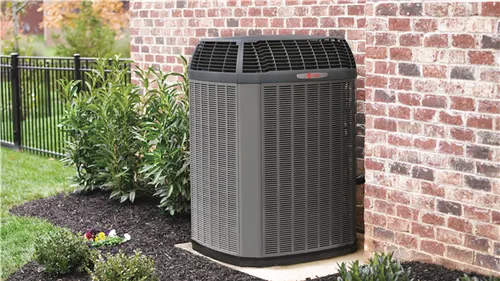
Outdoor Condenser: This unit houses the compressor and condenser coil and is installed outside your home. It needs to be placed on a stable, level surface like a concrete pad or a specialized wall bracket. Location is key: it should be situated away from direct sunlight and heavy rainfall if possible, and it must have ample clearance (usually 1-2 feet on all sides) for proper airflow and service access. The flexible refrigerant lines allow the outdoor unit to be placed up to 50 feet or more from the indoor units, providing significant placement flexibility.
The Installation Process: What to Expect
Professional installation is not just recommended; it's critical for system performance, efficiency, and maintaining the manufacturer's warranty. The process typically follows these key steps:
- Site Assessment & Planning: A technician will evaluate your home to determine the optimal locations for indoor and outdoor units, calculate the required heating and cooling capacity (in BTUs) for each zone, and plan the routing for refrigerant lines, electrical wiring, and the condensate drain.
- Mounting the Indoor Unit: A sturdy bracket is securely fastened to the wall, ceiling, or floor studs. A small hole (typically 3 inches or less) is carefully drilled through the exterior wall to connect the indoor and outdoor components. 5
- Setting the Outdoor Unit: The condenser is placed on its prepared pad or bracket, ensuring it is level and secure.
- Connecting the System: The technician runs the refrigerant line set (insulated copper tubing), condensate drain line, and electrical conduit through the wall hole and connects them between the indoor and outdoor units. This requires precision to avoid leaks.
- Electrical Connection: A dedicated electrical circuit is often required for the outdoor unit. This may involve running new wiring from your main electrical panel.
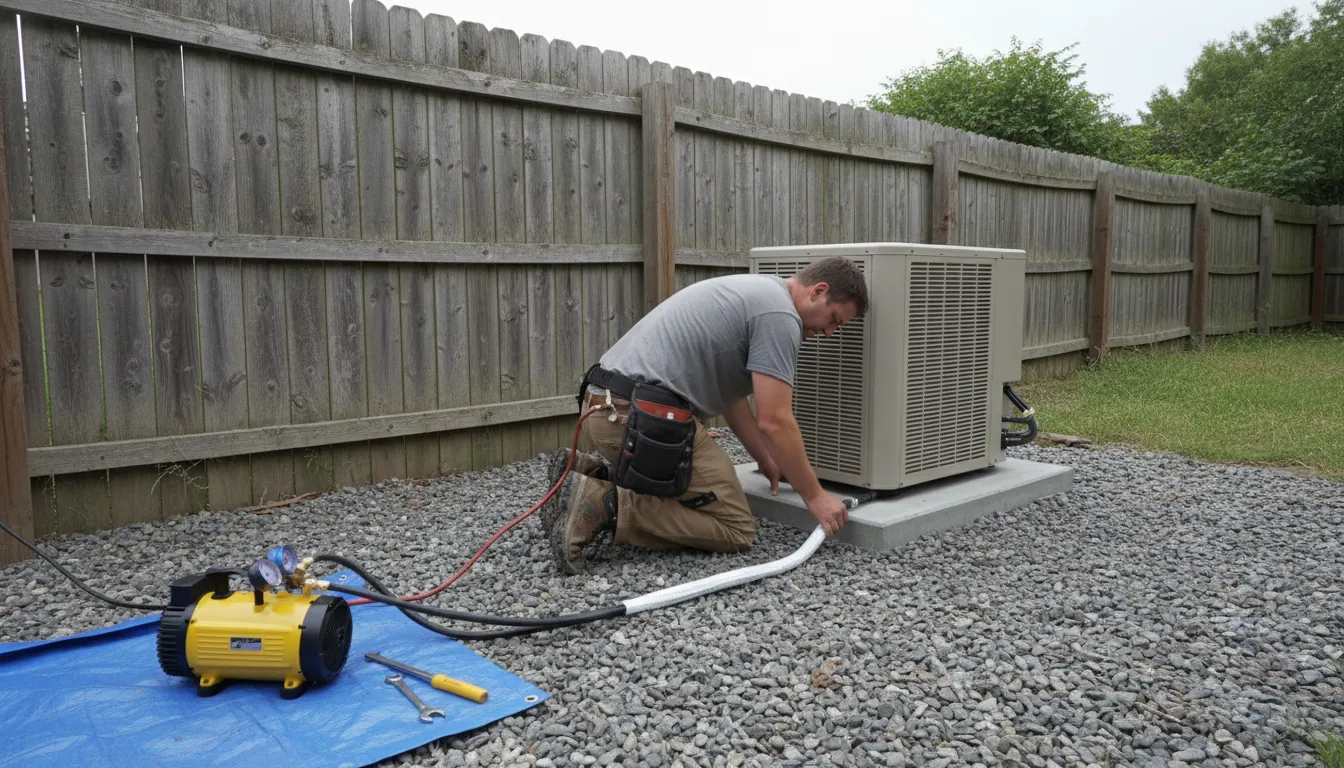
- System Evacuation & Charging: The refrigerant lines are evacuated of air and moisture using a high-powered vacuum pump before the precise amount of refrigerant is charged into the system. This is a vital step for efficiency and longevity.
- Testing & Commissioning: Finally, the system is powered on and tested in both heating and cooling modes. The installer will verify proper operation, check for leaks, and often demonstrate the thermostat or remote control functions.
Find the perfect mini-split installers for your needs
Get personalized recommendations and expert advice
Cost Factors for Mini-Split Installation in Huntersville
The cost of a ductless mini-split installation can vary widely based on your home's specific needs. Understanding the breakdown helps in budgeting and comparing quotes.
- System Size and Zones: This is the primary cost driver. A single-zone system (one outdoor unit, one indoor head) for a single room typically ranges from $2,000 to $5,000+. A multi-zone system (one outdoor unit supporting 3-5 indoor heads) for whole-home or multi-room comfort generally ranges from $6,000 to $15,000 or more. 6 7 8
- Equipment Type: Basic wall-mounted units are the most cost-effective. Ceiling cassettes, floor units, or advanced models with higher efficiency ratings or smart features will increase the equipment cost. 9 10
- Labor and Complexity: Professional labor is a significant portion of the total cost, often ranging from $1,000 to $3,500+, depending on the job's complexity. 11 12 Factors include the difficulty of running lines (multiple stories, long distances), the need for new electrical circuits, and whether a condensate pump is needed to drain water from a basement-level indoor unit.
- Additional Expenses: Always account for potential costs like local building permits, any necessary electrical upgrades to your panel, and the materials for the line-set covers or decorative trunking to conceal the lines running along your exterior wall.
How to Prepare for Your Project
Taking a few proactive steps can ensure a smoother process and a better outcome.
- Get Multiple Detailed Quotes: Seek estimates from at least three licensed and insured HVAC contractors in the Huntersville area who have specific experience with ductless systems. Each quote should detail the model numbers, BTU capacities, labor breakdown, and all associated costs.
- Explore Incentives: Look for available rebates or tax credits that can offset your investment. There are often federal tax credits for high-efficiency systems, and local utility companies like Duke Energy may offer rebates for installing qualifying energy-efficient equipment.
- Ask the Right Questions: During consultations, ask about the installer's certification (many manufacturers require specific training for warranty validation), the proposed warranty on both parts and labor, and their estimated timeline for completion.
- Plan for Placement: Think about furniture placement and décor. Indoor units should not be blocked by shelves or tall furniture, and the direction of airflow should be considered for comfort.
Choosing a ductless system is a smart investment in your home's comfort and efficiency. By understanding the technology, costs, and installation process, you are well-equipped to partner with a skilled professional to create the perfect zoned climate solution for your Huntersville home.
Frequently asked questions
Sources
Footnotes
-
Three Main Ductless Mini Split Applications | Webb HVAC - https://webbhvac.com/blog/three-main-ductless-mini-split-applications/ ↩
-
Ductless Mini-Split Systems Guide | Charlotte | Kodiak HVAC - https://www.callkodiakhvac.com/learning-center/system-guides/ductless-mini-split-guide ↩ ↩2
-
Best Mini Split AC Installation Location - Carrier - https://www.carrier.com/residential/en/us/products/ductless-mini-splits/install-ductless-ac/best-mini-split-placement/ ↩
-
Ductless Mini Split Setup: An Ultimate Guide - Airflow Heating & Air - https://www.goairflow.com/blog/ductless-mini-split-installation/ ↩
-
Ductless Mini-Split Air Conditioners - Department of Energy - https://www.energy.gov/energysaver/ductless-mini-split-air-conditioners ↩
-
Ductless mini-split installation: Cool 2025 Guide - Southern Air - https://www.southern-air.com/blog/ductless-mini-split-installation ↩
-
How Much Does It Cost To Install A Ductless Mini Split? | NC - https://scottbrothersnc.com/how-much-does-it-cost-to-install-a-ductless-mini-split/ ↩
-
Cost to Install Mini Split AC System in 2025 - https://dellahome.com/blogs/della-blog/cost-to-install-mini-split-ac-system ↩
-
Ductless Mini-Splits: A Comprehensive Cost Breakdown - https://www.myfivestarhomeservices.com/ductless-mini-splits-a-comprehensive-cost-breakdown/ ↩
-
How Much Does a Mini Split Installation Cost? (2026) - HomeGuide - https://homeguide.com/costs/ductless-mini-split-ac-cost ↩
-
Ductless Mini-Split Installation Cost in 2025: Full Breakdown - https://osborneheatingncooling.com/ductless-mini-split-installation-cost/ ↩
-
How Much Does It Cost To Install A Ductless Mini Split? | NC - https://comfortservicesinc.com/how-much-does-it-cost-to-install-a-ductless/ ↩