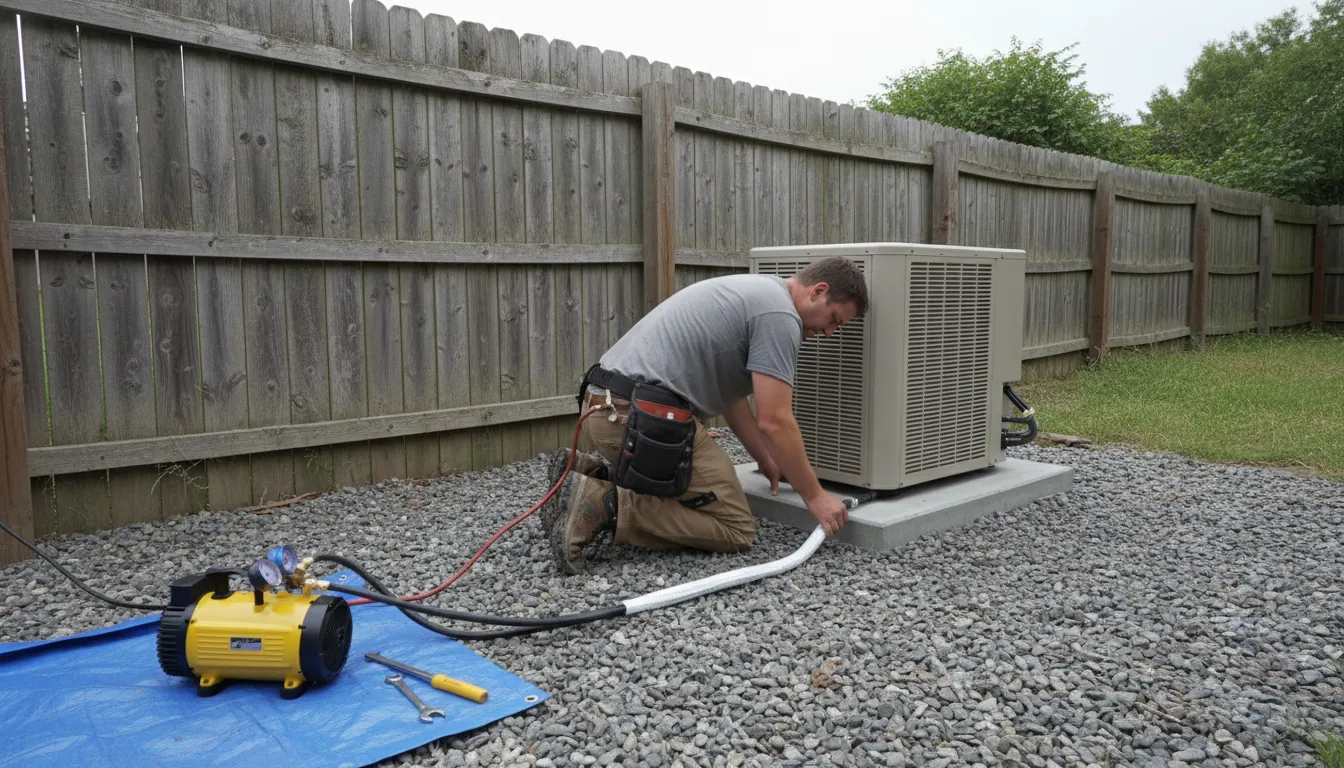
Find the Best Mini-Split Installers for Your Business
No obligation • Fast responses • Nationwide coverage

Why you can trust HVAC Firms
HVAC Firms is a leading United States resource for evaluating HVAC service providers. Our team researches companies, checks credentials, and reviews customer feedback to present clear, unbiased information. Listings and rankings are based on merit, and companies cannot pay to change our editorial content.
Search providers near you
Top Mini-Split Installers in Chapel Hill, North Carolina Ranked
Ductless mini-split systems provide an efficient and flexible solution for heating and cooling homes in Chapel Hill. These systems are ideal for creating zoned comfort, perfect for room additions, older homes without existing ductwork, or providing precise temperature control in specific areas like home offices or sunrooms. This guide will help you understand the process, benefits, and key considerations for installing a ductless mini-split, empowering you to find the right local expertise for your project.
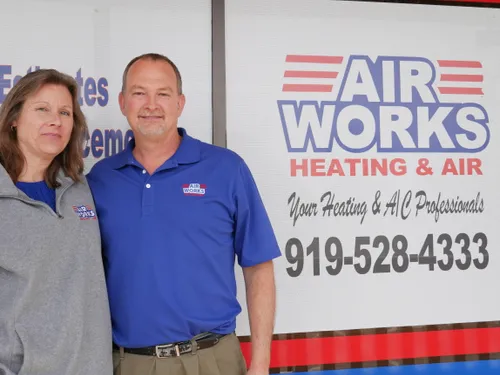
Air Works Heating & Air
5100 Unicon Dr #107, Wake Forest, NC 27587
Air Works Heating & Air is a family-owned HVAC and plumbing company serving Raleigh, NC, and the surrounding Wake County area. Since 2007, they have provided furnace and air conditioning repairs, installations, indoor air quality services, and duct cleaning. Their certified technicians work with top brands like American Standard and Mitsubishi Electric, offering services such as furnace replacements, AC tune-ups, and ductless mini split installations. The company emphasizes straightforward pricing and backs their work with a one-year parts and labor warranty.
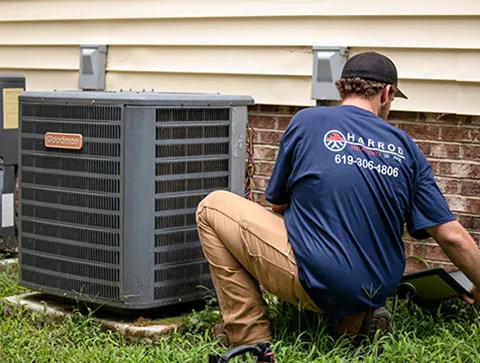
Harrod Heating & Air LLC
Raleigh, NC
Harrod Heating & Air LLC is an HVAC contractor serving Raleigh, NC, and the surrounding Wake County area. The company provides a full range of heating and cooling services, including installation, repair, and maintenance of air conditioning systems, furnaces, heat pumps, and ductless HVAC units. Their team of certified technicians is equipped to handle both residential and commercial HVAC needs, offering personalized service and clear communication throughout each project. Harrod Heating & Air LLC emphasizes quality workmanship and uses the latest tools to ensure reliable system performance. They have years of experience in the industry and provide flexible financing options to support customer needs.
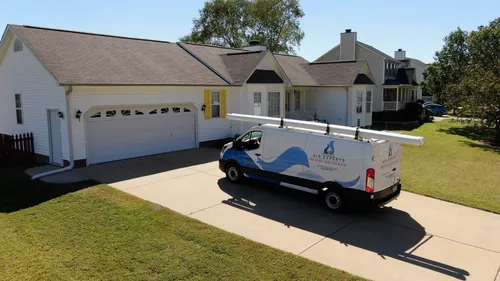
Air Experts Heating & Cooling
7 Rupert Rd, Raleigh, NC 27603
Air Experts Heating & Cooling is a comprehensive HVAC and plumbing service provider based in Raleigh, NC. Serving the Triangle region, they offer heating, air conditioning, heat pump, and mini split installation and repair, along with indoor air quality solutions such as air purifiers, duct sealing, and humidity control. With over 35 years of experience since 1986, Air Experts provides 24/7 emergency service to ensure year-round comfort and safety for residential customers.

Service Experts Heating & Air Conditioning
2815 S Wilmington St, Raleigh, NC 27603
Service Experts Heating & Air Conditioning has been serving Raleigh, NC, and the surrounding Triangle Area since 1971. They provide a wide range of HVAC services including repair, installation, and maintenance for air conditioners, furnaces, heat pumps, mini splits, and indoor air quality systems. Their team is licensed, bonded, and ACE-certified, ensuring professional care with precise equipment setup as intended by manufacturers. The company offers 24/7 availability for heating, cooling, and plumbing emergencies, supporting customers with timely solutions throughout the region.
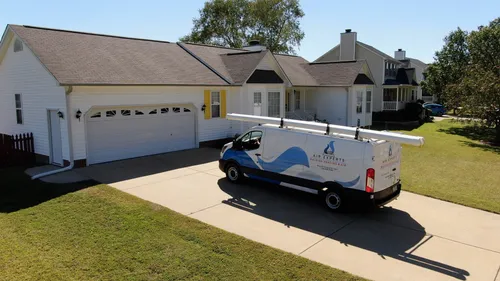
Air Experts Heating, Cooling and Plumbing
2730 Rowland Rd Suite 101, Raleigh, NC 27615
Air Experts Heating, Cooling and Plumbing is a full-service HVAC and plumbing company serving Raleigh, NC. They provide heating and air conditioning repair, installation, and maintenance, as well as indoor air quality solutions like air purifiers and duct sealing. Their plumbing services include leak detection, water heater installation, and water filtration system installation. With over 35 years of experience in the Triangle region, Air Experts offers 24/7 emergency service to ensure reliable home comfort year-round.
Understanding Ductless Mini-Split Systems
A ductless mini-split, often simply called a ductless system, consists of one outdoor condenser unit connected to one or more indoor air handlers. Unlike traditional central HVAC, these systems don't require extensive ductwork. Refrigerant lines and electrical wiring run through a small, inconspicuous hole in the wall, connecting the indoor and outdoor units. This makes them a superb choice for a variety of Chapel Hill homes, from historic properties where installing ducts is impractical to modern additions where extending the existing system is too costly or disruptive.
The core appeal of a ductless air conditioner or heat pump is its ability to provide zoned climate control. Each indoor unit operates independently, allowing you to heat or cool only the rooms you're using. This targeted approach can lead to significant energy savings compared to running a whole-house system.
Key Benefits for Chapel Hill Homeowners
Why are so many residents considering a mini-split installation? The advantages align well with the needs of diverse local housing.
- Zoned Comfort and Efficiency: Independently control the temperature in different "zones" of your home. Cool a sun-drenched home office without over-chilling the entire house, or keep a bedroom comfortable at night while saving energy in unoccupied living areas.
- Ideal for Additions and Older Homes: They are the go-to solution for cooling a new room addition, finished attic, or garage workshop without the expense and hassle of extending ductwork. They're also perfect for older Chapel Hill cottages or homes that never had a central ducted system.
- High Efficiency: Modern ductless heat pumps feature inverter technology and high SEER2 (Seasonal Energy Efficiency Ratio) ratings. They use variable-speed compressors that adjust output to match the exact need, reducing energy waste and lowering utility bills.
- Flexible Installation: With only a small hole needed for the lineset, installation is less invasive than ductwork and often quicker. Indoor units come in different styles to suit various room layouts.
The Mini-Split Installation Process
A professional installation is crucial for performance and longevity. Here's what a typical ductless installation entails:
- Assessment and Planning: A technician will evaluate your home to determine the optimal locations for indoor and outdoor units, calculate the required heating and cooling capacity (BTUs), and design an efficient zone layout.
- Mounting Indoor Units: The indoor air handler is typically mounted high on a wall to allow for optimal air distribution. Ceiling cassette or floor-console models are also options for different room configurations.
- Placing the Outdoor Unit: The condenser is installed on a level pad or wall bracket outside, with proper clearances (usually a few feet) for airflow and service access.
- Making Connections: A small hole (about 3 inches) is drilled through the wall. The refrigerant lineset, condensate drain line, and electrical wiring are run from the outdoor unit, through the wall, and connected to the indoor head.
- Sealing and Testing: The wall penetration is sealed. The system is then vacuumed to remove moisture and air, charged with refrigerant, and thoroughly tested for proper operation in both heating and cooling modes.
Critical Placement Guidelines
Where you install the components dramatically affects performance and comfort.
Indoor Air Handler Placement:
- Height: Install high on a wall, at least 6-8 inches from the ceiling, to allow cooled air to descend evenly.
- Location: Choose a central location on an exterior wall for the most balanced airflow. Avoid placing it directly above heat sources, electronics, or behind large furniture and curtains that would obstruct airflow 1.
- Direction: Ensure the unit's airflow path is clear across the room for optimal circulation.
Outdoor Condenser Placement:
- Clearance: Maintain manufacturer-specified clearances (often 12-24 inches on sides and top, and 48-60 inches in front) for proper airflow and service access 2.
- Stability: Place on a stable, level concrete pad or a dedicated wall bracket.
- Considerations: While some protection from direct, relentless sun or heavy debris is good, outdoor units are designed to withstand the elements. Ensure the location allows for unobstructed airflow and doesn't direct noise toward neighboring windows or patios.
Find the perfect mini-split installers for your needs
Get personalized recommendations and expert advice
Cost Factors for Ductless Installation
The investment for a ductless mini-split system in Chapel Hill varies based on several key factors. Understanding these will help you evaluate quotes.
- Number of Zones: This is the primary cost driver. Adding more indoor units connected to one outdoor condenser increases complexity and price.
- System Capacity and Efficiency: Larger spaces require units with higher BTU capacity. Systems with higher SEER2 ratings and advanced inverter technology are more efficient but have a higher upfront cost 3.
- Equipment Features: Wi-Fi controls, advanced air filtration systems, and ultra-quiet operation modes can add to the cost.
- Installation Complexity: Labor costs depend on the difficulty of running linesets, the need for electrical upgrades (like a new circuit), and whether wall brackets or complex mounting is required 4 5.
- Permits: Local Chapel Hill or Orange County permits may be required, adding to the total project cost.
Estimated Cost Ranges
While every home is unique, here are general price ranges for a professionally installed ductless mini-split system in our area 6 7 8:
- Single-Zone System (One Room): $2,500 - $4,500
- Dual-Zone System (Two Rooms): $4,500 - $7,500
- Three-Zone System: $6,500 - $9,500
- Whole-Home Multi-Zone System (4+ zones): $8,000 - $15,000+
These ranges typically include standard installation, equipment, and basic materials. It's important to note that while the initial investment can be significant, the energy savings from zoning and high efficiency, along with potential federal tax credits for qualifying high-efficiency heat pumps (which can be up to $2,000), can improve the long-term value 9 10. Always get detailed, written estimates from qualified local installers.
Is a Ductless System Right for Your Home?
A ductless mini-split installation is an excellent choice for many, but not all, situations in Chapel Hill.
Consider a ductless system if:
- You are adding conditioned space to your home (sunroom, garage conversion, attic bedroom).
- Your home lacks ductwork (common in older properties).
- You have a room that's always too hot or too cold (a "problem zone").
- You want to reduce energy costs by only conditioning occupied rooms.
- You need a quiet, efficient heating and cooling solution for a specific area like a home office or master suite.
A traditional system might be better if:
- Your existing ductwork is in good condition and efficiently serves your entire home.
- You prefer a single thermostat to control the whole house uniformly.
- Aesthetic concerns about indoor wall-mounted units cannot be overcome (though ceiling cassettes offer a more discreet alternative).
Choosing the right partner for your ductless heat pump or air conditioner installation is crucial. Look for experienced, licensed, and insured professionals who can provide a clear assessment, explain your options, and offer a robust warranty on both labor and equipment.
Frequently asked questions
Sources
Footnotes
-
Best Place to Install a Ductless Mini Split System - https://jacobsheating.com/blog/mini-split-placement/ ↩
-
Mini-Split Placement Guide: Best and Worst Spots for Installation - https://gulfshorecooling.com/mini-split-placement-guide/ ↩
-
How Much Does It Cost To Install A Ductless Mini Split? | NC - https://scottbrothersnc.com/how-much-does-it-cost-to-install-a-ductless-mini-split/ ↩
-
Ductless Mini Split Setup: An Ultimate Guide - Airflow Heating & Air - https://www.goairflow.com/blog/ductless-mini-split-installation/ ↩
-
What is a 3 Zone Mini Split, and What is its Installation Cost? - https://www.acdirect.com/blog/what-is-a-3-zone-mini-split-and-what-is-its-installation-cost/ ↩
-
Ductless Mini-Split Installation Cost in 2025: Full Breakdown - https://osborneheatingncooling.com/ductless-mini-split-installation-cost/ ↩
-
Cost to Install Mini Split AC System in 2025 - https://dellahome.com/blogs/della-blog/cost-to-install-mini-split-ac-system ↩
-
How Much Does It Cost To Install A Ductless Mini Split? | NC - https://charlotteheatingair.com/how-much-does-it-cost-to-install-a-ductless-mini-split/ ↩
-
Ductless mini-split installation: Cool 2025 Guide - Southern Air - https://www.southern-air.com/blog/ductless-mini-split-installation ↩
-
How Much Does It Cost To Install A Ductless Mini Split? | NC - https://comfortservicesinc.com/how-much-does-it-cost-to-install-a-ductless/ ↩