Find the Best Mini-Split Installers for Your Business
No obligation • Fast responses • Nationwide coverage

Why you can trust HVAC Firms
HVAC Firms is a leading United States resource for evaluating HVAC service providers. Our team researches companies, checks credentials, and reviews customer feedback to present clear, unbiased information. Listings and rankings are based on merit, and companies cannot pay to change our editorial content.
Search providers near you
Top Mini-Split Installers in Southaven, Mississippi Ranked
A ductless mini-split system is a versatile and efficient heating and cooling solution, perfect for homes without existing ductwork or for adding comfort to specific zones. This type of installation involves connecting one or more quiet indoor air handlers to a single outdoor condenser via a small conduit, providing precise temperature control where you need it most. For Southaven residents, exploring local ductless HVAC options is a smart way to enhance home comfort, improve energy efficiency, and adapt to Mississippi's climate. The following guide details what to expect from the process, costs, and key considerations to help you connect with qualified professionals in your area.
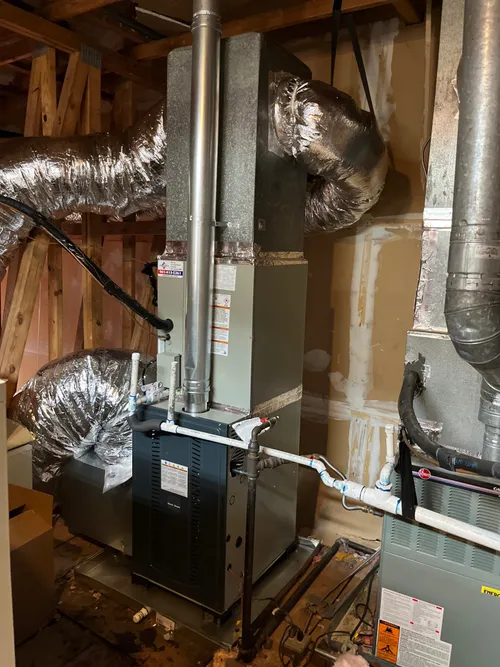
Crowe Services/Heating & Air
6391 Ferrell Dr, Memphis, TN 38134
Crowe Services/Heating & Air is an HVAC and plumbing company serving Memphis, TN. They offer a wide range of services including air conditioning, furnace, heat pump, and mini split installation and repair, as well as indoor air quality solutions. Their commercial HVAC services support local businesses with installation, maintenance, and repair. They also provide plumbing services such as faucet and toilet repairs, leak detection, drain cleaning, hydro jetting, and sewer line maintenance. Crowe Services is an American-Standard® dealer with licensed technicians experienced in both residential and commercial systems. Emergency service is available to address urgent needs.
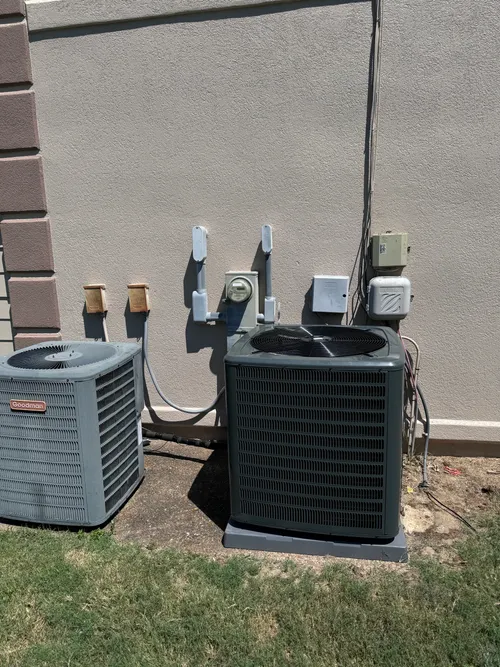
B&B HVAC LLC
Memphis, TN
B&B HVAC LLC is a family and friend owned HVAC company serving Memphis, TN. They provide a range of heating, ventilation, refrigeration, and air conditioning services including installation, repair, and tune-ups for systems such as air conditioners, furnaces, heat pumps, boilers, and mini splits. Their licensed and insured technicians focus on delivering transparent and reliable service while building lasting client relationships based on trust and satisfaction.
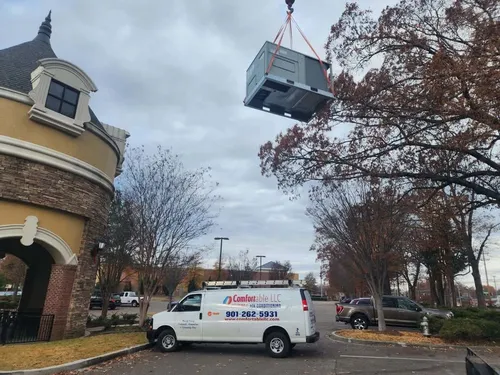
Comfortable LLC
356 New Byhalia Rd #4, Collierville, TN 38017
Comfortable LLC is an HVAC and electrical service provider located in Memphis, TN. They offer a wide range of services including installation, repair, and maintenance of heating and cooling systems such as air conditioners, furnaces, heat pumps, boilers, mini splits, and geothermal heat pumps. Comfortable LLC also provides indoor air quality solutions and electrical and lighting services. As a Trane dealer, they supply various indoor comfort products and specialize in emergency service available 24/7. With over ten years of experience, they serve Memphis and surrounding communities including Collierville, Germantown, Cordova, and East Memphis.
Renfrow Heating, Air, & Plumbing, LLC
8357 Industrial Dr, Olive Branch, MS 38654
Renfrow Heating, Air, & Plumbing, LLC is a licensed HVAC and plumbing contractor serving Memphis, TN. They offer a range of services including installation and repair of air conditioners, furnaces, heat pumps, mini splits, and geothermal systems. The company also provides duct cleaning, indoor air quality solutions such as Plasma AirREME HALO®, thermostat installation, and HVAC tune-ups to maintain system efficiency. Renfrow Heating, Air, & Plumbing is a Trane® dealer and supports both residential and commercial customers with customized comfort solutions. They offer service agreements to help prevent emergencies and are available for emergency service when needed.
Collierville Air & Plumbing LLC
Memphis, TN
Collierville Air & Plumbing LLC is an HVAC and plumbing service provider based in Memphis, TN. They offer installation, repair, and maintenance services for air conditioners, furnaces, heat pumps, mini split systems, thermostats, and indoor air quality equipment. As a licensed contractor and Trane® dealer, they provide a range of indoor comfort products and specialize in HVAC tune-ups to maintain system efficiency. Their service area includes Collierville, Cordova, Germantown, and Memphis. The company focuses on customized solutions and services all brands of equipment.
What is a Ductless Mini-Split System?
A ductless mini-split, often simply called a mini-split or ductless heat pump, is a two-part system. An outdoor unit houses the compressor and condenser, while one or more indoor air handlers are mounted inside the rooms you wish to condition. These components are connected by a small line set that carries refrigerant, power, and a condensate drain through a hole about three inches in diameter drilled in your exterior wall 1. This setup eliminates the need for extensive ductwork, making it an ideal solution for room additions, sunrooms, garages, or older homes where installing ducts is impractical or too costly.
The core advantage of a ductless air conditioner installation is its zoning capability. Unlike a central system that cools or heats the entire house to one temperature, each indoor unit operates independently. This means you can set different temperatures for the living room, bedrooms, and home office, eliminating hot or cold spots and saving energy by not conditioning unoccupied spaces. This targeted approach to comfort is a major reason for the growing popularity of mini-split systems in Southaven.
Types of Mini-Split Installations: Single-Zone vs. Multi-Zone
Understanding the two primary configurations is the first step in planning your project.
Single-Zone Systems A single-zone ductless installation consists of one outdoor condenser connected to one indoor air handler. This is the most straightforward and often most cost-effective setup. It's perfectly suited for conditioning a specific area, such as a new master suite addition, a converted garage apartment, or a standalone room that your central system struggles to reach 2. If your goal is to solve a comfort problem in one key area, a single-zone mini-split is likely the answer.
Multi-Zone Systems A multi-zone system connects multiple indoor air handlers (typically from two to eight or more) to a single, more powerful outdoor unit. This configuration turns a ductless system into a whole-home solution. It allows for customized comfort in several rooms-like keeping bedrooms cooler at night while maintaining a different temperature in the living areas-all from one efficient outdoor condenser. This is an excellent option for homes without any ductwork or for those looking to replace an inefficient, aging central system with a modern, zoned alternative.
The Mini-Split Installation Process: A Step-by-Step Overview
A professional installation is crucial for performance, efficiency, and maintaining the manufacturer's warranty. Here's what a certified technician will do:
- Site Evaluation and Planning: The installer will assess your home to determine the optimal locations for the indoor and outdoor units, check electrical service, and plan the route for the line set.
- Mounting the Indoor Unit: The indoor air handler is securely mounted on an interior wall, ceiling (for a cassette model), or near the floor. The chosen location must allow for unobstructed airflow and be away from direct heat sources or large furniture.
- Drilling the Wall Penetration: A small, clean hole is drilled through the exterior wall at the chosen location to pass the line set conduit.
- Setting the Outdoor Unit: The condenser is placed on a stable, level surface-either a concrete pad or a dedicated stand-with proper clearance (usually 12 to 24 inches on all sides) to ensure adequate airflow for heat exchange.
- Running and Connecting the Line Set: The pre-charged refrigerant lines, electrical wiring, and condensate drain tube are run through the wall hole and connected between the indoor and outdoor units. The technician will carefully flare and seal the copper refrigerant lines.
- Electrical Connections: Power is run from your home's electrical panel to the outdoor unit. Some installations may require a new dedicated circuit or a minor electrical panel upgrade.
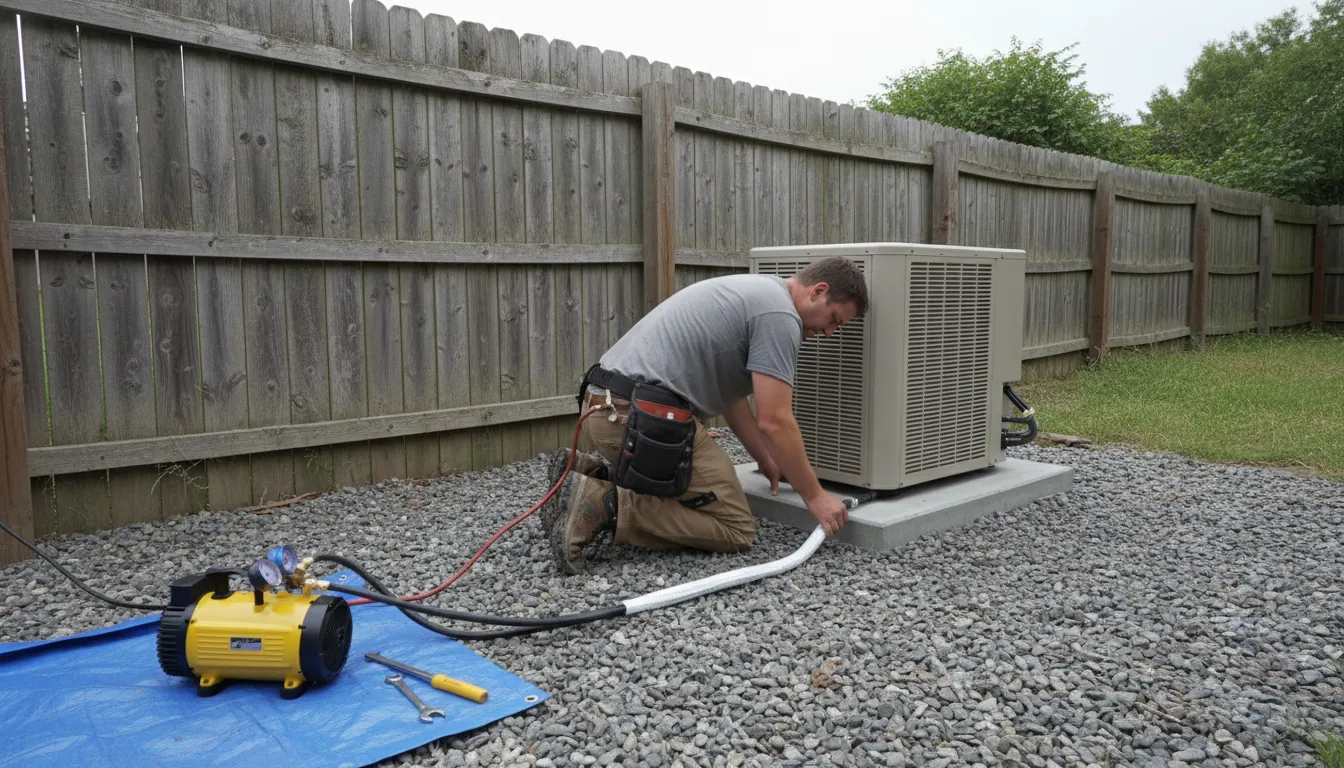
- System Evacuation and Charging: The system is evacuated of air and moisture using a vacuum pump, then charged with the precise amount of refrigerant specified by the manufacturer.
- Testing and Commissioning: The installer will test the system for leaks, check all electrical connections, verify drainage, and ensure both heating and cooling modes operate correctly. They will also demonstrate the thermostat and remote controls for you.
Find the perfect mini-split installers for your needs
Get personalized recommendations and expert advice
Choosing the Right Indoor Unit Style
The indoor air handler comes in several styles to suit different room layouts and aesthetic preferences.
- Wall-Mounted: This is the most common and economical type. It is mounted high on a wall, similar to a hotel room unit, and provides excellent air circulation. It's important to place it where its airflow won't be blocked by curtains, furniture, or cabinetry 3.
- Ceiling Cassette: This unit is recessed into the ceiling, with only a decorative grille visible. It distributes air in four directions for very even coverage and is a great discreet option for rooms with drop ceilings. Installation is more complex and may require a condensate pump if a gravity drain isn't possible.
- Floor-Mounted: As the name implies, this low-profile unit is installed near the floor, often beneath a window. It's an ideal choice for rooms with sloped ceilings, glass walls, or where wall space is limited. It also offers easy access for filter cleaning 4.
Understanding Mini-Split Installation Costs in Southaven
The total investment for a ductless heat pump installation varies based on system type, size, and complexity. All figures are for professionally installed systems.
- Single-Zone System: For a basic one-to-one system, homeowners can expect a cost range between $2,000 and $5,000+ 5. The final price depends on the unit's cooling capacity (measured in BTUs), its efficiency rating (SEER2), brand, and the specific labor involved in your home.
- Multi-Zone System: Costs increase with the number of zones. A system with 2-3 zones typically ranges from $5,500 to $8,500+ 6 7. For a larger whole-home system with 4 or more zones, prices can range from $8,000 to $15,000 or more 8 6. Each additional indoor unit generally adds $1,500 to $3,000 to the project cost 7.
Several key factors influence these price ranges:
- System Efficiency (SEER2 Rating): Higher-efficiency models with superior SEER2 ratings cost more upfront but offer significant long-term savings on energy bills, which is a valuable consideration in Southaven's hot summers.
- Brand and Features: Premium brands like Daikin or Mitsubishi Electric often command a higher price than value-oriented brands, reflecting advanced technology, quiet operation, and proven reliability.
- Installation Complexity: Factors like the need for a condensate pump for a ceiling cassette, running a longer line set, or upgrading your home's electrical service will add to the labor and material costs 9 10.
- Labor and Warranty: Hiring a licensed, EPA-certified professional is non-negotiable for a proper installation that ensures peak efficiency and validates the manufacturer's warranty.
Benefits of a Ductless System for Southaven Homes
Choosing a mini-split installation offers several compelling advantages for local homeowners:
- Energy Efficiency and Savings: By eliminating the energy losses associated with ductwork (which can be 30% or more) and allowing for zoned control, ductless systems are exceptionally efficient 11. You only cool or heat the rooms you're using, which can lead to noticeable reductions in your utility bills.
- Ideal for Mississippi's Climate: These systems provide both powerful cooling for humid summers and efficient heat pump heating for milder winters, offering year-round comfort from one system.
- Flexible Installation: Without the need for ducts, installation is less invasive, preserves living space, and is feasible in homes where adding ducts would be prohibitively expensive or structurally challenging.
- Improved Indoor Air Quality: Since there are no ducts to accumulate dust, pollen, and mold, a mini-split system can contribute to cleaner indoor air. Many models also include advanced multi-stage filtration.
Key Considerations Before You Install
- Professional Installation is Mandatory: Due to the handling of refrigerants and complex electrical work, a DIY mini-split installation is strongly discouraged and will void warranties. Always verify that your installer is licensed, insured, and EPA-certified.
- Evaluate Your Electrical Service: The outdoor condenser requires a dedicated electrical circuit. An older home may need an electrical panel assessment to handle the new load.
- Explore Rebates and Tax Credits: High-efficiency ductless mini-split systems may qualify for local utility rebates or federal tax credits, which can help offset the initial investment 12 13. A qualified installer can provide information on current incentives.
- Plan for Maintenance: Like any HVAC system, mini-splits require regular maintenance, such as cleaning the filters in the indoor units and ensuring the outdoor condenser remains clear of leaves and debris, to maintain efficiency and longevity.
Frequently asked questions
Sources
Footnotes
-
How to Install a Mini Split - The Home Depot - https://www.homedepot.com/c/ah/how-to-install-a-mini-split/9ba683603be9fa5395fab90c887a9dd ↩
-
Ductless mini-split installation: Cool 2025 Guide - Southern Air - https://www.southern-air.com/blog/ductless-mini-split-installation ↩
-
How Much Does a Mini-Split Installation Cost? - Taskrabbit Blog - https://www.taskrabbit.com/blog/mini-split-installation-cost/ ↩
-
Ductless Mini Split Setup: An Ultimate Guide - Airflow Heating & Air - https://www.goairflow.com/blog/ductless-mini-split-installation/ ↩
-
How Much Does It Cost to Install a Mini Split System? - https://elementairco.com/how-much-does-it-cost-to-install-a-mini-split-system/ ↩
-
Understanding Mini Split Installation Costs A Complete Guide - https://armusmech.net/understanding-mini-split-installation-costs-a-complete-guide/ ↩ ↩2
-
Understanding mini split installation costs: A quick guide - Homeaglow - https://www.homeaglow.com/hub/content/mini-split-installation-cost ↩ ↩2
-
Ductless Mini-Split Installation Cost in 2025: Full Breakdown - https://osborneheatingncooling.com/ductless-mini-split-installation-cost/ ↩
-
Ductless Mini-Splits: A Comprehensive Cost Breakdown - https://www.myfivestarhomeservices.com/ductless-mini-splits-a-comprehensive-cost-breakdown/ ↩
-
How Much Does a Mini Split Installation Cost? (2026) - HomeGuide - https://homeguide.com/costs/ductless-mini-split-ac-cost ↩
-
Ductless Mini-Split Air Conditioners - Department of Energy - https://www.energy.gov/energysaver/ductless-mini-split-air-conditioners ↩
-
How Much Does a Mini-Split Cost in 2025? - EnergySage - https://www.energysage.com/heat-pumps/how-much-does-a-mini-split-cost/ ↩
-
Ductless Mini Split Installation Costs in 2026 - Carrier - https://www.carrier.com/residential/en/us/products/ductless-mini-splits/ductless-mini-split-installation-cost/ ↩